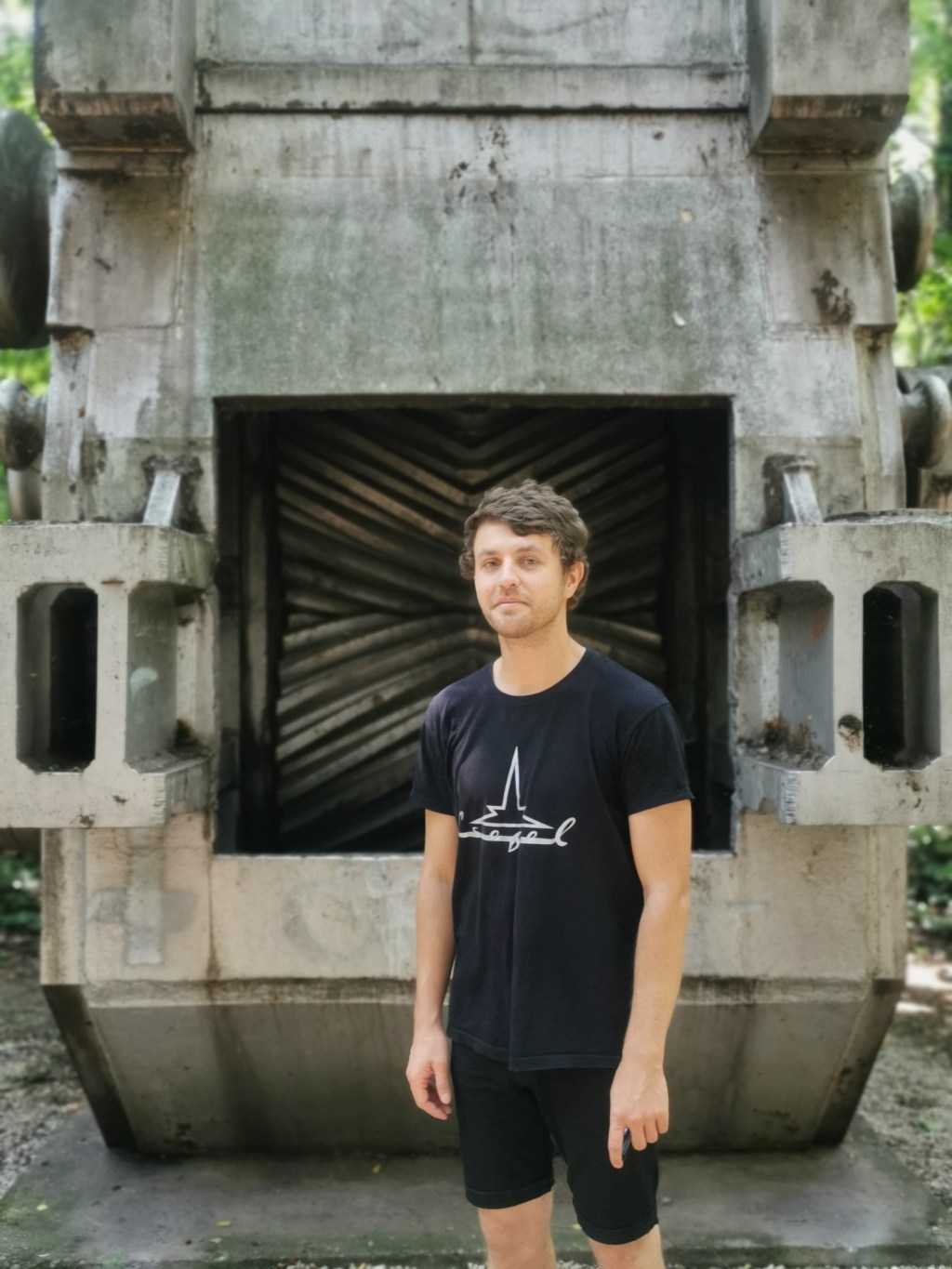
1. What’s the first thing that inspired you to create — and does that source of inspiration still guide you today?
I started painting around the age of 14. We used to vandalize the facades of our city with street graffiti. Later, around the age of 18, I wanted to take it to a new level and switched to oil painting on canvas, which I still do today. I am still grateful for the lessons I learned on the streets in my youth.
2. How would you describe your current work in three words?
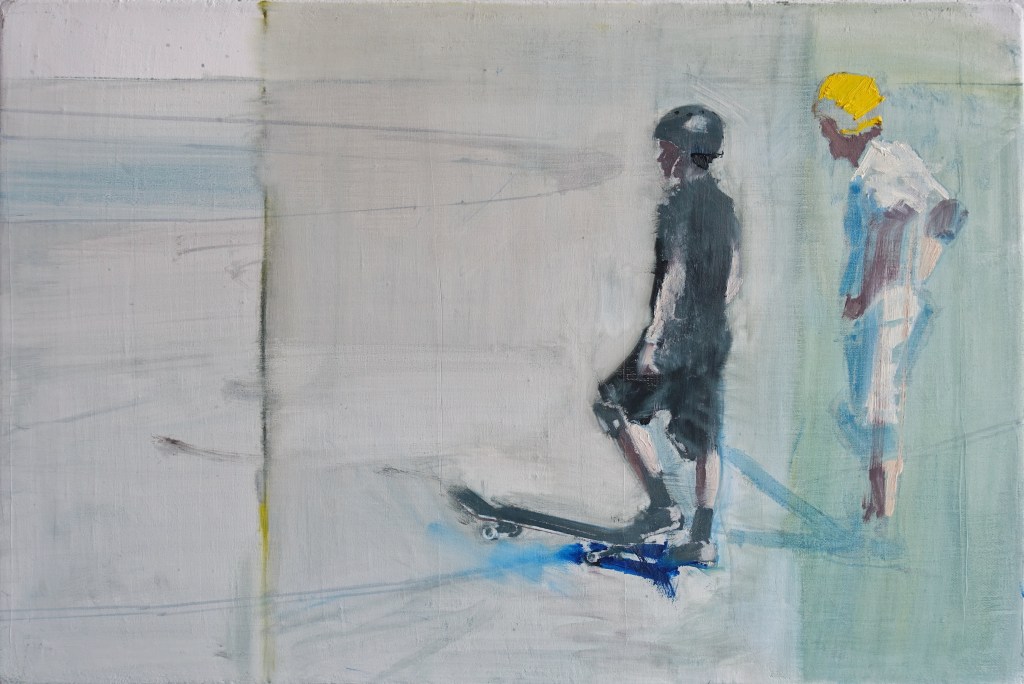
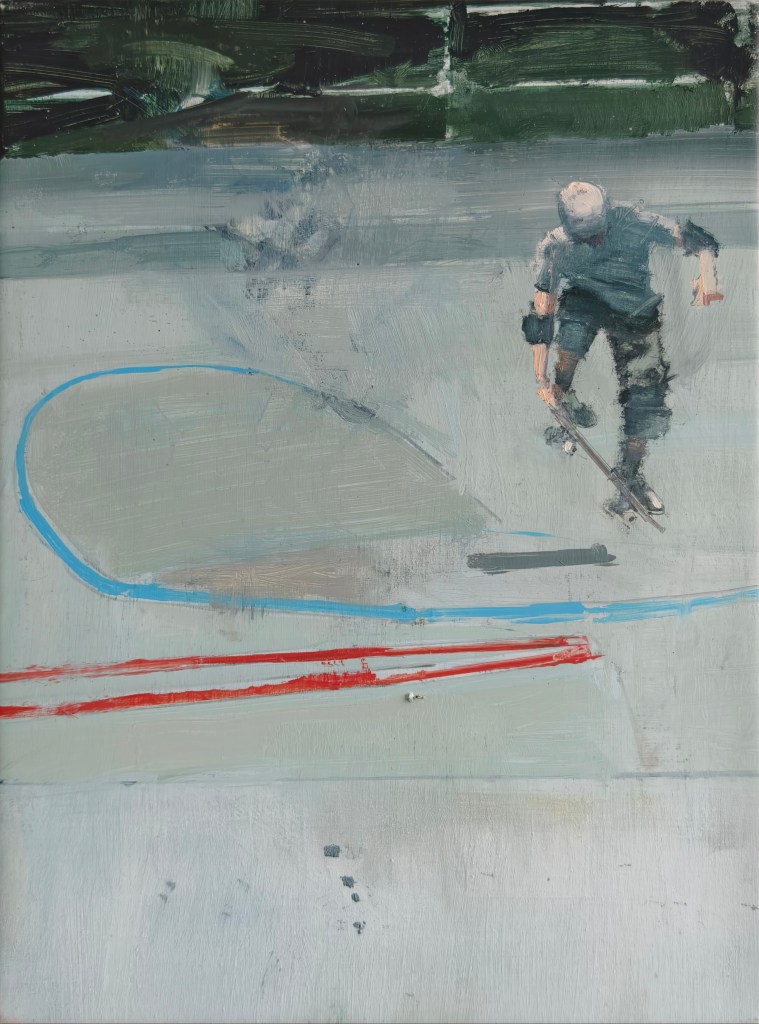
Joy, dirt, geometry
3. What role does emotion or intuition play in your creative process?
I like arriving early at the studio, where I can see the fresh canvas from the previous day. The entire painting process replays in my head. Each subsequent brushstroke is essentially intuitive, giving me hope that I am getting closer to a successful result. I like to look at a painting as a concentration of all those micro-decisions that arise during the painting process.
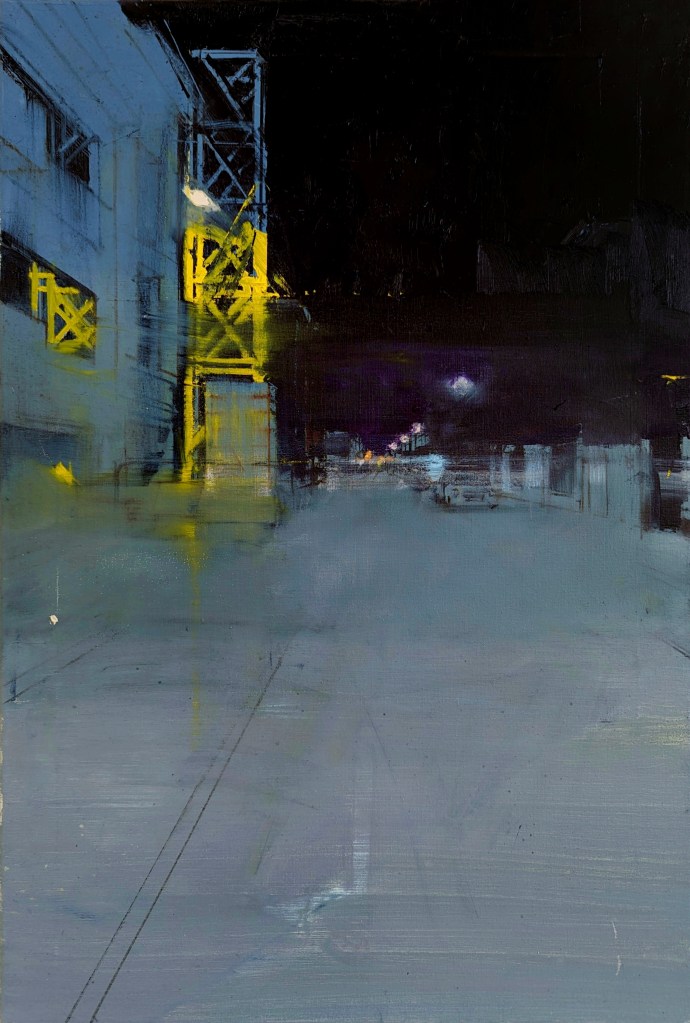
4. Where do you find beauty in the everyday?
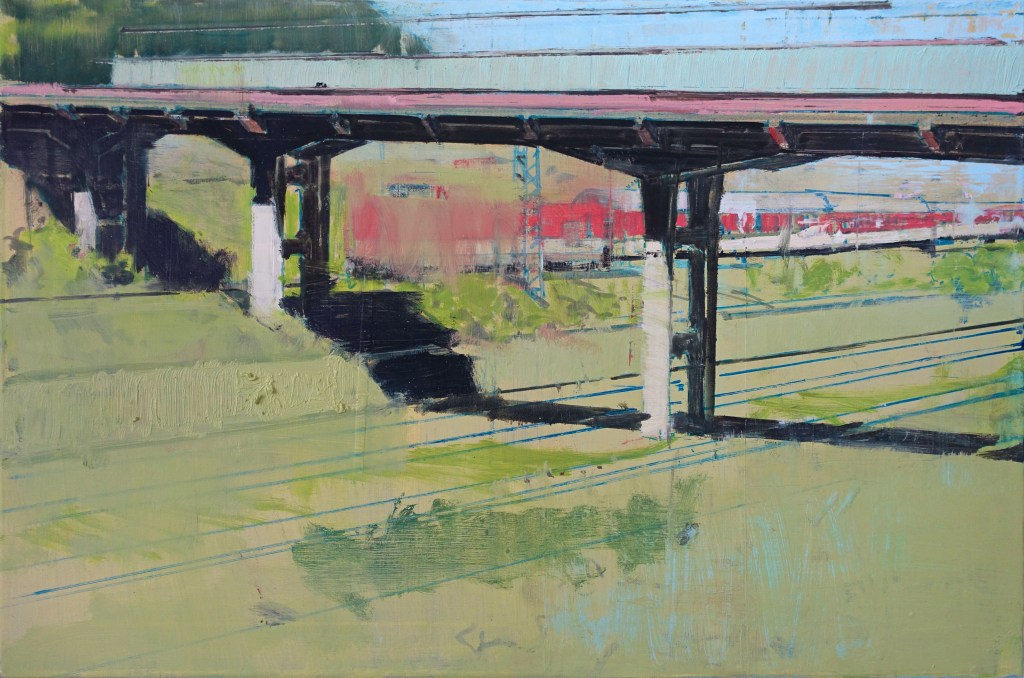
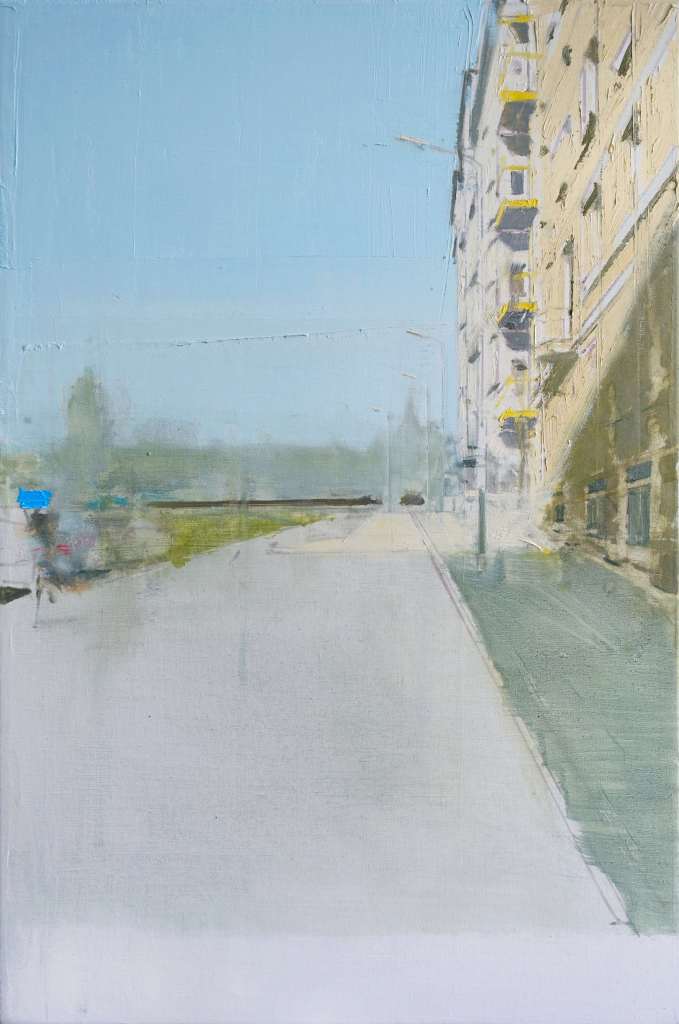
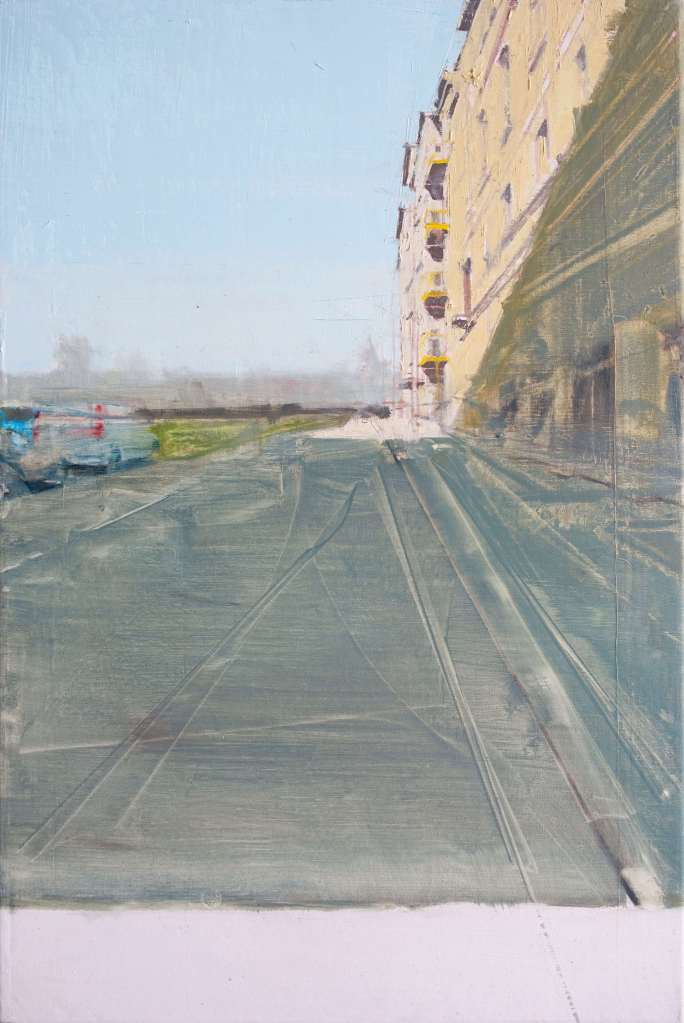
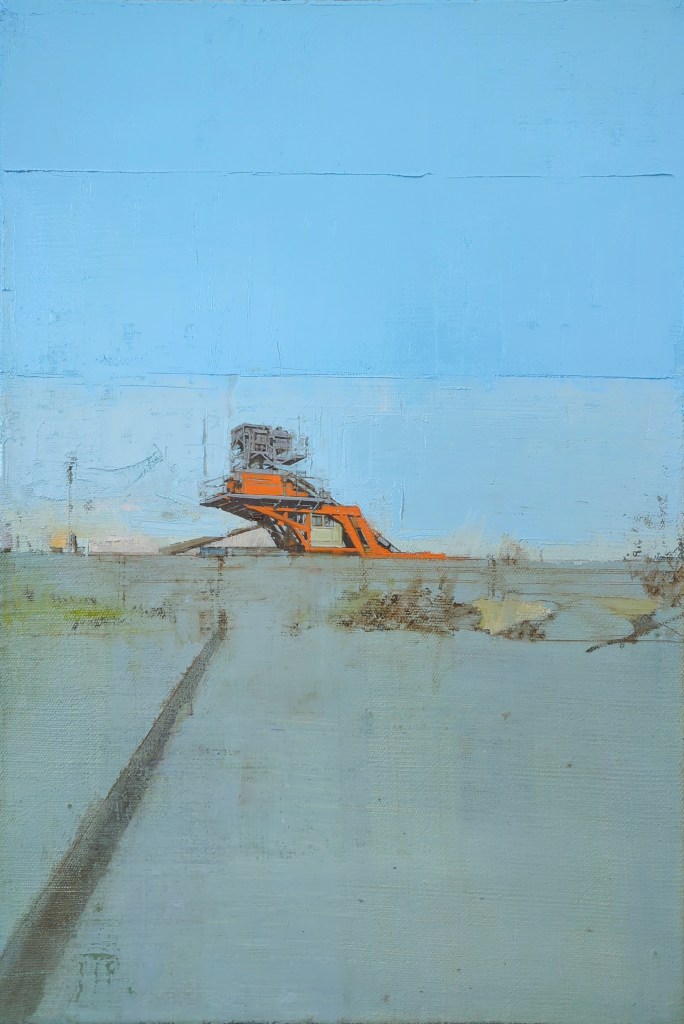
I walk a lot around cities, and of course I enjoy the suburbs the most, with their often bizarre and incomprehensible environments, which I find particularly aesthetically interesting. City centers are for tourists.
5. How do you balance tradition and experimentation in your practice?
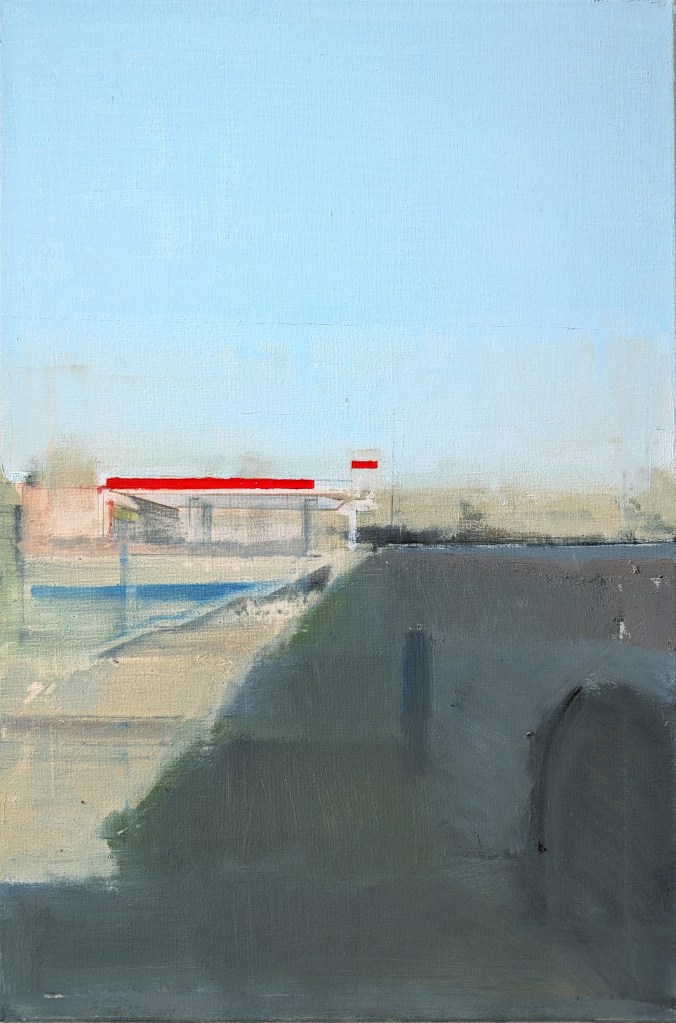
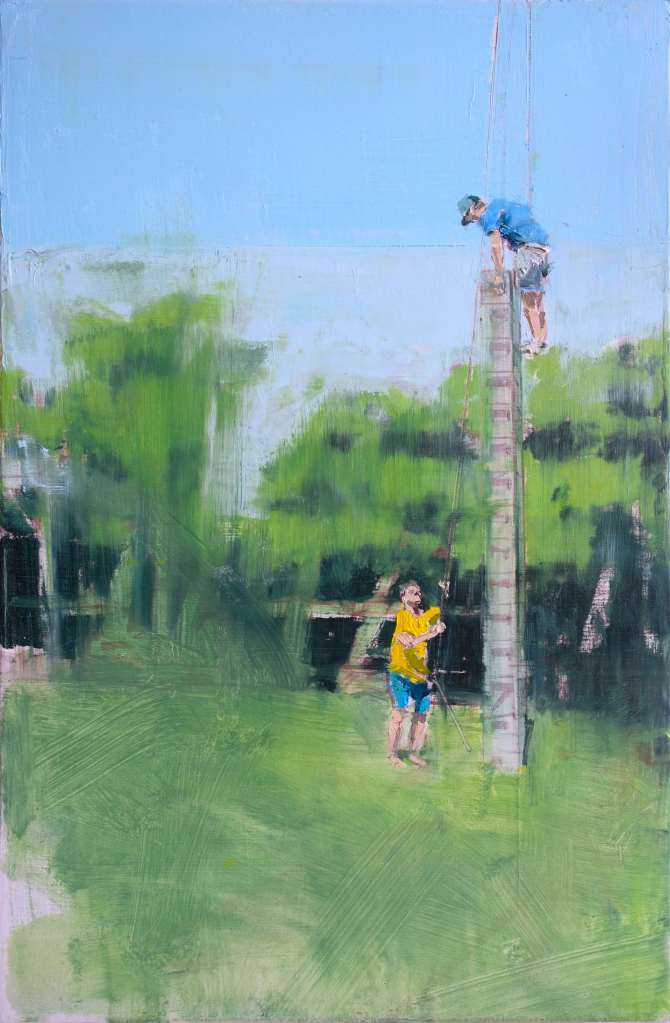
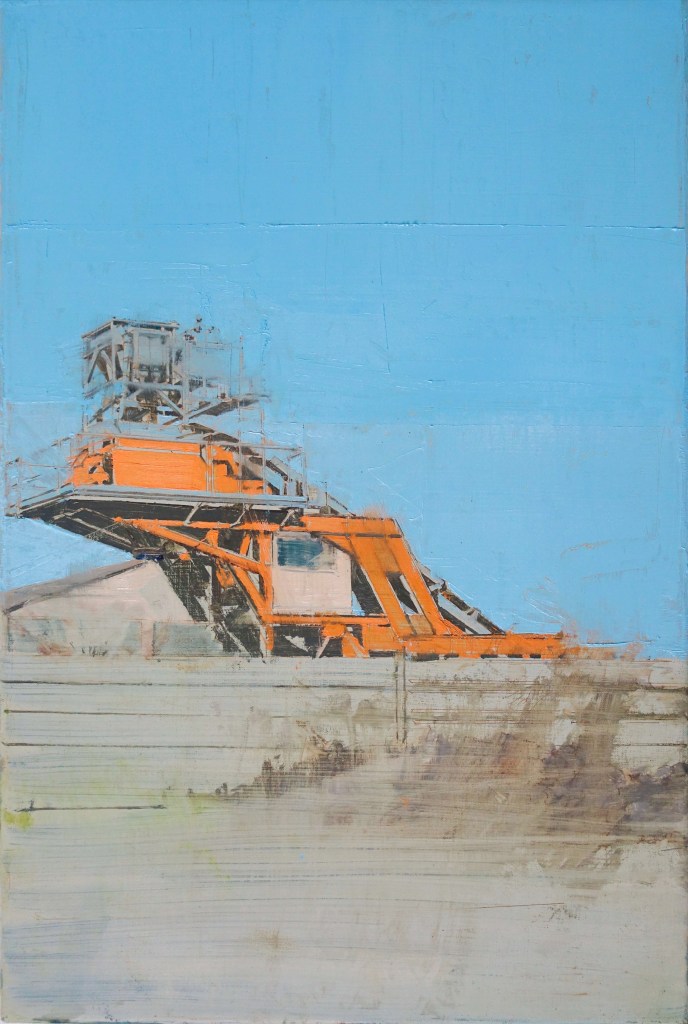
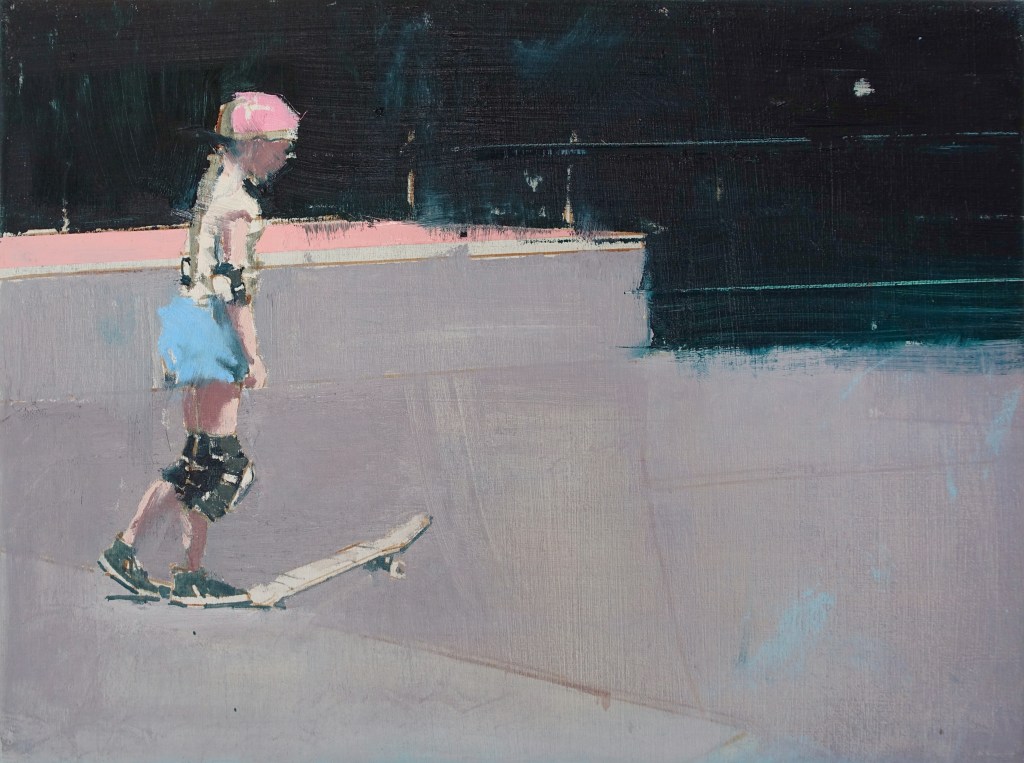
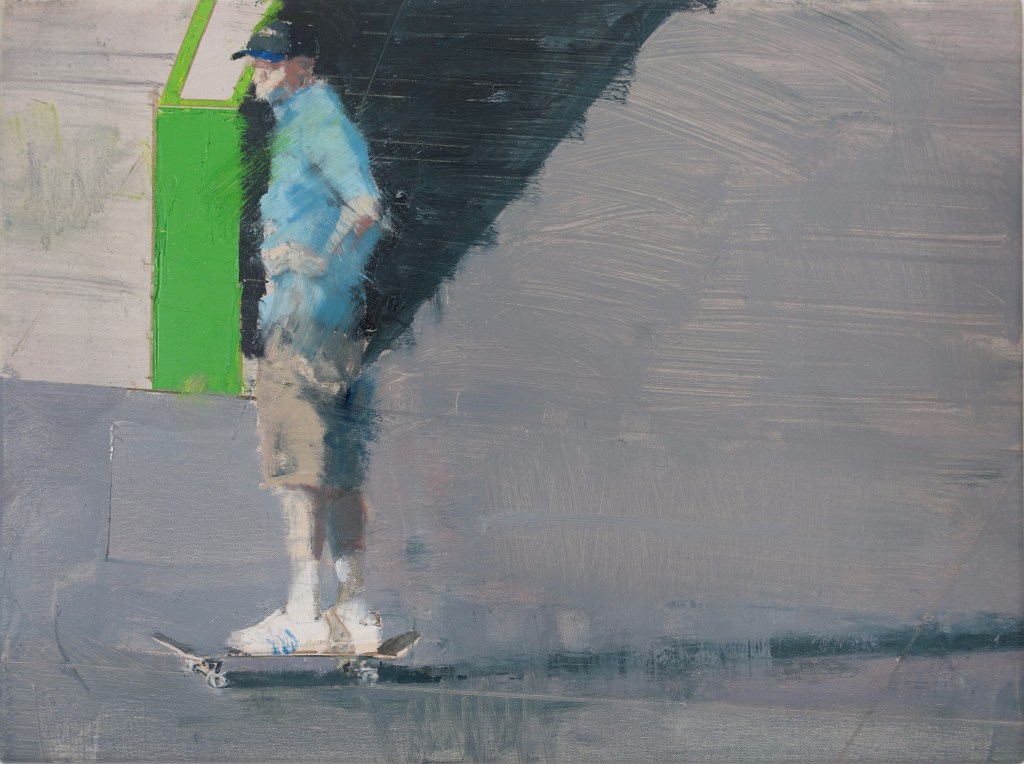
Great question. My work deals with exactly that. I do realistic painting, but not in the standard academic way. With academic painting, you can paint a good picture at best. Ideally, you bring something new to realism. This is what a whole wave of contemporary realist artists are doing, and that’s where I see myself too.
6. What’s one misconception people often have about your work or the art world in general?
In my case, people sometimes don’t see what the painting actually depicts. As the author, I see it very clearly. The paintings are often a bit abstract, and minimalism is evident throughout the latest series of paintings. And the artistic world. Some people may idealize the world of art, but for me it is an area of life like any other. People have their egos, deadlines, responsibilities, and bills to pay.
7. How has technology (or the digital world) changed the way you create or think about art?
The production phase is still that vital, messy, and vivid oil painting, where you can feel the artist’s heartbeat in every brushstroke. I think people will always like to return to painting as the antithesis of our increasingly digitized lifestyles. Major changes have taken place in recent years in the post-production phase. Without social media, it probably wouldn’t be possible anymore. I have no problem with them; they are a great window to the world. It all depends on how you use them.
8. If you could collaborate with any artist — living or dead — who would it be, and why?
I would love to meet Van Gogh, i guess his life story Is not a hoax.
We would go for a pleinair in south of France and disturb locals solely by our presence. We could afford both of us luxury of staying away from art business. Pure impression. Away from all art world games and manipulations. Just the sun, walking in the middle of the field, birds singing above our heads and budget plan for the evening
9. What do you hope people feel or think when they encounter your work?
I don’t think about it much. To be honest, I’m not that interested in it. Maybe one thing. The form of painting is more important to me than the content. If people see a good level of form in the execution of a painting, I’m happy.
10. What’s next for you — any projects, dreams, or directions you’re excited to explore?
I spend Monday to Friday in my studio, normal working hours like everyone else. Apart from planned exhibitions, which are always two or three each year, I always like to be surprised by what new things I can paint inspired by the urban environment. I like to paint a picture that I am happy with. I live with this feeling until the next new good picture comes along.

 ART HUB
Leave a comment