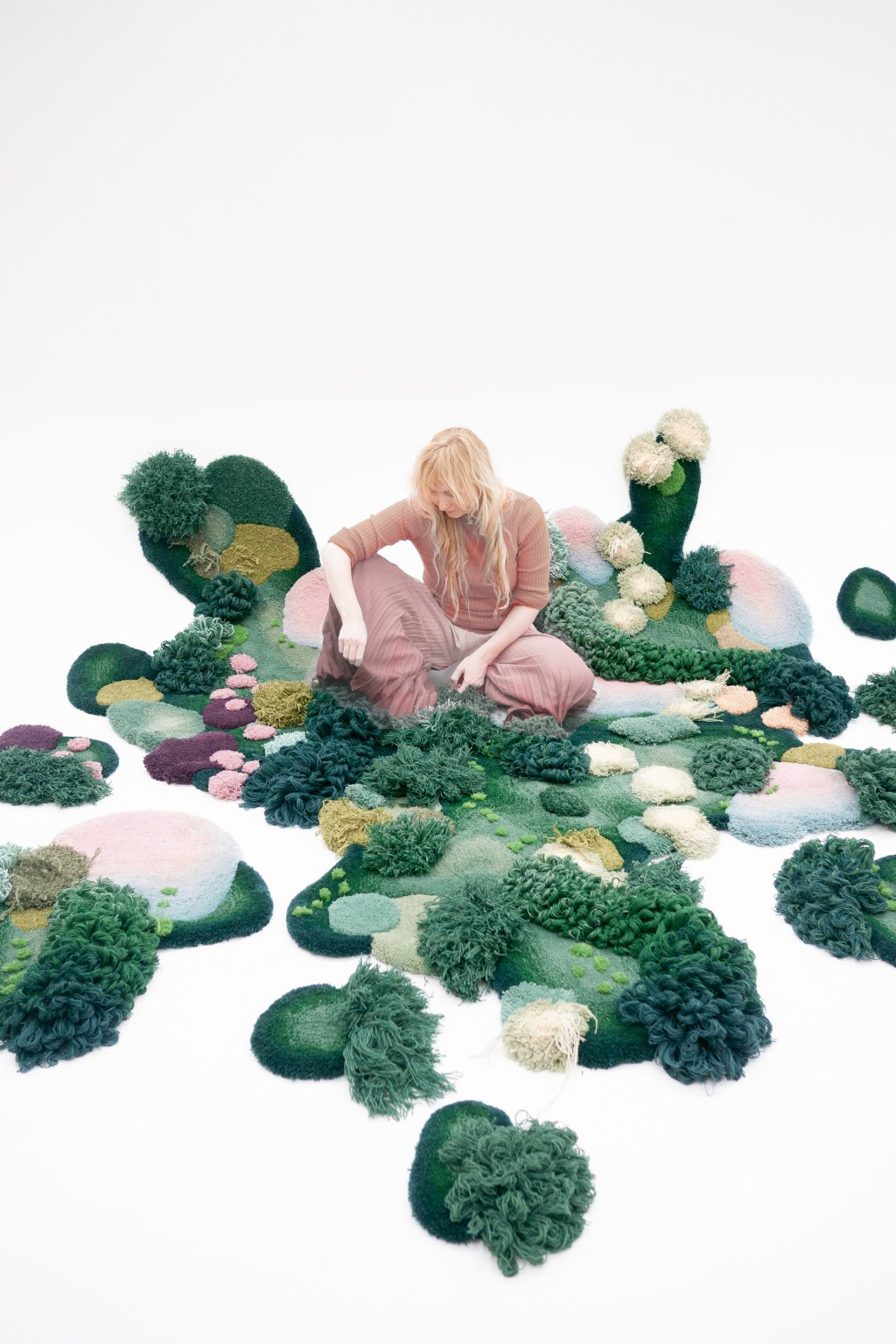
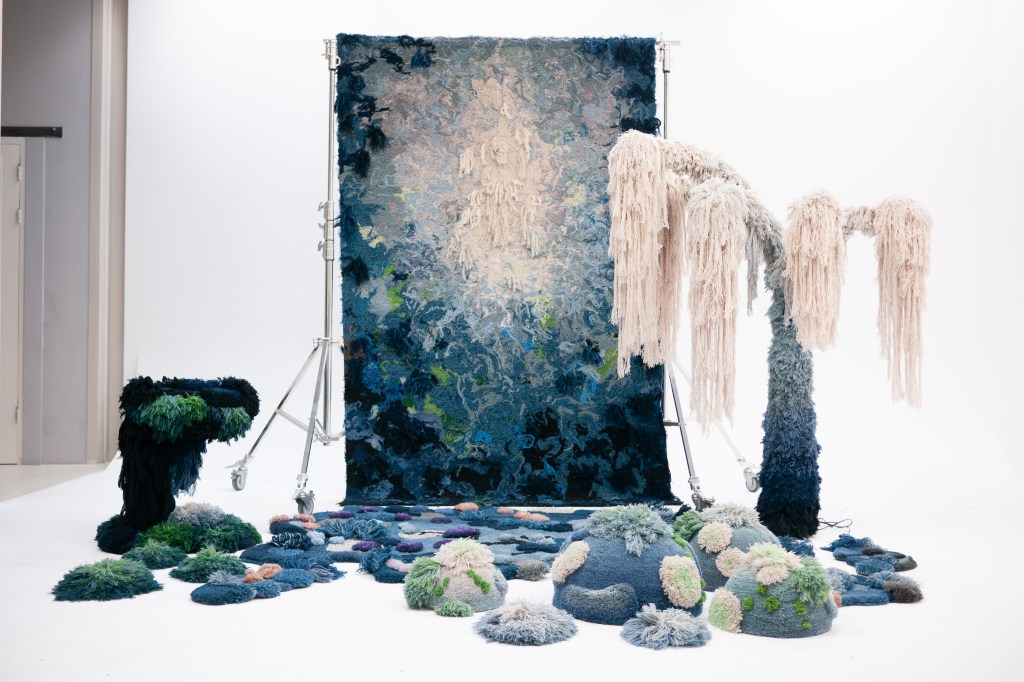
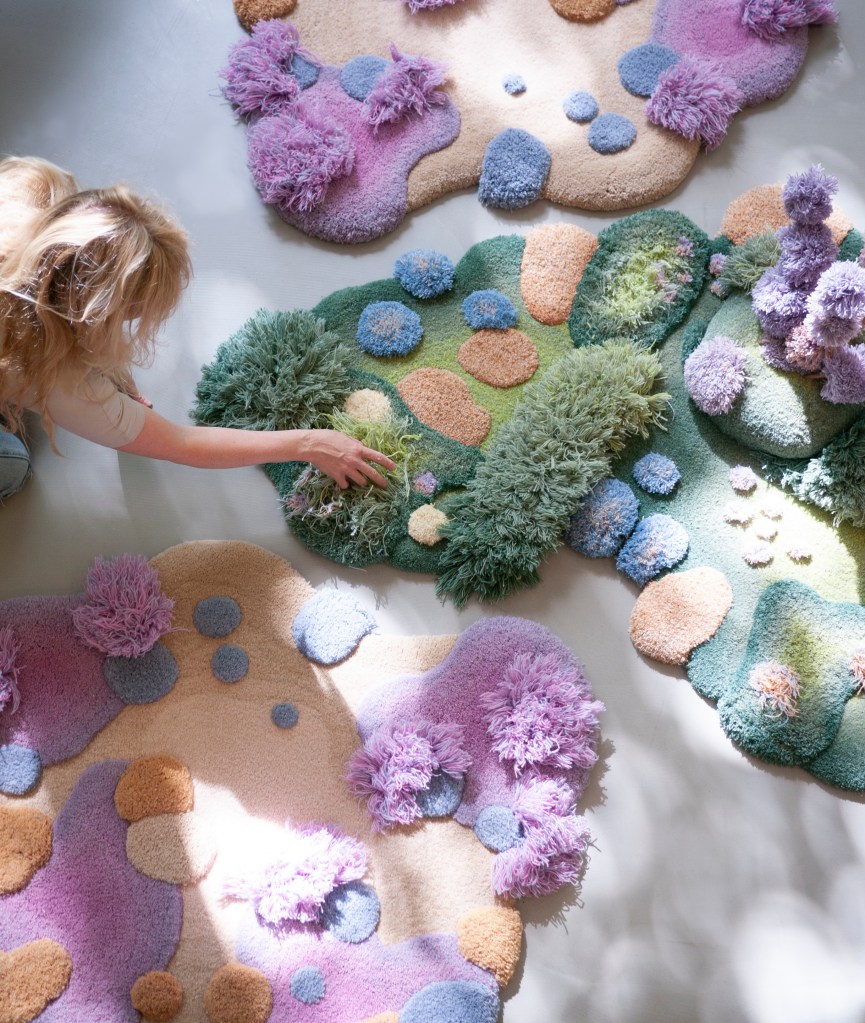
Alfhild Külper (1982, Sweden) is a multidisciplinary artist and designer based in Amsterdam, the Netherlands. With a background in avant-garde fashion and textile art, Külper explores the emotional and tactile dimensions of materiality. A graduate of Central Saint Martins, University of the Arts London, she spent a decade as Head of Design at Viktor & Rolf before establishing her independent practice in 2021. Her work combines traditional tufting techniques with 3D embroidery, transforming industrial textile waste into abstracted landscapes of memory and emotion.
What’s the first thing that inspired you to create — and does that source of inspiration still guide you today?
A need for a softer world. My art practice came out of a healing process. A strong longing for something physically and emotionally soft. The intense longing has gone from being a very personal experience, to my motivation and philosophy. My mission to make the world a softer place is getting more defined and conscious. My practice started from a need to pull myself out of a dark place, and to create the visual and emotional surrounding I wanted to live in. Since the world has overall become a place with quite some darkness, it feels even more important to show a possible path forward , a soft and kind path to walk with bare feet and feel the warmth through the soles of your feet.
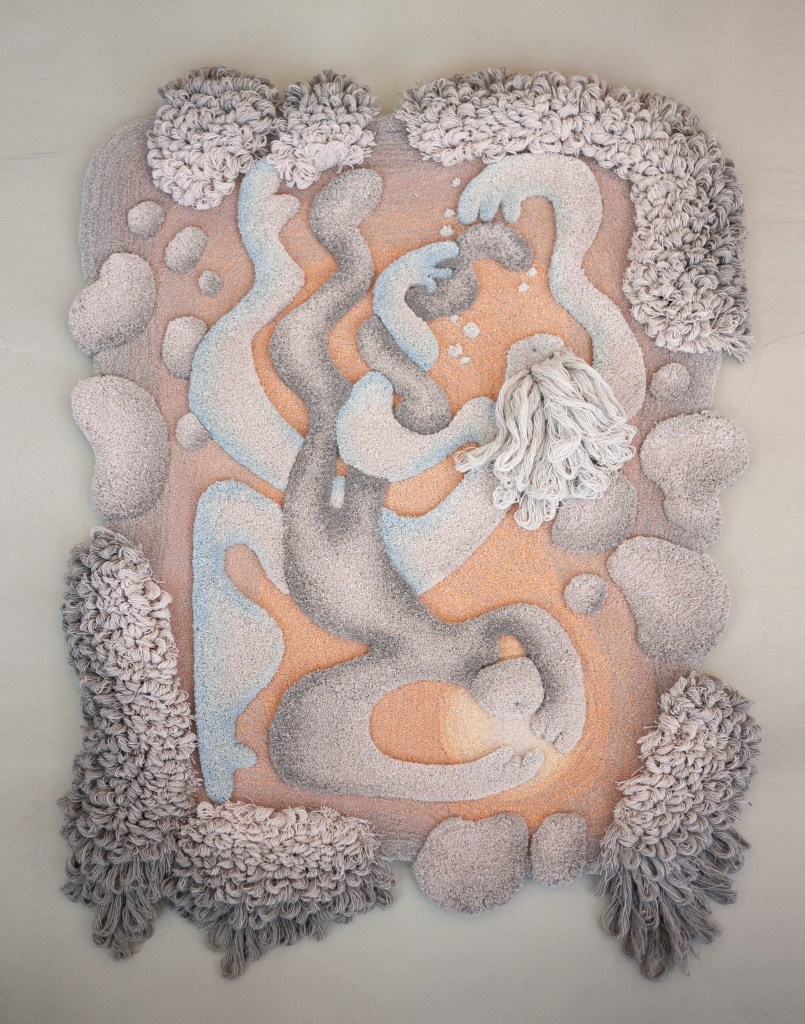
How would you describe your current work in three words?
As softness : physical ,emotional and philosophical
What role does emotion or intuition play in your creative process?
Softness has a lot to do with giving your intuition space and taking it seriously. Why would we have it if it wouldn’t be important? I like the spiritual feeling of it, like you are remembering something universal. Textile is also a very forgiving material to work in, if there is tear or rip, we embroider around it, much like a human life, we don’t throw it away and start from scratch. This way of working feels more kind, and very becomes playful by itself.
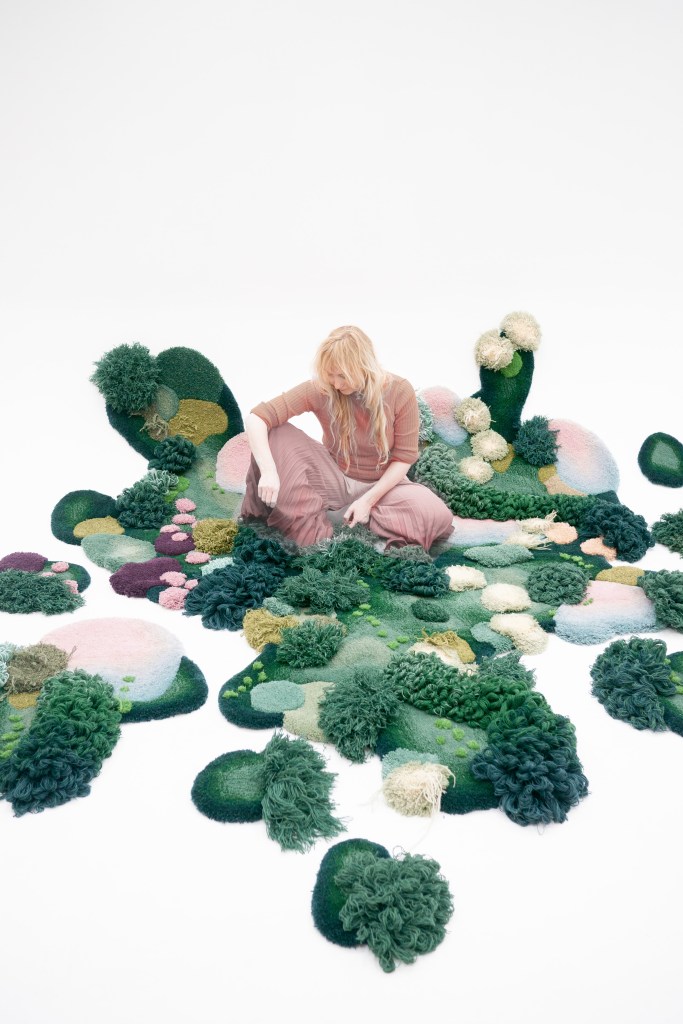
Where do you find beauty in the everyday?
I love those little moments of pureness, the childlike playfulness you find in any person or animal, when they feel completely safe. Most of us have it in the first moment when we wake up, for example. It’s so beautiful.

How do you balance tradition and experimentation in your practice?
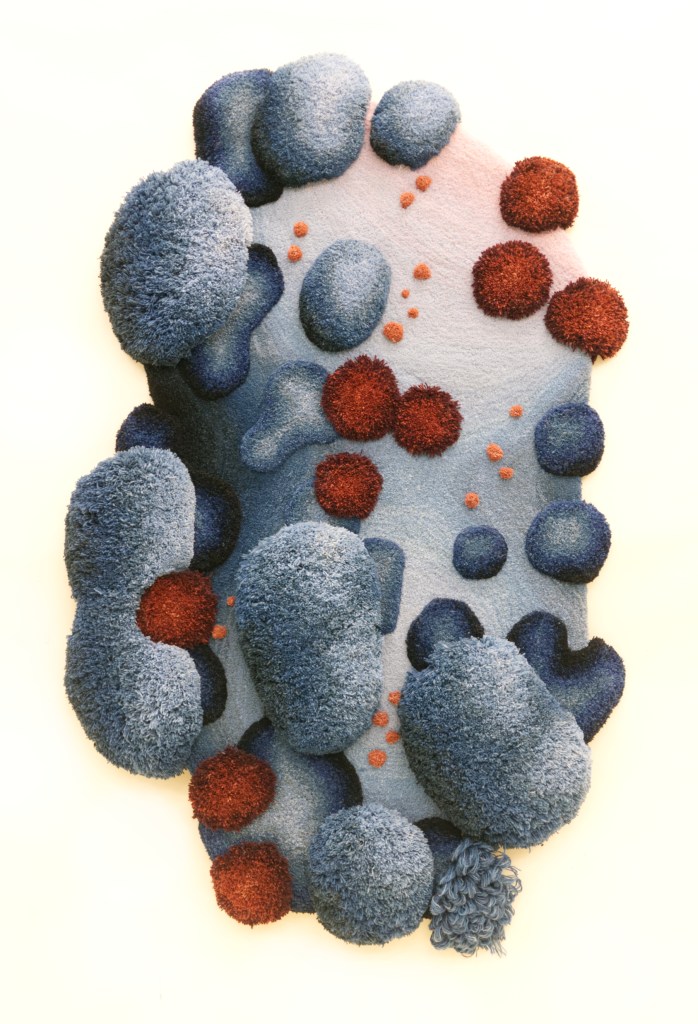
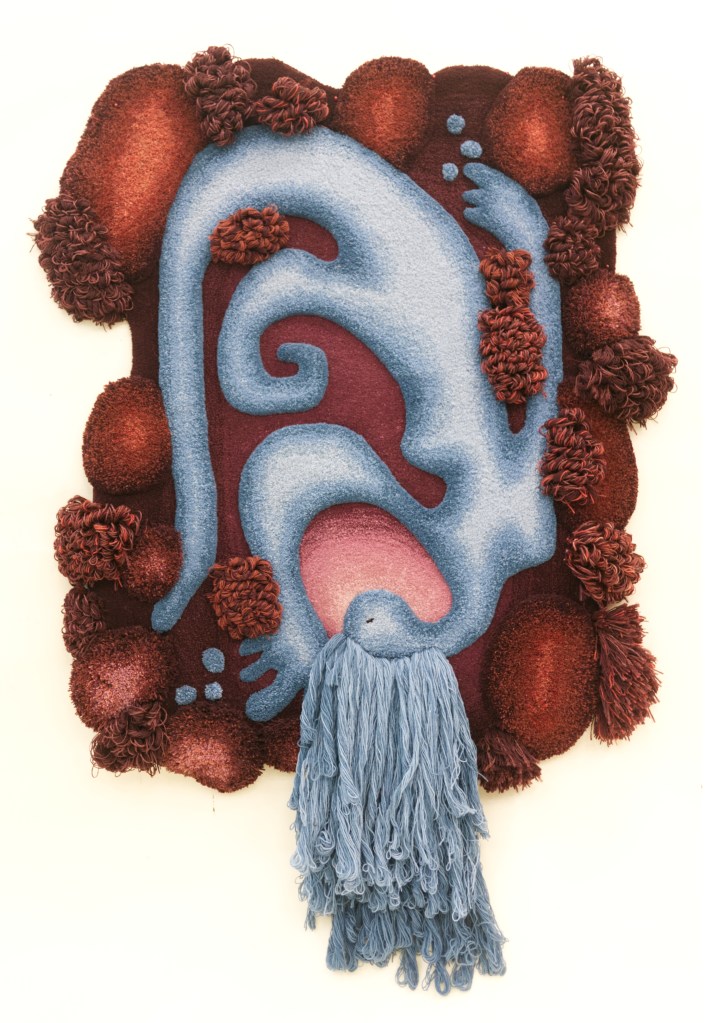
I use many traditional techniques and materials of tapestry making, but have also developed a lot of my own techniques as I continue pushing my medium. Making it more sculptural and layered, and finding techniques to use every last cut off. In the studio nothing goes to waste. Traditional tapestries often had long and complicated stories woven in. Some real, and some filled with fantasy. I like to tell the soft tales of this time, the beauty of this chaotic era and fluidity of it, the soft spots in our minds and our guardian angels and selves.
What’s one misconception people often have about your work or the art world in general?
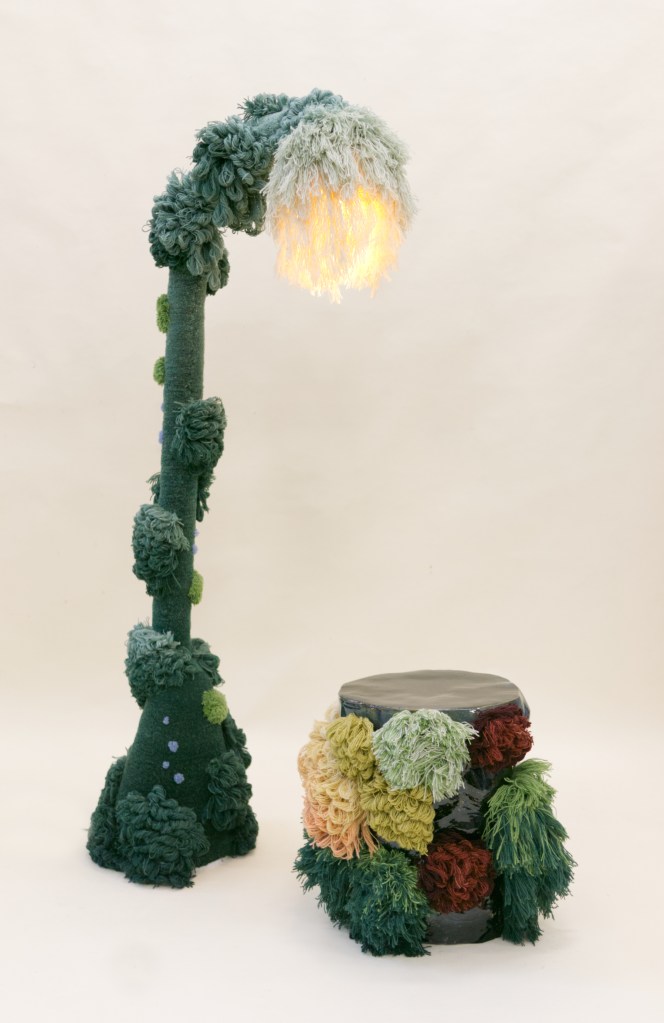
Maybe the intersection between art and design. For me, giving something a function in addition includes a certain humbleness.There is something so soft in having an art piece offering not only an emotion and story but also asking ‘what can I do for you to make it easier’. Even the wall tapestries offer excellent insulation and acoustic qualities. Less self centered. That is an attitude I would like to see a little more in the world, so I give it to my works.
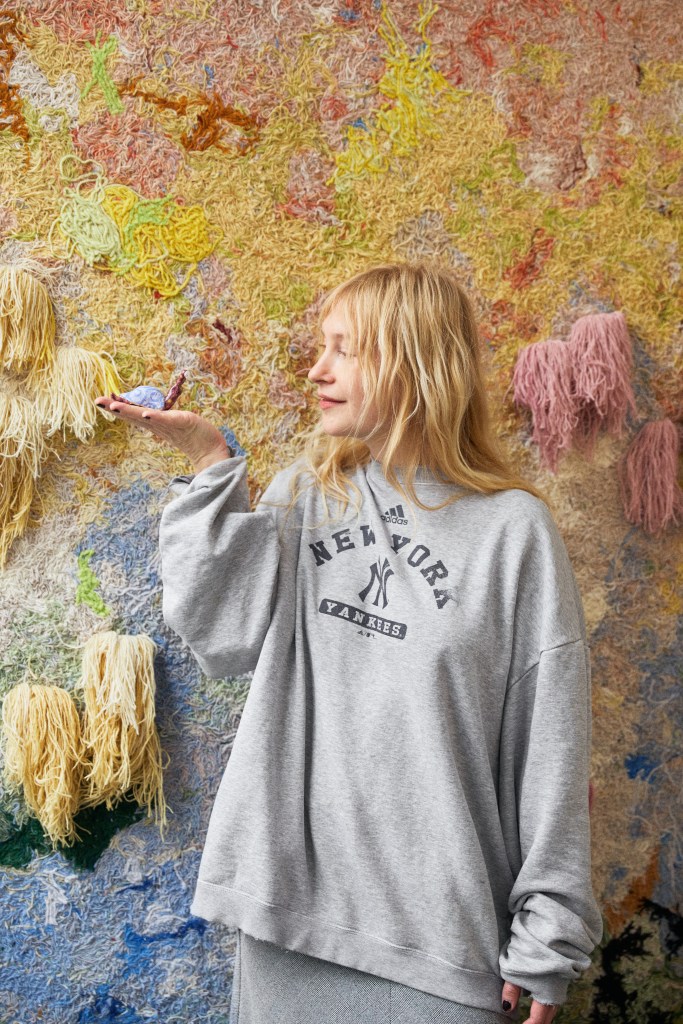
How has technology (or the digital world) changed the way you create or think about art?
A lot of my work is a counterpart to our digital lives. Art to be touched and cuddled with. But I use a drawing pad for sketching, I like to use very obviously digital brushes, and then translate that into the textiles. I think it builds a bridge in my work. I find technology and the digital world very fascinating and important. I find the contrast very interesting, how much we use it vs how skeptical we are. That makes me feel like there is a bigger evolutionary plan at play, feels spiritual somehow. What if it’s necessary training steps to global consciousness? Social media could be training for telepathy. TikTok is the closest thing to listening in someone else’s stream of thought. I like to make tapestries telling these warm possibilities, maybe they will be the tellings of this time, when our digital archives are lost.


If you could collaborate with any artist — living or dead — who would it be, and why?
Maybe Rudolf Steiner, I love his ideas of how to build spaces without straight angels to not entrap the mind. I think our closest environments influence our thinking so much. Would want to make spaces for more free and softer ideas. I would also love to collaborate with Daniel Schmachtenberger, a social philosopherwhose central focus is civilization building and sustainable evolution. It would be very interesting to build these soft worlds as portals for the future.
What do you hope people feel or think when they encounter your work?
I hope the healing qualities they have for me also transfers to the viewer. I hope it gives the calm and awe you get from being in nature. I hope they lay on or lean into the works as the wool will reflect your body heat back, making it feel like a hug from a living being. I hope it makes them feel safe, so that their eyes open a little wider and give them a moment of that child-like pureness. Seeing the softer solutions.
What’s next for you — any projects, dreams, or directions you’re excited to explore?
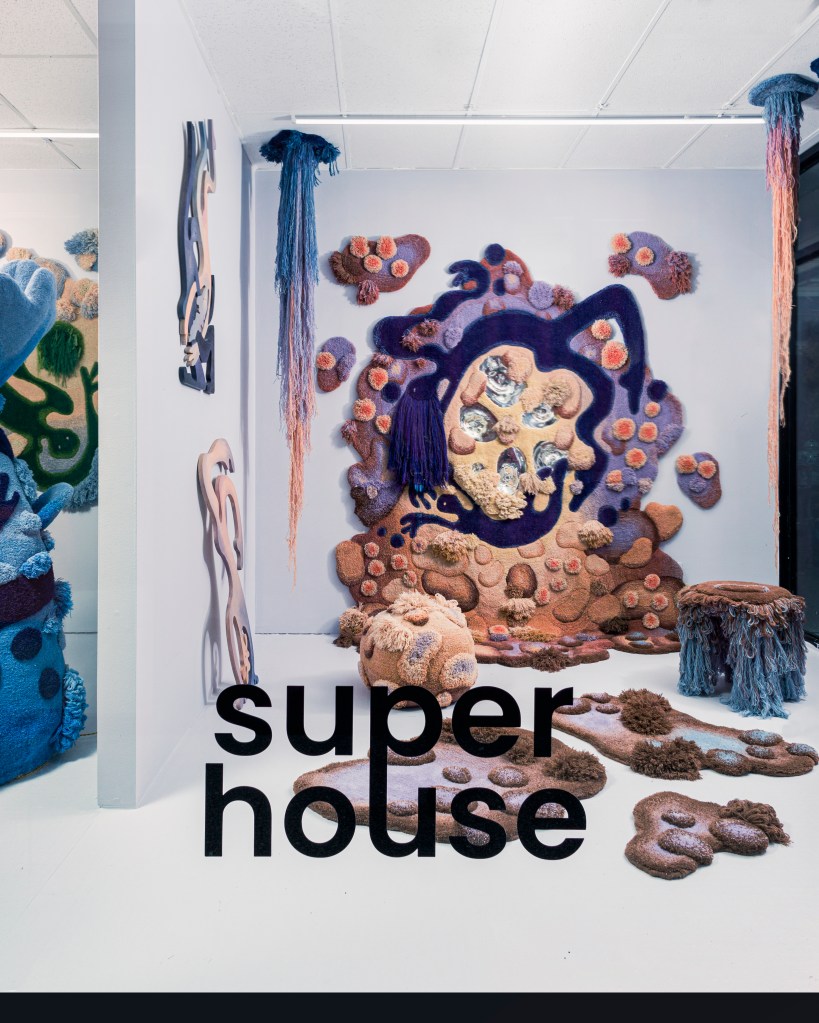
I would love to continue building soft and healing installations/ environments in places where they are needed, like hospitals and government buildings. I would also love to get a chance to tell a wider story of the soft soft worlds I’m building piece by piece.

 ART HUB
Leave a comment