
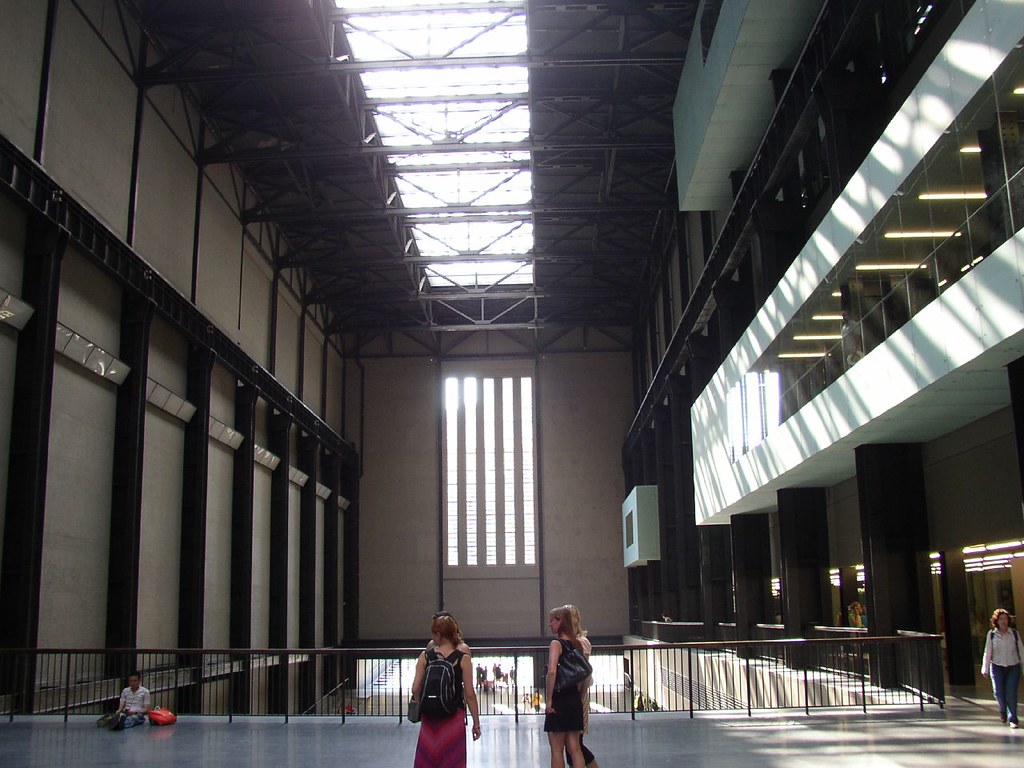
For more than two decades, Tate Modern has been a cultural beacon—a turbine hall-turned-social engine that reshaped how we think of museums. It wasn’t just a place to see art; it was a place to be. A space where students with sketchbooks mixed with tourists clutching flat whites, where the line between gallery and hangout blurred. For much of the 2000s and 2010s, that model made Tate the most-visited modern art museum in the world. It still holds that crown, ranking fifth among museums overall.
And yet the numbers tell a different story. Since 2019, Tate Modern’s annual attendance has dropped by 25%. The sharpest decline comes from a group once central to its identity: young Europeans. In 2019–20, 609,000 visitors aged 16–24 crossed the Channel to Tate. By 2023–24, that number had shrunk to 357,000. In four years, the museum has lost a quarter of a million young Europeans.
What happened?
The explanations are familiar, and they extend far beyond the walls of any museum.
- Brexit redrew the map of mobility. Studying in the UK became more expensive and bureaucratic. So did working, or even spending a gap year. The casual back-and-forth of youth culture across the Channel has slowed to a crawl.
- Covid hit at the worst possible time: universities locked down, nightlife evaporated, rites of passage were suspended. London’s “experience economy” lost momentum, and with it, the habit of cultural pilgrimage.
- The cost-of-living crisis pushed Gen Z and millennials to slash non-essential travel. Even as budget airlines return, the priorities of a more cash-strapped generation have shifted.
The data back this up. EU tourism to the UK overall is down 10% since the pandemic. Enrollment of EU students at British universities has collapsed—by as much as 64%. Net migration from the EU has fallen by 70% since 2016. The very demographic that once filled Tate’s Turbine Hall couches has simply stopped coming.
A different kind of competition
For Tate, the issue is not just about exhibitions. This has never been a museum that sold itself primarily through blockbuster retrospectives. Its real innovation was positioning itself as an urban stage: a civic platform where you could spend a Saturday without ever needing to “like” contemporary art. In this sense, the decline in young European visitors isn’t just about numbers. It’s about a breakdown in the social ecology that gave Tate its energy.
Meanwhile, domestic audiences have proven more resilient. Homegrown attendance is back at 95% of pre-pandemic levels. The “Tate Birthday Weekender” in July drew 76,000 visitors in three days, 70% of them under 35. The Tate Collective, its under-25 membership scheme, now counts 180,000 participants. British youth still claim the museum as their own.
But the comparison with Tate’s international peers is stark. The Louvre, the Pompidou, the Met—all have folded themselves seamlessly into global tourist itineraries. Their strength is their centrality to an international circuit. Tate’s strength was always different: being the place where young Europeans came to live, not just to visit.
The moral
Museums like to think their competition is each other—that Pompidou is fighting Tate, or Tate is fighting MoMA. But the real competition is with Ryanair tickets, student visas, and the cost of rent. Tate may still be the most popular modern art museum in the world. The question is whether it can remain the most relevant—especially to the generation that once made it feel alive.




 ART HUB
Leave a comment