
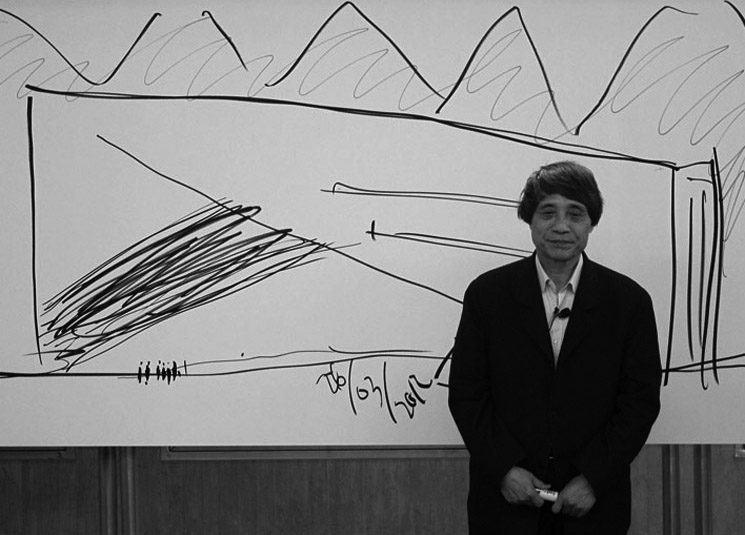
Tashkent is preparing to welcome a new cultural beacon: the National Museum of Uzbekistan, designed by the internationally acclaimed Japanese architect Tadao Ando. Scheduled to open in March 2028, the project promises to transform the capital into a major destination for art, history, and scholarship in Central Asia.
Planned for a site exceeding 8,500 square meters, the museum will combine traditional curatorial functions with contemporary cultural infrastructure. Alongside permanent and temporary exhibition halls, the building will house a public library, lecture spaces, classrooms, conservation laboratories, and a multifunctional auditorium—underscoring the institution’s role as both a research hub and a public forum.
The museum’s collection is among the most extensive in the region, comprising more than 100,000 works. Until now, however, only a fraction—approximately 2 percent—could be exhibited at any given time. The new complex will allow for far greater visibility of this rich heritage, spanning archaeological finds, Islamic art, fine arts, and applied crafts.
Ando’s involvement signals not only an architectural milestone for Uzbekistan but also a moment of global cultural dialogue. Known for his refined use of concrete, interplay of light and shadow, and contemplative spatial compositions, the Pritzker Prize laureate is expected to bring his signature balance of restraint and drama to Tashkent’s urban landscape.
The National Museum of Uzbekistan aims to anchor the country’s cultural identity on an international stage, offering both residents and visitors unprecedented access to its artistic legacy. When it opens its doors in 2028, the institution will stand as a testament to the region’s past and a bold investment in its cultural future.

 ART HUB
Leave a comment