
Jeddah is a city that doesn’t just open its doors, it invites you in, offering a seat at its table, a conversation in its streets, and a space to simply be.
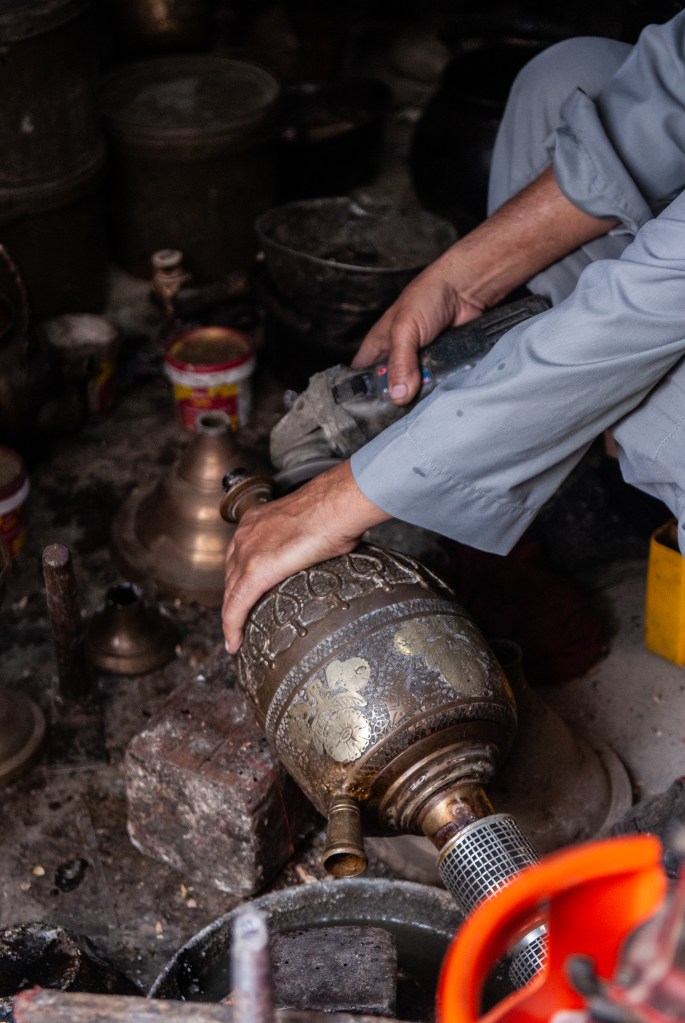
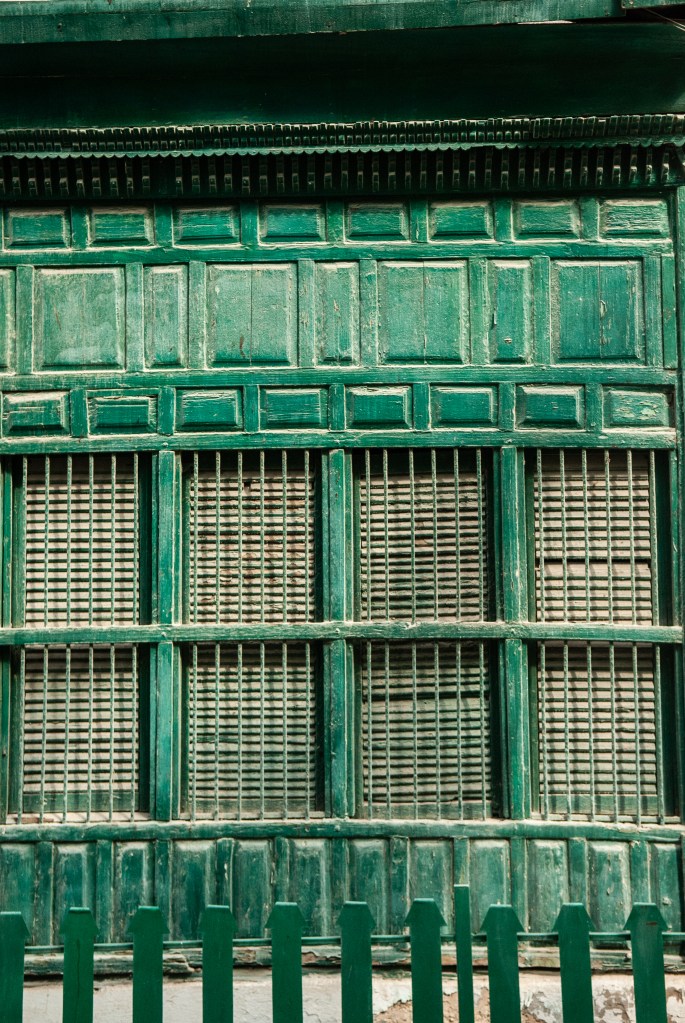
As we wandered through Al-Balad, Jeddah’s historic heart, we found ourselves spellbound. The labyrinthine alleys, lined with ancient wooden doors and latticed al-Rawashin windows, exuded stories of centuries past.
Shopkeepers greeted us with warm curiosity, artisans bent over their craft, carving, weaving, painting, while the rich aroma of cardamom-laced coffee drifted through the air.
Our journey was not just about observing, it was about immersing ourselves. Inspired by American photographer Charles H. Traub, whose work revolves around meaningful interactions, we embraced his approach of playful engagement. Instead of passively capturing images, we connected.
We met Josef, the proud owner of a spice shop, who let us in on the secrets of his fragrant blends. In a nearby bakery, a Pakistani baker with his hands dusted with flour, posed with a quiet dignity, a testament to the labor and love behind his craft. And on a bustling street corner, women from Souq Al-Badu exchanged glances, their expressions holding the weight of stories untold.
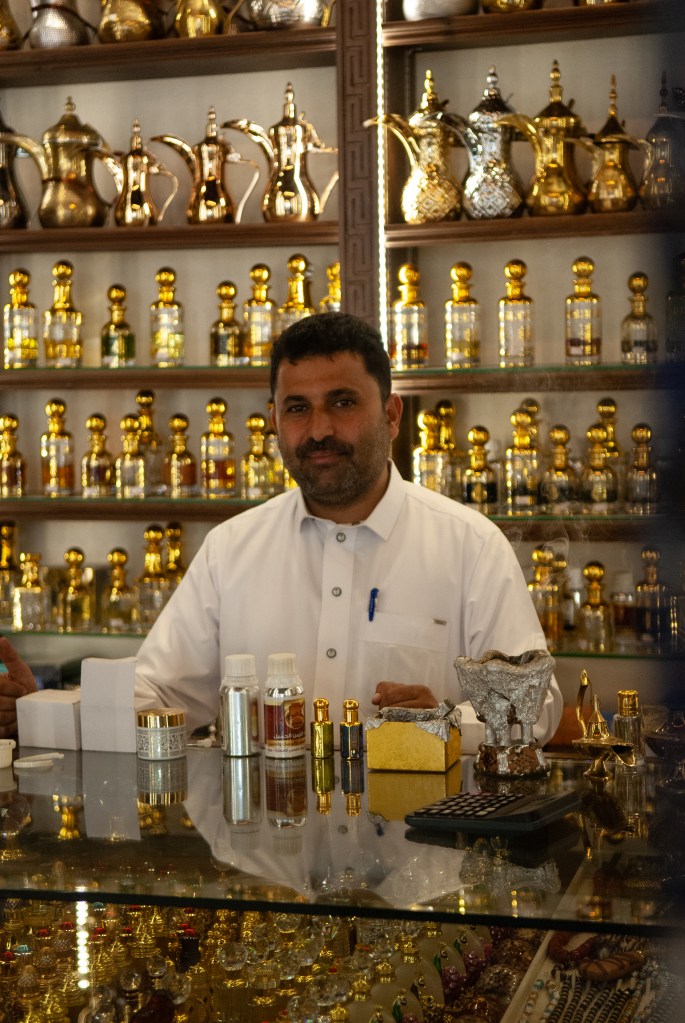
Traub once said, “If one asks, people are delighted to be noticed, to be recognized, to be, if you will, preserved by the camera’s witness.” And in Jeddah, this truth echoed in every interaction, in every moment where human connection transcended cultural boundaries.

Jeddah by Night: Where the City Comes Alive
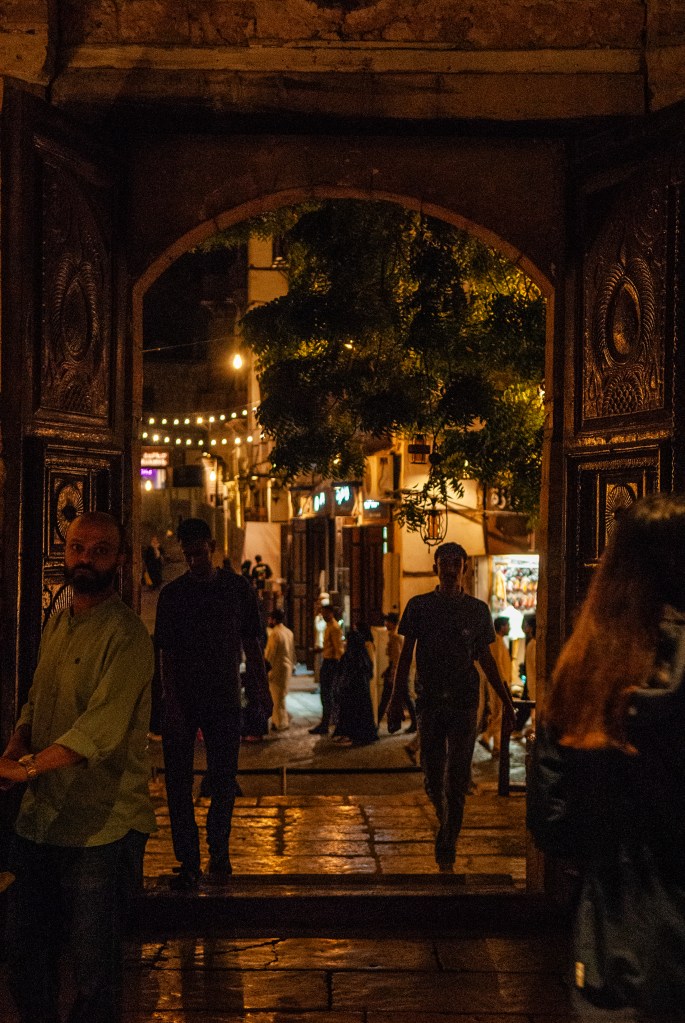
It was in the evenings, however, that Jeddah revealed its most captivating self. As the sun dipped below the horizon and the temperature softened, the city stirred to life. Families emerged from their homes, and Al-Balad transformed into an open-air salon, an intersection of past and present, tradition and spontaneity. Under the gentle glow of string lights, people gathered, not just to eat or shop, but simply to exist together.
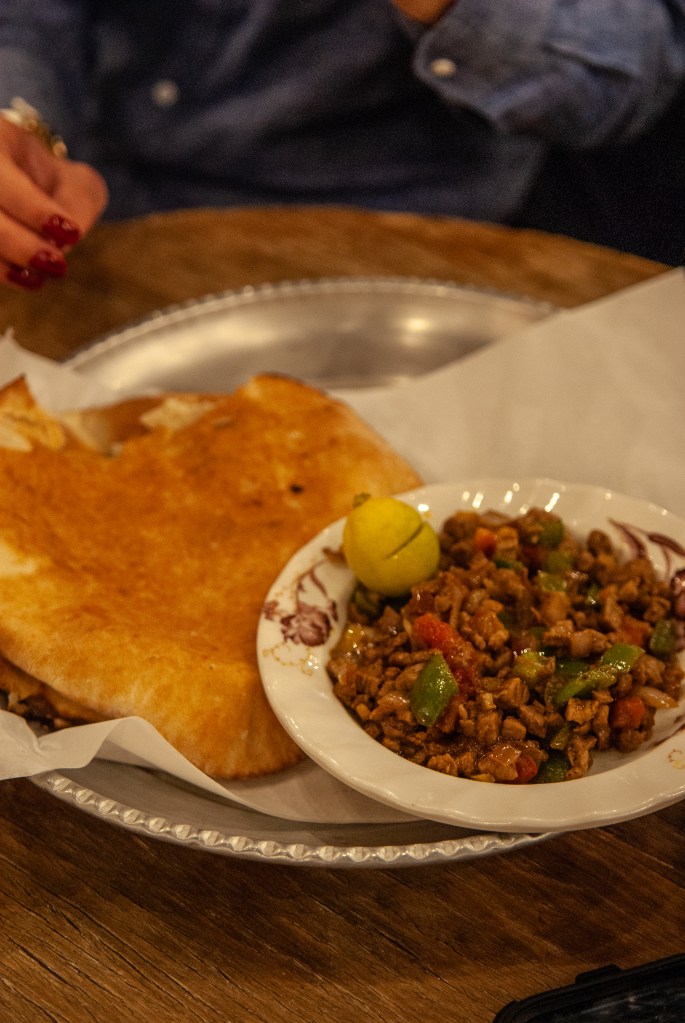

There was something profoundly familiar about these scenes, something that stirred a nostalgic longing deep within us. It reminded us of southern Europe, the warm summer nights in Italy, Spain, Croatia, Greece, where the air remains thick with the scent of the sea and the streets hum with life long after dusk.
Children ran freely, their laughter ricocheting off old stone walls. Elders sat unhurriedly, playing chess or simply observing the world go by. There was an unspoken rhythm, a universal language of community, one we had known before but were now rediscovering in an entirely new setting.
And then, there were the chairs.
The Chairs of Jeddah: A Silent Invitation
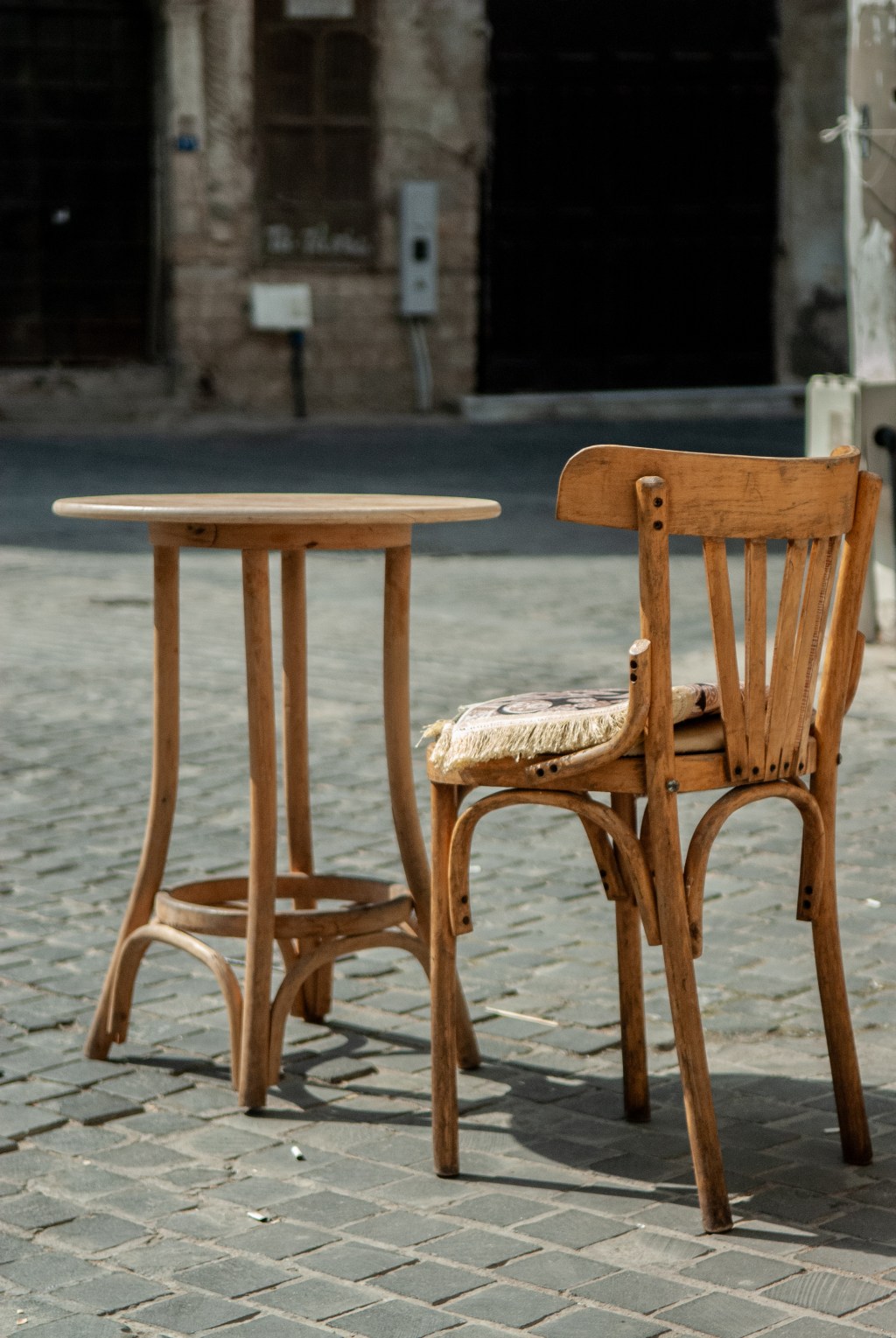
Scattered across the city, at street corners, in front of small shops, under canopies of bougainvillea, were old wooden chairs.
They were more than just objects; they were silent invitations. A seat for the tired traveler, a pause for the watchful elder, a moment of reflection for the artist. They asked for nothing but presence.
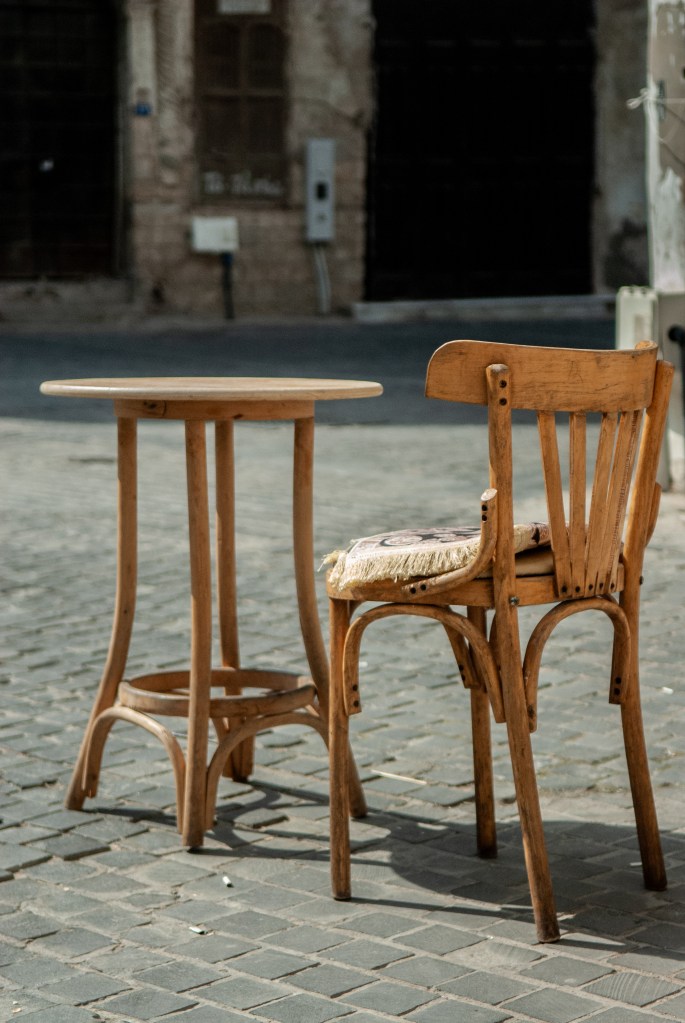
Chairs have long held a certain poetic weight in art and philosophy. From Doris Salcedo’s evocative installations to Tadashi Kawamata’s transformative works, chairs represent both solitude and community, absence and connection. In Jeddah, their presence spoke volumes without uttering a word.
A City in Creative Transformation
Jeddah’s artistic spirit extends beyond its historic district. It is a city in motion, redefining itself through contemporary creativity.
At ATHR Gallery, one of the country’s leading contemporary art spaces, we found a fusion of past and future. The exhibition A Muslim Man by Rami Farook resonated deeply, mirroring our own shifting perceptions. Through striking portraits and intimate vignettes, Farook challenges the stereotypes of Muslim men, revealing instead a world of tenderness, devotion, and complexity.
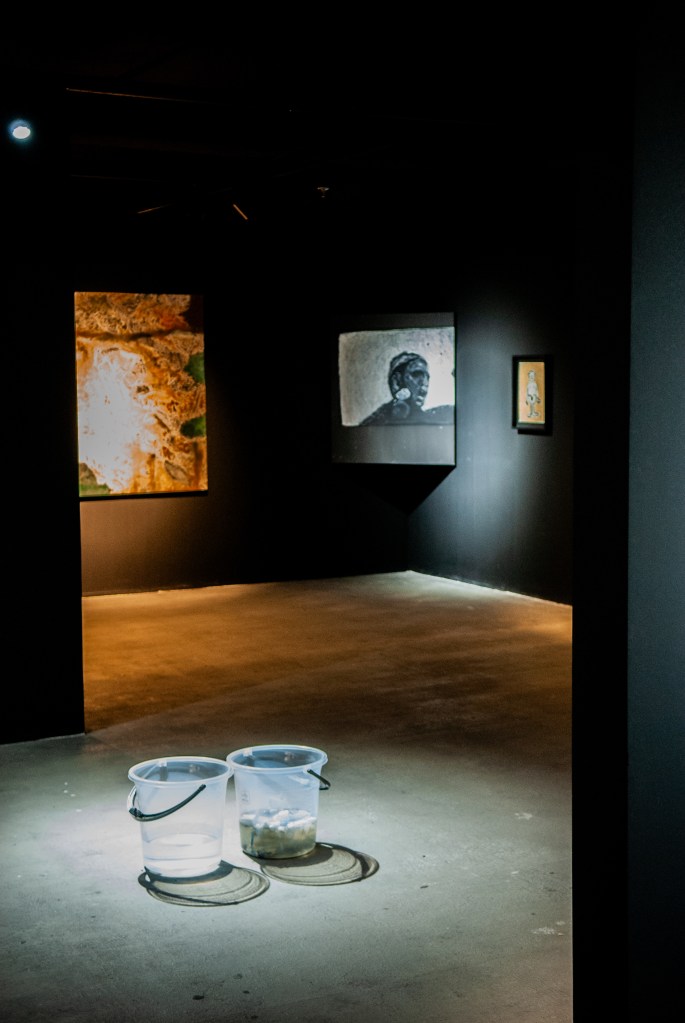
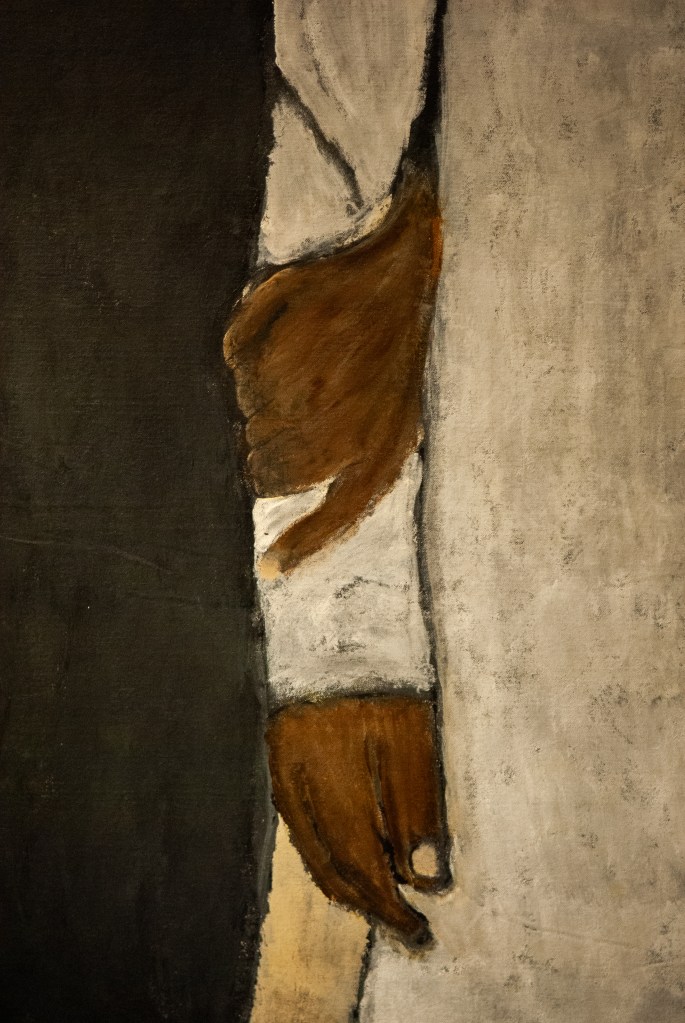
“Muslim men, like individuals from any other group, are diverse and cannot be generalized based on religion alone,” he states. His work made us reflect, not just on our own preconceived notions, but on the power of art to bridge understanding.
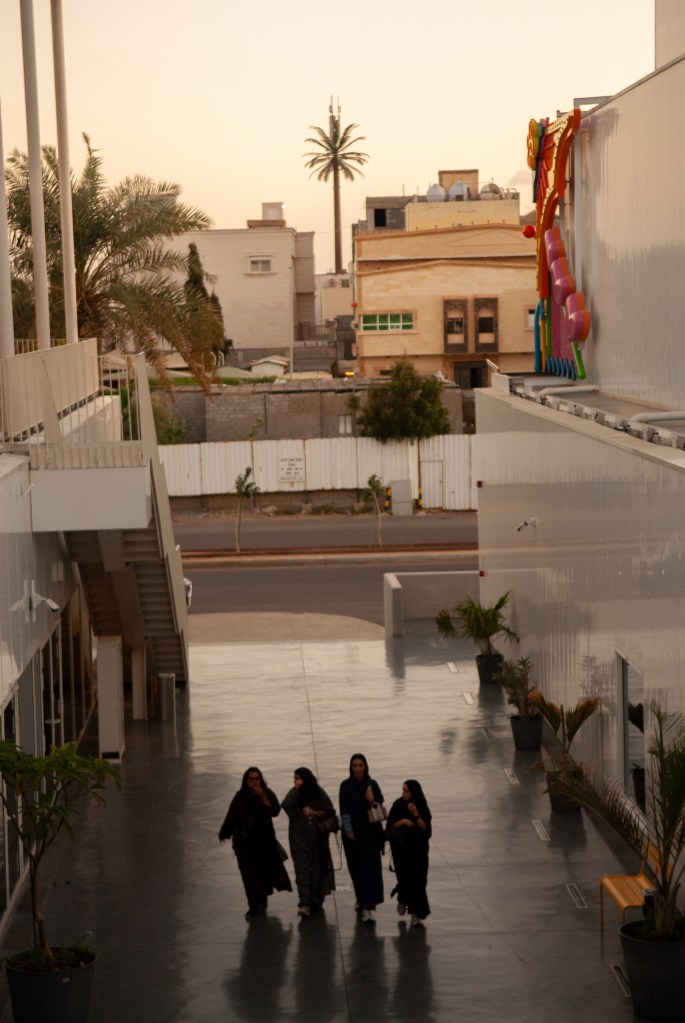
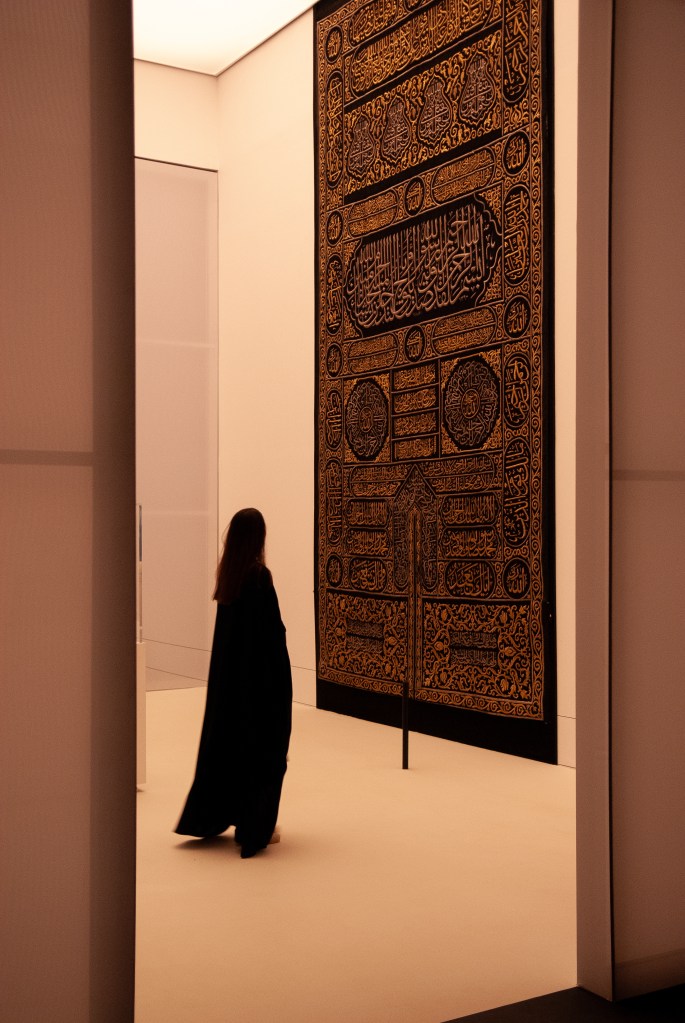
We also explored Hayy Jameel, Jeddah’s newly opened multidisciplinary arts complex, a thriving hub of creativity. Here, the city’s contemporary identity is taking shape through exhibitions, independent cinema, and community-led initiatives.

And at the Diriyah Biennale Foundation, Saudi Arabia is staking its claim on the global art stage, curating conversations that connect its deep-rooted heritage with contemporary voices.
The Universal Language of Connection
Jeddah is not just a place, it is an experience, a conversation between past and future, the familiar and the unexpected.
It is found in the brushstrokes of its artists, the laughter of its children, the silent wisdom of its elders. It is felt in the night air, in the chairs waiting on street corners, in the eyes of a shopkeeper who pauses to share a story.
And it reminds us of something we often forget in our fast-moving world:
The simple, profound art of being.

Reference

 ART HUB
Leave a comment