
Chemnitz, the third-largest city in Saxony, has received a unique honor for the year 2025 – the title of European Capital of Culture. This is one of the oldest and most prestigious distinctions granted to cities in Europe, offering them a chance to showcase their history, culture, heritage, and artistic achievements on an international stage. Although for many years Chemnitz was seen as an industrial city with an unappealing tourism image, the changes that have taken place in recent decades, as well as initiatives linked to the European Capital of Culture, could transform its image. With over a thousand planned events, Chemnitz promises not only the discovery of new areas of art and culture but also the revival of local traditions that have long remained in the shadows. The slogan “C the Unseen” invites visitors to explore the unknown, forgotten, and underappreciated treasures of the city, which have often been overlooked by tourists and researchers. These events offer the perfect opportunity to examine not only the city’s industrial development but also its unique cultural, artistic, and historical resources, which will now gain their rightful place on the European cultural map.

From Settlement Beginnings to Modern Cultural Capital
The history of Chemnitz dates back to the 12th century, when in 1136, a Benedictine monastery was founded, marking the beginning of a Slavic settlement that began to grow along the Chemnitz River. It was during this period that the first markets were organized, contributing to the city’s development. By the end of the 13th century, the region came under the rule of the Wettin dynasty, which led to further growth, especially in textile production. The development of textiles in the 16th century made Chemnitz one of the most important trade centers.
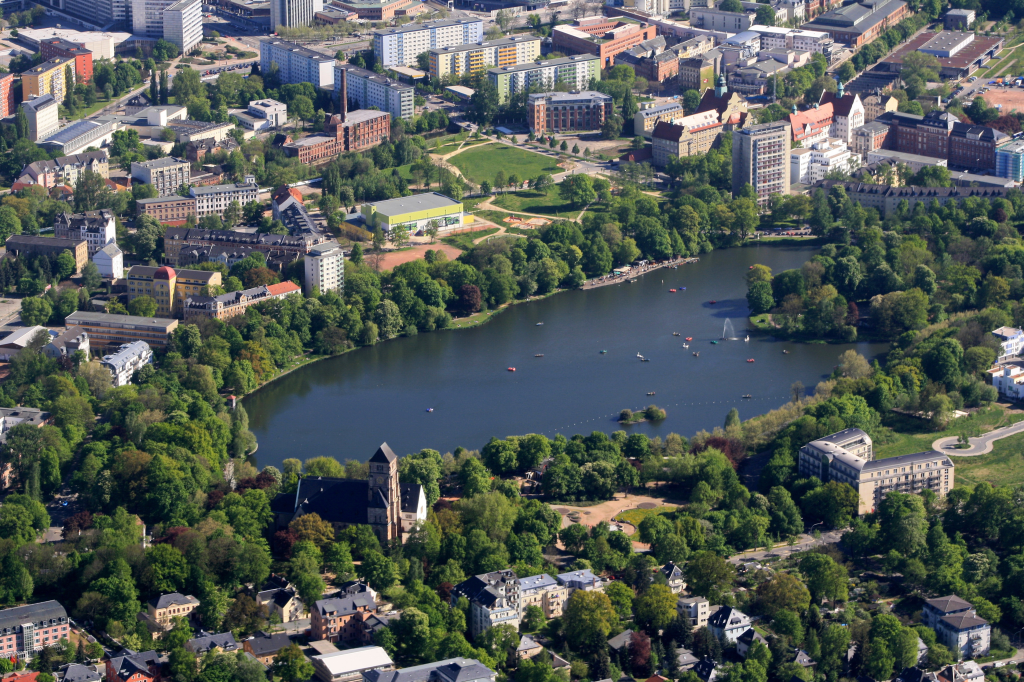
After the destruction caused by the Thirty Years’ War, the Seven Years’ War, and the Northern War, the city began rebuilding in the 18th century, becoming one of the wealthiest cities in Germany. Many buildings from this period still contribute to the visual strength of Chemnitz today. It was here, in the 19th century, that the industrial power of the city took off – textile mills, machine factories, and later innovative steam engine production projects were established. These industrial beginnings are still visible in the city’s architecture and museums, such as the Industrial Museum, which captures the city’s development as an industrial center.
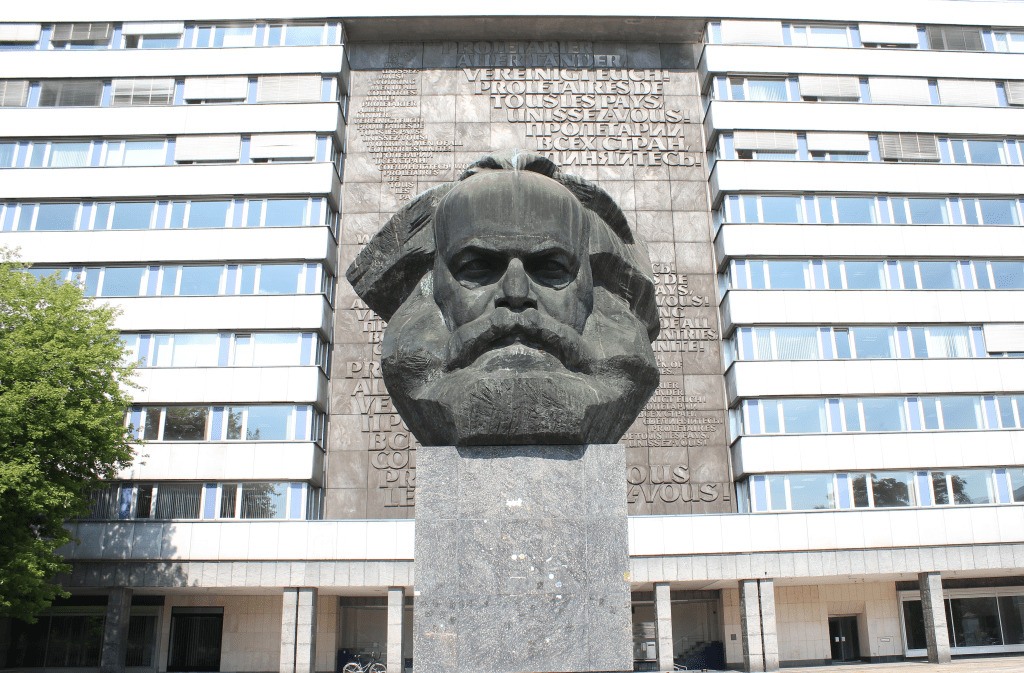
After World War II, Chemnitz was located in the Soviet zone, where it was decided to commemorate Karl Marx, after whom the city was renamed Karl-Marx-Stadt. During the era of the German Democratic Republic (GDR), the city symbolized German socialism, and the statue of Karl Marx still stands as a reminder of that period, being one of the largest and most recognizable monuments of its kind in the world.
Chemnitz Architecture
Chemnitz is a city that, on the one hand, prides itself on monumental buildings that testify to its turbulent history, while on the other hand, it bears witness to architectural evolutions influenced by movements such as Art Nouveau and Modernism. One example is the Town Hall, which combines medieval tradition with modernity – the older part, built at the end of the 15th century, retains Renaissance details, while the new part, built in the early 20th century, is decorated with floral motifs and Art Nouveau bas-reliefs.
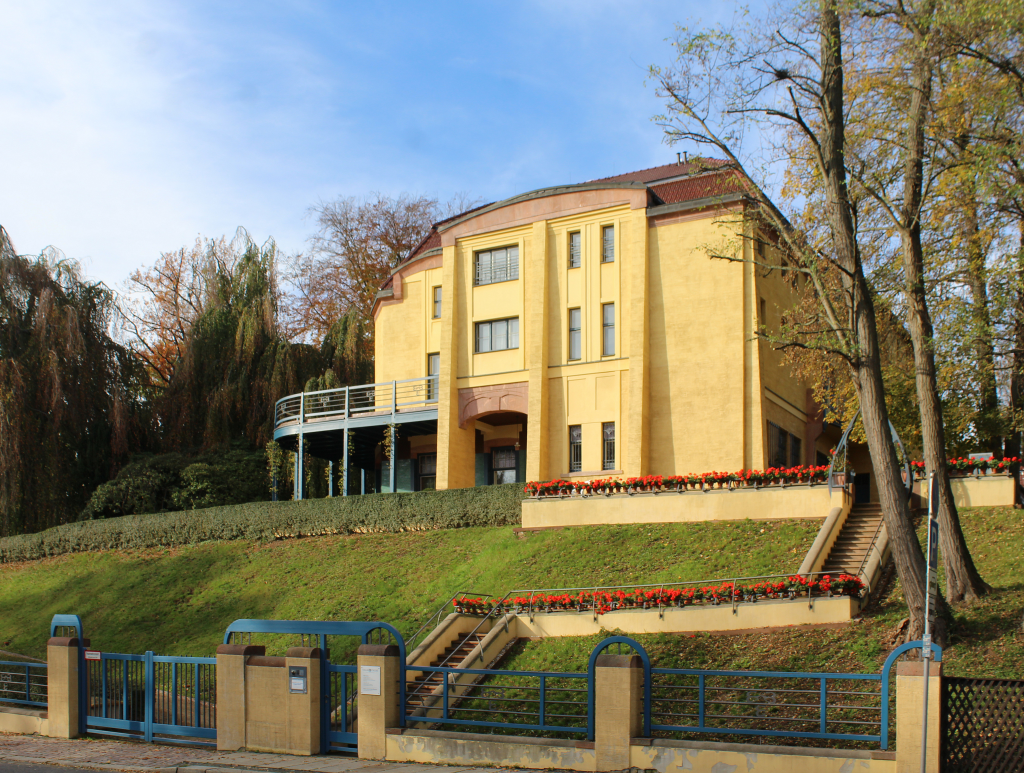
The Esche Villa, designed by Henry van de Velde, is another example that captures the spirit of the era. Serving as a place for art and design, it has also become home to the Henry van de Velde Museum, allowing visitors to experience the artist’s original works and exceptional interior design. Chemnitz continuously lives with its industrial past – historic factories, such as the Wanderer plants, attract attention with their imposing halls and monumental towers.
Chemnitz as a City Full of Art

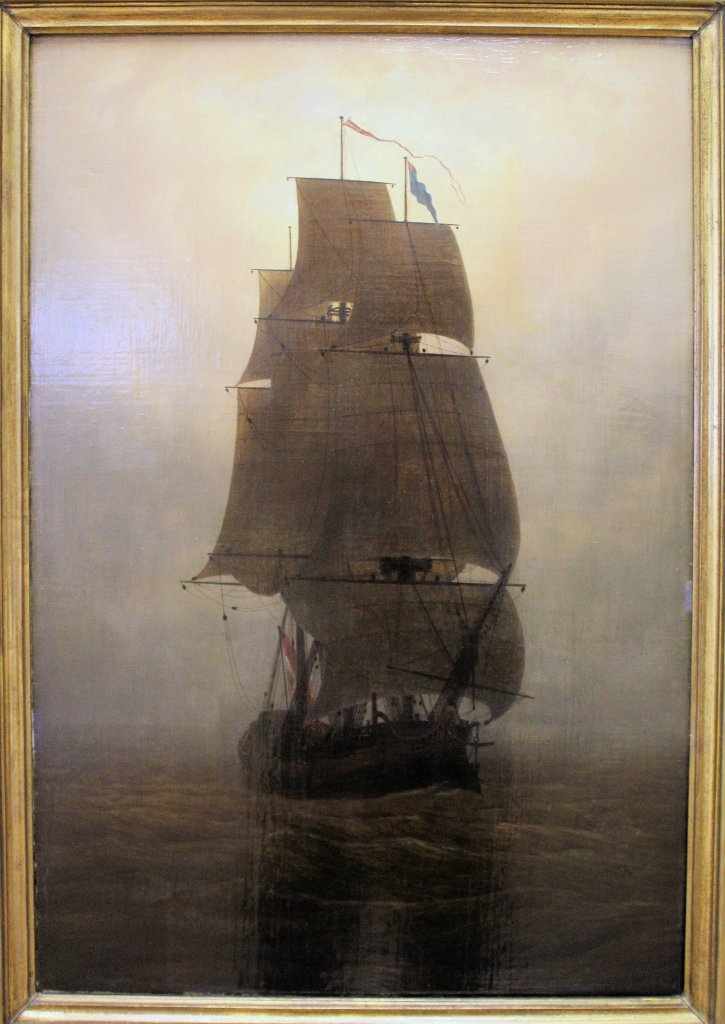
With the title of European Capital of Culture, Chemnitz has the opportunity to present its rich artistic heritage. At the Kunstsammlungen Chemnitz, one of the region’s most important museums, visitors can admire works by some of the most outstanding figures of German Expressionism, such as Karl Schmidt-Rottluff, who was born in Chemnitz. In 1905, together with Ernst Ludwig Kirchner, Fritz Bleyl, and Erich Heckel, he co-founded the group “Die Brücke” – one of the most important avant-garde movements in Germany, which had a significant impact on the development of German Expressionism and contemporary art. At the Kunstsammlungen Chemnitz, one can see his striking, emotionally charged works that convey the intensity of his artistic explorations and the harsh reality in which he lived and created.
Another important museum in the city is the Gunzenhauser Museum, which houses one of the largest collections of works by Otto Dix, one of the most prominent German artists of the 20th century. Dix, fascinated by the brutal reality of war, was one of the leading representatives of the so-called “new objectivity,” resulting in paintings filled with brutality and irony. His works, such as “Army,” “Destruction of the City,” and “Portrait of the Artist with His Wife,” reveal the horrors of war, transforming them into artistic reflections on the human condition. In Chemnitz, one can also admire a collection of drawings and prints depicting life in Germany after World War I, providing insight into the shocking aesthetics of this period.
The city is also home to collections of works by Max Slevogt, one of Germany’s most outstanding painters and illustrators, whose contribution to the history of German art is invaluable. Chemnitz also houses works by Helena Funke, whose paintings are filled with subtle emotions, as well as sculptures by Edgar Degas and Auguste Rodin, which continue to fascinate art lovers across Europe.
Chemnitz is not only a place where priceless works of art are collected, but also a space where art has the chance to thrive anew. In 2025, an exhibition titled “Purple Path” is planned, with the idea of displaying sculptures and art installations in public spaces. This exhibition, which aims to evoke the region’s industrial heritage, will feature artworks placed at various locations around Chemnitz, creating an artistic path that invites visitors to discover the city from a completely new perspective. Such a project has the potential to attract not only art lovers but also those interested in the history of industry and its influence on the social and cultural development of the region.
Cultural Events in Chemnitz
The year 2025 is fast approaching, and the official opening of the European Capital of Culture celebrations in Chemnitz is scheduled for January 18. The program, prepared with an emphasis on connecting art and history, includes exhibitions such as “European Realities” at the Gunzenhauser Museum, showcasing artistic realism in the context of contemporary challenges. Another important exhibition to take place at the Chemnitz Art Collections is “Fear,” dedicated to Edvard Munch, which will offer an opportunity to analyze the most characteristic themes of Munch – fear, loneliness, and existential anxieties.

One event that will surely attract the attention of tourists and art lovers is the public Art and Sculpture Path “Purple Path.” This is a unique opportunity to explore art in its natural context while walking through Chemnitz, discovering works of art in places connected to the region’s industrial past. The art installations and sculptures placed in public spaces are designed not only to enrich the urban environment but also to connect with Saxony’s mining heritage, presenting the stories of people, crafts, and industry.
The Transformation that Will Change the City’s Image
For Chemnitz, the title of European Capital of Culture is not only an opportunity for cultural promotion but also a challenge in terms of sustainable tourism development. The city, which for a long time was not on Germany’s tourist map, now has a chance to undergo a true transformation. These changes will not only include the development of the cultural offer but also the creation of new urban spaces that will attract tourists and investors, thereby supporting the local economy. With the title of European Capital of Culture, Chemnitz will have the opportunity to showcase its previously undiscovered treasures, offering a rich array of artistic events, festivals, and exhibitions that will not only enrich the city’s cultural offer but also attract art lovers from all over Europe.
Artistic events, exhibitions, festivals, and the Art and Sculpture Path will provide an excellent opportunity to rediscover the city – both for residents and tourists from all over the world. As part of the European Capital of Culture celebrations, Chemnitz will not only present its museum collections but also public spaces that will become venues for interactive artistic experiences. The city is preparing to welcome artists and tourists by offering a wide range of events that will be both traditional and innovative. Public art installations, modern art exhibitions, and interactive festivals are examples of events that will encourage deeper reflection on the place of art in the contemporary world.
Contemporary Chemnitz is a city that is aware of its industrial past but is also open to a modern approach to development. An important aspect of these transformations is the focus on sustainable tourism development, which aims not only to promote the city but also to protect its heritage. The city is focusing on eco-friendly tourism, creating public spaces that promote relaxation, and developing transportation infrastructure to provide tourists with easy access to cultural attractions. With these efforts, Chemnitz has the potential to become a city that not only attracts tourists but also engages its residents in the process of creating a modern cultural metropolis.
Chemnitz, which for centuries has been a witness to many historical upheavals, is now on the threshold of a new era as a city of art and culture. With the title of European Capital of Culture, the city gains a unique opportunity for further development that will be based on its history, identity, and modern artistic trends. All of this creates the foundation for further transformations aimed at attracting tourists, artists, and investors, as well as improving the quality of life for residents. Chemnitz has the chance to become a symbol of a city that successfully blends the past with the future.

 ART HUB
Leave a comment