
I believe I can approach the Polish art market from a dual perspective: as an insider, representing Kantor Sztuki Gallery from Łódź, and as an outsider, having lived abroad and worked for an international art fair in London. This unique combination allows me to navigate the Polish art scene with both an understanding of its intricacies and the fresh perspective of someone who has experienced international art markets.
In this article, I reflect on the 21st Warszawskie Targi Sztuki (Warsaw Art Fair) through these dual lenses, enriched by insights from Jakub Fijewski, owner of Fijewski Gallery. Together, we delve into the fair’s highlights, its impact on the local art market, and its promising potential on the international stage.
Warsaw Art Fair: A Look Inside the Evolving Polish Art Scene
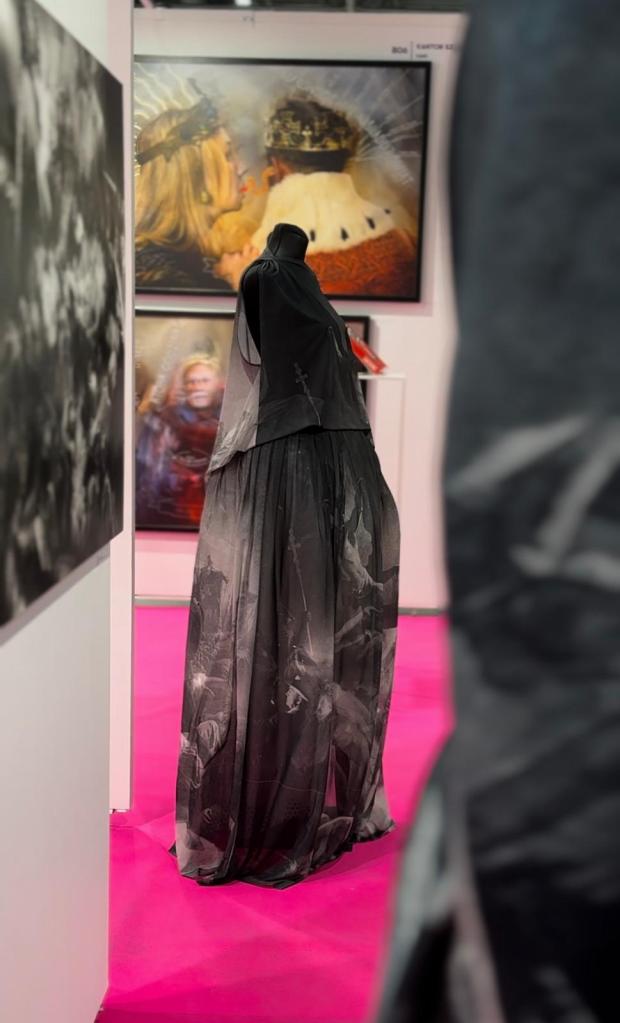
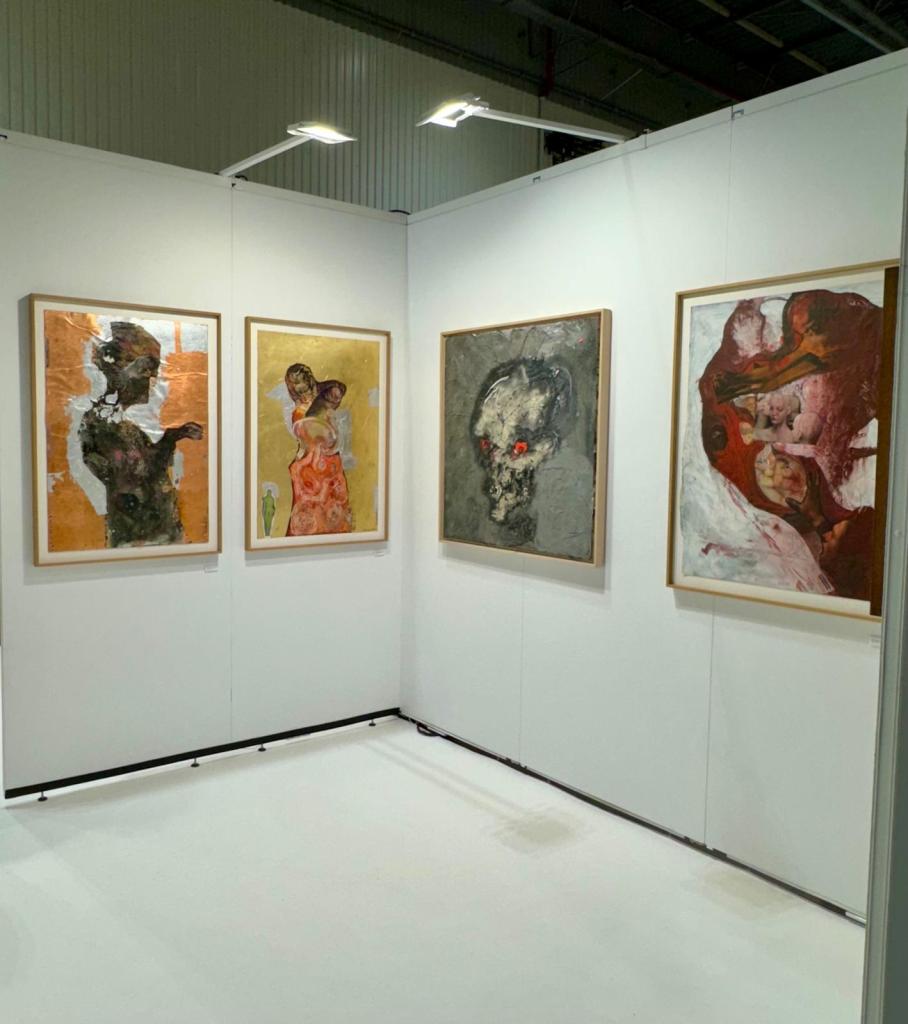
The 21st edition of the Warsaw Art Fair, held on November 23–24, 2024, at EXPO XXI Hall, proved a vibrant showcase of Polish art’s growing potential, attracting over 11,000 visitors and nearly 120 exhibitors. Returning as an exhibitor (gallery Kantor Sztuki) for the second year, I immediately noticed significant improvements compared to the previous edition: the change of location, the relocation of the bar area, and the introduction of wider alleys all contributed to a more refined visitor experience.
Conversations with the organizers highlighted their efforts to improve the selection of galleries and encourage curated presentations, an important step in moving beyond the “Salon style” of simply crowding artwork together, a practice dating back to the French Royal Academy in the 1670s. While international art fairs, particularly in London, have largely outgrown this approach, Warsaw is still finding its footing in balancing aesthetics of presentation.
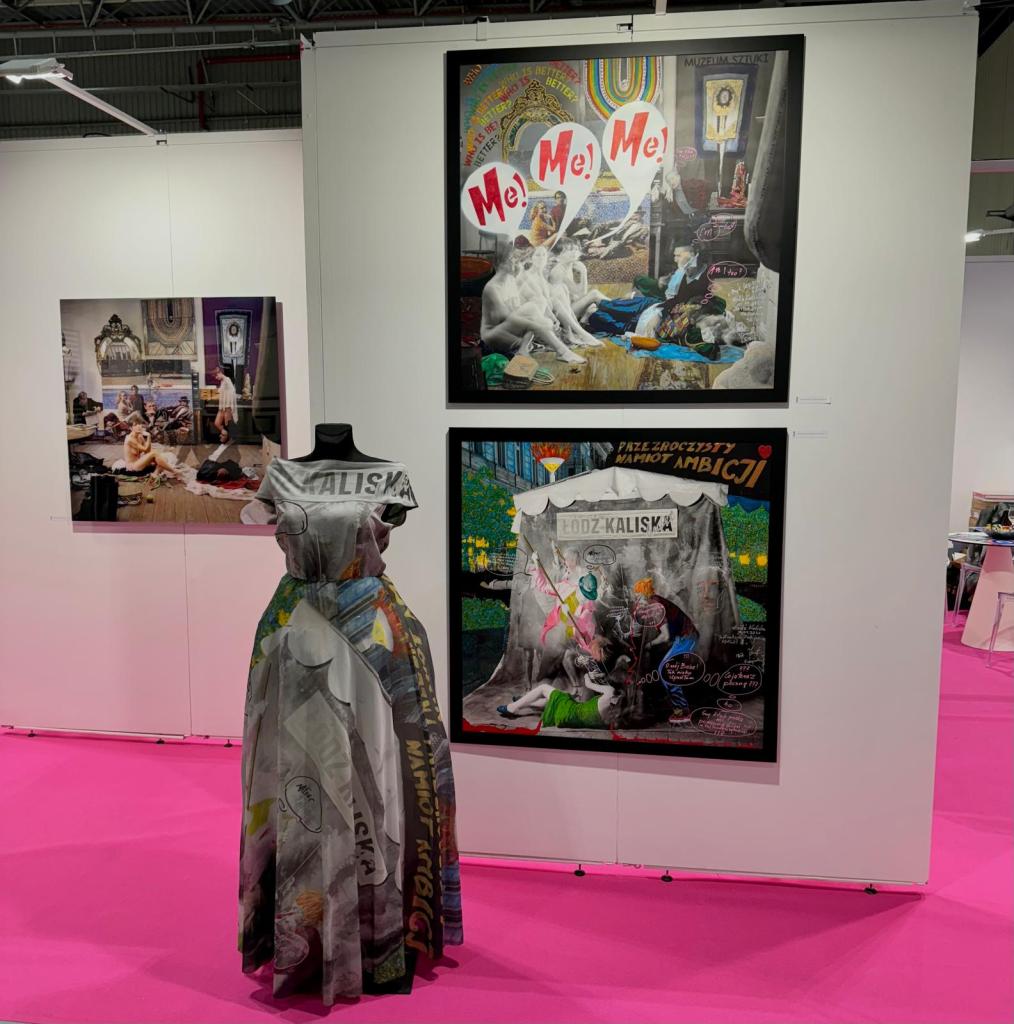
One notable aspect of the Warsaw Art Fair, particularly through the lens of my experience at international art fairs during my studies, is its lack of specialization and segmentation among exhibitors. The fair brings together contemporary art galleries, antique dealers, and auction houses. This unique mix contrasts sharply with cities like London, where contemporary and antique art are typically showcased in separate events, and auction houses rarely participate directly. While this inclusivity highlights the evolving nature of the Polish art market, it also reveals an area for improvement: the introduction of clearer divisions could enhance the fair’s structure, accessibility, and overall visitor experience. Encouragingly, there are signs of progress elsewhere in Poland’s art scene. Art Fair Kraków, though a much smaller fair, now in its second edition, embraces a more curated approach by focusing on contemporary art with a refined gallery selection. Similarly, experimental formats like Villa NADA, a short-term multi-gallery showcase, are contributing to the diversification of the landscape.
The Polish Art Market: Resilience Meets Opportunity
Reflecting on the fair in the context of the Polish art market’s history, it’s clear how far the industry has come. As I wrote for the ArtTactic editorial, “Collection Management in the Emerging Polish Art Market,” the market’s evolution has been shaped by historical upheavals. Following the fall of communism in 1989, Poland’s transition to a free-market economy allowed its art scene to develop. This growth is evident in the 2023 sales figures: approximately PLN 368 million (~USD 94 million) in art and antiques. However, challenges remain. As Fijewski observed, “The market is still very far behind.” Transparency, regulatory issues, and a lack of expert guidance continue to hamper progress. Yet, shifting collector preferences and the rise of family foundations present exciting opportunities for wealth preservation and cultural investment. As Fijewski noted “It’s encouraging to see the Polish art market inching closer to global standards, though the pace is slow. The curatorial and exhibition standards need refinement, there’s often a sense of wanting to show everything at once.” His observations align with my own, as the fair’s strength lies in its ability to foster dialogue and showcase standout works. Fijewski also noted the excellence of Tomek Koclęga’s work, adding depth to the fair’s offerings.
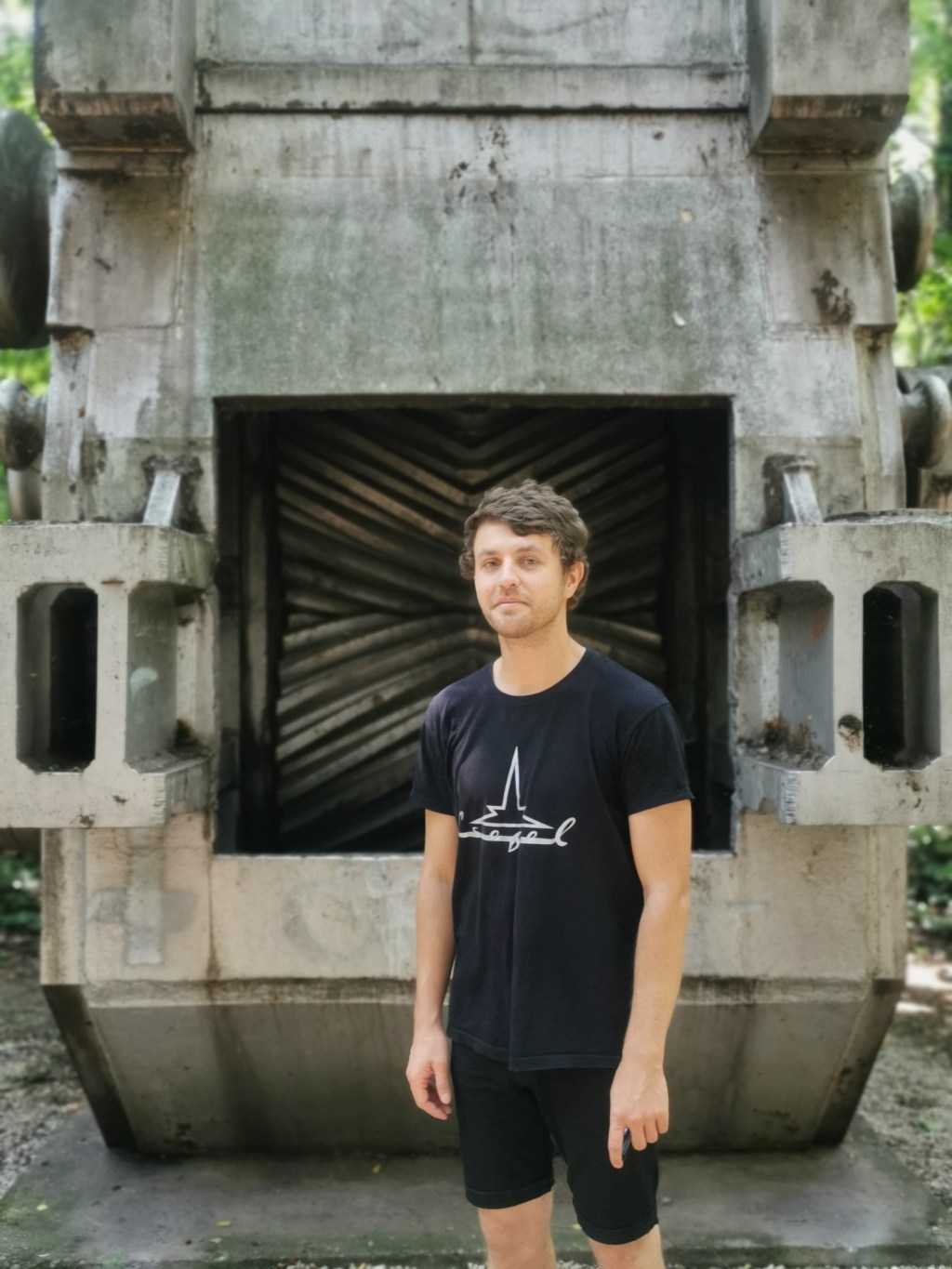
Fot. Jakub Fijewski
Personal highlights from the Fair
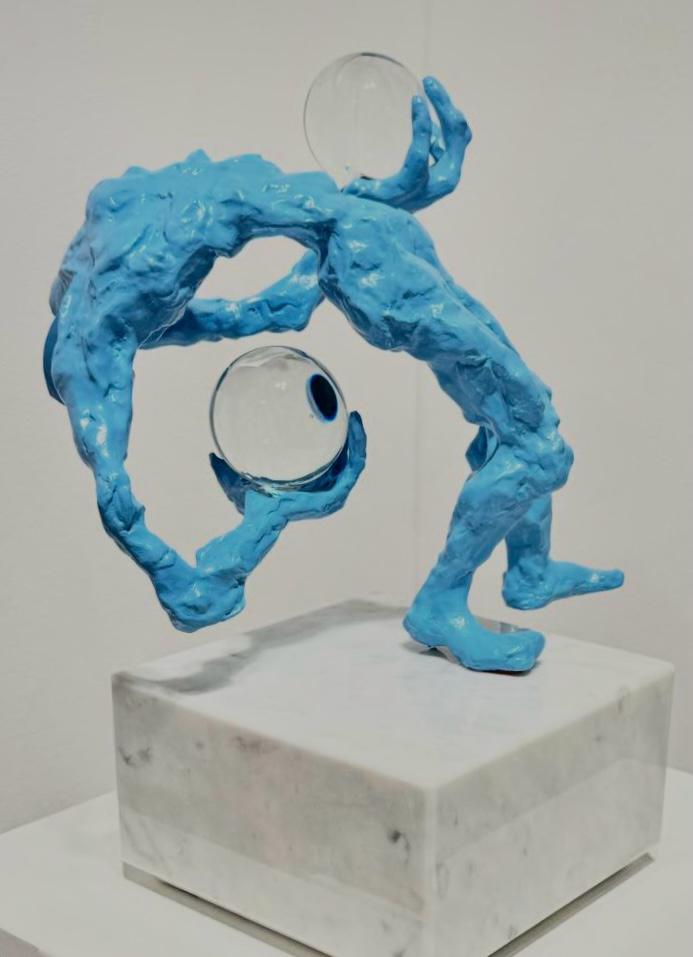
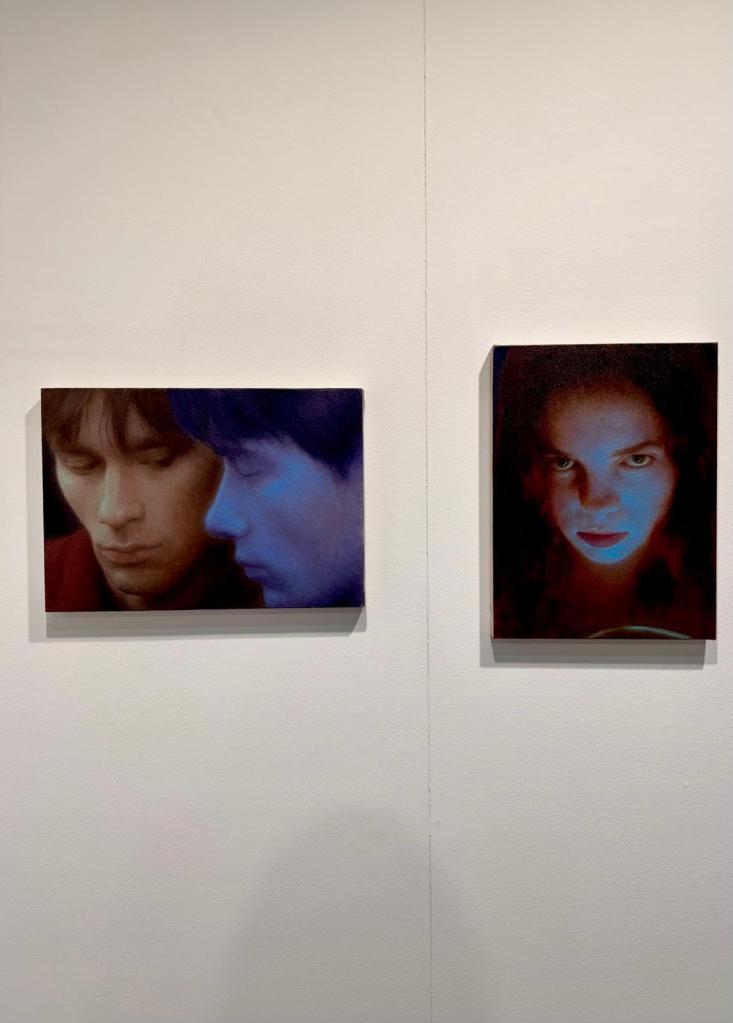
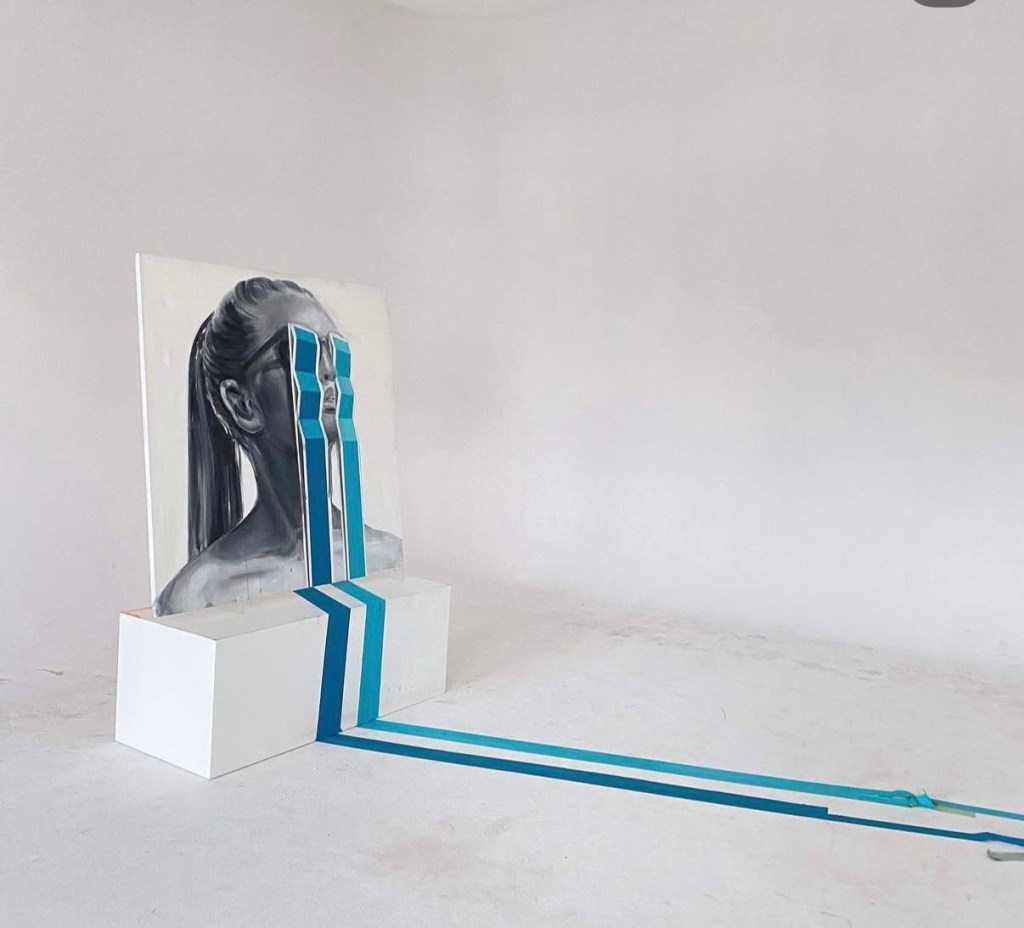
Nocny Art Patrol showcased works by Andrzej Kulig, a 2022 graduate of Warsaw’s Academy of Fine Arts. His use of blue, a color steeped in symbolism, anchors his narratives about losing oneself in the artistic process.
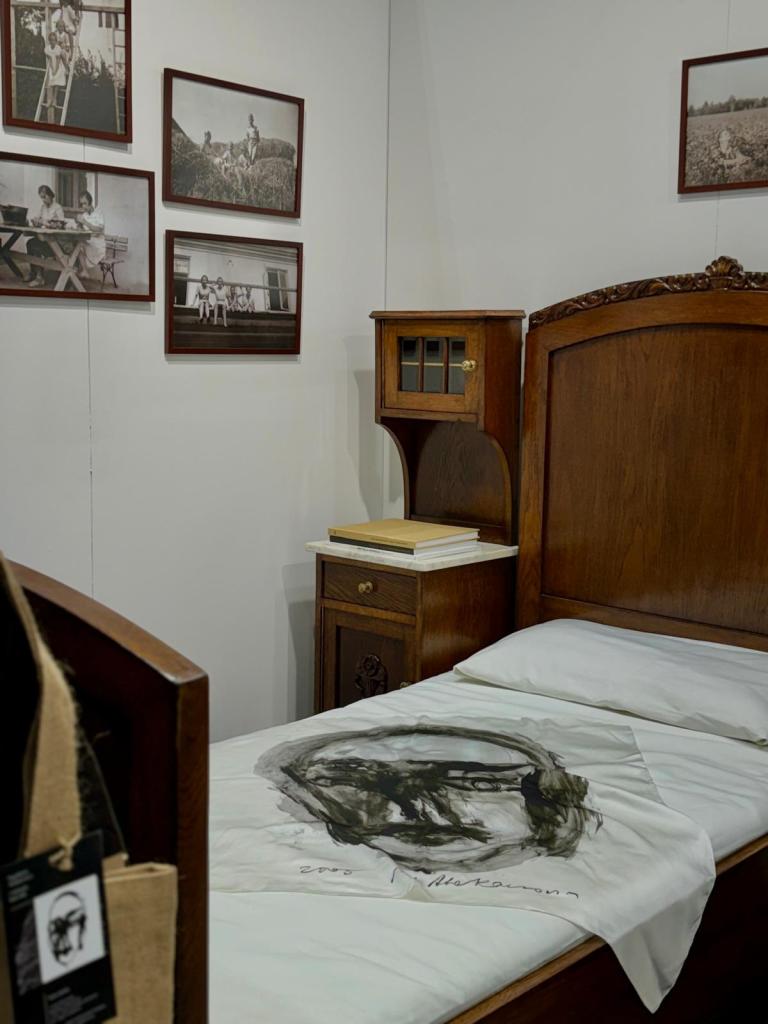
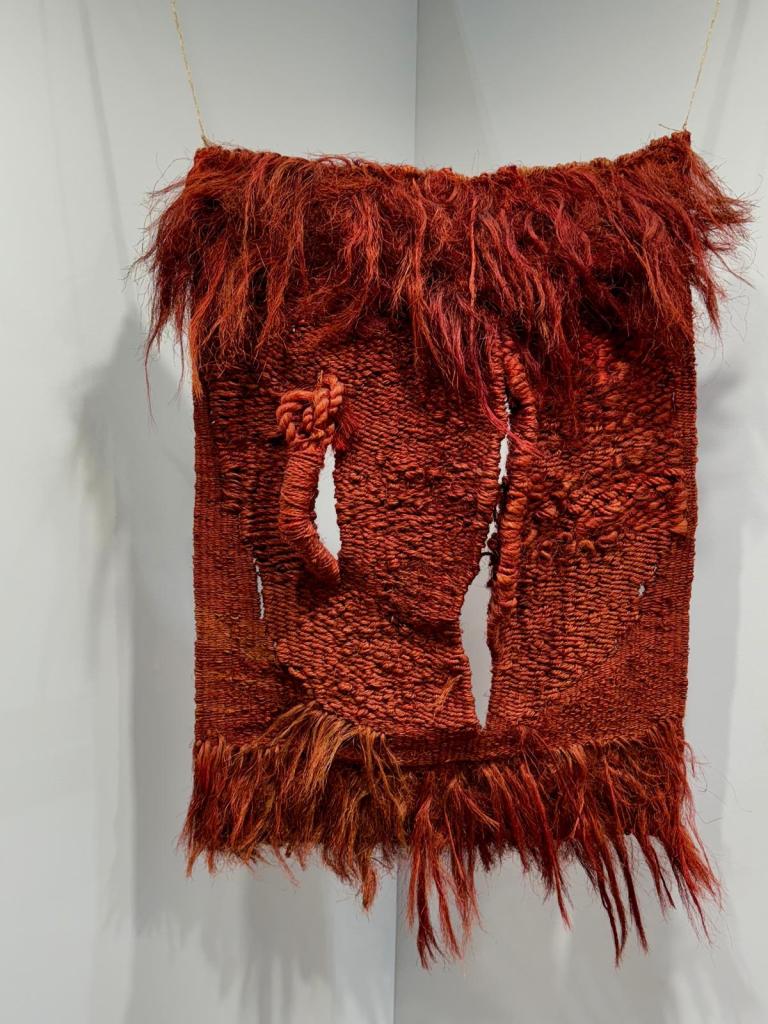
All That Art! and Mia Art Gallery presented a profoundly moving tribute to the legendary Magdalena Abakanowicz, celebrating the depth of her life and artistic legacy. Their exhibit featured rare archival photographs and restored furniture from her childhood home, offering a unique glimpse into the lesser-known aspects of the artist’s formative years. A highlight of the presentation was the premiere of Sister: The Unknown Story of Magdalena Abakanowicz, a film produced by All That Art! Foundation under the leadership of its president, Magdalena Mielnicka.
The film unveiled intimate and previously unseen facets of Abakanowicz’s life, enriching our understanding of her journey. Adding to this tribute was the debut of the artist’s comprehensive catalogue raisonné, an impressive two-volume publication that reflects years of dedicated research and stands as an essential resource for her extraordinary body of work.
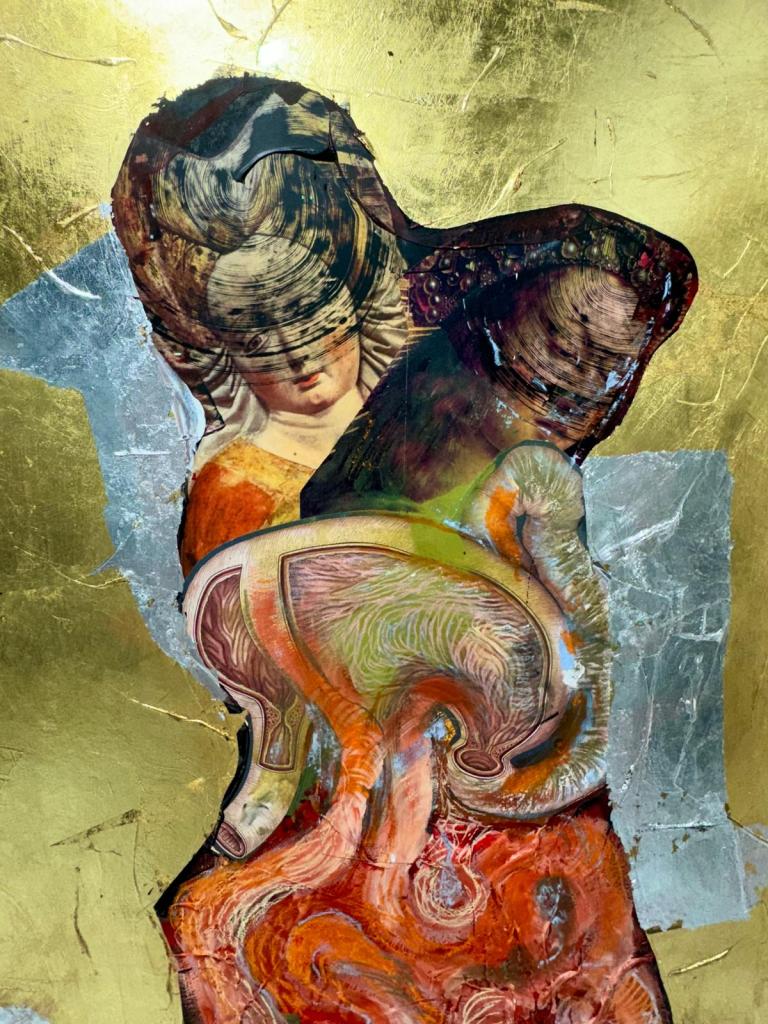
Galeria Szokart from Poznań presented compelling works by Paweł Althamer and Artur Żmijewski, highlighting Poland’s avant-garde legacy.
Looking Ahead
The Warsaw Art Fair serves as both a beacon of potential and a reminder of the challenges faced by Poland’s evolving art market. With its mix of tradition and innovation, the fair underscores the opportunities for growth while highlighting the need for bold thinking and alignment with global standards. Rooted in Poland yet shaped by international experiences, I see this transformative journey as a chance for the Polish art scene to redefine itself as a creative and collaborative force. As Stanisław Lec’s words remind us, “The discipline of art requires freedom,” and events like this can pave the way for integration, dialogue, and a flourishing future on the global stage.
Reference

 ART HUB
Leave a comment