

Bernando Bertolucci’s “Stealing Beauty” was first released in 1996. The cinematography was done by Darius Khondji, known for his work on Alan Parker’s “Evita”, Bong Joon Ho’s “Okja” or “Amour” (Love) by Michael Haneke. He also worked with Paul Thomas Anderson on the “Anima” short film that accompanied Tom Yorke’s album. He shot commercials for such labels as Gucci, Dior or Chanel, and music videos for Madonna.
The pittoresque paysages of Tuscany in “Stealing Beauty” were captured in warm colors. Images of olive hills and meadows are intertwined with those showing the pure beauty and innocence of a young woman – nineteen year old Lucy, played by Liv Tyler. She travels to Italy after the death of her mother and in search of her biological father, whose identity is hidden in her mother’s poems. She arrives at a house belonging to one of her mother’s old friends. It’s inhabited by artists, most of whom are men, and much older than Lucy. One can feel the tension building all throughout the film, a conflict between the young and old, full of dreams and burnt-out, tabula rasa and tabula inscripta. Underneath the daily routines and conversations, voluntary and involuntary predatory behaviors are taking place. All these themes are presented on a beautiful background of sand and dust, the late summer sun, and the greenest of olive trees.
“Stealing Beauty” is also the title of a photo series created by Monika Gadzała. It is directly inspired by the film, with the styling of the photographs reflecting the cinematography style of Darius Khondji. Monika Gadzała lives and works in Poznan. She specializes in portraits and fashion photography. Her work exists right on the line between art and commerce.
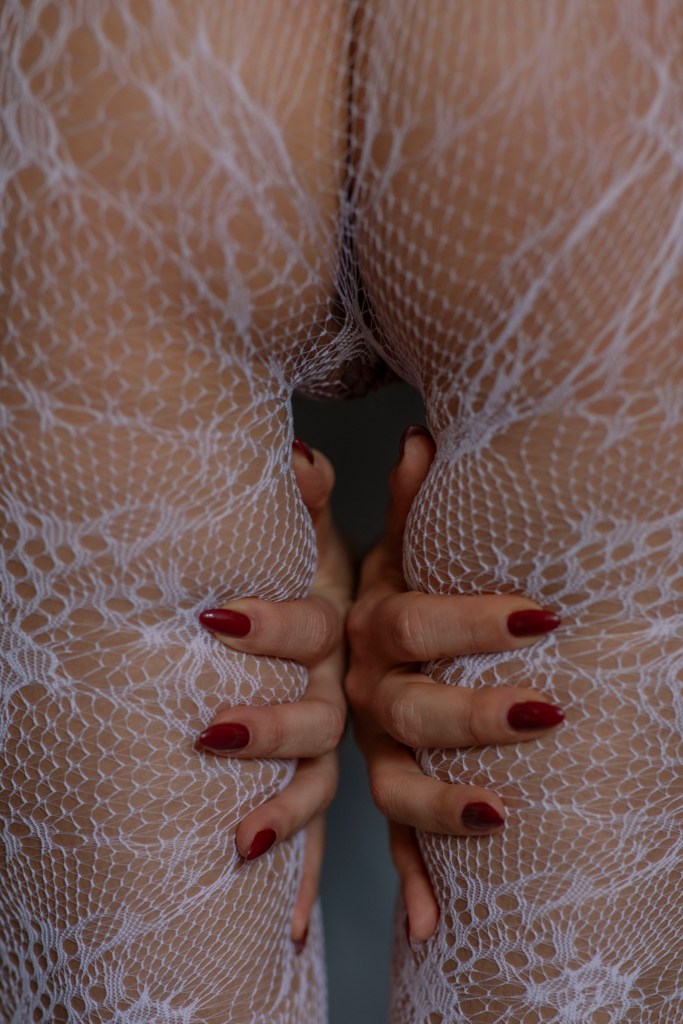

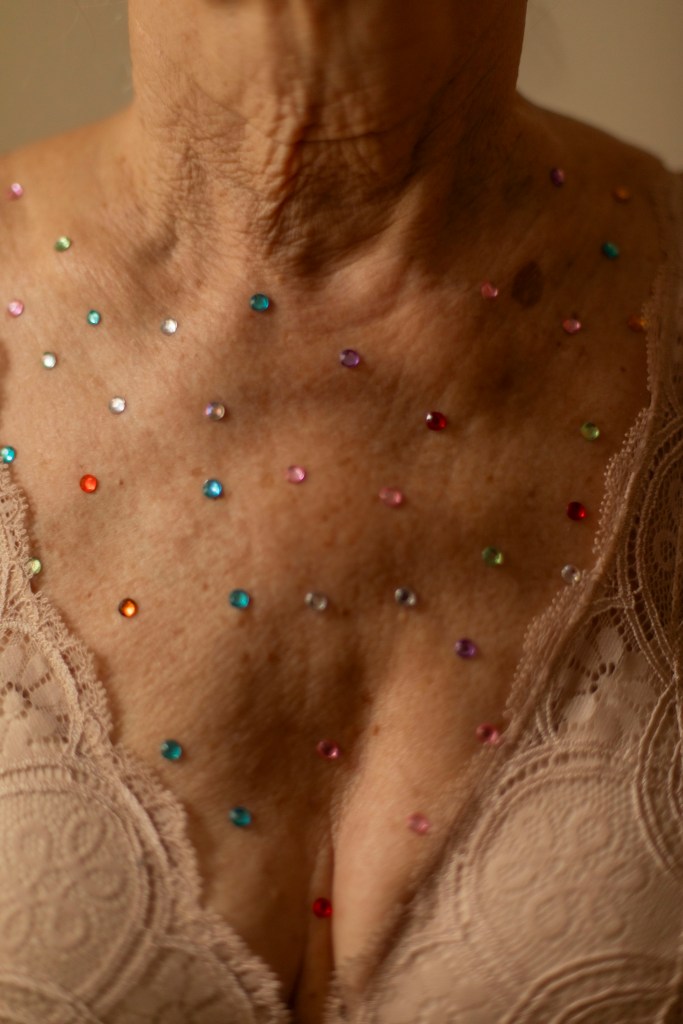
In the “Stealing Beauty” series, she presents women of different age and looks, often portrayed naked. She shows people that she knows for years as well as those who inspired her even though she only met them once or twice. The ongoing project is meant to capture the beauty of the female body.
Bewildered by the warm, natural lighting captured by Darius Khondji, she photographs her models in a very intimate manner, embracing them with the camera lens and stealing the essence of their beauty to reveal it back in the final photograph.

Monika always takes care to prepare a complete entourage for her photographs. She carefully chooses her interiors, often shooting inside palaces or historical houses. Other times she gets inspired by plein-air, like fields and meadows. She also emphasizes clothing, lingerie and jewelry. But the most important part of every shooting are the people whose essence she tries to capture.
I like people. I connect with them emotionally. The people I photograph become very close to me. Our relationship often evolves to a friendship in time.
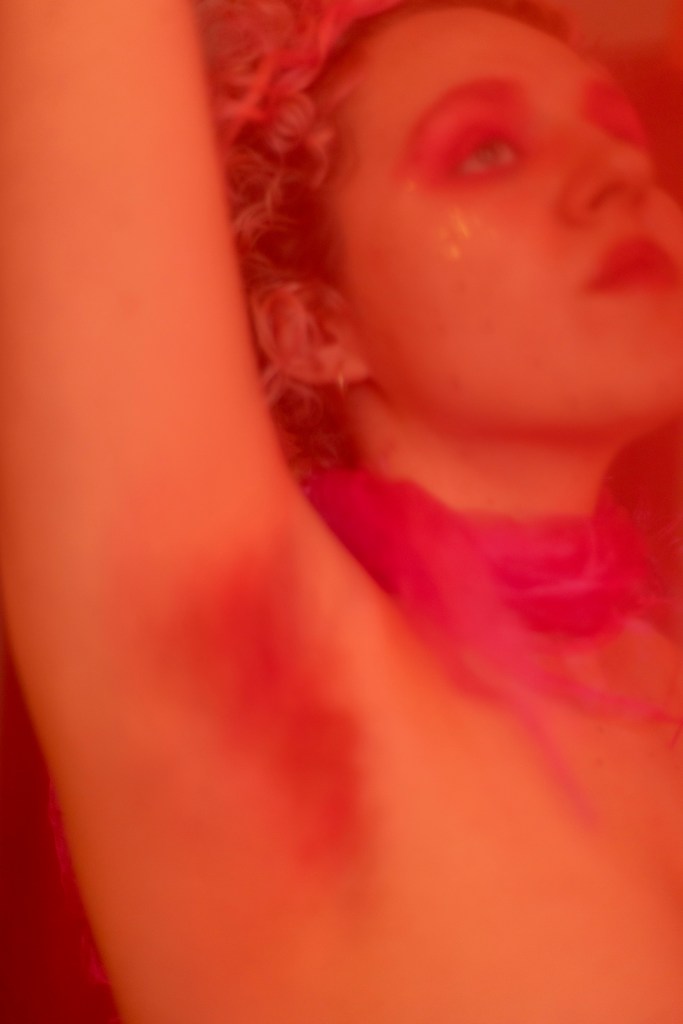
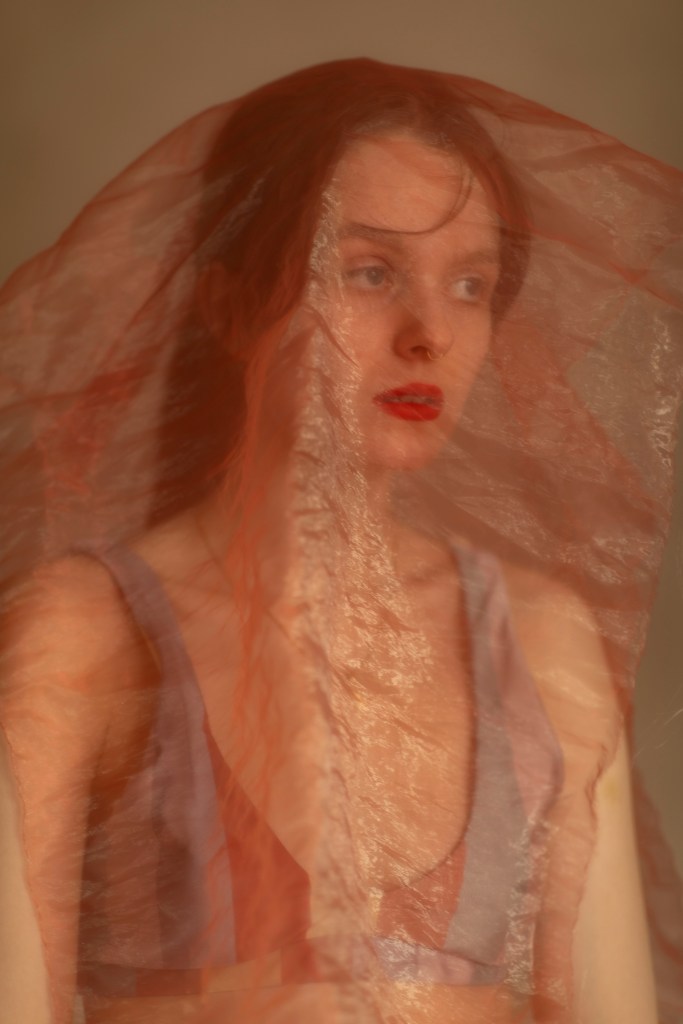

Her main focus is on women and the female form. Although she loves photographing younger bodies, she feels that more often than not, the older ones are more interesting – full of stories, fears, joys and sorrows.
At every stage of our lives we perceive beauty differently. At my age I’m somewhere in between the young and the sage. I love listening to all their stories, but lately I feel more connected to those of older women, I feel that I am starting to understand their perception more and more.
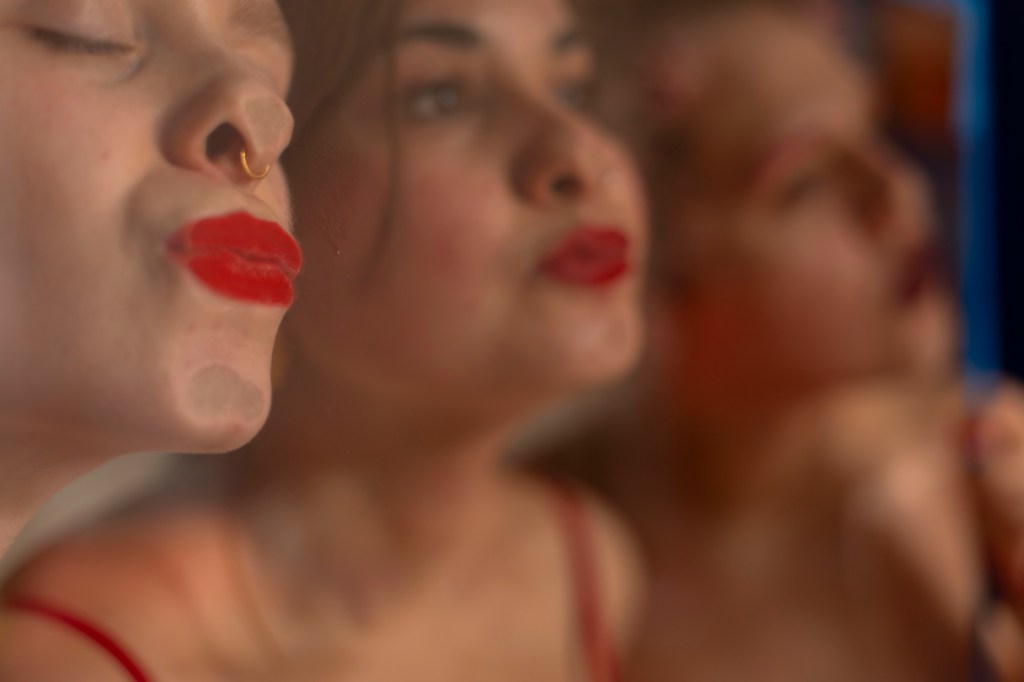
Monika always tries to show the beauty of her models, and more importantly – to make her models FEEL beautiful. That is why her photo sessions are based on mutual trust. Even though she often photographs them in the nude, she prioritizes their comfort and treats the models and their bodies with full and unconditional respect.
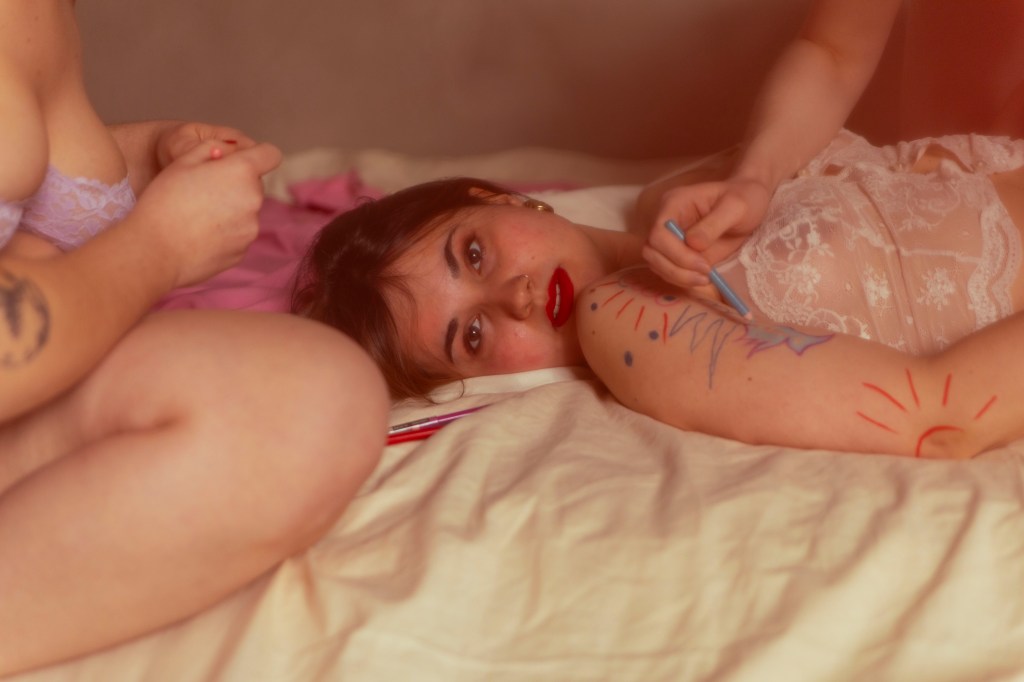

Her models need to open up, that intimate relation is built during the session. Monika compares it to the therapy for her models and herself. Her ambition is to present pure beauty, without sexual connection. Her photography is sensual, delicate, soft and embracing.
I appreciate when someone opens up to me and trusts me. I photograph people who often have no experience in posing, and they reveal themselves for the camera for the first time. Nude photography sessions can be embarrassing and intimidating for me as well. However, with enough time, the fear disappears. I feel that my photo sessions are like therapy. My models overcome the shame that blocks them. They start to see their bodies with all the little imperfections in a different way. They realize that there is an inherent beauty hidden in them, and that all the marks, scars and blemishes are the things that make them unique. The sessions have also had an impact on me, they changed how I see myself as well. When the photography is done, we both feel like we’ve done something beneficial to ourselves. But each session, even with the same model, is different. The atmosphere is always unique. That is why I like coming back to that series.
The story behind Monika’s photography is also about the courage on both sides of the lens, the model as well as the photographer. Early on in her career she already knew that she wanted to work with people. In order to do that, she had to break her own barriers of opening up to other people, creating relationships with strangers, and to build trust in herself and her artistic ideas.
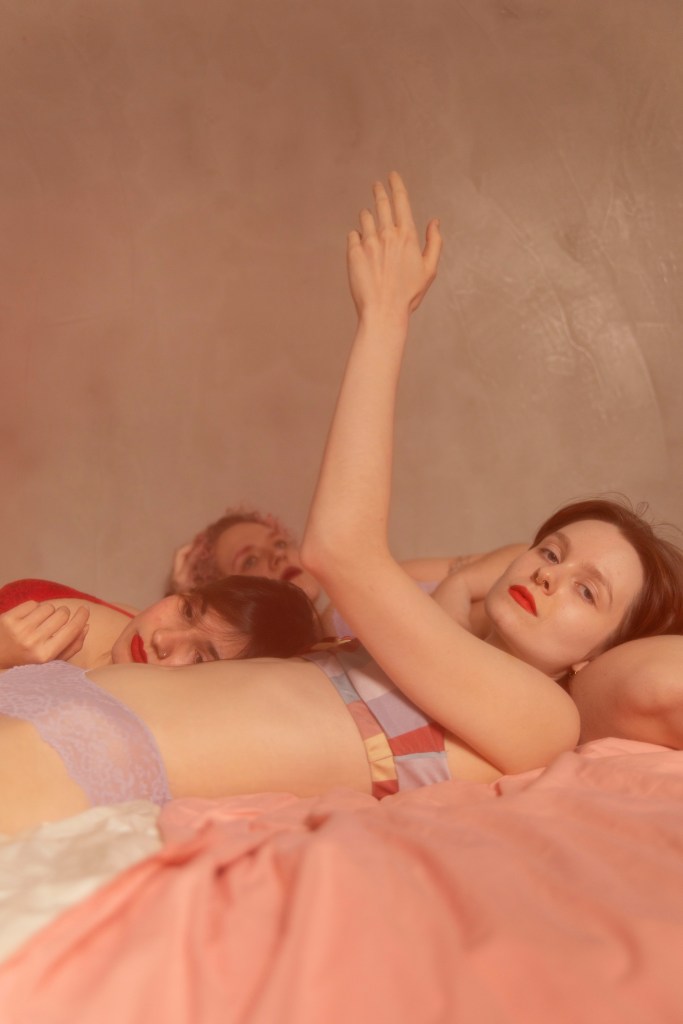

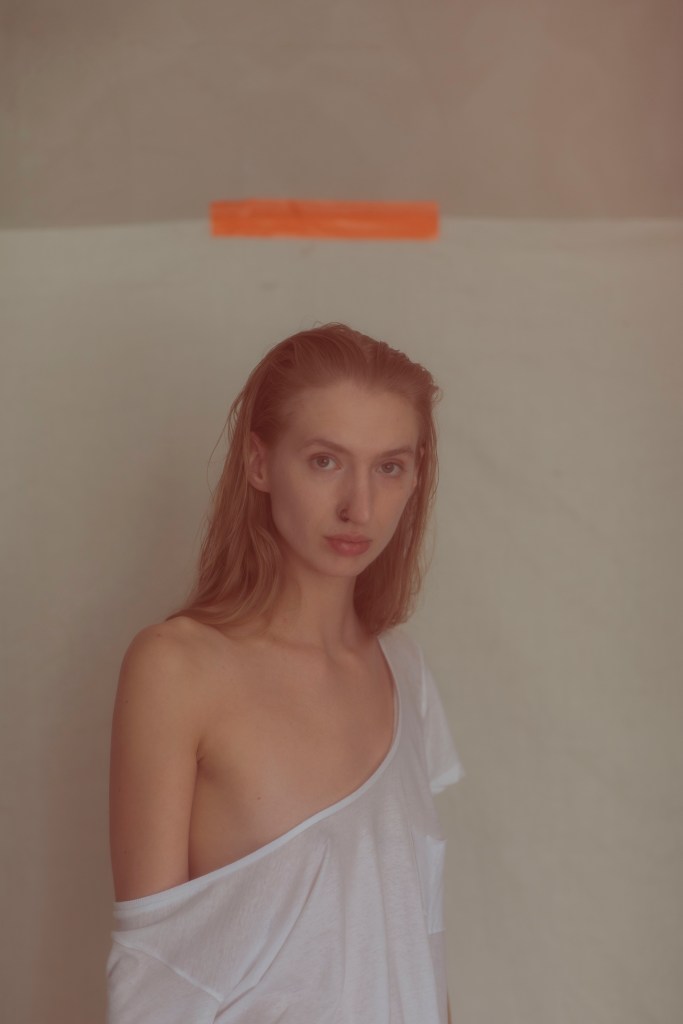
I always wanted to photograph people but I was afraid of asking them. I still am. I keep giving myself tasks and forcing myself to find the necessary courage. I used to photograph my own daughter and we felt safe with each other. But I knew I wanted to take the camera to other people, take pictures of them. I knew that I had to learn to talk to them and to build relationships. The first task I gave myself in that regard, was to ask my neighbors. I went to people living next door and asked if I could photograph them. It was challenging for me, when some of them refused. But others were open to the idea, and agreed or asked for some time to think it over. This cost me a lot emotionally. I had to step outside of my comfort zone. But my desire to capture people turned out stronger than the fear of confronting them.
In her book “Wędrowny Zakład Fotograficzny”, the author Agnieszka Pajączkowska, tells the stories of people who resettled to the western Poland after the WWII border change. She interviews and photographs people, but she doesn’t include the pictures in the book. They serve only as a souvenir for the people, a token of gratitude for sharing their stories. The book is therefore, in some way, a story about those photographs even without showing any of them. The conversations are only kept in the memories of people who took part in them – too precious and intimate to be shared with others. I’ve asked Monika, if she sometimes puts her camera aside to simply be in the moment without any interference. She replied that it is very difficult for her to put the camera away, and that she often regrets it when she does. Although she admits that there are situations, when the camera can harm the fragile relationship that is only just forming between her and the model. Photo sessions need patience. They take several hours. Models need to feel comfortable and taken care of. And it seemed easier and more natural for her to make those decisions when working with women.
I was less afraid of women at first, during those moments. But now I feel more comfortable, so I think it could be very interesting to capture men and their hidden fragility.
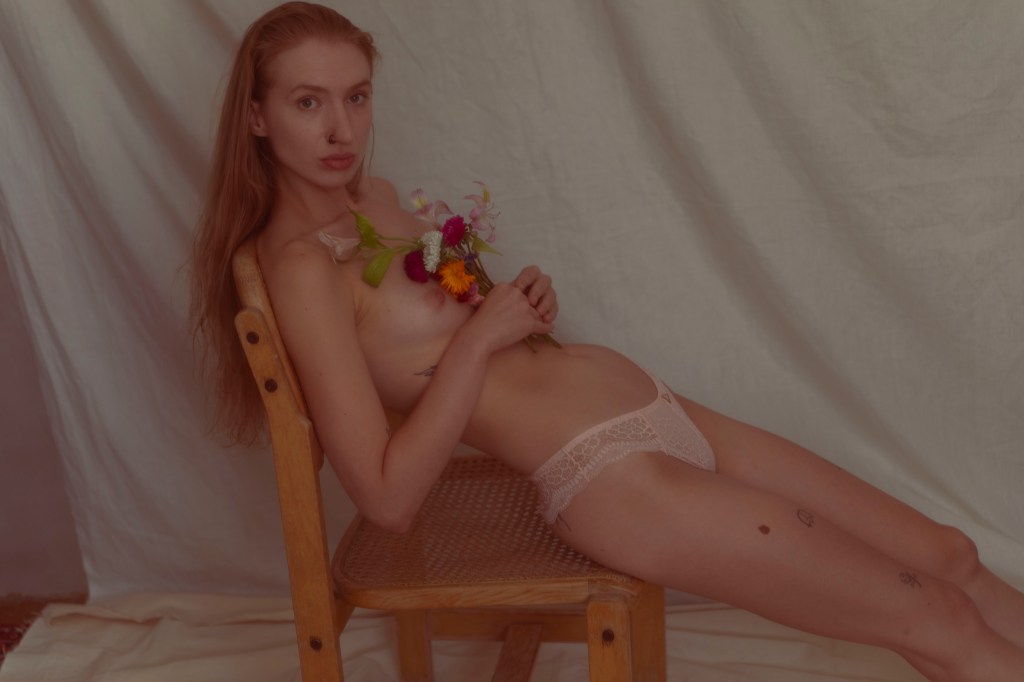
Monika takes her camera almost everywhere with her. Her photos are often linked to the images registered somewhere in her mind, registered on a map of cultural codes that she is inspired by, even unconsciously. And from these images and ideas mixed with her curiosity about people, Monika manages to create a wonderland filled with light, color and the beauty that she steals from her models using nothing but the lens of her camera.

 ART HUB
Leave a comment