
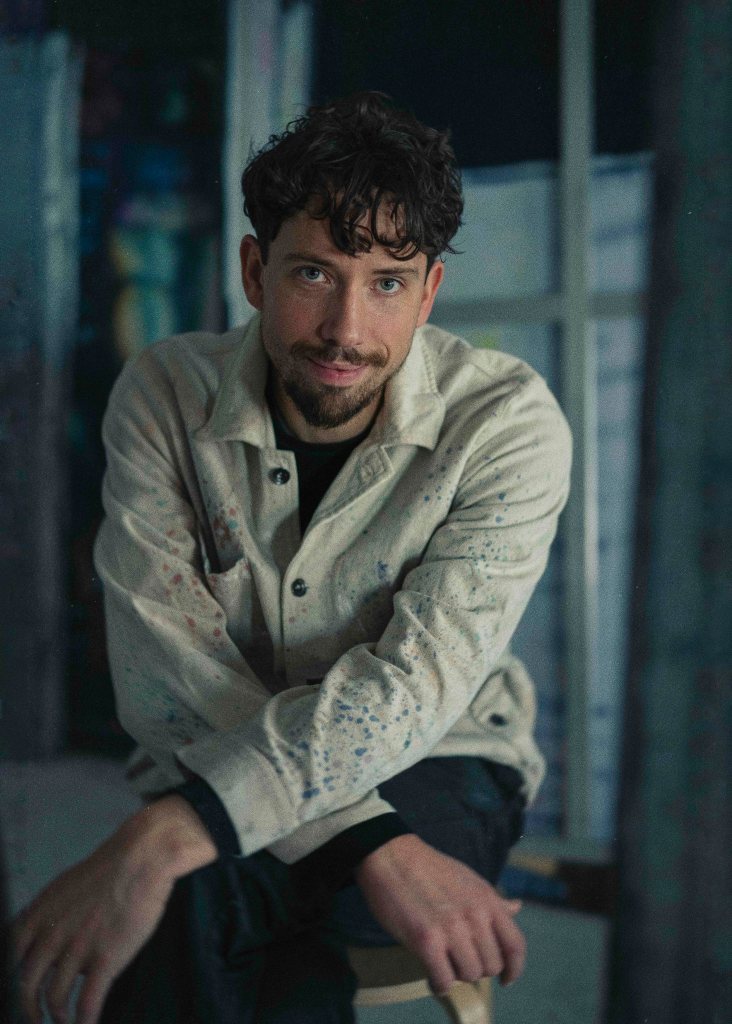
Kristian Touborg (b. 1987, Roskilde, Denmark) is a contemporary Danish artist whose work boldly explores the convergence of digital imagery and traditional painting. Living and working in Copenhagen, Touborg completed his Master’s degree at the Danish Academy of Fine Arts, School of Design, in 2016 and has worked under the guidance of acclaimed artist Tal R.
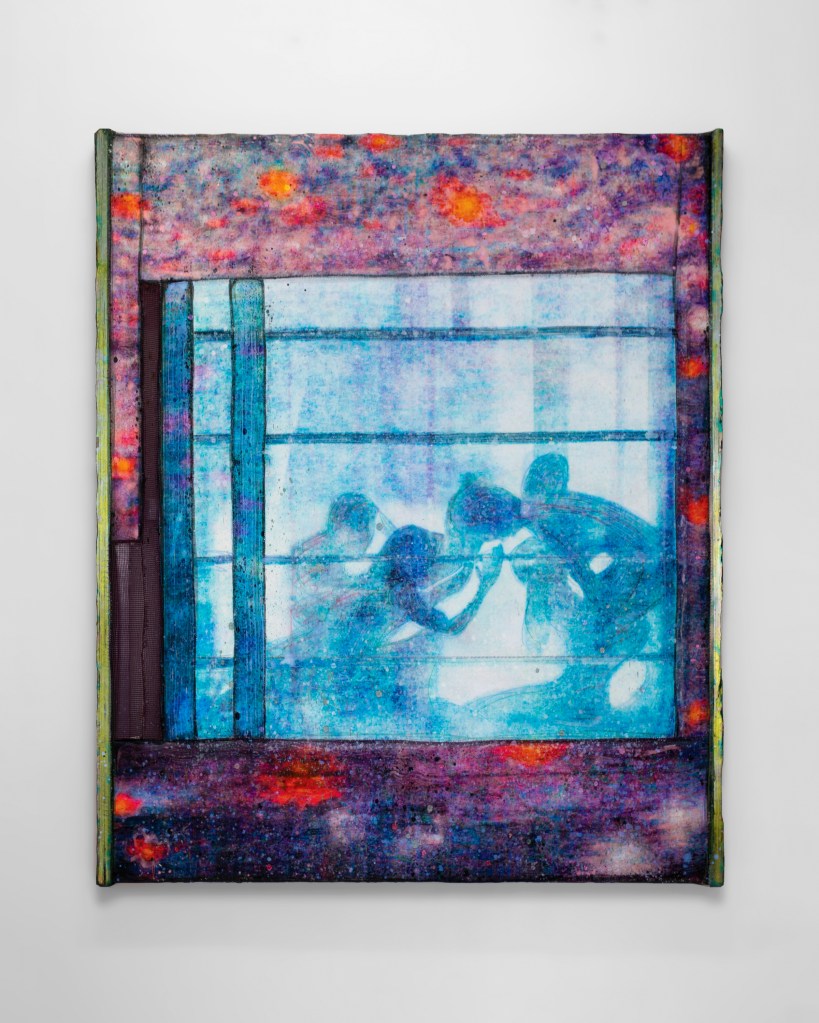
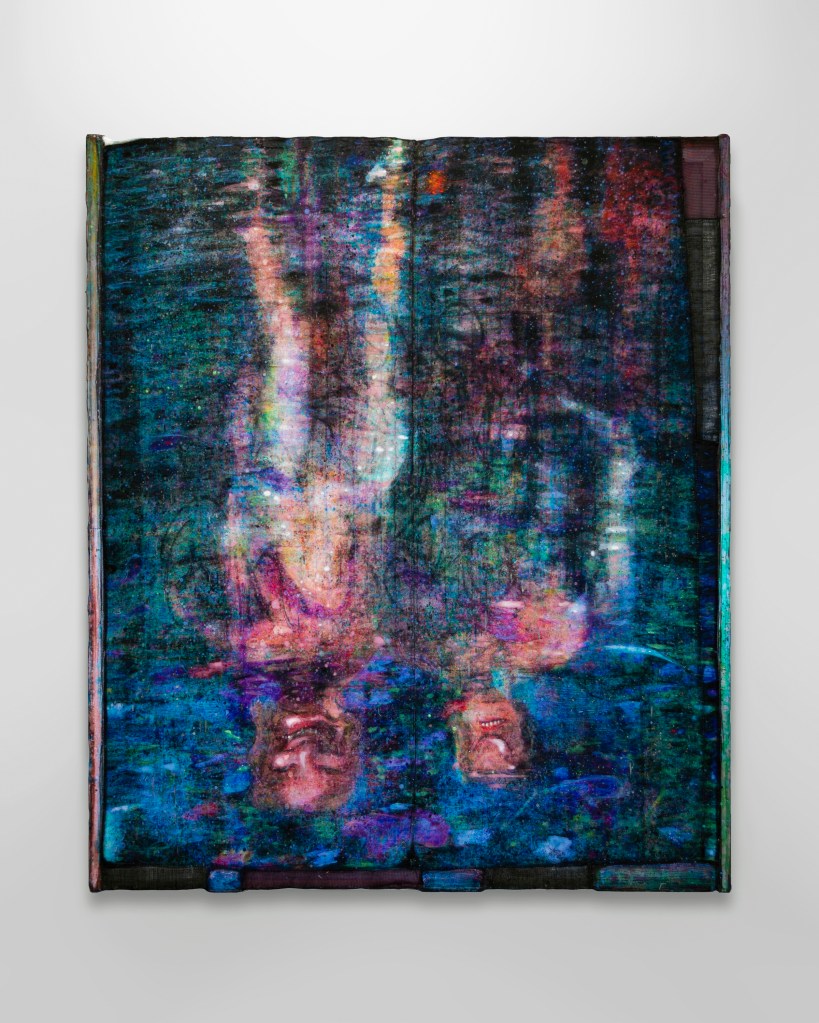
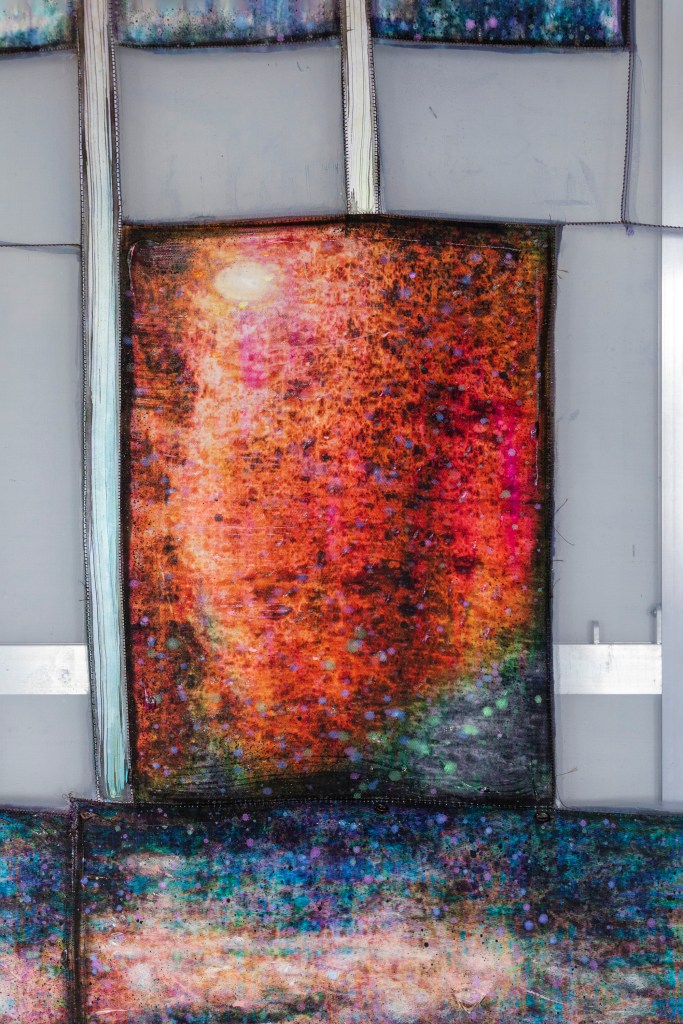
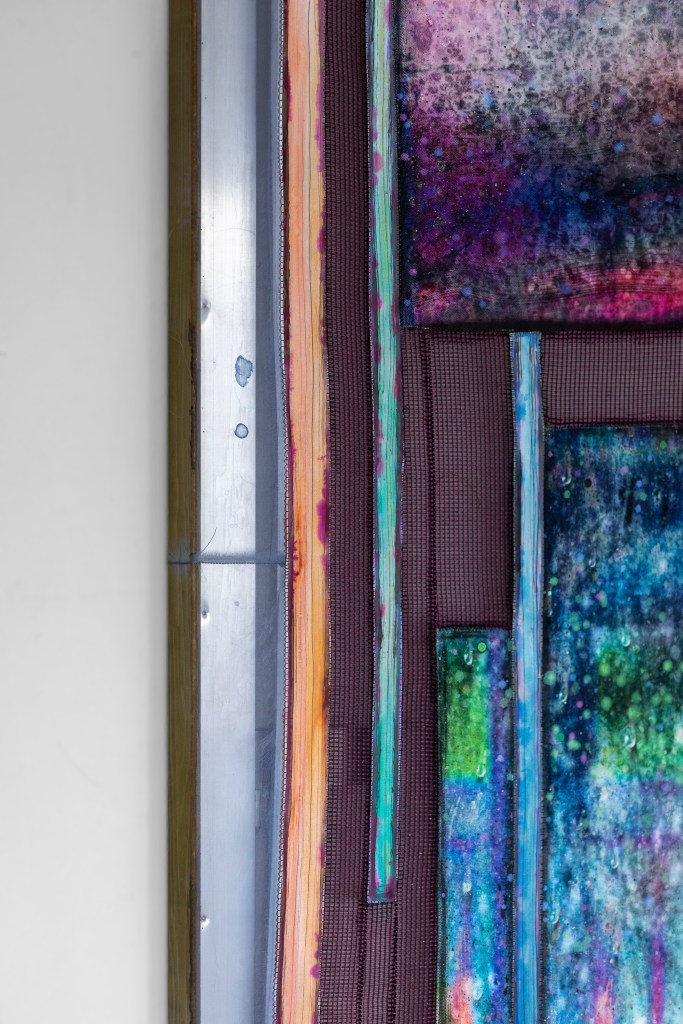
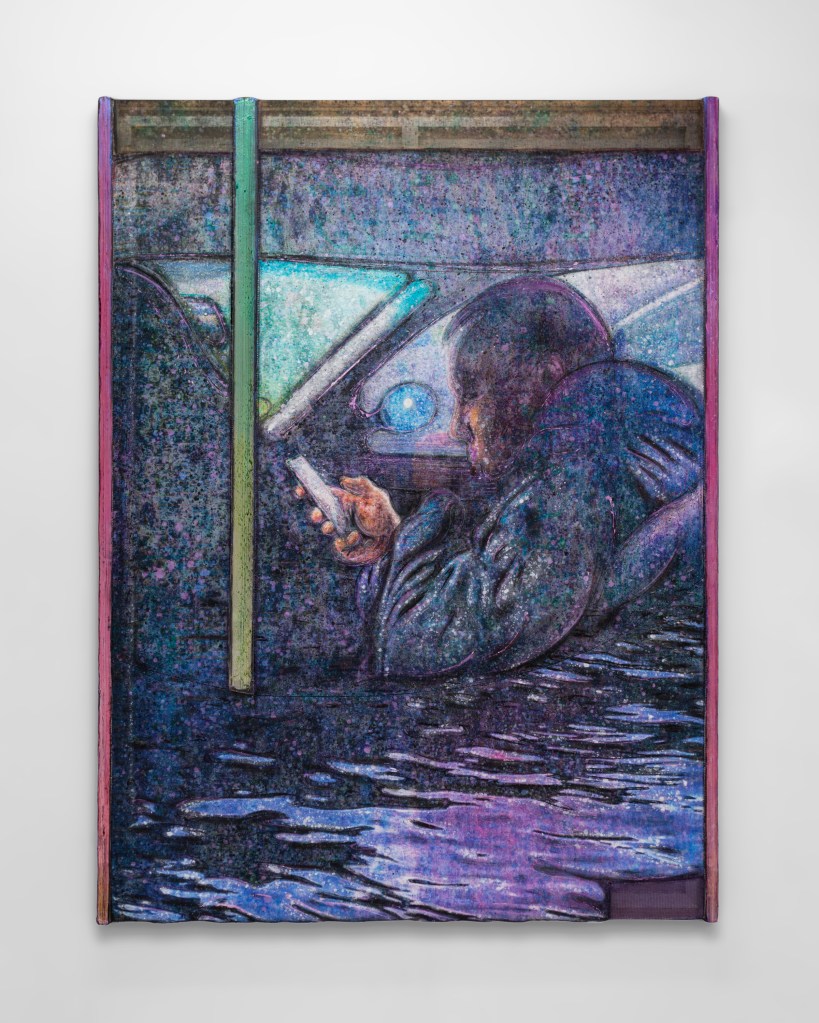
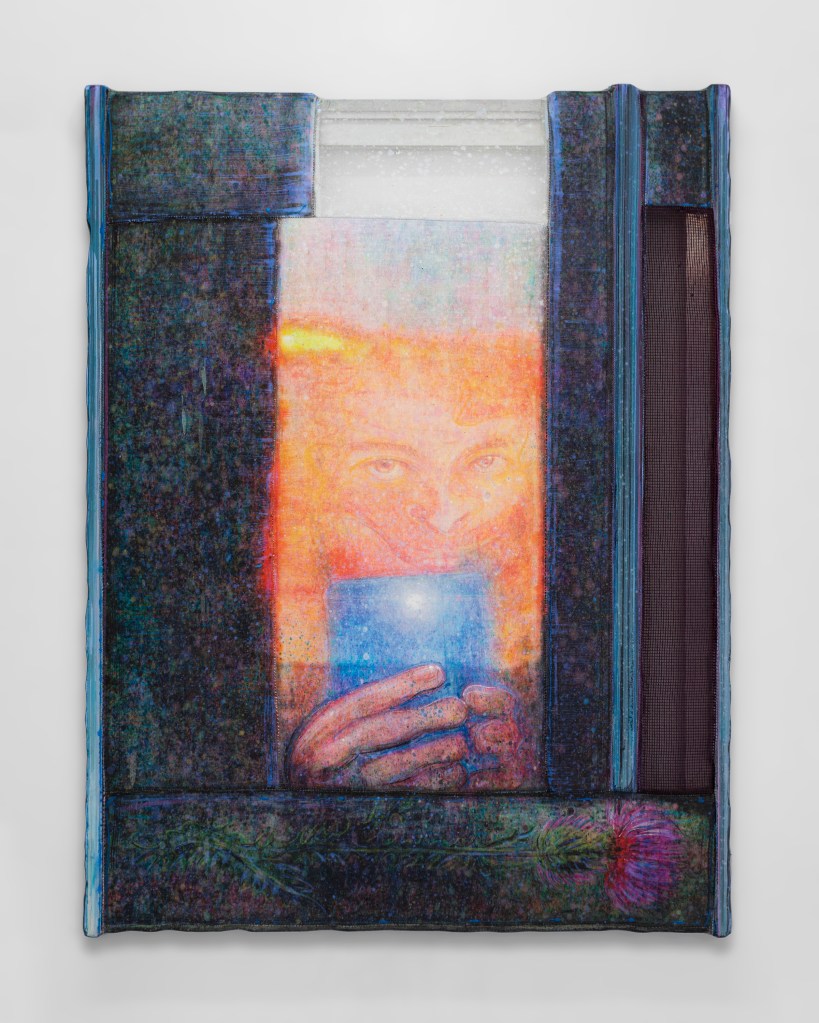
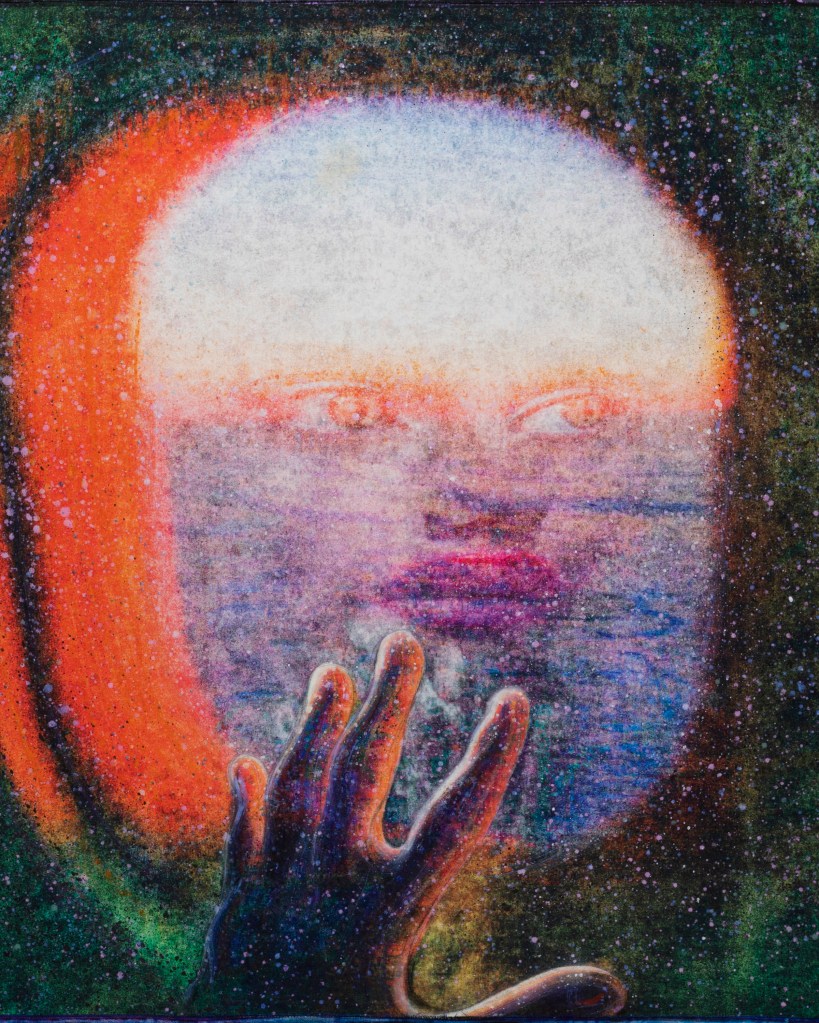
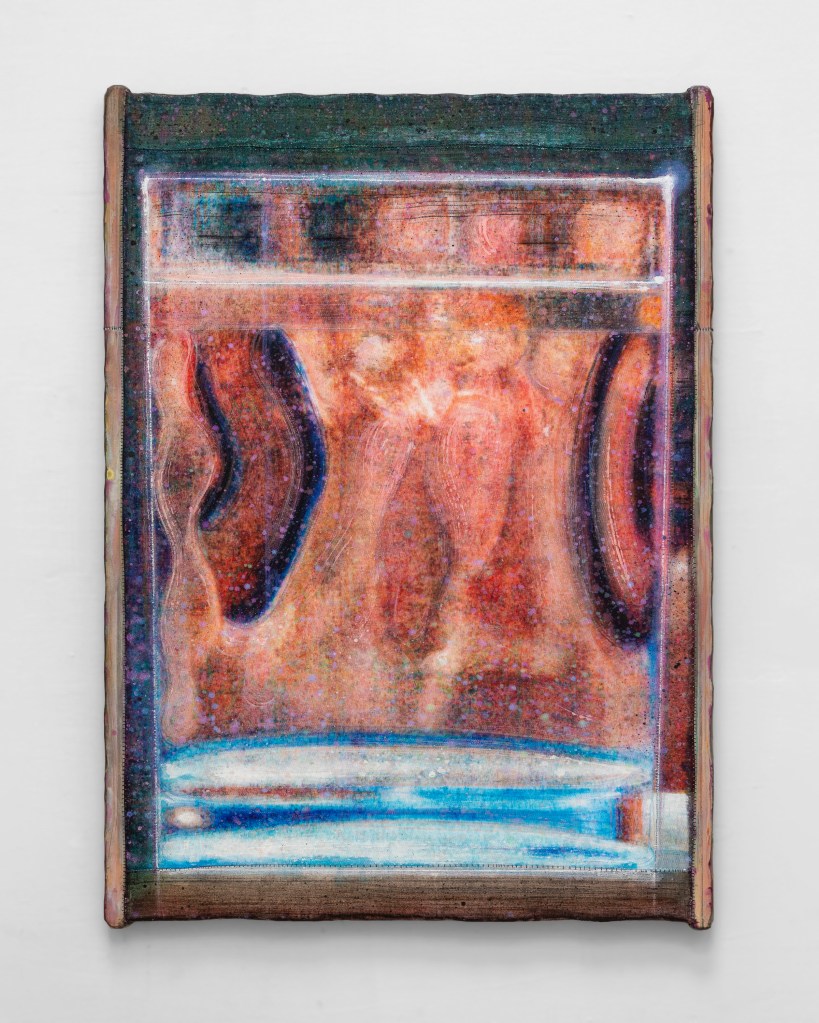
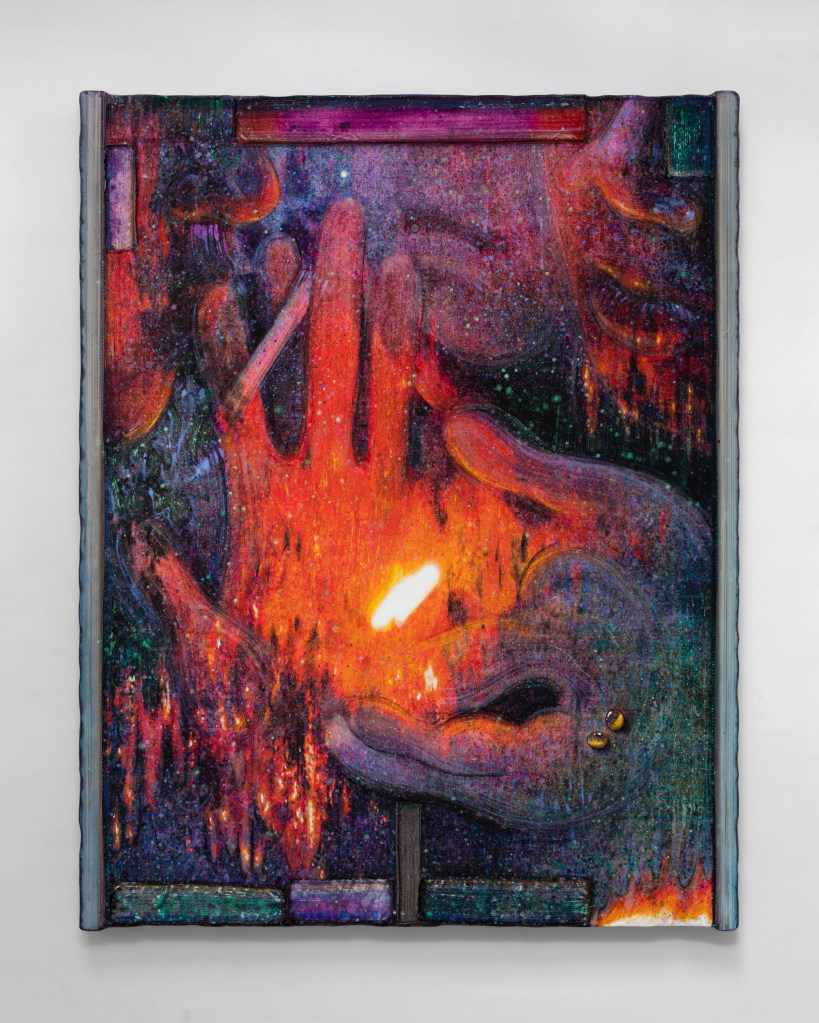
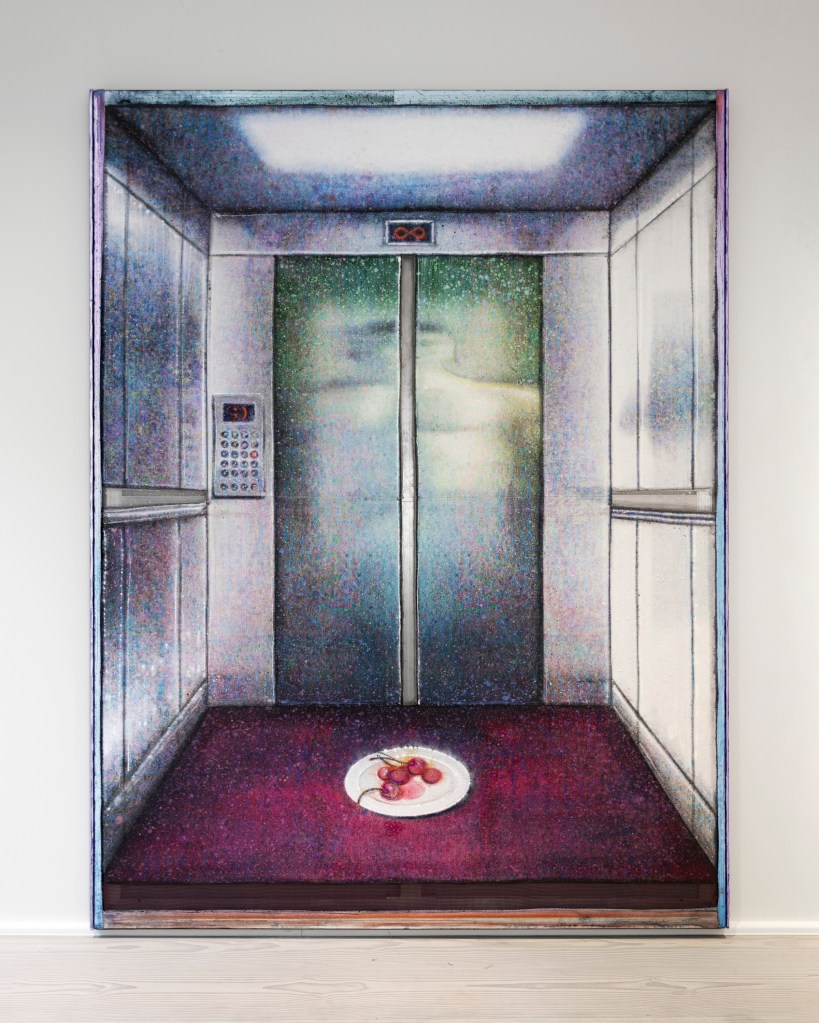
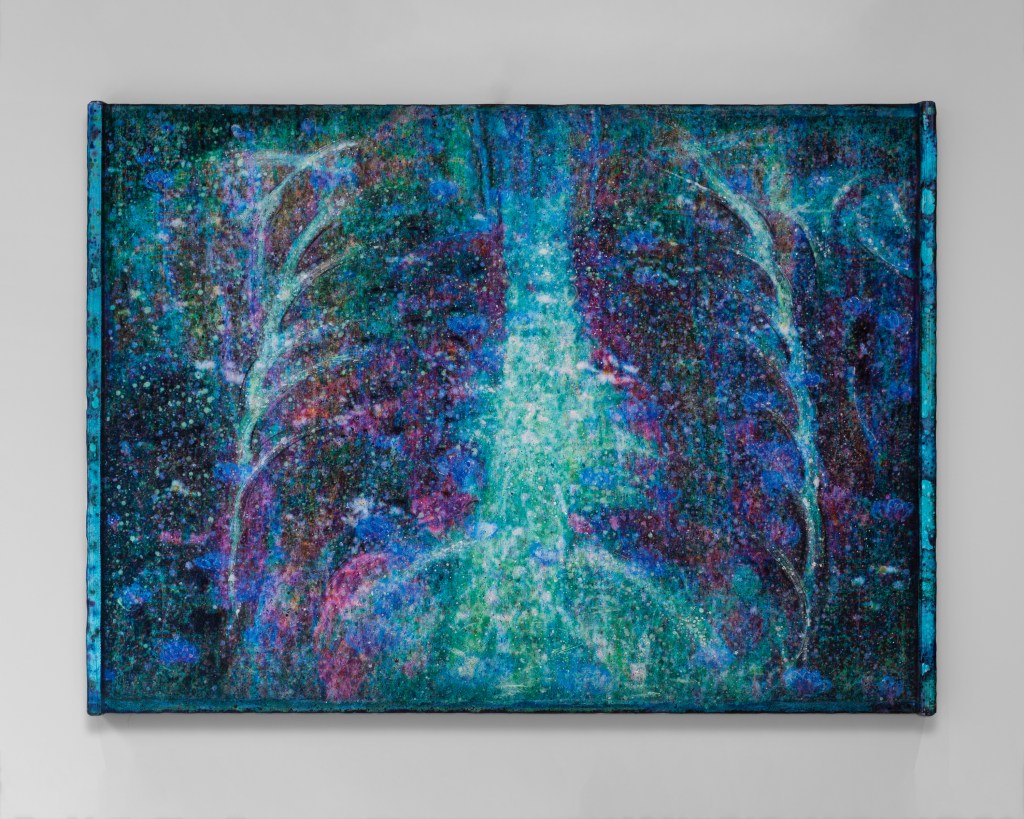
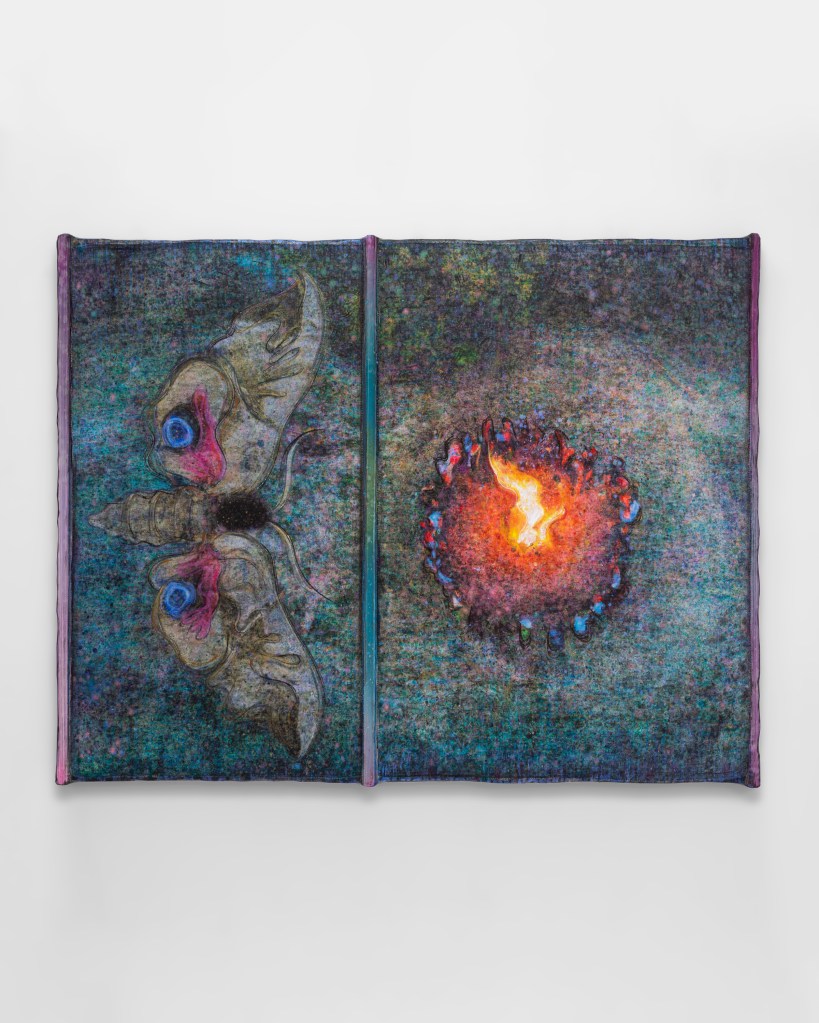
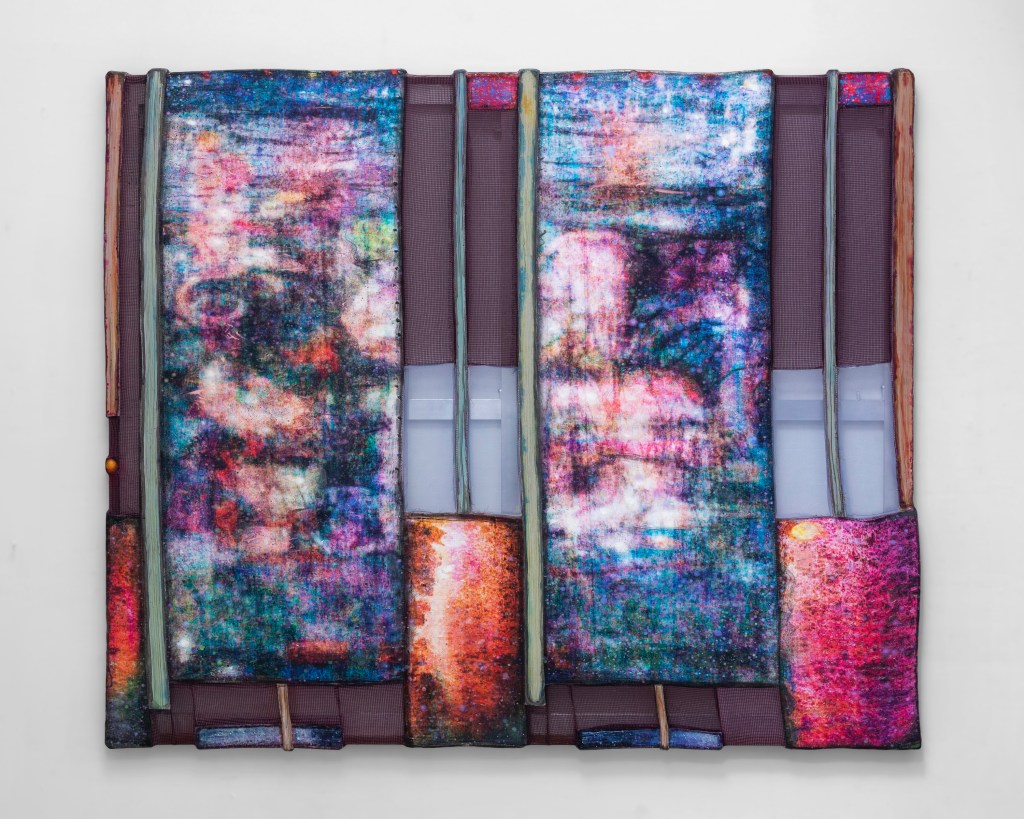
His unique aesthetic is shaped by a diverse array of materials: digitally printed fabrics, industrially treated surfaces, and dismantled canvases are meticulously arranged using collage techniques, creating layered, texturally rich compositions. Known for his unconventional approach to form, Touborg often reconstructs his canvases into polygonal shapes, transforming familiar visual fragments—from art historical references to scenes from Copenhagen’s urban landscape—into completely new entities.
His innovative work has been recognized with a grant from The Danish Arts Foundation and featured in international residencies, including his 2016-2017 tenure at Taekker Air Berlin. Touborg’s art challenges and reinvents traditional structures, merging digital and tactile influences to craft visual stories that blur the line between iconic imagery and the raw, everyday environment.
1. Can you share a bit about your background and how you started your journey in art?
I grew up in a suburbian city outside Copenhagen, a place that’s often viewed as ordinary, but where I found extraordinary inspiration in the contrasts around me. The meticulously trimmed hedges and the dandelions forcing their way through asphalt cracks symbolize the tension between control and chaos—an idea that has deeply influenced my work. My environment was steeped in the energy of graffiti culture, which introduced me to the raw, unfiltered power of visual expression. My mother, a botanist, and my father, an industrial engineer, provided a foundation of scientific curiosity and precision that I later applied to my art. My first job as a scaffolder was an experience of sheer physicality and grit, a far cry from the poetic, yet it shaped my understanding of structure, balance, and endurance. These early experiences, coupled with the profound journey of fatherhood, have all been catalysts in my evolution as an artist, pushing me to explore the boundaries of form, material, and meaning.
2. What are the main influences and inspirations behind your work?
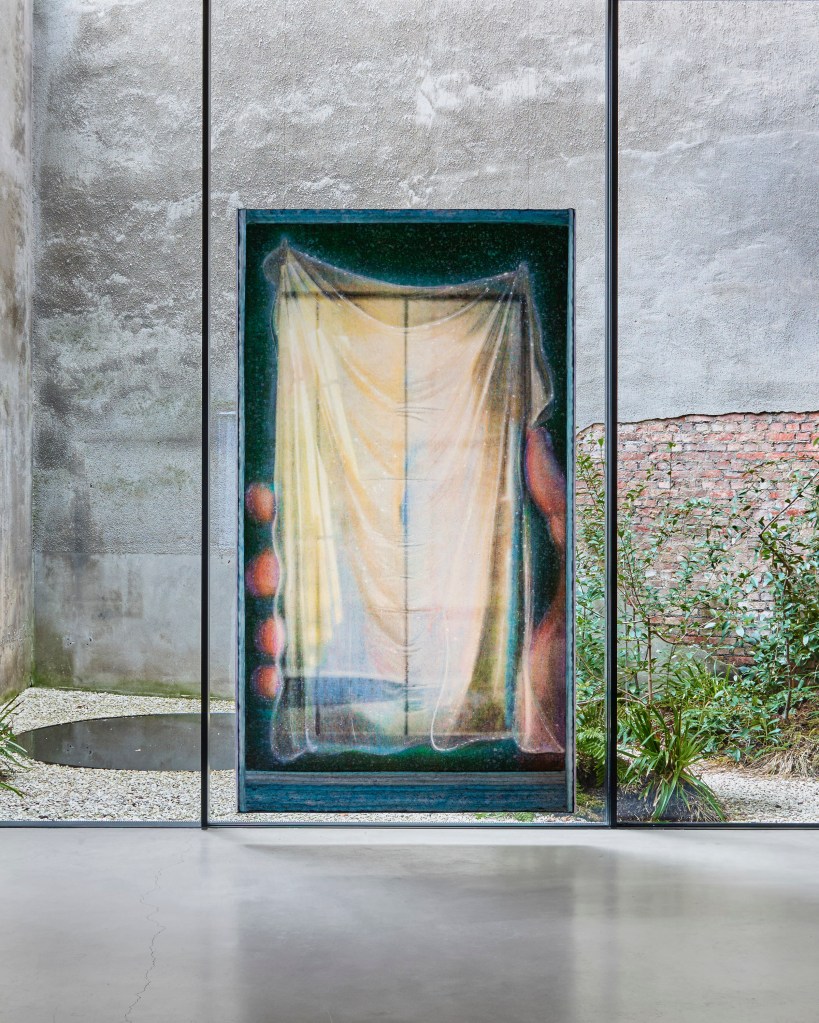
My work is deeply rooted in exploring the intersections of seemingly opposing forces: the analogue and digital, society and nature, past and future. Since my time at the academy, where I experimented with textiles, installation, video, and painting, I’ve been captivated by how these contrasts can merge and create something entirely new. Time, in all its complexity, is a constant theme—I’m fascinated by how it can be stretched, compressed, or even depicted in a static form. My childhood and adolescence were shaped by vivid night hallucinations, which I’ve come to see as both a blessing and a curse. They fueled my imagination but also challenged my sense of reality. This duality often manifests in my work, where the familiar can suddenly take on an otherworldly, almost dreamlike quality. It’s an attempt to make sense of time, memory, and perception, and how they intertwine to shape our understanding of reality.
3. How would you describe your artistic style and the evolution it has undergone over the years?
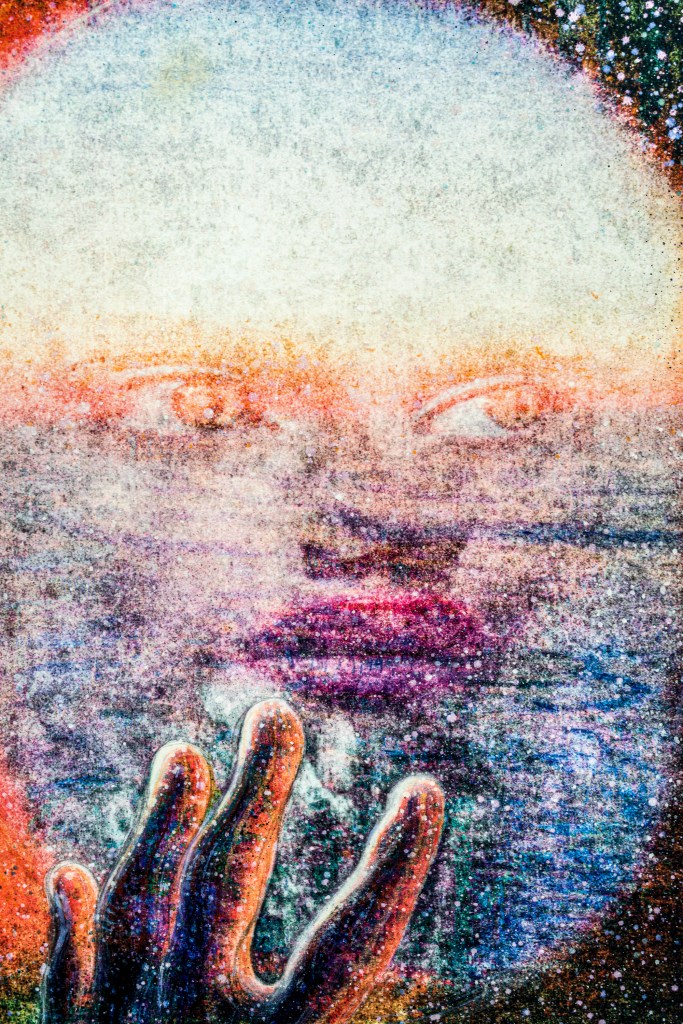
My artistic journey has been one of constant transformation, much like life itself. I began as a figurative painter in my teens, where the world seemed more straightforward, almost naïve in its clarity. As I matured, my work became increasingly abstract, reflecting my growing awareness of the complexities and ambiguities of life. The arrival of my first son in 2018 marked a significant turning point. Fatherhood introduced a new dimension of responsibility and introspection, which led me to develop a more structural and formalistic approach. My paintings from this period feel like fragments of life, carefully arranged yet constantly searching for balance and meaning. More recently, my style has evolved towards narrative figuration, though it remains infused with a sense of the surreal and otherworldly. The interplay between structure and narrative is essential to my practice—each feeds the other, creating a dynamic dialogue that keeps my work alive and ever-evolving.
4. Can you tell us about your creative process? How do you start a new piece and what materials do you typically use?
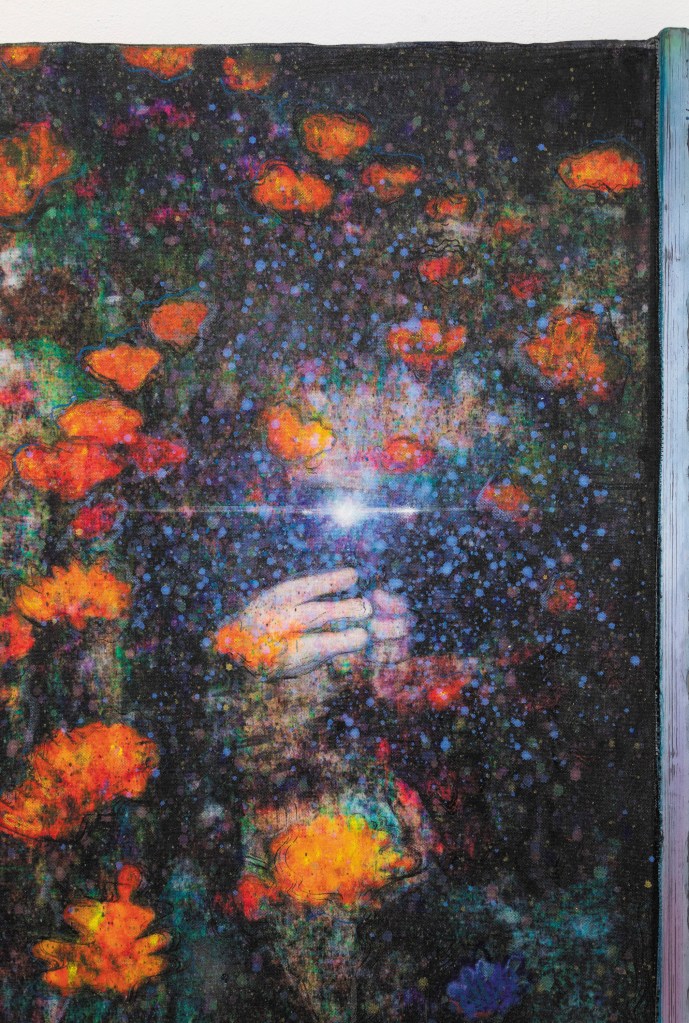
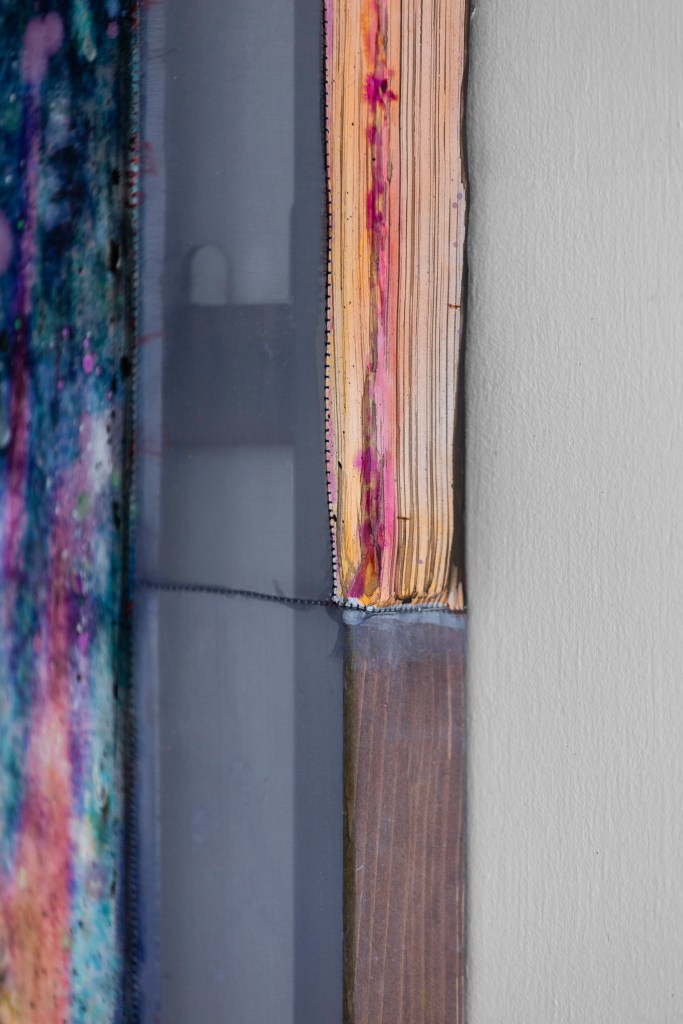
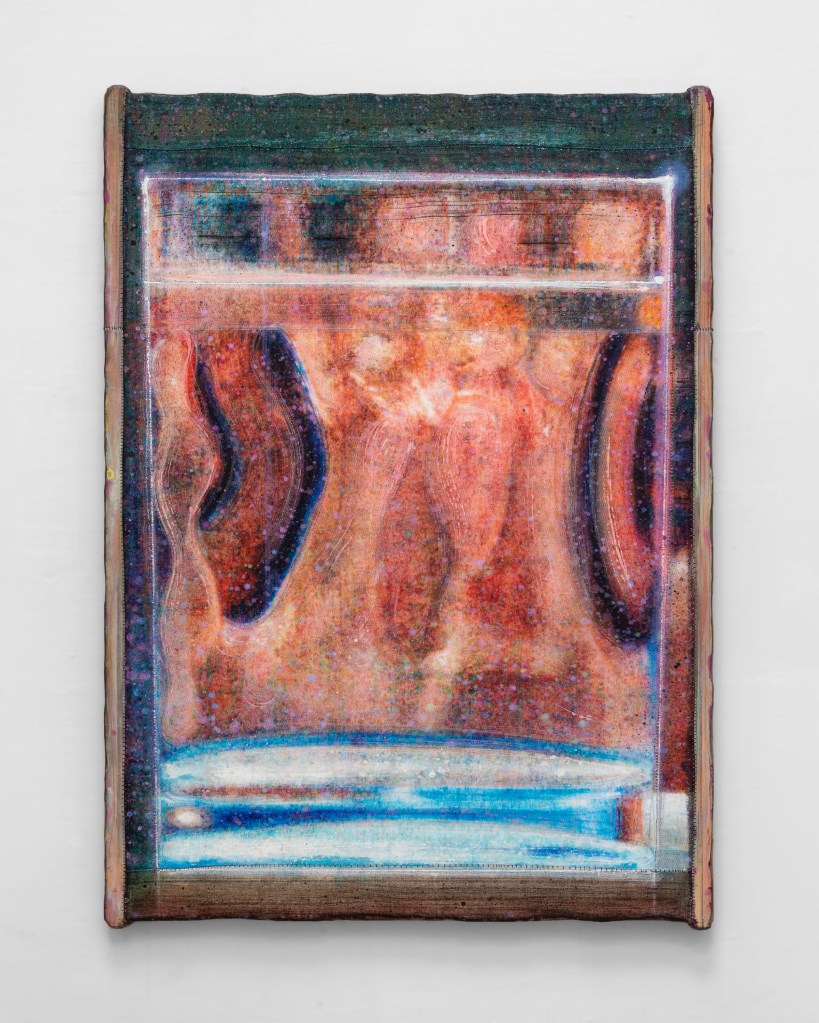
My creative process is less a series of steps and more an ongoing, organic cycle—a biosphere where ideas, materials, and forms continuously interact and evolve. I see my practice as a sustainable ecosystem, where one painting often gives rise to the next, sometimes even physically connecting across time through sewn seams or layered canvases. Some works begin with a blank canvas, others with a printed scan of an earlier piece or a material that’s been treated and transformed by its environment. This process allows for a fluidity between the digital and the physical, the past and the present. It’s a conversation between the different phases of my work, where each piece informs and enriches the next.
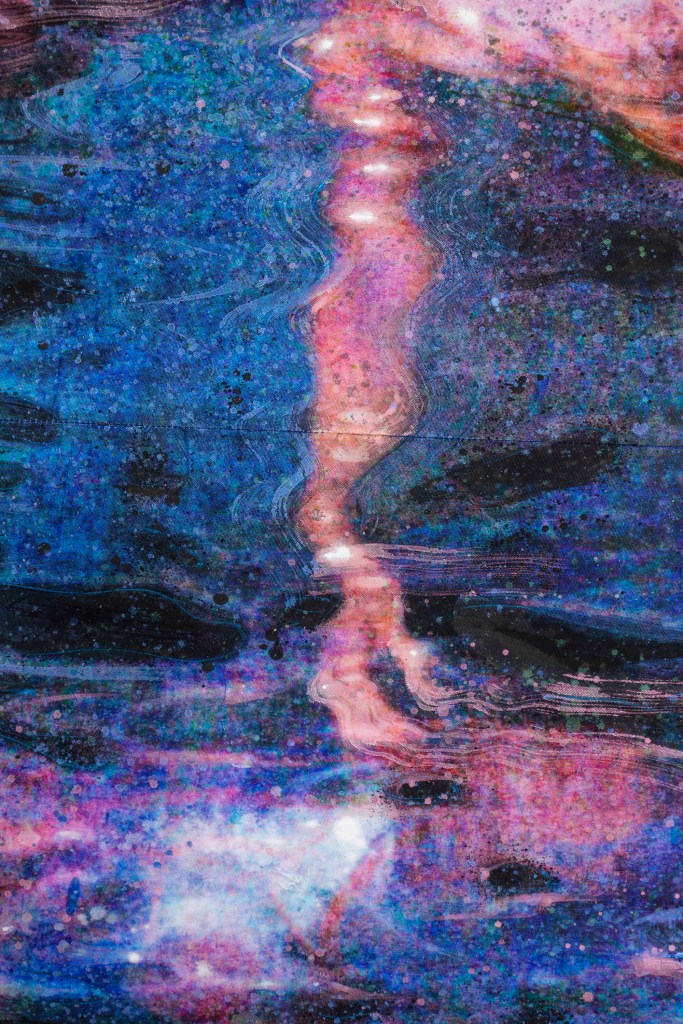
5. Your works often involve a dynamic interplay of textures and forms. How do you achieve this in your pieces?
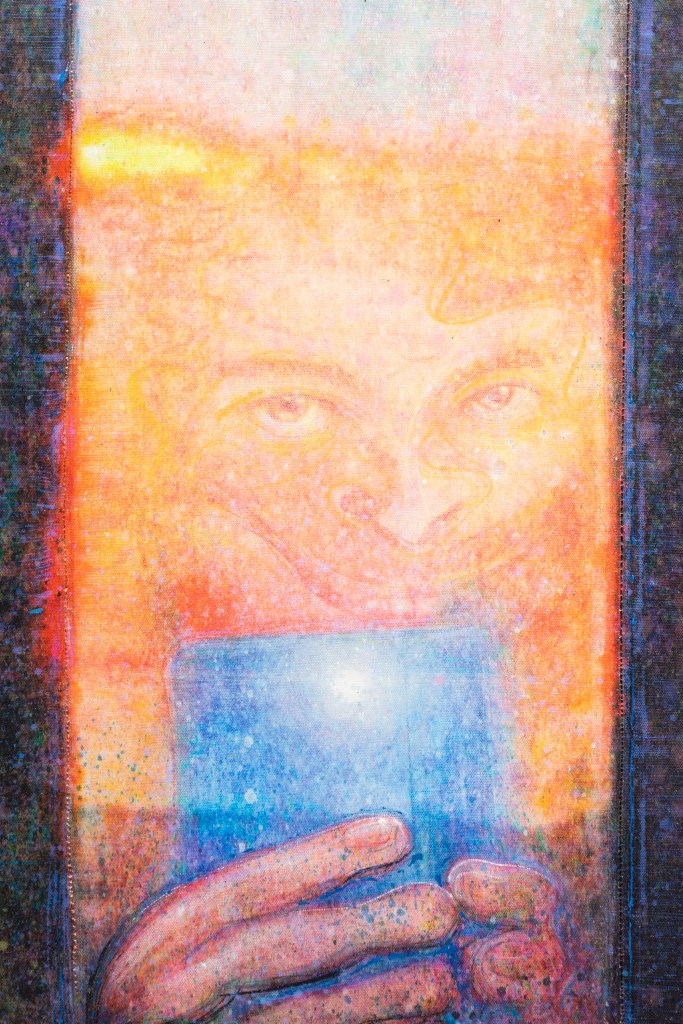
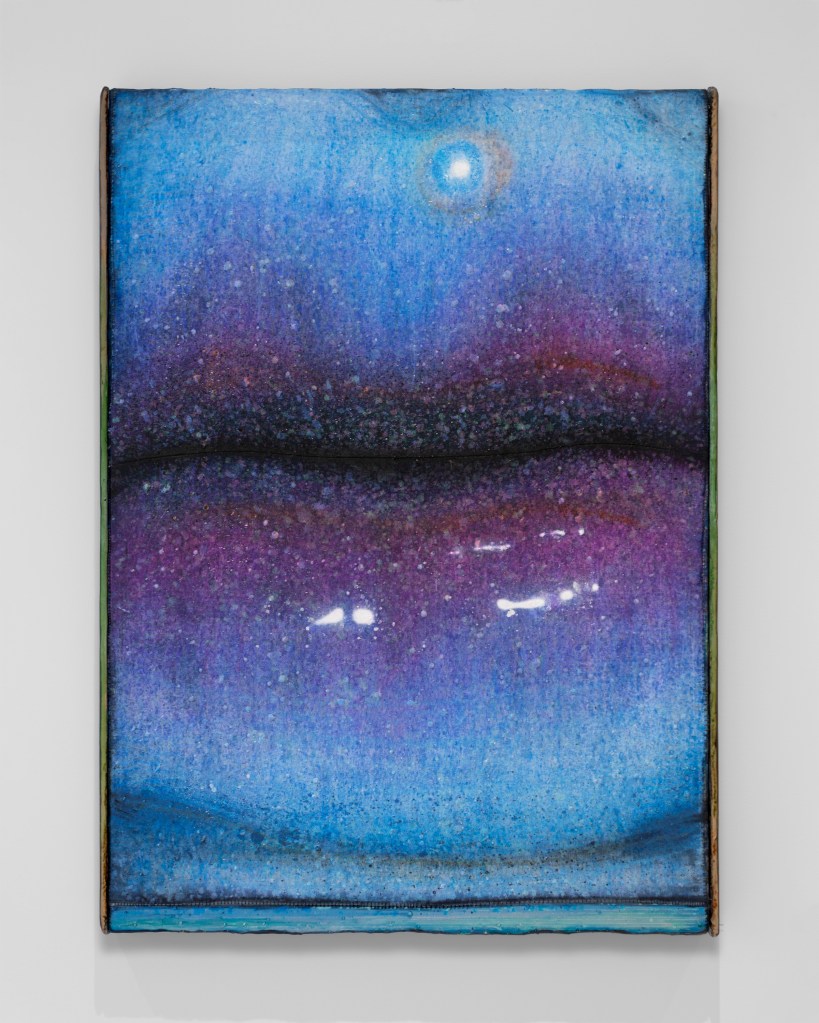
The interplay of textures and forms in my work is the result of a deliberate and meticulous process, one that draws on a vast toolbox of physical and digital techniques. I’ve spent years developing and refining these tools, each of which allows me to manipulate fabric and pigments in ways that create a unique visual and tactile experience. The soft intensity of light in my paintings is particularly significant—it’s a way of capturing a moment of clarity within the chaos, a signature element that reflects both the tension and the harmony within my work. This dynamic is central to my practice, where the materiality of the work is always in dialogue with its conceptual underpinnings.
6. How has living and working in Copenhagen influenced your art?
Copenhagen is a city of contrasts—its serene landscapes and historical architecture coexist with a vibrant, contemporary urban culture. This duality is mirrored in my work, where the tranquility of nature often clashes with the frenetic energy of contemporary life. The city’s light, especially during the long Scandinavian summer days and dark winter nights, has a profound effect on my color palette and the mood of my paintings. Copenhagen’s creative community is also incredibly supportive, offering both inspiration and a space for experimentation. It’s a place where tradition meets innovation, much like in my own practice, where the old and the new are constantly in conversation.
7. Can you describe a typical day in your studio?
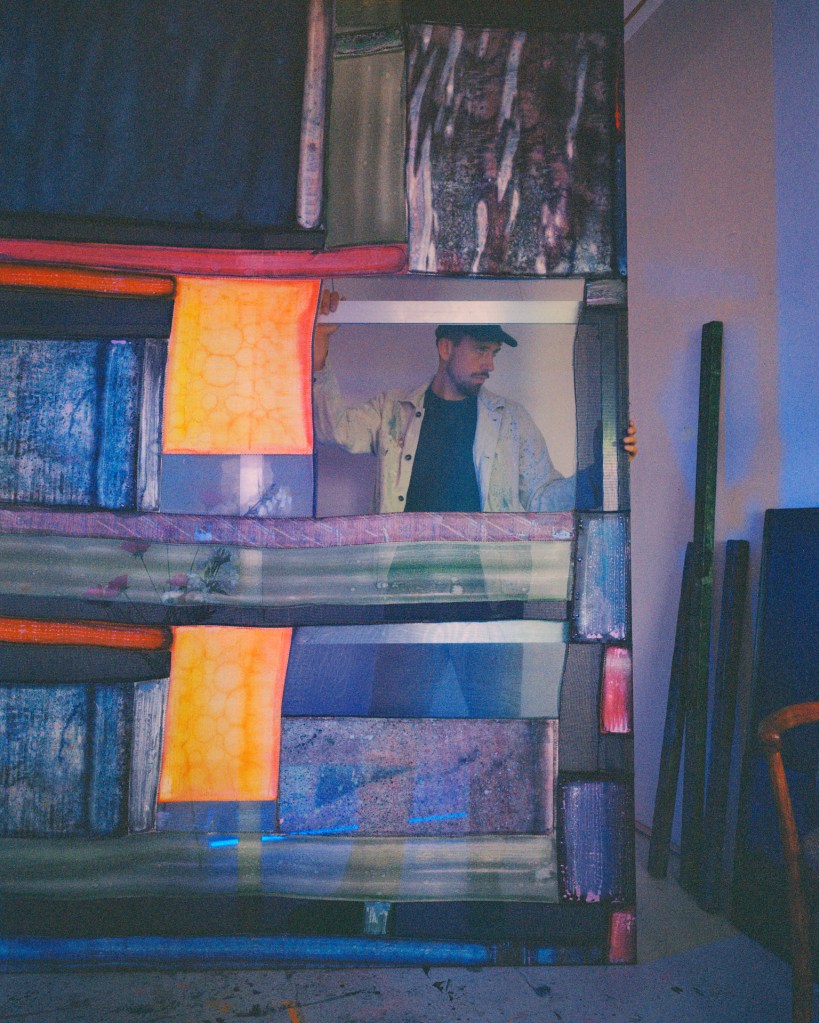
In truth, there is no “typical” day in my studio, just as there is no single path in life. My days are a blend of being a father, a painter, and a dreamer. To be as present as possible for my children, I aim to work during the day, although my mind still gravitates towards the quiet introspection of the night, where thoughts seem to crystallize under the moon’s influence. My studio time is sacred, a space where ideas are born, challenged, and refined. It’s a place where the chaos of life outside finds order, yet that order is always subject to disruption by a new idea or inspiration. The unpredictability of each day is what keeps the creative process alive and endlessly fascinating.
8. What themes or concepts do you find yourself exploring most frequently in your art?
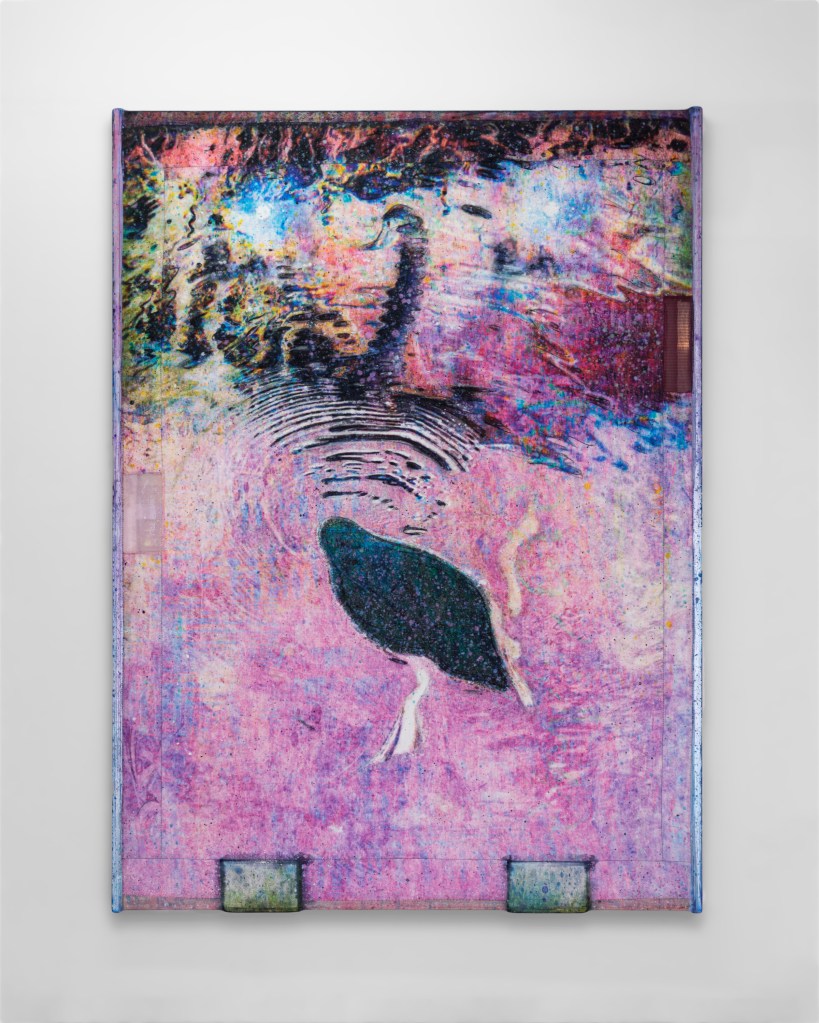
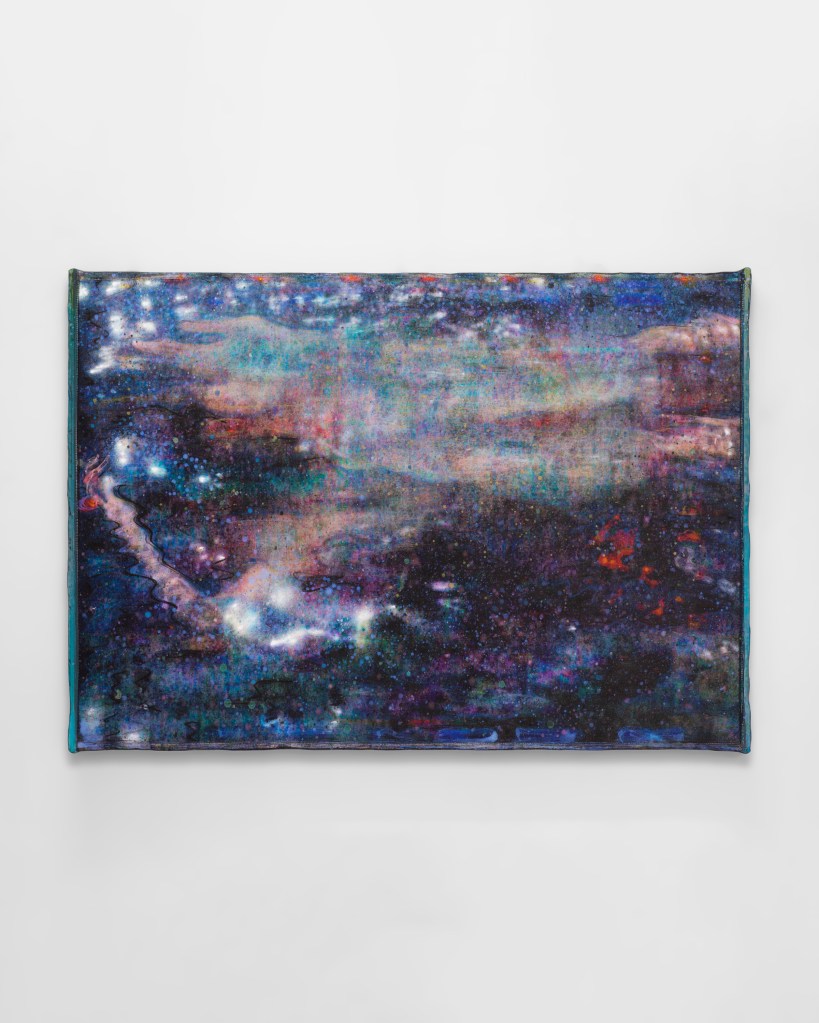
My work frequently explores the fluidity of time, the tension between the digital and the physical, and the complex relationship between humanity and nature. I’m fascinated by how these themes overlap and inform one another, creating a multi-layered narrative that reflects the complexity of modern life. There’s also a recurring exploration of identity—how it’s shaped, fragmented, and reconstructed by our experiences and the world around us. My art is a means of navigating these intricate networks of meaning, seeking to understand how they define our perception of reality and, ultimately, ourselves.
9. Are there any particular projects or pieces that you are currently working on or excited about?
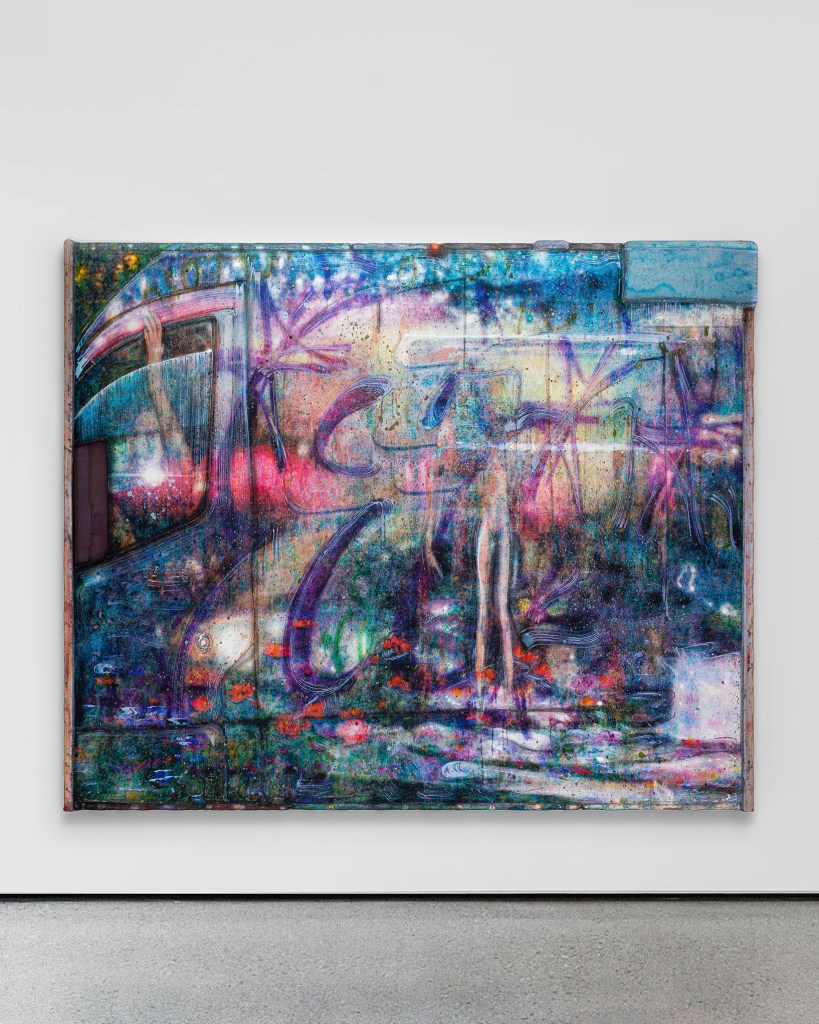
Yes, I’m currently preparing for participating in two institutional shows next year—one at Museum Jorn and another at HEART Herning Museum of Contemporary Art. These exhibitions are particularly exciting because they allow me to explore my practice in depth, within spaces that encourage both reflection and experimentation. I also have upcoming shows with my representative galleries in Antwerp, New York, and Mallorca, which offer opportunities to connect with different audiences and contexts. Additionally, I’ve recently started working on my first body of bronze sculptures. This to me new medium presents a fascinating challenge—bronze is steeped in tradition, yet I’m approaching it with contemporary techniques and ideas that push the boundaries of what’s possible within this classical form.
10. How do you see your work evolving in the future? Are there any new mediums or techniques you are interested in exploring?
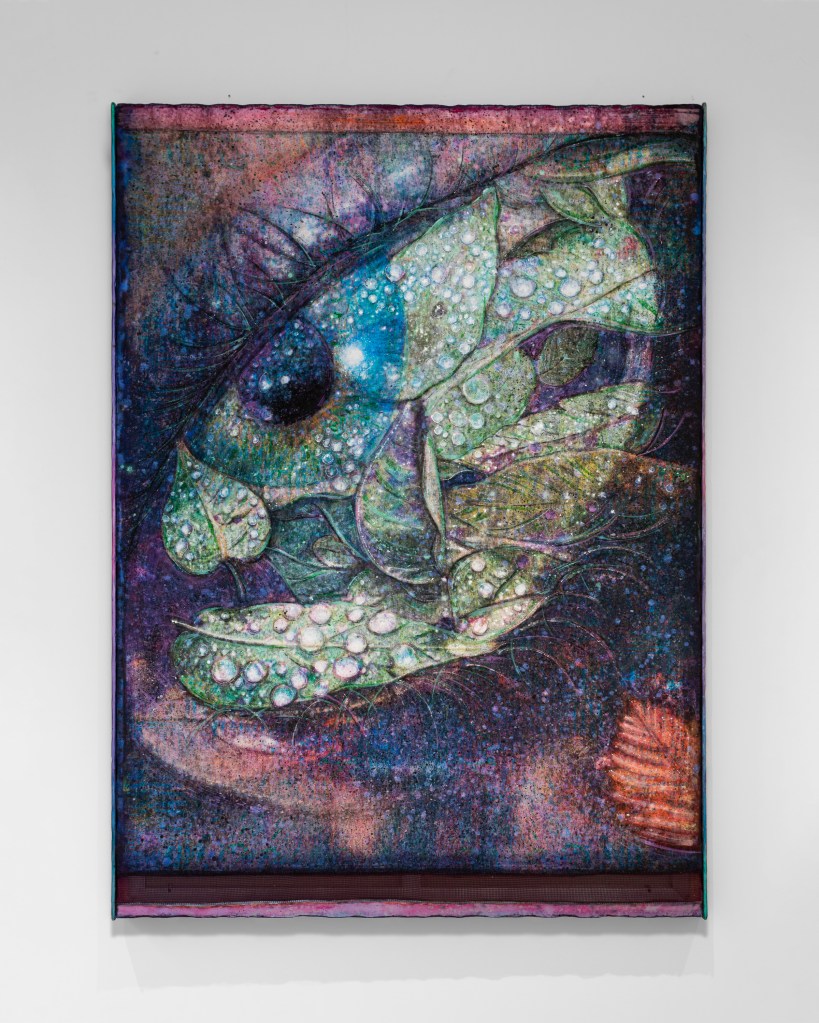
I’m particularly intrigued by the potential of bronze as a medium. It’s timeless, yet I believe it has the capacity to be reinvented through the lens of modern technology and ideas. I’m also interested in continuing to explore the intersection of digital and physical art forms, pushing further into how these worlds can merge and influence one another. My work has always been about evolution—each piece is a step in a larger journey, and I’m excited to see where that journey takes me next. The future holds endless possibilities, and I’m eager to explore new mediums and techniques that will allow me to delve even deeper into the themes that drive my work.
11. Could you share some advices for emerging artists who are just starting their journey?
My advice is simple but crucial: don’t let anyone dictate your path. Be true to yourself and follow what energizes you, while letting go of anything that drains you. The art world can be overwhelming, with countless voices offering advice, but the most important voice is your own. Trust in your vision and allow yourself the freedom to explore, to fail, and to grow. Your journey is uniquely yours, and it’s that uniqueness that will ultimately define your success.
12. What do you hope viewers take away from your artwork?
I hope my work evokes something in the viewer—whether it’s an emotion, a memory, or a moment of reflection. Art has the power to connect us to something greater than ourselves, to remind us of the shared experiences that make us human. In a world that often feels fragmented and uncertain, I hope my work can inspire a sense of hope, a belief in the possibility of transformation and renewal. If my art can spark even a small moment of connection or understanding, then I consider it a success.

 ART HUB
Leave a comment