
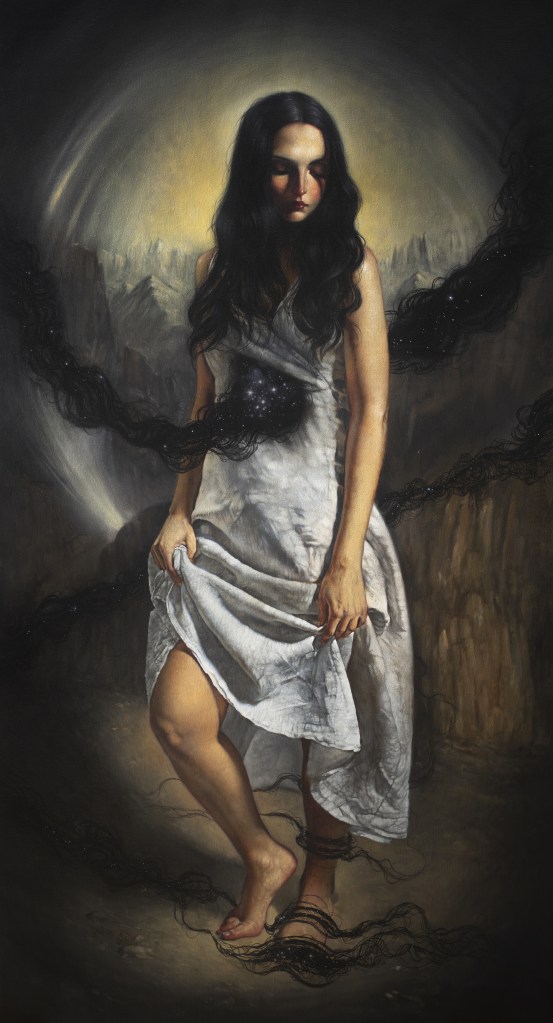
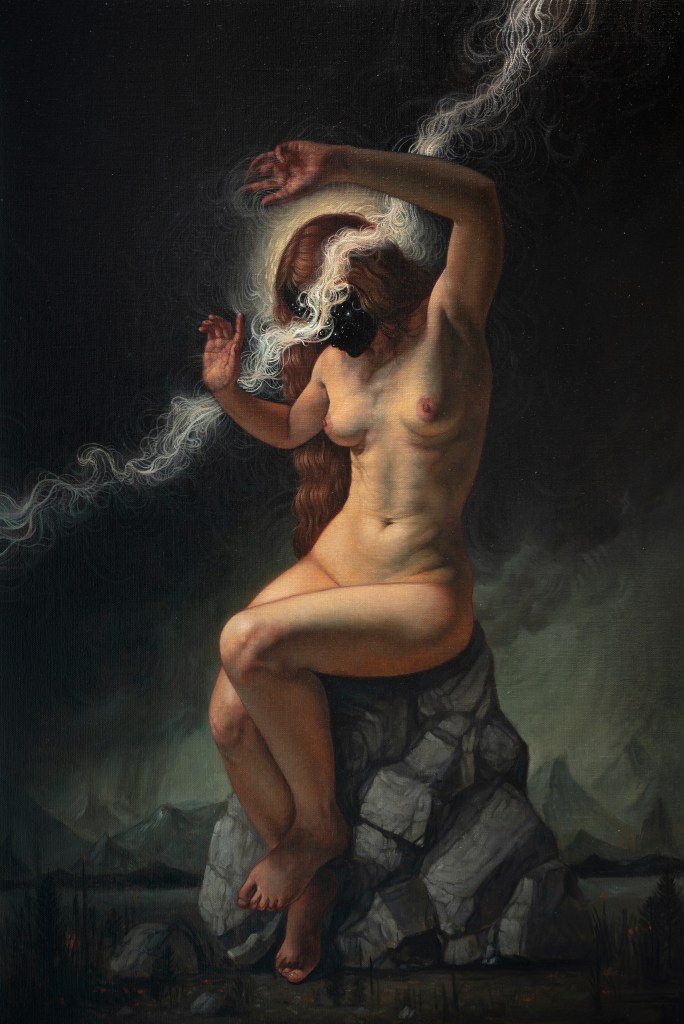
Ania Tomicka was born in 1985 in Łódz, Poland. When she was only 9 she moved to Italy, where she started to draw seriously: manga at first and realistic things afterward. She attended an art institute and graduated in 2004. During the school years, she starts to paint with oil colors, a technique that soon to become her favorite. Hence she attended the Academy of Fine Arts of Venice where she found a lot of inspiration for her realistic and academic art. A year later she moved to Tuscany where she graduated at the Academy of Fine Arts of Florence. She focused her interest in more things like digital art and illustration.
She also completed her studies at the academy of digital arts NEMO NT where she gained the title of student of the year. Ania has always been interested in realistic, renaissance works. At the moment she is inspired by baroque and surrealism.
1. Can you share with us how your early years in Poland and your move to Italy influenced your artistic journey?
I have always been interested in drawing, even when I was little. I would draw as much as I could just to be able to stay up past bedtime. When I moved to Italy at 9 years old, I just continued with my interest. It was when I first saw Sailor Moon that I started to draw more often just to be able to replicate my favorite characters from the show.
2. You started with manga and moved on to realistic art. How did this transition shape your approach to art?
I started to approach art more seriously from an analytic point of view. I wanted to learn how to draw properly so I started to train from life and photos. My parents also bought me some tutorial books that I would read and copy over and over.

From there, I started to really love the process of learning art, materials, techniques and styles.

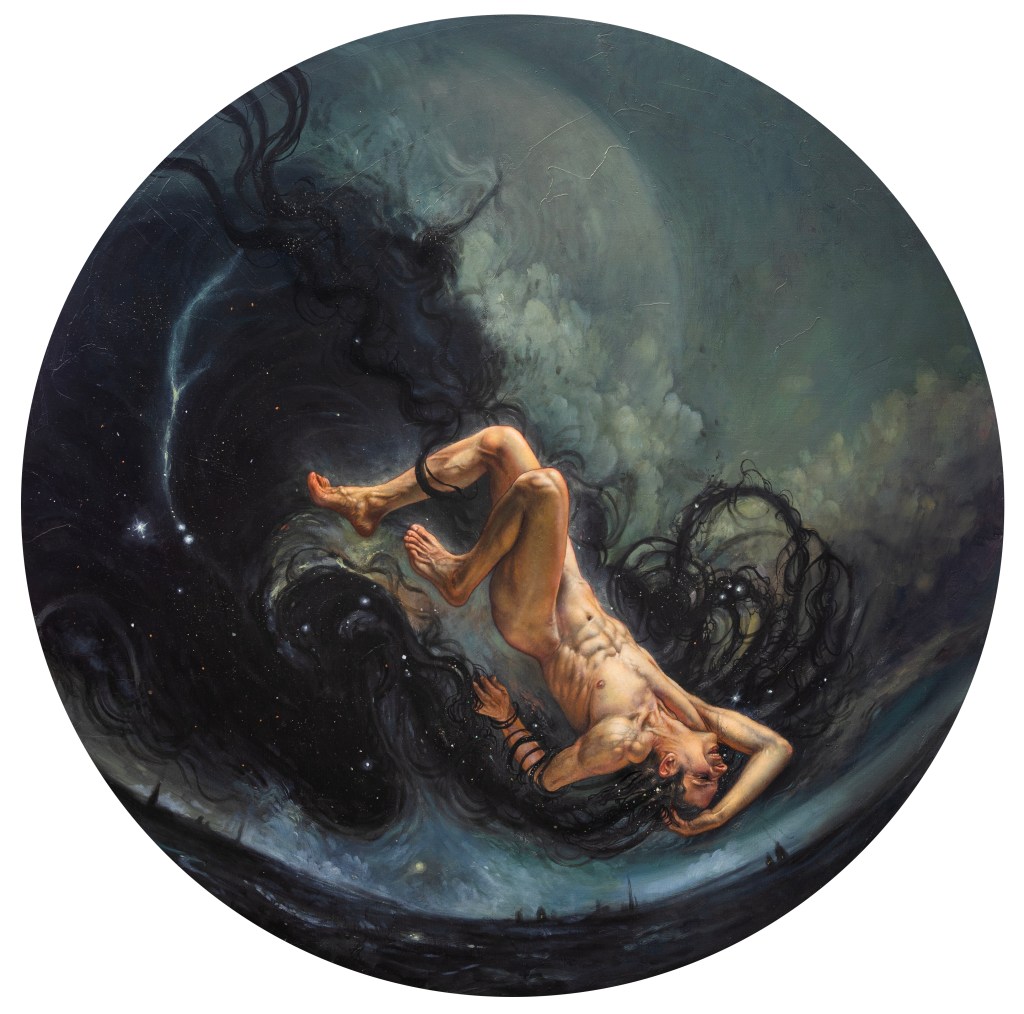
3. Oil painting is one of your favorite techniques. What draws you to this medium, and how has it evolved in your work over time?
Since my first encounter with oil paints, I felt a deep connection with their ability to create depth. I am also amazed by the versatility and how many amazing masterpieces were created with this medium.
It feels like a never ending learning process, because there are so many ways to approach oils. In the near future I would like to introduce more textures and visible brushstrokes.

4. You have a background in both traditional and digital art. How do you balance these two different styles, and do they influence each other in your practice?
I have to admit that I stopped with digital art a long time ago. But sometimes it helps me to make quick sketches on photoshop or on my iPad that I transfer onto canvas.
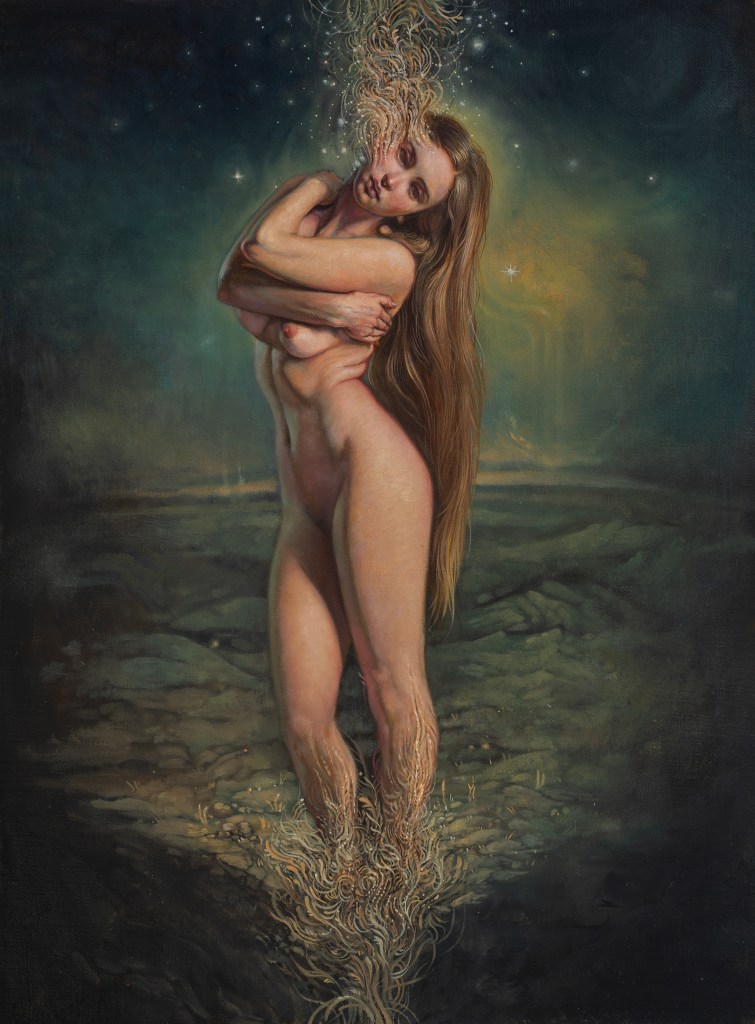


5. Your art often blends elements of Baroque, Renaissance, and surrealism. What about these movements resonates most with you, and how do they manifest in your work?
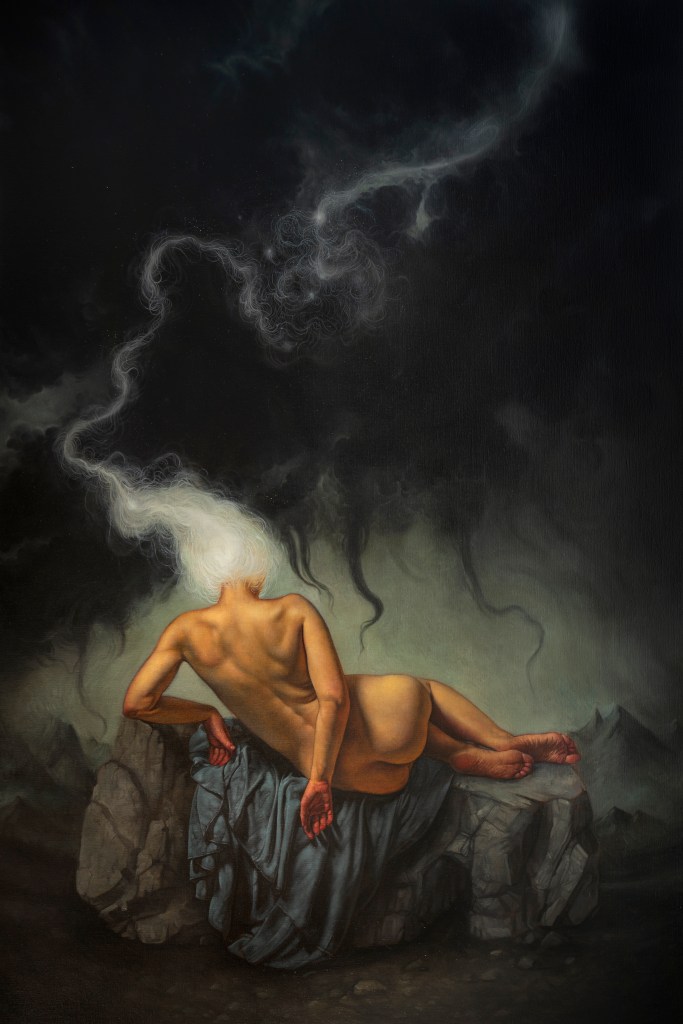
I love the technique of the Renaissance painters, the theatrical compositions of Baroque and the absurd worlds of surrealism, even if I am more inspired by magic realism at the moment. I try to incorporate each one of them in my work to convey a dream like feeling.

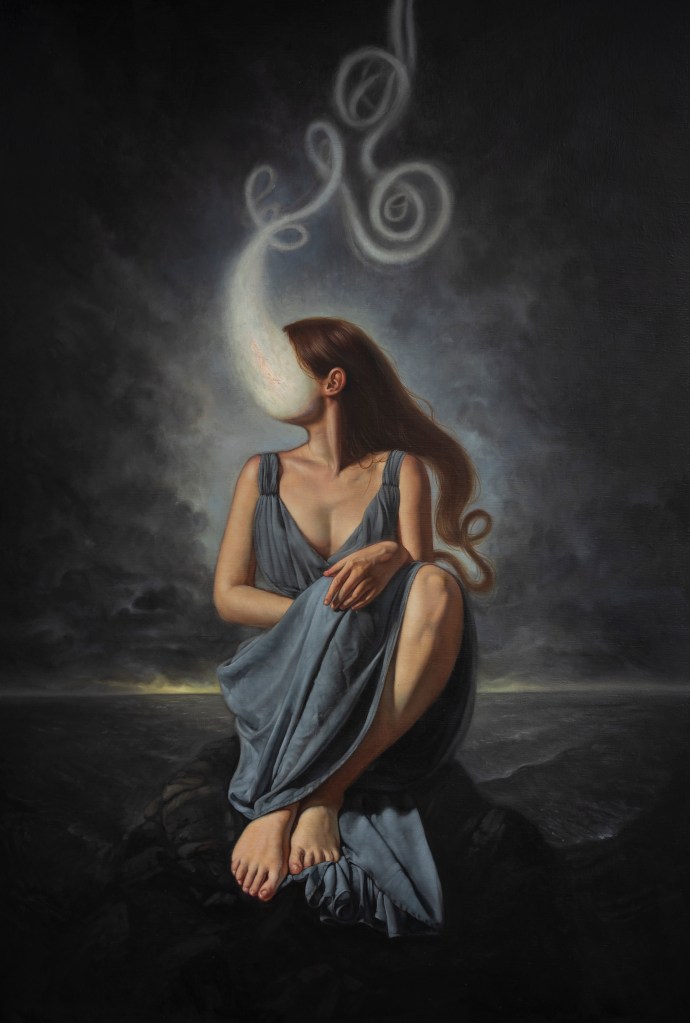
6. What does your typical day in the studio look like? Do you have any specific routines or rituals that help you get into the creative flow?
I struggle a lot with productivity and consistency, but I try hard every day to overcome those aspects.
My perfect day routine would be wake up early, go for a run, breakfast and then paint as long as I can. When I am able to accomplish this, my day is a lot better and I can focus more.
My realistic day is wake up at 7.30, eat breakfast, scroll reddit and then paint with an audiobook in the background. In the evening I go for a workout and play video games. Also reading before bed helps a lot to wake up more refreshed and inspired the day after.
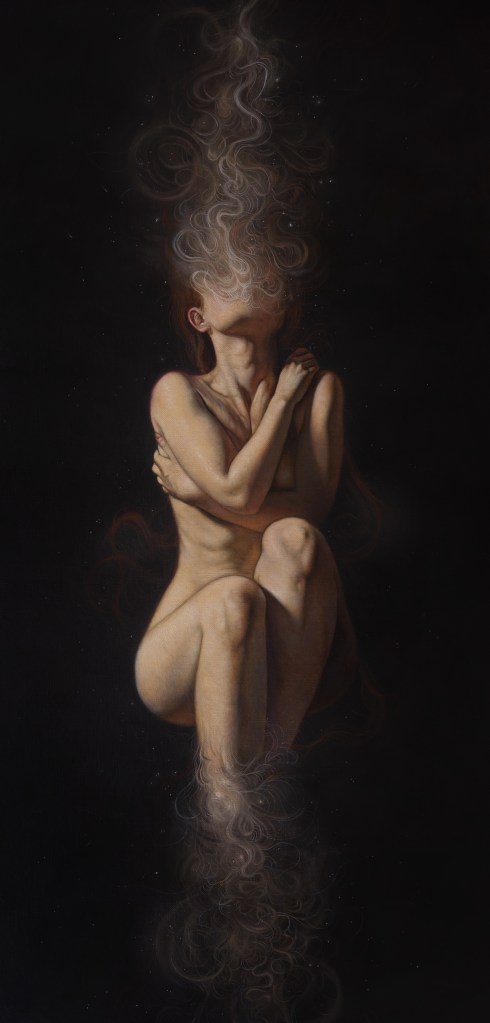
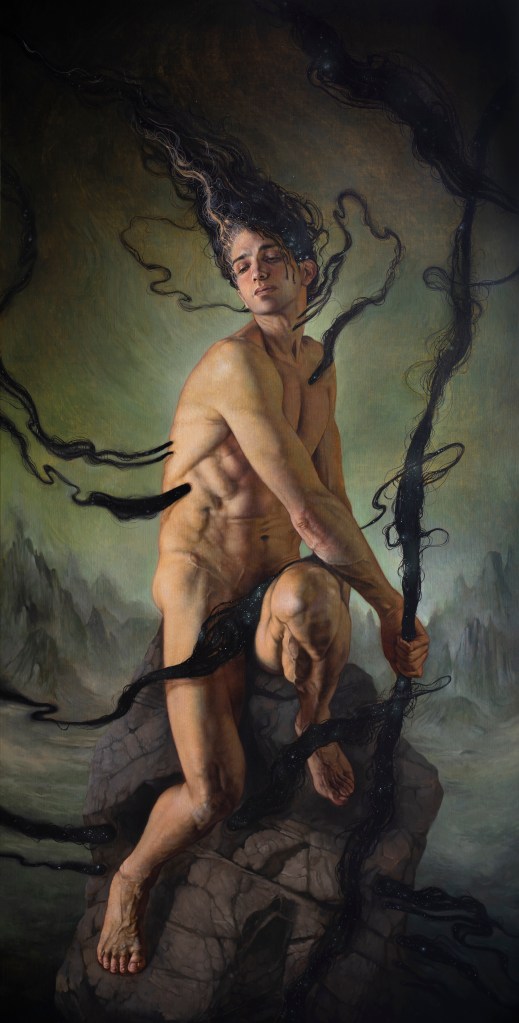
7. You’ve been recognized for your academic and digital art studies. How did your time at the Academy of Fine Arts and NEMO NT shape your perspective on art?
The academy in Italy wasn’t very good when I was a student there. It made me very sad to be in such a renown school and be unable to learn how to paint. I wanted to learn the basics and never did. It was in 2017 that I finally saw what having a good technique was like: I was part of the workshop with Giorgio Dante and Roberto Ferri and it changed my style and approach forever.
The Digital art school was way better but it was focused on another type of career; I’ve always knew I wanted to be a painter.
8. Your paintings often have a dreamlike, almost otherworldly quality. What inspires the themes and subjects you explore?
I’m deeply inspired by the intersection between reality and imagination. Much of my work is influenced by dreams, emotions, and the subconscious, those moments that exist between waking and sleeping, where reality blends with fantasy. I like to explore themes of memory, identity, and the unknown. I aim to invite the viewer into these worlds, encouraging them to reflect on their own inner landscapes and interpretations of reality.

9. What challenges have you faced in your artistic career, and how have you overcome them?
One of the biggest challenges I am facing is balancing the creative process with the business side of being an artist. I lack a good marketing training and I am not a big social media enjoyer. Early in my career, it was very easy to promote myself, there were no strange algorithms and my audience grew constantly. Now it is a struggle, my work is often removed due to nudity and I can’t do anything about it.
I didn’t overcame this problem, I just know that my artistic integrity is more important.

10. Looking ahead, what are some themes or projects you are excited to explore in the future?
Right now I am developing a body of work with multiple figures and bigger canvases. The problem is I really enjoy working on tiny pieces on my desk instead of big ones on the easel so I am trying new ways to integrate both working small on bigger canvases. It could lead nowhere, but who knows! I am lucky to never run out of ideas, I always want to try new things!

 ART HUB
Leave a comment