
When I began my university studies, the dawn of social media brought with it an exciting new frontier for artistic exploration. Platforms like Tumblr and Facebook became more than just tools for connection; they were radical spaces for experimentation, where I could fuse visual and textual elements in ways that resonated both critically and personally. Each post was a carefully curated experience, a blend of imagery and narrative that allowed me to explore my work’s nuances and share it with a select, engaged audience.
The immediacy of feedback was intoxicating. Suddenly, art was no longer confined to galleries or private studios; it was alive, dynamic, and evolving in real time, shaped by the interactions and insights of a digital community. The semi-anonymity of these platforms offered a rare freedom—an ability to push boundaries without the weight of immediate judgment, fostering a boldness in my work that might not have emerged in more traditional settings.
However, the very platforms that once sparked my creativity have since become restrictive, even suffocating. The unique aesthetic I cultivated over years has been co-opted by social media algorithms, reduced to Instagram filters that strip away the depth and context of the original work. What was once an empowering tool for expression has morphed into a mechanism of conformity, where the value of art is often measured by its potential for virality rather than its intrinsic meaning.
Moreover, the art world itself has become increasingly insular and risk-averse. Galleries, once champions of innovation, now seem paralyzed by the rapid pace of technological change. Rather than embracing new media and the possibilities it offers, many institutions cling to established names, sidelining emerging artists whose work doesn’t neatly fit into traditional categories. The result is a stifling of creativity, where the avant-garde is sidelined in favor of the familiar and the safe.
Compounding this issue is the growing commercialization of art in the digital age. Collaborations between artists and brands, once based on mutual respect and creative synergy, have become transactional, often hinging on an artist’s social media following rather than their artistic vision. The artist is increasingly seen as a commodity, valued more for their ability to generate clicks and likes than for the originality or impact of their work. As Hans Ulrich Obrist notes, “Art is increasingly a tool for marketing, rather than a cultural commentary”.

This trend extends beyond the digital realm, infiltrating the broader art world where commercial interests frequently overshadow artistic integrity. Art fairs, which were once vibrant spaces for discovery and innovation, are now dominated by blue-chip galleries that prioritize works with decorative appeal over those that provoke thought or challenge convention. As a result, market demands have sidelined emerging artists and stifled experimental or unconventional works, narrowing the definition of what is recognized as “art”. Financial viability has increasingly taken precedence over creative exploration, distorting the trajectory of contemporary artistic expression.
In light of these commercial pressures, a troubling paradox emerges: never before have artists had so many tools at their disposal, yet the spaces for genuine, unfiltered expression seem to be shrinking. The challenge now is to reclaim the autonomy that was once the hallmark of digital creativity. This might involve rethinking how we use social media—not as an end in itself, but as a means to build communities and foster dialogue outside the confines of algorithms.
This shift also demands a critical reevaluation of the art world’s entanglement with technology and commerce. As artists, we must challenge the institutions that represent us to foster greater inclusivity, diversity, and a willingness to embrace the unknown. This may require breaking away from traditional models and exploring new avenues for exhibition and distribution. Art should be valued not for its market appeal, but for its ability to challenge perceptions and drive meaningful change.

Yet, this very call for deeper engagement becomes more pressing as we observe the rapid emergence of new media fairs, digital art festivals, and technology-infused museums. At first glance, these venues seem to represent a bold step forward, embracing the possibilities of the digital age and offering fresh platforms for artistic expression. However, beneath the surface, there’s a troubling trend: the shift from substantial, insightful content to mere spectacle.

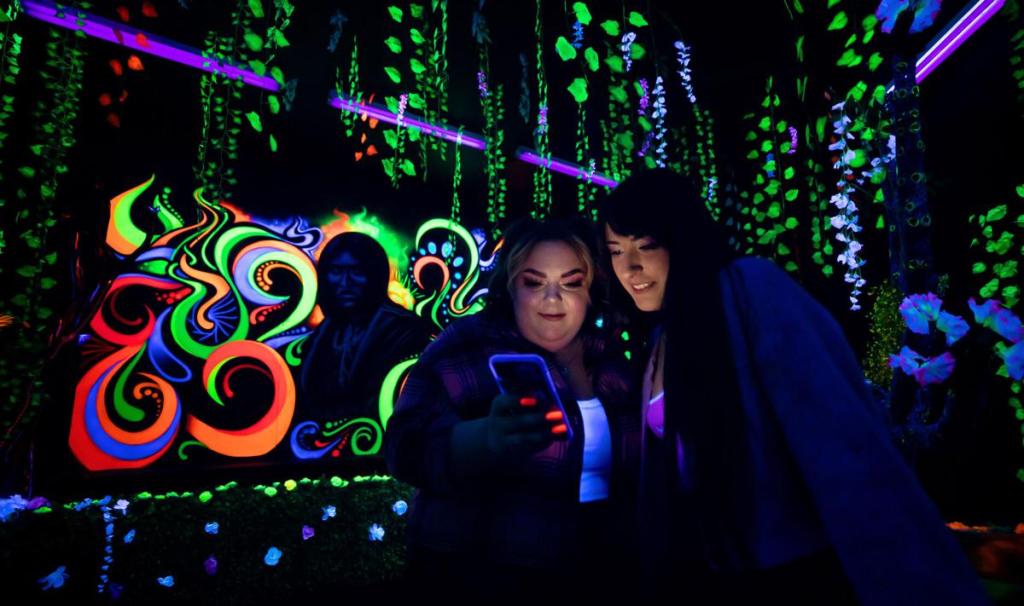
These new venues often prioritize novelty over depth, immersing visitors in what can feel more like an amusement park than a space for critical reflection. The focus seems to be on creating visually stunning, Instagram-worthy moments that will drive social media engagement rather than fostering deeper understanding or conversation about the digital age and its impact on our communication and culture.
The digital age presents unique opportunities to explore the complexities of our increasingly interconnected world. Yet, instead of engaging with these issues, many new media festivals and exhibitions offer experiences that are more about sensory overload than intellectual engagement.
The art on display is often designed to dazzle, with little regard for the messages or ideas it might convey. The result is a commodification of the art experience, where the value of a work is measured by its ability to generate likes and shares, rather than its potential to challenge perceptions or evoke deep, transformative responses.
One of the most telling symptoms of this shift is the rise of the “Instagrammable” art installation. These are works designed specifically to be photographed and shared on social media, often featuring bold colors, striking visuals, and interactive elements that encourage visitors to snap selfies. While these installations may attract large crowds, they often do so at the expense of artistic integrity. The experience is fleeting, designed to be consumed and discarded like any other piece of social media content.
This phenomenon is not limited to a few high-profile installations; it has become a defining feature of many new media venues. The focus on creating shareable moments has led to an environment where art is increasingly seen as a commodity, something to be experienced superficially and then posted online for validation. As critic Dave Hickey puts it, “Art has become a commodity to be consumed rather than a cultural product to be contemplated”.
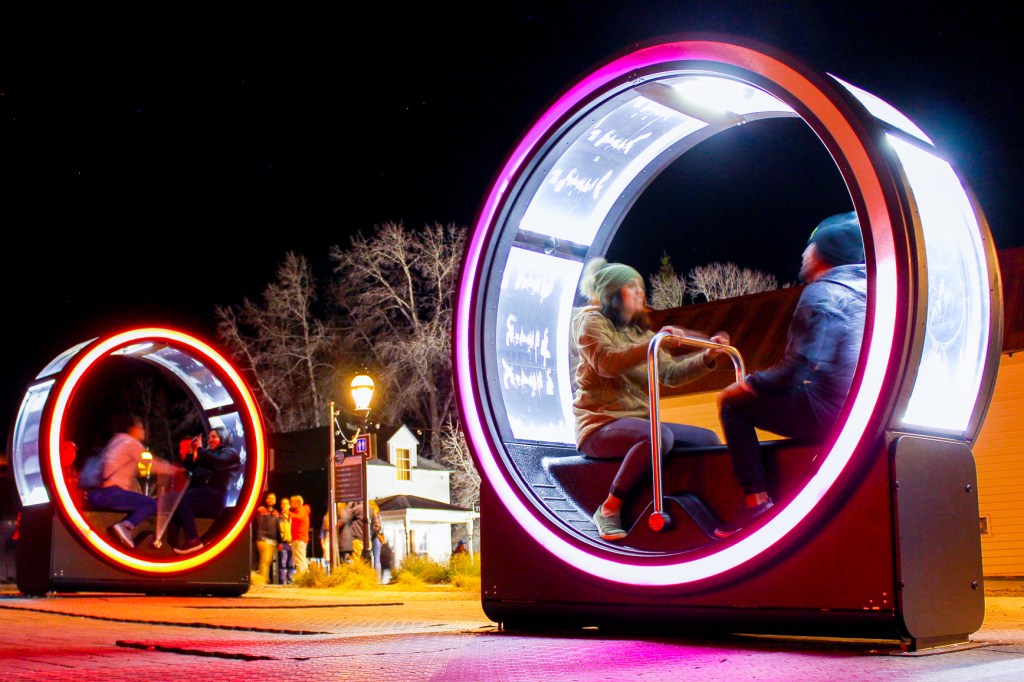
The emphasis on spectacle over substance represents a missed opportunity for the art world. The digital age is rife with questions about identity, communication, and the role of technology in our lives. These are issues that new media art is uniquely positioned to explore, yet too often, they are overlooked in favor of creating visually appealing but ultimately shallow experiences.
Rather than using technology to delve into the complexities of our contemporary world, many of these venues seem content to offer distractions. In doing so, they risk trivializing the very tools and mediums that could be used to challenge perceptions and inspire critical thought.
As the art world continues to evolve in the digital age, it is crucial that we push for a return to substance. This doesn’t mean rejecting new media or digital art; rather, it means encouraging artists and institutions to use these tools in ways that engage viewers on a deeper level. The potential of digital art lies not in its ability to create spectacle but in its capacity to illuminate, challenge, and transform our understanding of the world.

Amidst the commodification and spectacle-driven nature of contemporary art and digital culture, another profound issue emerges: the erosion of truth and the rise of prejudice. In an age where information is increasingly filtered through algorithms and echo chambers, the distinction between fact and fabrication becomes blurred. This shift mirrors the Post-Truth Era, where emotional appeals and misinformation often outweigh objective reality.
In the context of art, this distortion manifests in the way narratives are shaped by popular opinion rather than genuine critique. Art that challenges prevailing norms and truths is sidelined in favor of work that conforms to dominant ideologies or market trends, reinforcing existing prejudices rather than questioning them. This situation aligns with Critical Theory, which emphasizes the role of art in challenging societal norms and exposing hidden biases.
The commodification of art, driven by social media metrics and commercial interests, further exacerbates this issue, as the pursuit of likes and shares often supersedes the pursuit of truth and intellectual engagement. As a result, we face a crisis where art, a once-powerful tool for revealing truths and challenging prejudices, risks becoming yet another vehicle for reinforcing superficial and prejudiced perspectives.
The challenge, therefore, is not only to reclaim artistic autonomy but also to restore the role of art as a space for genuine exploration and critical reflection in the face of a fractured and often misleading media landscape.
In response to the commercialization and polish of mainstream art spaces, guerrilla art communities have emerged, striving to resist commodification by creating raw, unfiltered work in alternative settings. These groups, often driven by a naively romantic view of art as a form of rebellion, seek to challenge traditional structures and reconnect with art’s radical roots. However, their efforts frequently fall short. Their rebellion often resembles a teenager’s defiant stance, characterized by the use of grandiose language that lacks real impact. This results in an environment where critiques of the existing system overshadow any meaningful attempts to propose or build a new one.
This stagnation is exacerbated by the very medium these artists seek to subvert: social media. Once a tool for mobilization and spreading revolutionary ideas, social media has increasingly become a barrier to genuine progress. The ease and immediacy of online activism have bred a form of lazy thinking, where the appearance of rebellion takes precedence over substantive change. Hashtags and viral posts, while momentarily powerful, often substitute for real action, leading to a superficial engagement with the issues at hand.
Instead of pushing the boundaries of thought or creating art that meaningfully challenges entrenched norms, many artists within these guerrilla movements fall into the trap of performative dissent. Influenced by the fleeting nature of social media trends, their work often lacks the depth and rigor required to effect real change. It tends to focus more on projecting a rebellious image than on developing innovative frameworks or forward-thinking ideas. In this way, social media has not only commodified mainstream art but has also dulled the edge of what should be its most radical counterparts.
The result is a kind of intellectual complacency. Artists, seduced by the rapid validation of likes and shares, may mistake this shallow engagement for genuine impact. The promise of social media—to democratize art and amplify revolutionary voices—has instead fostered a culture where the boldness of ideas is often sacrificed for the sake of digital convenience. The guerrilla art that once held the potential to disrupt and inspire has, in many cases, become a victim of the very system it seeks to critique, reduced to just another product for consumption in the the unceasing flow of content.
In short, we need to break free from the suffocating grip of social media. It’s a harsh truth that our lives, both personal and professional, have become deeply entangled in these platforms, with social interactions, career opportunities, and even our self-worth often measured by likes, shares, and followers. But we must confront the reality that real, radical change—the kind of change that challenges the status quo and inspires new ways of thinking—won’t be birthed in the superficial, algorithm-driven world of Instagram.
Social media has become a double-edged sword. On one side, it offers a platform for visibility, connection, and even activism. On the other, it traps us in a cycle of instant gratification and shallow engagement, where the value of our thoughts and creations is too often reduced to metrics and fleeting trends. We’ve allowed our creativity to be commodified, our critical thinking to be dulled, and our potential for true innovation to be hijacked by the endless scroll.
If we are to create a new perspective, one that truly disrupts and transforms, we must be willing to detach from these digital distractions. This isn’t just about spending less time online; it’s about reclaiming the intellectual rigor and depth that art and meaningful discourse demand. We need to step away from the seductive pull of social media validation and invest our energy into spaces and practices that prioritize substance over spectacle.
The future of art, culture, and critical thought depends on our ability to rise above the noise, to resist the lure of digital conformity, and to forge paths that lead beyond the screen. It’s time to stop scrolling, start thinking deeply, and create a new narrative that isn’t dictated by algorithms but by the power of bold, uncompromised ideas.

 ART HUB
Leave a comment