

As we begin a new month, let’s take a moment to recap some significant cultural events that occurred in August.
While much of the world’s attention was on the upcoming Olympic Games in Paris, the art world saw a different kind of excitement as street artist Banksy made headlines with a series of new works across London. These animal-themed pieces, which include striking images of two elephants facing each other in Chelsea and a stenciled mountain goat near London’s Kew Bridge, reignited public fascination with Banksy’s unique blend of social commentary and visual art. The installation of a howling wolf stenciled onto a white satellite dish drew particular attention, although the excitement was short-lived when the satellite dish was stolen soon after its appearance. These works continue to fuel speculations about Banksy’s intentions, demonstrating his enduring influence on the art scene.
Art wasn’t just making waves in the streets, but also in London’s public spaces. On August 7, a new sculpture by the legendary Yayoi Kusama was unveiled at Liverpool Street Station, one of London’s busiest subway hubs. The installation, titled “Infinite Accumulation” (2024), is Kusama’s first permanent public work in the UK and features a series of interconnected reflective silver spheres. The sculpture’s unveiling, which quickly became a landmark event, underscored the collaborative efforts of Transport for London, British Land, and the City of London Corporation to bring more art into public life. This cultural enrichment reflects a broader trend of integrating high art into everyday urban environments, offering the public new ways to engage with contemporary works.
While London was embracing new art, the art world was also grappling with issues of authenticity and forgery. In a dramatic turn of events, a Spanish man was arrested in Madrid for attempting to sell a forged painting falsely attributed to Leonardo da Vinci. The suspect, en route to Milan with hopes of selling the counterfeit for €1.3 million ($1.4 million), was stopped by Spanish authorities, who later revealed the painting’s actual value to be between €3,000 and €5,000 ($3,200 and $5,400). This arrest highlights the ongoing challenges the art market faces in maintaining the integrity of its historical treasures.
Speaking of Leonardo, another story connected to the Renaissance master emerged this month. The whereabouts of “Salvator Mundi,” attributed to Leonardo da Vinci and valued at $450 million, have remained a mystery since its record-breaking sale at Christie’s in 2017. However, rumors suggest the painting is stored in Geneva, with possible plans for it to be displayed in a future museum in Riyadh. Saudi Arabia’s Crown Prince Mohammed bin Salman, the painting’s owner, reportedly intends to make it a cultural centerpiece, reflecting the growing trend of using high-profile artworks to enhance national prestige.
Back in the United States, the cultural scene was marred by natural disaster. Hurricane Beryl, which struck the Caribbean and the Yucatán Peninsula before making landfall in Texas on July 8, caused significant damage to the Rothko Chapel in Houston. Home to 14 of Mark Rothko’s ‘Seagram Mural’ paintings, the chapel was forced to close indefinitely after three of the murals, along with parts of the ceiling and walls, were damaged. The extent of the repair costs and the timeline for the chapel’s reopening remain unclear, leaving the art community anxiously awaiting updates on the future of this cultural landmark.
Meanwhile, Meta CEO Mark Zuckerberg created a buzz with a more personal cultural contribution. In August, he unveiled a 7-foot-tall statue of his wife, Priscilla Chan, in a lush garden setting. Created by New York-based artist Daniel Arsham, the statue has sparked considerable discussion, adding a unique and personal touch to the month’s cultural highlights. This event illustrates how art continues to intersect with the personal lives of public figures, bringing private moments into the public eye.
In the realm of philanthropy, the Andy Warhol Foundation for the Visual Arts launched the Philanthropy Factory initiative, selling Warhol’s works on eBay to raise funds for 74 arts organizations across the U.S. This innovative approach, which aims to generate $1.5 million through the sale of photographs, prints, and posters, highlights the foundation’s commitment to supporting the arts. The initiative reflects a growing trend of using art sales as a means to fund cultural institutions, ensuring that Warhol’s legacy continues to support future generations of artists.
New York City is also set to welcome a new urban monument, reflecting its dynamic and ever-evolving cultural landscape. A 16-foot-tall aluminum pigeon sculpture, titled “Dinosaur” (2024), by Paris-based artist Iván Argote, will soon be installed atop the High Line elevated park. This hyperrealistic piece will celebrate the resilience of the city’s pigeons, symbolizing the survival instincts that are as much a part of New York as its people. The installation ties into the city’s tradition of embracing diverse and often unconventional forms of public art.
Across the Atlantic, in Sussex, UK, efforts to preserve the legacy of artist and poet William Blake received a boost in August. New funding was secured to repair the deteriorating thatched roof of Blake’s former cottage, where he lived with his wife and created some of his most famous works, including the poem “Jerusalem.” The £55,000 raised this month is a significant step toward transforming the cottage into a museum dedicated to Blake’s legacy. This project exemplifies the ongoing efforts to preserve and celebrate the cultural heritage of significant historical figures.
Not all cultural news was without mishaps, however. On August 28, a 4-year-old boy accidentally broke a 3,500-year-old jar at the Hecht Museum in Israel. The museum, which encourages close interaction with artifacts by displaying them without glass barriers, turned the incident into an educational opportunity. The jar, a significant Bronze Age artifact, will be restored using 3D technology, with the museum inviting the family back for a special visit. This event highlights the delicate balance museums must strike between accessibility and preservation.
In the music world, Sabrina Carpenter’s new album release and Billie Eilish becoming Spotify’s Most-Streamed Monthly Artist in August marked significant milestones. Meanwhile, the darker side of the cultural landscape emerged with the cancellation of Taylor Swift’s Vienna concerts after Austrian authorities uncovered a bomb plot targeting the events. The arrest of a 19-year-old and a 17-year-old suspected of planning an Islamist attack led to the cancellation of the shows, which were expected to draw 200,000 attendees. Swift expressed her sadness and fear over the situation, emphasizing the gravity of the threat and her gratitude for the authorities’ intervention.
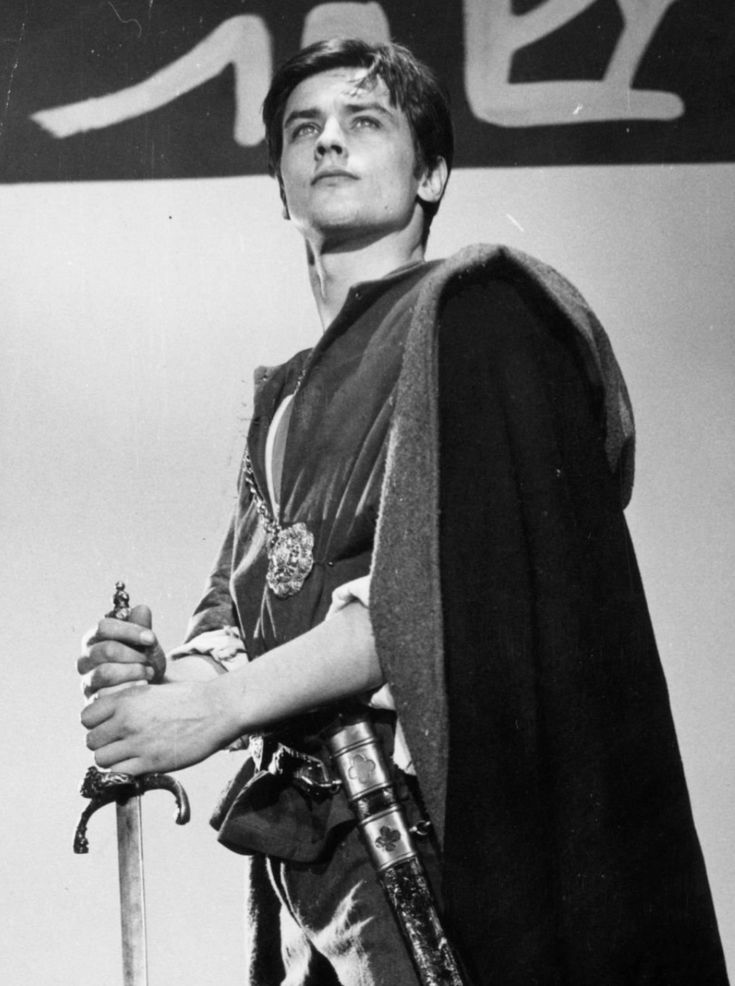
Finally, the month brought a significant loss with the passing of Alain Delon, the last of the iconic male stars from the golden age of French cinema, at the age of 88. Renowned for his striking looks and intense screen presence, Delon became a symbol of French elegance and charisma, with a career marked by memorable performances in classics such as Le Samouraï and Plein Soleil. His death marks the end of an era, with his legacy continuing to influence generations of actors and filmmakers.
August was indeed a month rich in cultural events, marked by new art installations, significant restorations, and the ever-present influence of both contemporary and historical figures. As we move into September, these stories will undoubtedly continue to shape the cultural conversation.

 ART HUB
Leave a comment