
Gladstone Gallery is currently showcasing “Studiosis,” an intriguing new exhibition by Michael Williams, which runs from June 20 to August 2, 2024, at 515 West 24th Street, New York. The exhibition opened with a reception on June 20, where guests had the opportunity to experience Williams’ latest body of work.
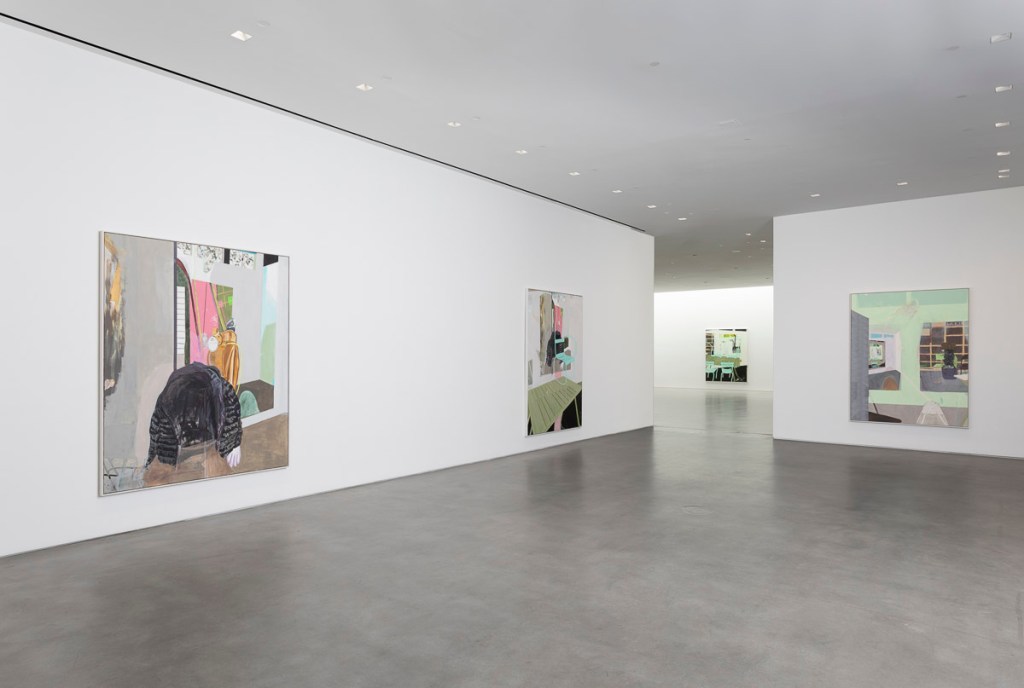
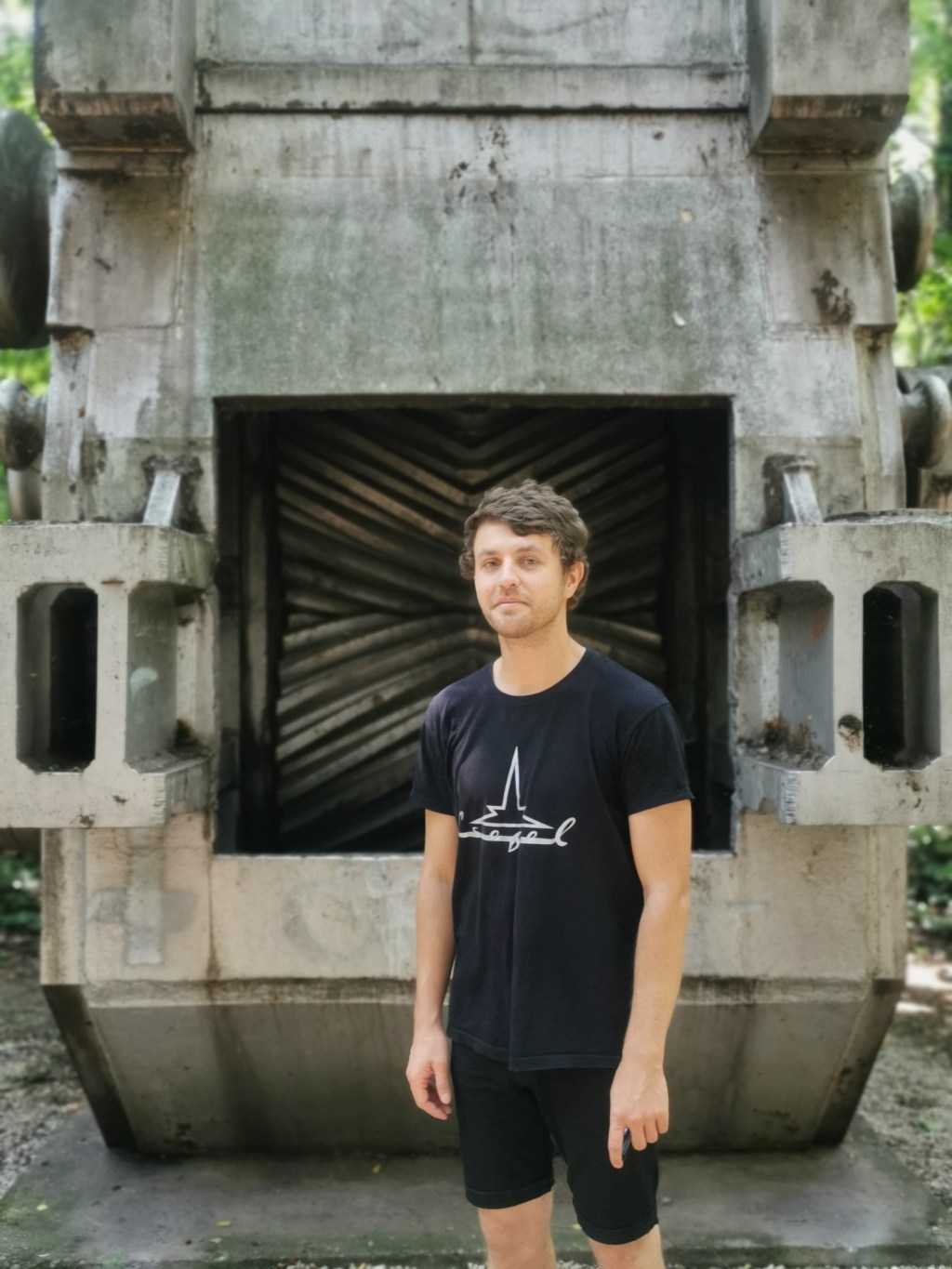
Michael Williams, born in 1978 in Doylestown, Pennsylvania, has established a formidable presence in the art world with notable solo exhibitions at The Power Station in Dallas (2022), Kunstmuseum St.Gallen in Switzerland (2021), and Carnegie Museum of Art in Pittsburgh (2017), among others. In “Studiosis,” Williams diverges sharply from his recent exploration of digital and analog techniques. Known for his innovative integration of digital drawing and inkjet printing to reflect the fragmented nature of modern life, Williams now returns to traditional painting methods. Embracing brushes and pigments, he focuses on direct visual observation rather than digital manipulation.


Previously, Williams’ process involved creating compositions on a computer, allowing for instantaneous changes in color and design without the constraints of physical media. This digital flexibility often meant that the final artwork could differ from the initial digital concept. For “Studiosis,” however, Williams has chosen not to add extra paint to his works, as he did in the past. This decision ensures that the artworks presented are more faithful to their original conception, bridging the gap between digital sketches and physical canvases.

Michael Williams’ paintings are known for their interplay between art history, pop culture, and unexpected elements. His previous works, which combined digital precision with traditional techniques, often exuded a playful irony and subtle humor. These traits continue to resonate in “Studiosis,” albeit through a different lens. By focusing on the meticulous process of traditional painting, Williams imbues his work with a profound sense of effort and presence.
The exhibition centers on the artist’s studio as a subject, reflecting a shift from imaginative to observational painting. Williams explores the often-overlooked objects within his workspace—such as golf clubs, a rowing machine, various chairs, and a table—imbuing them with new significance through his art. The result is a series of compositions that challenge viewers to engage with the mundane and discover fresh interpretations.


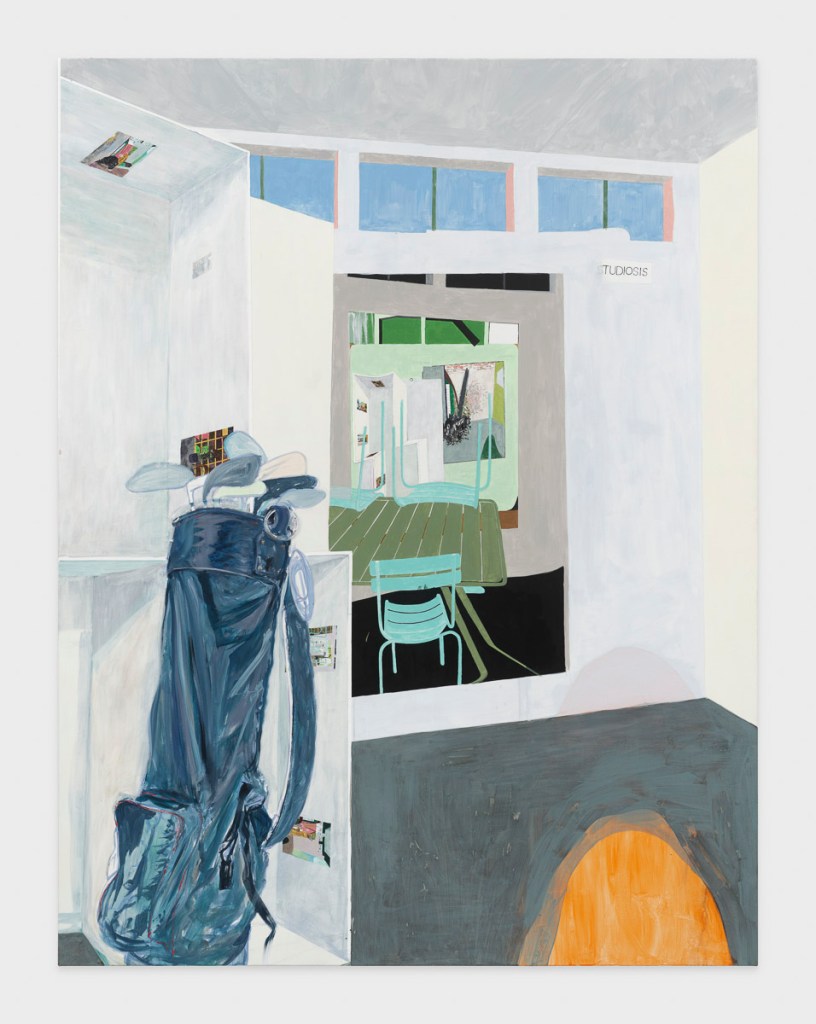
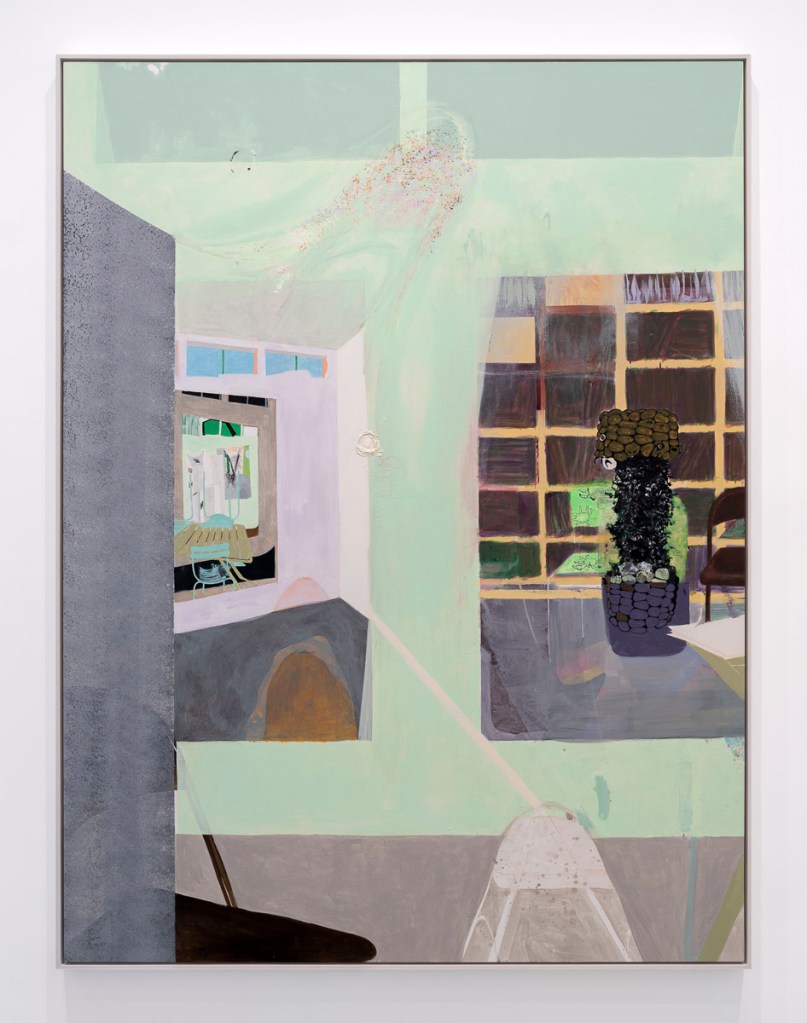
Each painting in “Studiosis” reveals Williams’ meticulous attention to formal elements: color, composition, texture, and stroke. The contrast between bold, gestural passages and intricate, detailed “footnotes”—found in the corners or reflections of his canvases—highlights the artist’s commitment to exploring the tactile nature of paint. These footnotes serve as visual annotations, adding layers of meaning and precision that reflect the artist’s contemplative approach to creation.


By focusing on his studio environment, Williams redefines both personal and collective narratives in painting. His work invites viewers to engage deeply with each piece, aligning their perceptions with the artist’s own contemplative process. The exhibition’s dimensionality challenges optical boundaries and transforms the everyday into a reflection of Williams’ reimagined reality.
“Studiosis” offers a compelling exploration of traditional painting through Michael Williams’ evolved artistic practice. By revisiting the roots of painting, Williams challenges the contemporary art world to appreciate the meticulous and deliberate nature of this age-old craft. The exhibition promises to be a profound commentary on both the artist’s evolution and the enduring relevance of painting in the digital age.


In an interview with Artforum, the artist reflected, “I do have a great belief in art, but I’m not as connected to it as I was when I was thirteen. There is something mystical about creating art and paintings. Being alone in the studio, making a painting can feel like a strange experience—moving around oddly, doing unusual things. I like the idea of being more intentional. Sometimes you need to trust in the magic of the process. I’ve seen a painting complete itself almost magically. You might get excited about a painting, risk ruining it, and then realize that instead of destroying it, you’ve actually completed it. It’s important to honor those moments so that the painting can endure until the next day.”


 ART HUB
Leave a comment