
I was recently invited to an annual cinema conference, in order to speak in a panel focusing on experimental cinema and the theme of boundary-pushing through experimentation. There, I had the privilege of joining two acclaimed film directors known for their innovative approaches. The perennial question of what defines experimental film often arises in such discussions. For me, the essence lies in recognizing that the entire fabric of cinematic storytelling, visual language, and narrative construction has been woven through a history of experimentation.
Cinema has evolved through continual exploration and risk-taking, with experimentation integral to shaping both popular and avant-garde expressions. While experimental films may initially appear unconventional or enigmatic, they fundamentally challenge norms and expand artistic boundaries.
Experimental cinema distinguishes itself through its pursuit of new methods, techniques, and narrative structures. This ongoing exploration not only transforms cinematic artistry but also enriches the broader landscape, acting as a catalyst for the evolution of a universal cinematic language.
When discussing experimental cinema, it often brings to mind early pioneers pushing the boundaries of the medium or mainstream films adopting unconventional aesthetics or narrative structures. However, the concept extends far beyond these examples. Each film, regardless of genre or budget, can be seen as its own unique experiment.
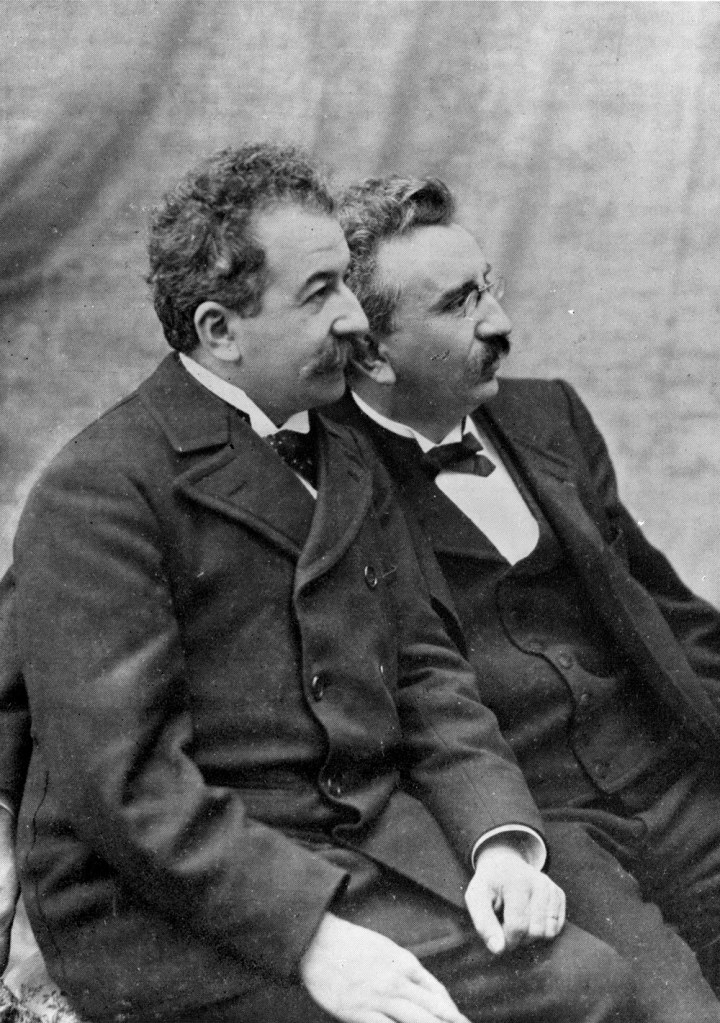
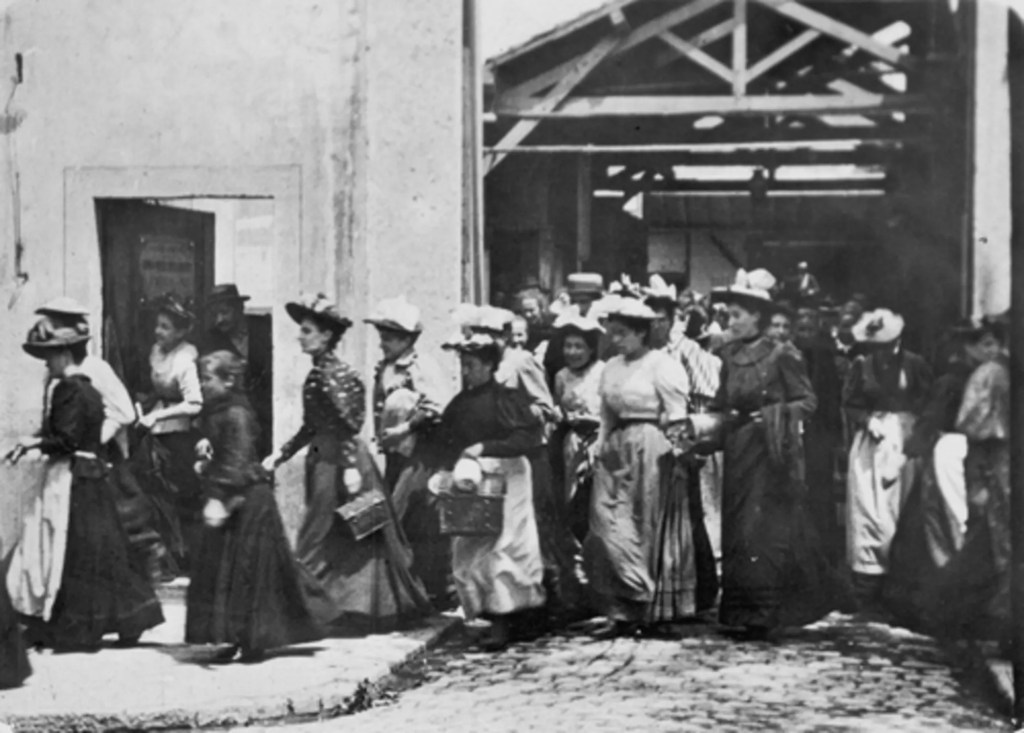
It’s important to recognize that even blockbuster films, which profoundly shape our cultural landscape, often incorporate groundbreaking technologies discovered through dedicated experimentation to enhance their technical prowess. Early filmmakers like the Lumière brothers established a fertile ground for future experimentation, striving to create more immersive visual experiences. From Edison’s awe-inspiring tracking shots to the revolutionary introduction of sound in ‘The Jazz Singer’ (1927), each innovation sparked new possibilities and captivated audiences.
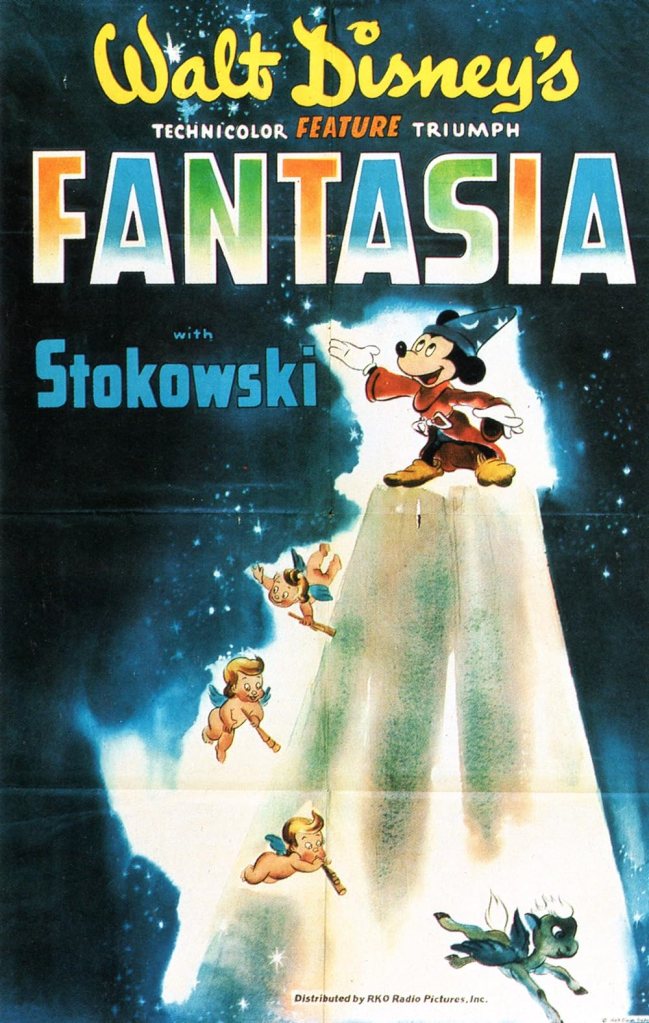
In 1924, groundbreaking efforts in 3D technology emerged, while Disney’s masterpiece ‘Fantasia’ in 1940 introduced an experimental use of Technicolor, accompanied by Fantasound, a pioneering stereophonic sound system developed to fully immerse viewers in Stravinsky’s iconic score. These advancements illustrate how experimentation in film extends beyond avant-garde works, shaping every aspect of cinematic history and continually pushing the boundaries of what can be achieved on screen.
As genres evolved, particularly science fiction, which continually pushed the boundaries of experimentation, these films spearheaded bold experimentation in cinematic storytelling and visual aesthetics. From ‘Barbarella’ (1968), directed by Roger Vadim, adopting a distinctive B-movie style that embraced campy and surrealistic elements, to the contrast seen in ‘Star Wars’ (1977), created by George Lucas, which left an enduring cultural imprint by melding classic hero’s journey tropes with pioneering special effects, they established new benchmarks for cinematic spectacle and narrative depth.
Recent films like ‘Gravity’ (2013) and ‘Interstellar’ (2014) have advanced science fiction with cutting-edge 3D technology and narratives exploring space exploration. ‘Gravity’ used Light Box technology for immersive space sequences, while ‘Interstellar’ combined practical effects with astrophysical concepts for realism.

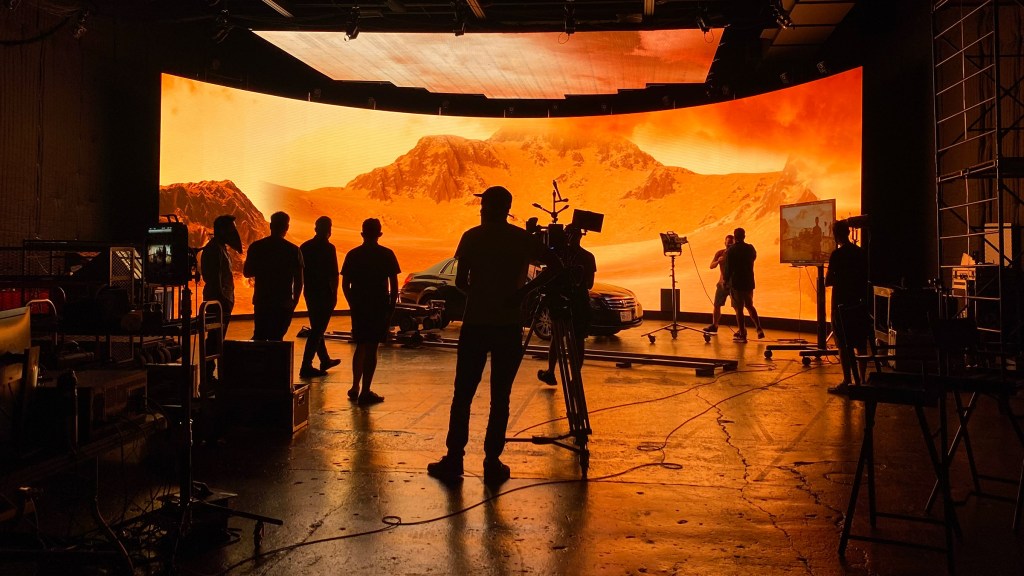
Denis Villeneuve’s ‘Dune’ (2021) continues this tradition with meticulous practical effects and immersive production design, employing LED screens for realistic environments and intricate costume and set designs. These films showcase how science fiction, by its very nature experimental, pushes cinematic technology and artistic expression to new frontiers.
In contrast to mainstream cinema, experimental filmmakers have profoundly shaped both the artistic and technical dimensions of filmmaking, despite remaining relatively unknown to the wider audience. Maya Deren pioneered abstract storytelling, while Stan Brakhage explored innovative film textures. Artists like Len Lye, Malcolm Le Grice, and Oskar Fischinger continually pushed visual boundaries, expanding cinematic possibilities.

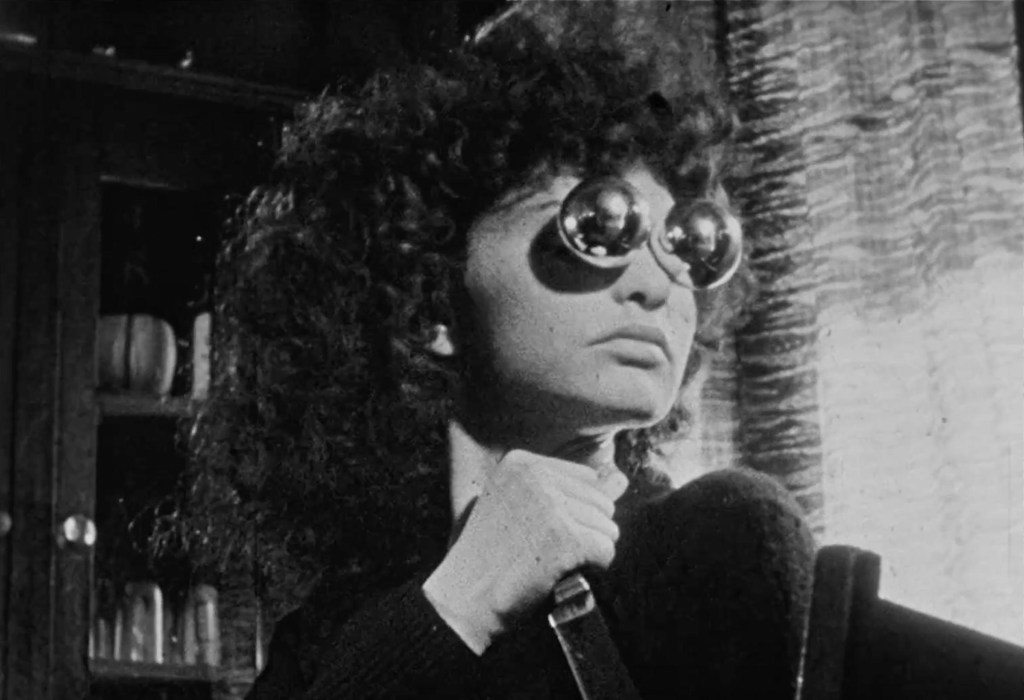
In the avant-garde realm, Jonas Mekas and Man Ray made lasting contributions with unconventional narratives and pioneering visual styles. Mekas’s diary films and advocacy for independent cinema offered a personal and poetic lens, while Man Ray’s experimentation with photograms bridged visual art and film. Peter Greenaway’s intricate narratives blend painting, literature, and architecture, challenging viewers with complex themes and imagery. Matthew Barney’s ‘The Cremaster Cycle’ combines mythology and art history in visually stunning explorations of human transformation. Chantal Akerman’s minimalist approach delves into intimate themes of domesticity and identity, using meticulous framing to immerse viewers in psychological landscapes.
These visionary artists opened the gates of boundary-pushing in cinematic form, pushing beyond the conventional arena and fundamentally expanding cinema’s creative frontiers. They continue to inspire future generations to explore new artistic horizons in both experimental and commercial filmmaking.
As we explore the history of cinematic experimentation that has fundamentally shaped the norms of film, it’s crucial to highlight the profound impact of Soviet montage. Originating in the early 20th century and championed by visionaries like Sergei Eisenstein, Lev Kuleshov, and Dziga Vertov, Soviet montage revolutionized film editing techniques. Through the deliberate juxtaposition of images, these filmmakers sought to evoke deep emotions and convey complex ideas, challenging traditional linear storytelling methods. Their pioneering efforts not only pushed the boundaries of artistic expression but also laid the groundwork for both cinematic and commercial narratives as we understand them today.
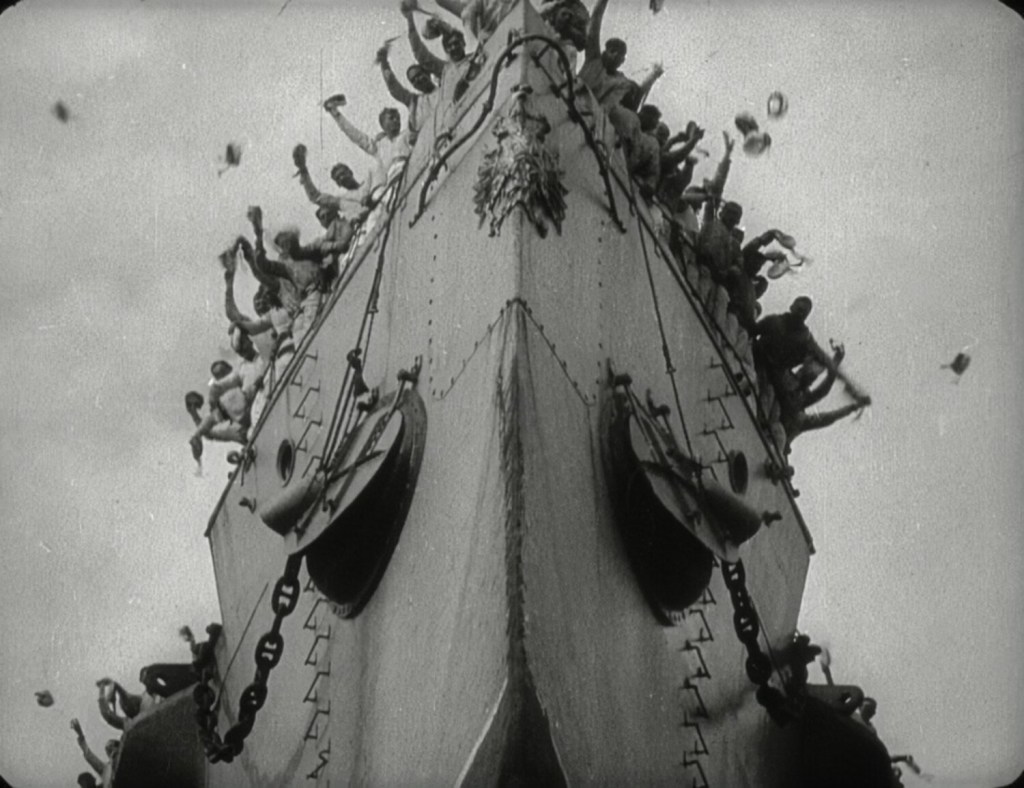
Following in the footsteps of Soviet montage, numerous influential movements emerged. The French New Wave of the late 1950s and early 1960s, led by filmmakers like Jean-Luc Godard and François Truffaut, introduced a fresh approach to storytelling and filmmaking techniques. Emphasizing spontaneity, they rebelled against studio conventions and explored themes of existentialism and personal freedom.
In the 1970s, the American New Hollywood movement challenged traditional narratives and embraced gritty realism and moral ambiguity. Directors such as Martin Scorsese and Francis Ford Coppola revolutionized mainstream cinema with films that explored societal issues and psychological depths.
Moving into the 21st century, digital filmmaking and the rise of independent cinema further expanded the landscape of experimental approaches. Among these movements, Dogme 95, co-founded by Lars von Trier and Thomas Vinterberg in 1995, emphasized simplicity and purity in filmmaking through a manifesto known as the “Vows of Chastity” This approach advocated for on-location shooting, hand-held cameras, natural lighting, and diegetic sound, rejecting elaborate special effects and superficial action. Dogme 95’s focus on authentic storytelling and emotional rawness left a lasting impact on the film industry, challenging filmmakers to rethink conventional production methods and explore the essence of narrative and performance.
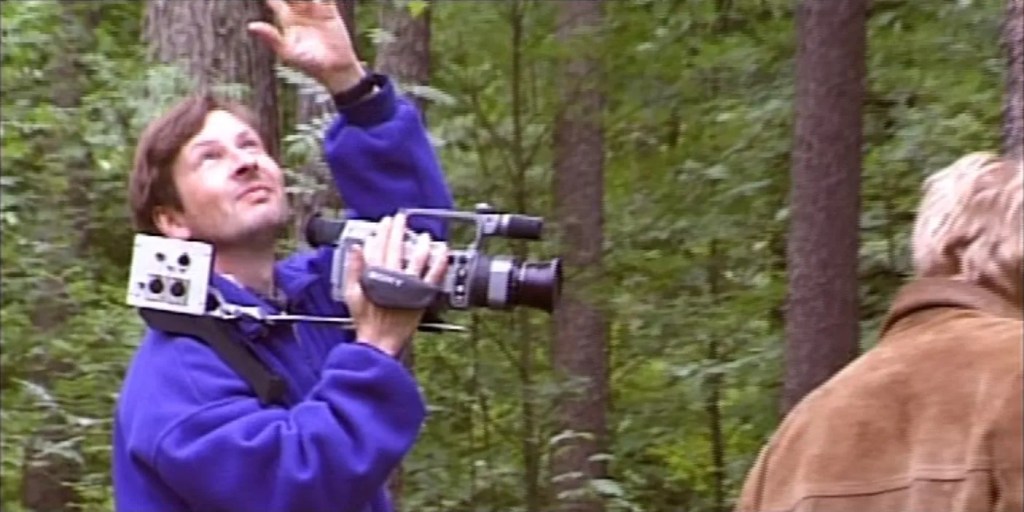
Over the past century, the film industry has thus undergone a remarkable evolution, witnessing a notable departure from the profound exploration and bold experimentation that defined earlier eras. In its infancy, filmmakers embraced daring innovations and embarked on decades of experimentation, resulting in a vibrant tapestry of genres that flourished over time. However, contemporary cinema often categorizes films into ‘festival’ and ‘conventional’ types, frequently prioritizing market trends over the intricate artistic and experimental elements that once shaped the medium. This evolution reflects broader changes in industry dynamics and audience preferences, favoring streamlined categorizations over the nuanced creativity that characterized earlier periods of cinematic history.
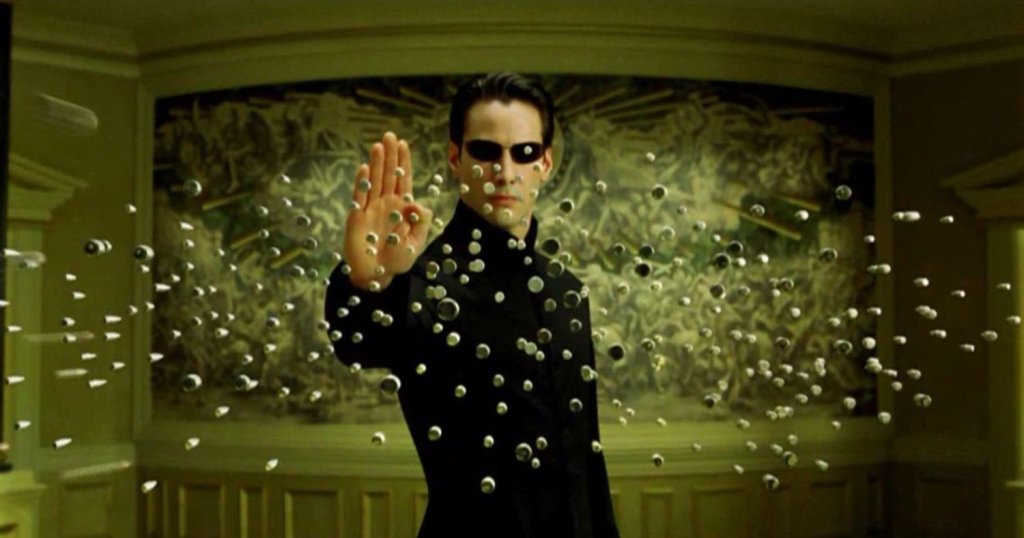
Building upon the foundation of cinematic experimentation and innovation across different eras, the 1990s and early 2000s emerged as a remarkable period that both epitomized and concluded an era of true filmmaking exploration. Films such as Pulp Fiction, The Matrix, and Fight Club not only showcased groundbreaking techniques but also signaled a stride forward in the evolution of visual storytelling. This transformative phase was fueled by the rapid expansion of visual culture, driven by technological advancements like the internet and the ascendance of commercial filmmaking.
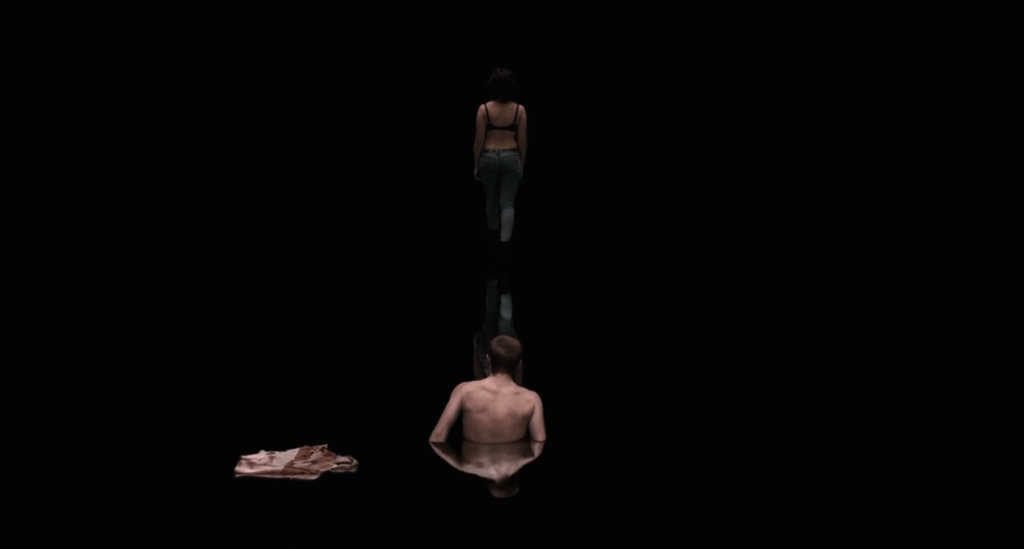
During this transformative period, a cohort of highly artistic and experimental filmmakers ascended, profoundly reshaping the contours of contemporary cinema. Jonathan Glazer, acclaimed for his visually striking music videos and films such as ‘Sexy Beast’, ‘Under the Skin’ and more recently ‘The Zone of Interest’ infused his narratives with profound psychological depth. His music videos, like Radiohead’s ‘Karma Police’ and Massive Attack’s ‘Ritual Spirit’ exemplify a daring fusion of surreal imagery and emotional resonance, challenging traditional visual storytelling norms.
Michel Gondry, celebrated for his whimsical visual style and inventive practical effects, crafted enduring works like ‘Eternal Sunshine of the Spotless Mind’ alongside a series of iconic music videos. Notable examples include The White Stripes’ ‘Fell in Love with a Girl’ utilizing innovative LEGO animation, and Björk’s ‘Bachelorette’ featuring intricate miniature sets that blur the line between reality and fantasy. His earlier videos for The Chemical Brothers’ ‘Let Forever Be’ and Daft Punk’s ‘Around the World’ showcased his imaginative use of visual effects and choreography, cementing his reputation as a visionary director.
Spike Jonze brought a unique blend of surrealism and insightful storytelling to films like ‘Being John Malkovich’ and ‘Adaptation’ and his music videos further showcased his experimental approach. His collaborations with artists like Fatboy Slim on ‘Weapon of Choice’ featuring Christopher Walken’s gravity-defying dance, and Arcade Fire’s ‘The Suburbs’ blending nostalgic narrative with dreamlike visuals, underscore his boundary- pushing creativity. Previous examples of his work, such as Weezer’s ‘Buddy Holly’ and Beastie Boys’ ‘Sabotage’ demonstrated his knack for blending humor, nostalgia, and inventive camerawork into unforgettable visual experiences.
Anton Corbijn, renowned for his stark photography and directorial contributions in films like ‘Control’ and ‘The American’ brought a distinctive visual aesthetic grounded in realism and introspection to his music videos. His work with bands like Depeche Mode on ‘Enjoy the Silence’ and U2 on ‘One’ reflects a minimalist yet evocative style that resonates deeply with the themes of the music. Previous examples such as Nirvana’s ‘Heart-Shaped Box’ and Joy Division’s ‘Atmosphere’ showcase his ability to capture mood and emotion through stark imagery and cinematography.
Beyond their profound impact on feature films, these directors have left an indelible mark on the cultural landscape through their commercial and music video endeavors. Their experimental storytelling techniques and visually arresting aesthetics continue to influence contemporary cinema, pushing the boundaries of conventional filmmaking and perpetuating a legacy of artistic exploration in the medium.
Aside from drawing profound inspiration from these highly visionary directors who have redefined visual storytelling, music, choreography, and atmosphere, my fifteen-year journey in film and video has been also shaped by the unconventional techniques that emerged from cult films. These films, which defied conventional norms and experimented with narrative form and visual style, have deeply shaped my artistic approach and continue to resonate in contemporary cinematic innovation.
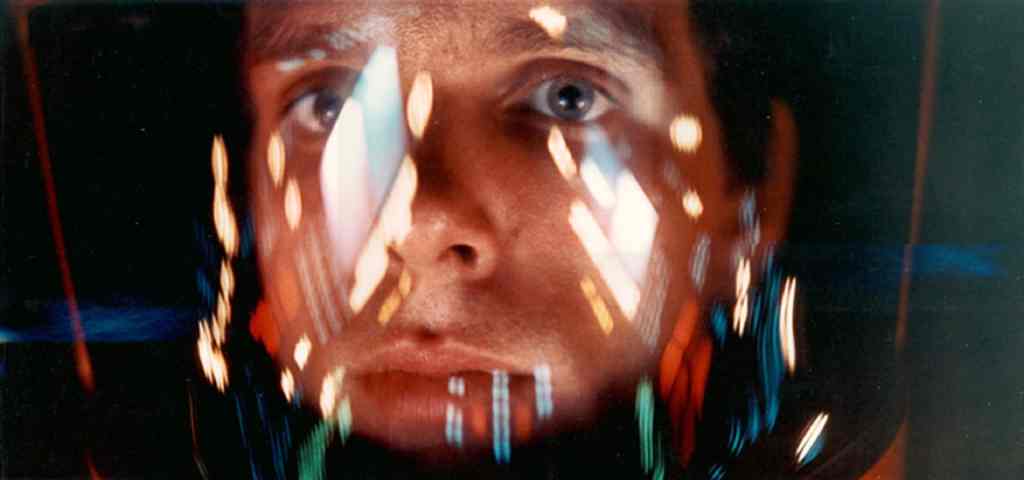
Stanley Kubrick stands as a monumental figure in the industry, renowned for his innovative approach to filmmaking and pioneering use of technology. His films pushed boundaries and set new standards, influencing generations of filmmakers with works like ‘2001: A Space Odyssey’ which revolutionized special effects and narrative structure.
Equally influential, Steven Spielberg’s early works like ‘Jaws’ (1975), ‘E.T. the Extra- Terrestrial’ (1982), and ‘Jurassic Park’ (1993) revolutionized cinema with pioneering technologies—from mechanical effects in “Jaws” to advanced CGI in ‘Jurassic Park’. These breakthroughs not only redefined genres but also sparked a wave of experimentation in filmmaking techniques that continues today.
Christopher Nolan’s ‘Memento’ remains a standout for its revolutionary approach to storytelling through experimental editing, fundamentally reshaping cinematic portrayals of memory. Similarly, Tom Tykwer’s ‘Run Lola Run’ challenged traditional time constructs, offering a fresh and dynamic perspective on narrative structure. However, as these once- innovative techniques have become commonplace, it’s disheartening to witness experimentation give way to predictable conventions over time. Yet, this shift invites a deeper consideration: How can filmmakers today revive the spirit of radical experimentation that once reshaped cinema, pushing the boundaries of narrative form and visual storytelling in new and unexpected ways?
In the realm of contemporary cinema, experimental films often find their place in specialized festivals that prioritize innovation and unconventionality. These Experimental Film Festivals offer a refuge for works intentionally crafted to defy mainstream attention. In contrast, major festivals, while occasionally recognizing experimental efforts, tend to marginalize them or incorporate them sparingly into traditional categories. Oberhausen, for instance, champions experimentalism, while the Berlin Film Festival, especially through Berlinale Expanded, has emerged as a crucial platform for avant-garde filmmakers challenging cinematic norms.
Recent years have seen a growing trend with dedicated sections for Expanded Cinema, immersive experiences, and VR cinema. However, interpretations of these categories vary significantly among institutions like BFI, Berlinale, Venice, and Cannes, highlighting the evolving nature of these mediums and raising essential questions about their role in modern storytelling. This highlights the essential truth that cinema, at its core, is a continuous experiment, always seeking new ways to engage and immerse audiences.
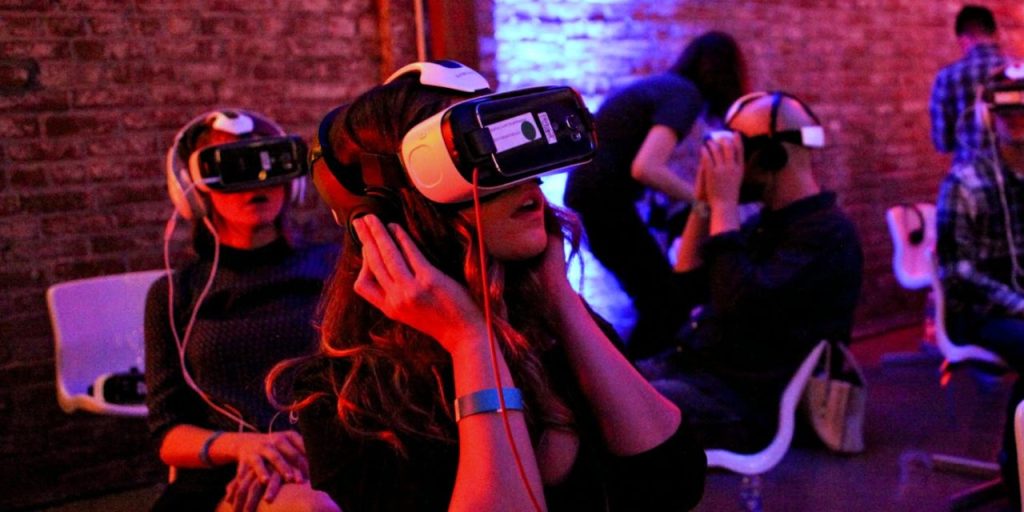
As both a curator and filmmaker immersed in Expanded Cinema, I find this trend both promising and complex. While major festivals embracing new cinematic forms signals a shifting landscape, it also prompts critical examination of what truly constitutes expansion and immersion in cinema. These questions are pivotal as we navigate the evolving intersection of film and media arts, reflecting the broader experimental nature of the medium.
Continuing from the exploration of experimental cinema and media arts, the impact of immersive experiences began to resonate in the 1970s alongside the rise of expanded cinema and video art. These movements not only pushed the boundaries of visual storytelling but also enriched the landscape of fine arts by integrating immersion and interactive narratives. From the 1990s onward, experience design has deeply reshaped visual culture, influencing how audiences engage with art forms and sparking a dynamic interplay between experimental and abstract approaches in cinema.
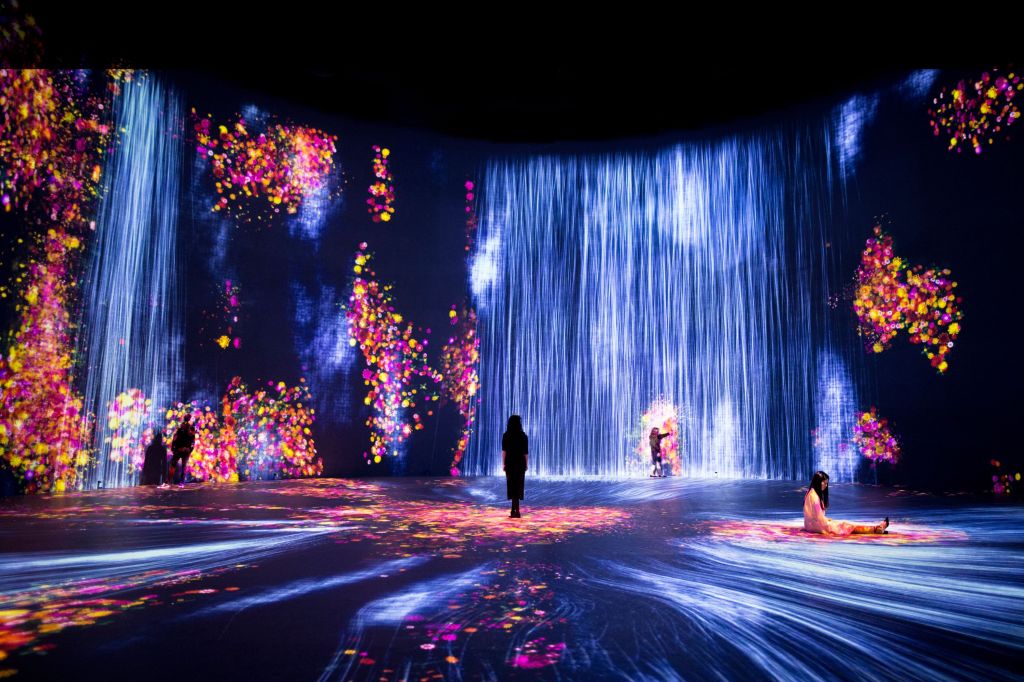
This ongoing evolution prompts a critical inquiry: how can contemporary filmmakers navigate the delicate balance between pioneering innovation in mainstream cinema while also venturing into unconventional, niche themes? This dynamic tension blurs the boundaries between traditional and experimental filmmaking, fostering unexpected intersections within today’s media landscapes.
Crucially, prominent art galleries and curated exhibitions are pivotal in advancing this discourse. They champion significant films that defy mainstream norms, showcasing works like Derek Jarman’s ‘Blue’ which debuted in 1993. This minimalist masterpiece presents a singular exploration: a vivid blue screen paired with evocative audio narration. Originally exhibited predominantly in art galleries rather than conventional cinemas, ‘Blue’ challenges established cinematic conventions by delving deeply into themes of mortality, love, and the very essence of the creative process itself.
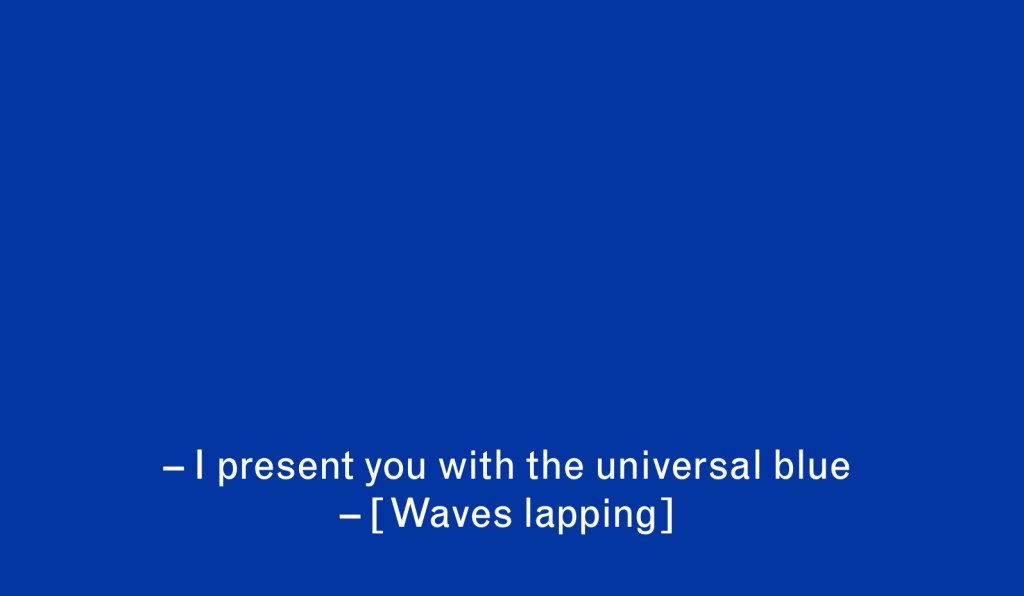
Through its unconventional approach, ‘Blue’ invites audiences into a contemplative and immersive journey where sound and imagination harmonize, revealing the profound potential of experimental cinema to transform perceptions and provoke introspection.
Contrasting with this analogue and raw intervention to storytelling, Today’s cinema navigates between enduring nostalgia and modern digital advancements against the backdrop of the rise of social media, artificial intelligence, and immersive experiences. This digital wave has notably influenced experimental genres like immersive filmmaking and VR, offering audiences engaging new perspectives.
Yet, within this digital progression, there remains a yearning for the tactile and sensory elements inherent in traditional storytelling. Reflecting on the historical trajectory of film as an experimental medium, we observe a stark contrast in today’s cinematic landscape. A century ago, film itself was a groundbreaking experiment that elicited both fear and excitement through its mesmerizing moving images.
Building on the legacy of experimental cinema exemplified by Derek Jarman’s ‘Blue’ today’s cinematic landscape confronts a significant paradox. While digital advancements in social media, artificial intelligence, and immersive experiences continue to redefine storytelling, there remains a persistent yearning for the tactile and sensory richness inherent in traditional cinema. Reflecting on film’s historical evolution as an experimental medium, we observe a stark contrast with the present cinematic environment.
A century ago, film itself was a groundbreaking experiment, eliciting both fear and excitement through its captivating moving images. Today, this spirit of experimentation extends into immersive filmmaking, VR, and digital platforms that reshape how narratives are experienced. While these innovations provide fresh perspectives, they also underscore a profound longing for the emotional depth and raw storytelling power found in pioneering works like ‘Blue’.
However, in contemporary times, the term “experimental” in film can sometimes imply a disconnect from mainstream audience engagement. The film industry operates much like a mass production process, frequently crafting visual narratives reminiscent of fast food in our cultural diet. This approach, influenced by entities seeking mass appeal, mirrors the digital transformation of cinematic content driven by social media. Even ambitious film projects led by prominent filmmakers struggle to materialize in today’s global landscape, grappling with the challenge of capturing and sustaining audience interest amidst rapid change.
From my perspective in Turkey, a country bridging East and West, themes like migration amid authoritarian politics often attract Western audiences but run the risk of being overly romanticized. Filmmakers outside Europe face a significant challenge: to sustain their careers, they often need visibility at European or American festivals, which often require foreign co-productions and governmental funding. This dependency tends to favor existentialist themes that resonate with European tastes, a trend that can be traced back to Nuri Bilge Ceylan’s influential film ‘Uzak’. However, this structured pathway has led to a standardization of creativity, stifling genuine innovation.
Governmental censorship further complicates matters, sometimes diluting films’ authenticity to appeal broadly. Consequently, films selected for prestigious festivals may feel sanitized, tailored to Western preferences but lacking in artistic depth. The tension between artistic vision and commercial imperatives underscores a significant dilemma in contemporary cinema. Filmmakers face the challenge of maintaining creative integrity amidst an industry increasingly characterized by homogenization and monopolistic structures. This archaic and entrenched system often impedes genuine artistic advancement and stifles creativity, creating barriers to originality and diverse storytelling.
Overcoming these challenges is essential to fostering a more dynamic and innovative cinematic landscape that prioritizes creativity and diverse storytelling. In essence, while alternative narratives and experimental approaches can drive initial innovation, censorship and market pressures may distort their original intent. This cycle risks reducing films to superficial imitations of true artistic expression, illustrating the delicate balance between artistic freedom and external influences in today’s cinematic landscape.
Directors like Abbas Kiarostami, Mohsen Makhmalbaf, Jafar Panahi, Apichatpong Weerasethakul, Edward Yang, Tsai Ming-Liang, and Yasujirō Ozu have significantly influenced Western filmmaking, despite remaining relatively unknown to Western audiences. This disparity underscores the divergent cinematic norms between East and West. Filmmakers from less affluent regions may feel pressured to emulate these influential figures, potentially stifling originality and leading to perceptions of uninspired filmmaking.
In contrast to the French New Wave which still stands as a testament to innovative spirit flourishing despite limited resources, today’s filmmakers navigate a landscape abundant with resources but constrained by soaring production costs and originality. These financial and creative pressures frequently result in project cancellations and a growing reliance on alternative production methods influenced by the proliferation of streaming platforms.
This shift has driven major filmmakers to explore new approaches, breaking away from traditional norms while adapting to evolving distribution models. Yet, in today’s cinematic landscape, the distinction between unconventional and conventional storytelling is blurring in notable ways, largely influenced by digital platforms. What were once groundbreaking experiments in filmmaking often find themselves reduced to the simplistic narratives of Instagram filters and TikTok videos, fundamentally reshaping how stories are both created and consumed. While platforms like Twitch and YouTube continue to broaden the horizons of cinematic expression, there is a looming risk of homogenizing creativity, as they increasingly prioritize easily digestible content over nuanced artistic exploration.
This evolution underscores cinema’s capacity to conform and adapt in response to technological advancements. Filmmakers and content creators are increasingly utilizing these platforms to experiment with storytelling techniques and target diverse global audiences. However, as digital mediums redefine the boundaries of cinematic artistry, the intersection of experimentation and tradition appears fraught with challenges. There’s a growing concern that while these platforms broaden creative horizons, they may also streamline narratives towards mass appeal, potentially diluting the depth and complexity of artistic expression. Thus, the dynamic space where creativity once flourished risks becoming standardized, with narrative boundaries reshaped by commercial imperatives rather than genuine artistic innovation.
This shift towards smaller crews and mobile technology signifies a democratization of filmmaking, empowering creators to produce and share content with unprecedented speed and accessibility. However, while this democratization opens new avenues for creative expression, it also intensifies the competition for audience attention in an oversaturated digital marketplace. Filmmakers must navigate not only technological advancements but also the evolving expectations of audiences accustomed to consuming content rapidly and on-demand. As a result, the pressure to innovate and captivate viewers becomes paramount, challenging filmmakers to balance originality with effective engagement strategies. This evolution demands a nuanced approach where artistic integrity meets audience appeal, reshaping industry standards and fostering a more dynamic and interactive relationship between creators and their audiences.
As we navigate an era dominated by digital narratives and evolving technologies, the path forward promises innovation and continual redefinition of cinematic boundaries. However, cinema also faces an impasse where experimentation risks becoming a mere simulation, paradoxically morphed into a consumable product. The transformative impact of the digital age on storytelling can seem alarming, with narratives increasingly homogenized, artificially generated, and cyber-intelligent—even analog experiences are digitally reproduced as banal filters.
Amidst these challenges, it’s crucial to uphold the legacy of experimental cinema. While the spirit of experimentation remains pivotal in shaping the cinematic landscape and propelling us toward new artistic frontiers, we must remember that experimentation lies at the core of cinema itself. This enduring spirit must ensure that cinema, in all its forms, continues to evolve, adapt, and inspire. It is imperative to carve out space for originality, experimentation, and genuine expression, safeguarding cinema’s ability to provoke thought, inspire creativity, and challenge norms in an ever-changing world.


 ART HUB
Leave a comment