
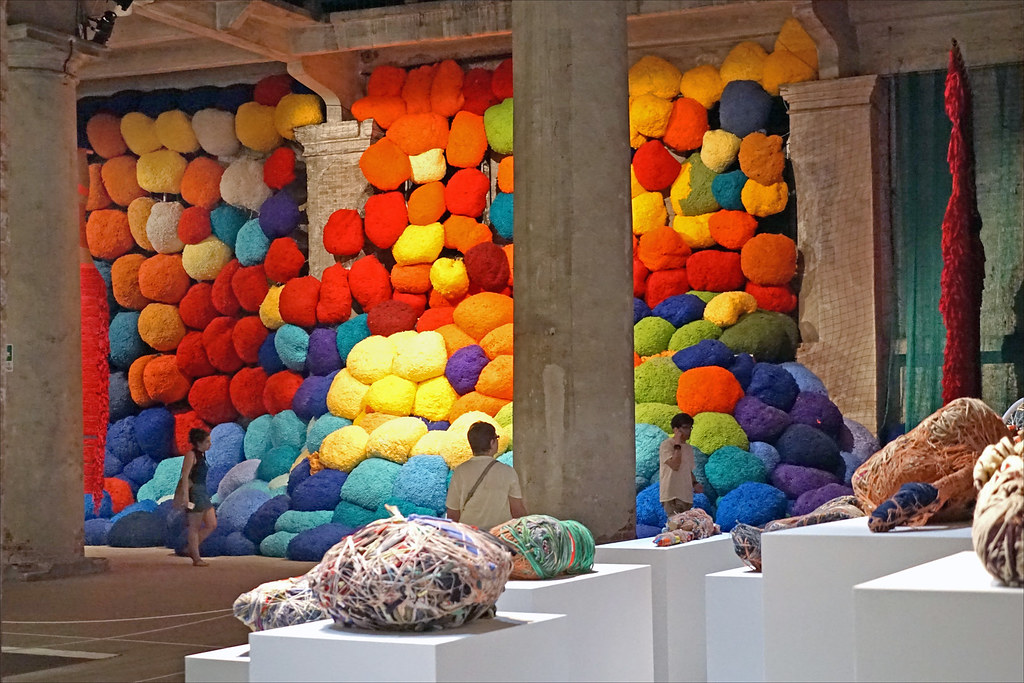
In the realm of contemporary art, a quiet revolution has been unfolding, drawing attention to a medium that has long been overshadowed by more traditional forms. Textile art, once relegated to the realms of craft and domesticity, is now experiencing a renaissance on the global stage. This resurgence not only highlights the versatility and expressive potential of textiles but also underscores a broader cultural shift towards appreciating craftsmanship and the handmade in an increasingly digital world.
Textile art encompasses a wide array of techniques and styles, from ancient traditions of weaving and embroidery to avant-garde experiments with mixed media and installation. What distinguishes textile art is its tactile quality—its ability to evoke sensory responses and emotional connections through materials that carry histories and narratives within their threads.
Historically, textiles have been integral to the fabric of human culture, serving as more than mere adornment or utility. They have been carriers of stories, symbols of status, and vehicles for cultural exchange. Today, contemporary textile artists are building upon this rich legacy, pushing the boundaries of what textile art can be.
The year 2023 witnessed a particularly marked increase in interest and recognition for textile art, with galleries and museums increasingly showcasing textile-based works. The accessibility of textile techniques—such as knitting, felting, quilting, and textile printing—has democratized art-making, inviting a diverse range of artists to explore this medium.
In an era dominated by digital screens and virtual experiences, the tactile nature of textile art offers a counterbalance—a tangible and immersive encounter with art. Additionally, the growing interest in sustainability has prompted a renewed appreciation for textiles as a medium that inherently embodies principles of reuse, recycling, and slow craftsmanship. Textile artists are leading conversations about eco-conscious practices, transforming discarded materials into intricate artworks that provoke reflection on our consumption habits and environmental impact.
Last year, the Polish pavilion showcased works by Małgorzata Mirga-Tas, demonstrating the power of textile art to express significant topics like Romani culture, Europe’s largest minority. Her perspective on Romani identity and art, inspired by the Renaissance astrological frescoes at Palazzo Schifanoia in Ferrara, resulted in an installation featuring twelve large-format textiles, each representing a month of the calendar.


Vanessa Barragao, a Portuguese artist, emphasizes the significance of preserving traditional craftsmanship and upcycling in her textile art. Her studio focuses on transforming discarded materials into beautiful creations, merging ancient techniques with a dedication to wool and sustainability.
Vanessa said:
“I was drawn to this medium because it allows for a profound connection between the artist and the materials. The process of weaving, sewing, and creating with textiles is both meditative and deeply personal, enabling me to express intricate narratives and emotions through the textures and forms of my creations.
What I find most captivating about textile art is its versatility and potential to create three-dimensional artworks that evoke emotions and memories in a unique way. The ability to blend traditional techniques with contemporary themes bridges the gap between the past and present, making the medium even more fascinating. The tactile quality of textiles invites viewers to engage with the art on a sensory level, fostering a unique and intimate experience while bringing traditional techniques into a modern and innovative context.”
Although textile art remains most popular among female artists, which isn’t surprising given its historical context, men have always had a presence in this field, albeit less recognized. Historically, textile arts such as weaving, knitting, and embroidery were predominantly practiced by women, often relegated to the realm of domestic duties. However, men have also been involved in textile art, especially in creating intricate textiles for religious and ceremonial purposes. In ancient Egypt, for instance, men were the primary weavers of linen. This tradition continued through the Middle Ages in Europe, where male guilds dominated the production of tapestries and other high-quality textiles.
Today, a growing number of male artists are reclaiming and redefining textile art. Their work spans a wide range of styles and themes, from traditional techniques to avant-garde innovations. Here are a few notable male textile artists making waves in the contemporary art world:
Nick Cave is an American artist renowned for his “Soundsuits,” wearable sculptures crafted from a variety of materials, including textiles, beads, buttons, and other found objects. These intricate and vibrant suits conceal the wearer’s identity, allowing Cave to challenge societal norms and address critical issues such as race, gender, and identity.
His work, which often involves performance art, encourages dialogue about the body and its societal perceptions, aiming to create a space for reflection and transformation.


Maxime Mouroux, a multifaceted French artist and designer based in Brussels, seamlessly merges the realms of art and design. Drawing from his architectural background, Mouroux creates tufted wool rugs that not only serve as functional pieces but also stand out as compelling works of art. “I am dedicated to creating unique designs that blend art, design, and functionality. With a passion for craftsmanship, I strive to bring beauty and creativity to every piece I create,” he says.
Alex Rocca, originally from São Paulo and now residing in Curitiba, began his artistic journey during his cinema studies in college, where he developed an interest in art direction. This curiosity led him to explore art more deeply and to see it from a fresh perspective. Consequently, he started studying design, drawing inspiration from cinema, interior design, and architecture, which now significantly influence his style. The pursuit of a vibrant life and an unyielding quest for artistic freedom drive Rocca’s tapestry creations. His work is distinctive and impactful, characterized by the use of tufting and embroidery techniques. Rocca’s unique vision allows him to perceive the world’s textures, colors, and patterns through a solitary and meditative process. He approaches his art with calmness and clarity, viewing tapestry as more than mere decoration. Each piece he creates is imbued with layers of meaning and emotion, reflecting a profound connection to the artist’s inner self.
Together, these artists exemplify how men in textile art are breaking stereotypes and contributing profoundly to the medium. The involvement of men in textile art is significant not only for their individual contributions but also for challenging the gendered perceptions of the craft. Male textile artists are pushing the boundaries of what textile art can be, using the medium to address contemporary issues and personal narratives. Their work dismantles the notion that textile art is merely decorative or domestic, elevating it to a form of high art.



 ART HUB
Leave a comment