

PABLO PICASSO & JOAN MIRÓ
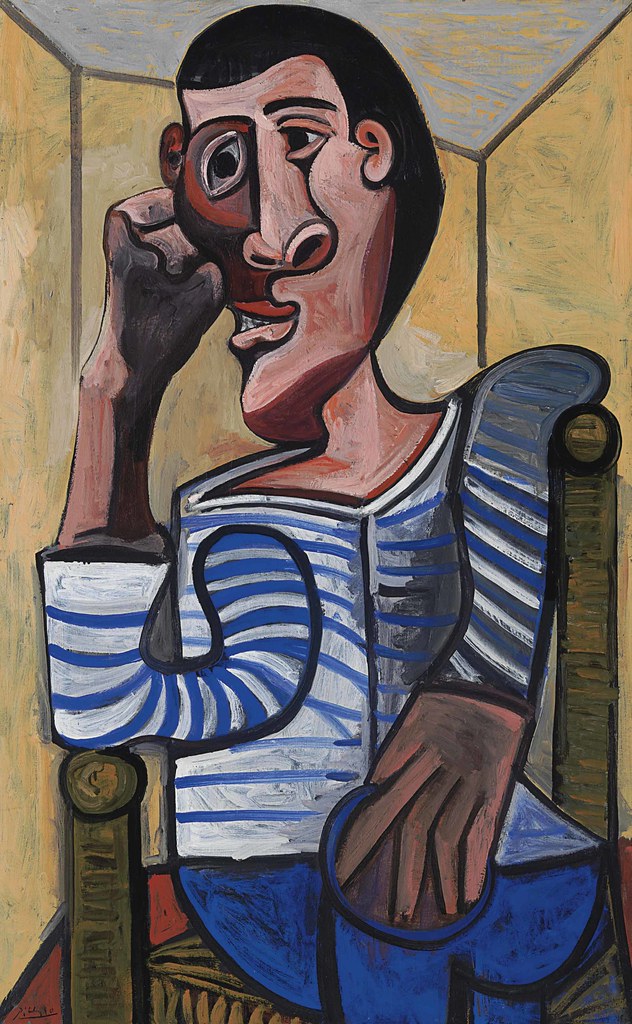
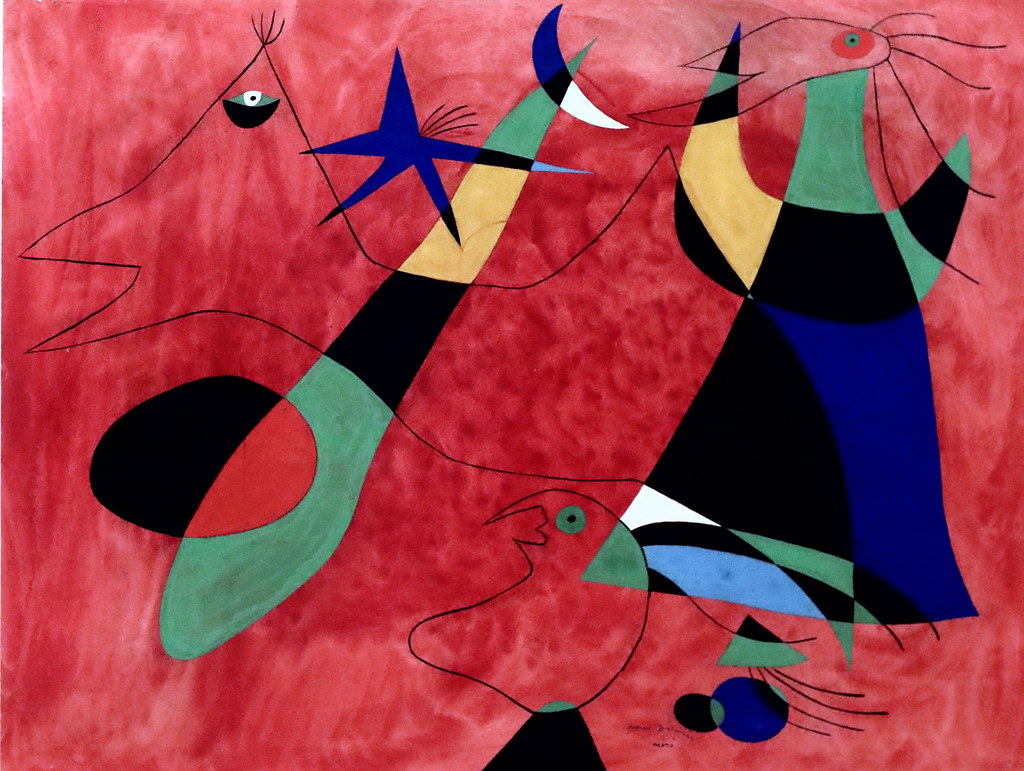
In the vast realm of art history, the intertwined stories of Joan Miró and Pablo Picasso resonate deeply. Miró and Picasso met in Paris in the 1920s, forging a lasting bond. Picasso’s influence on Miró’s work was significant, as both shared a passion for experimental trends in art.
Miró paid homage to Picasso with a piece titled Horse, Pipe and Red Flower created in Mont-Roig. This painting reflected the Parisian influences of cubist and surrealist movements. Miró’s admiration for Picasso was evident in his work, adding depth to the composition.
In 1921, Miró proudly exhibited his art in Paris, including the famous Self-Portrait. This painting had a special connection as it was already part of Picasso’s collection. Their friendship led to the creation of iconic works such as Picasso’s Three Dancers and The Kiss, alongside Miró’s Horse, Pipe and Red Flower. The influence of Alfred Jarry also played a role in shaping their art during this period, enriching their work with layers of meaning and creativity.
Picasso’s Three Dancers explores metamorphosis through bold techniques and vibrant colors, reflecting personal turmoil. The Spanish Civil War united Picasso and Miró in defense of the republican cause, leading to the creation of Guernica. Both artists depicted human suffering and despair in times of war.
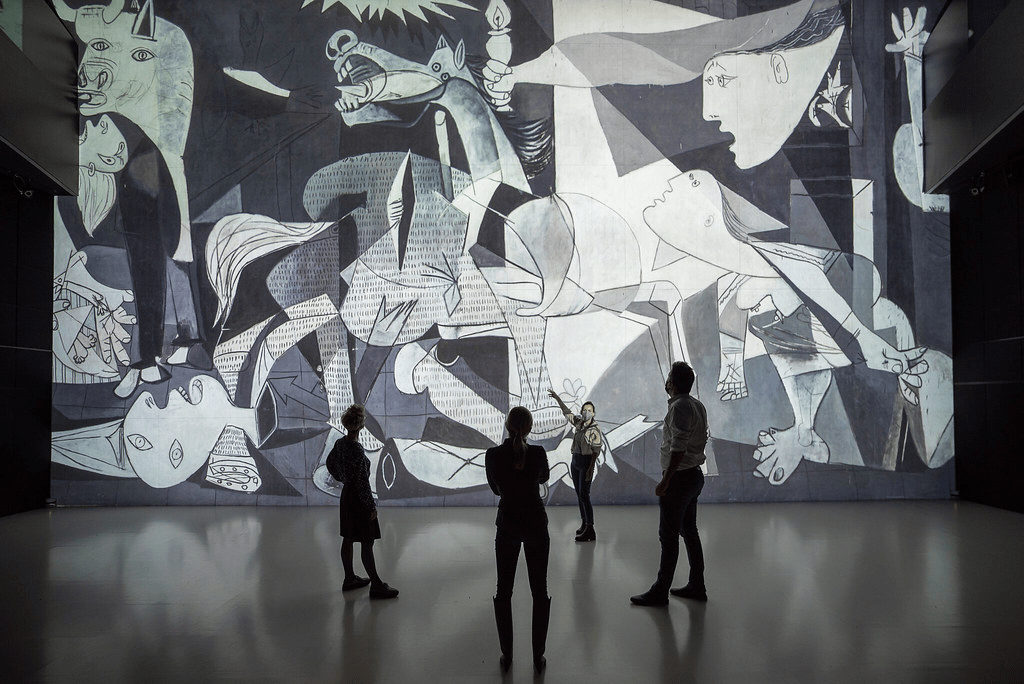
World War II brought distance between Miró and Picasso, influencing their artistic directions. Picasso settled in Royan and Paris, while Miró created the Constellations series in Varengeville and Mont-Roig. Their art continued to reflect the grim narratives of world wars.
Miró evolved towards abstraction, opposing Picasso’s cubist tendencies. Despite their differences, they explored ceramics and public art, fostering a deep friendship beyond the art world. Their collaboration had a lasting impact on art history, fostering mutual respect and inspiration.
Picasso valued Miró’s vision and their collective influence on contemporary art, emphasizing their significant role in shaping the art world.
SALVADOR DALI & DUCHAMP
In 1961, Salvador Dalí envisioned an extraordinary bullfight in Figueres, Spain, filled with surreal elements like dazzling fireworks illuminating the sky and a helicopter gracefully transporting a dead bull. This mesmerizing spectacle was brought to life with the gracious approval of the mayor, although the helicopter component had to be omitted due to the unpredictable nature of wind conditions. In realizing this avant-garde event, one cannot underestimate the influential role of Marcel Duchamp, as he provided crucial support and assistance to Dalí throughout the process, diligently working behind the scenes to ensure the success of the spectacle.
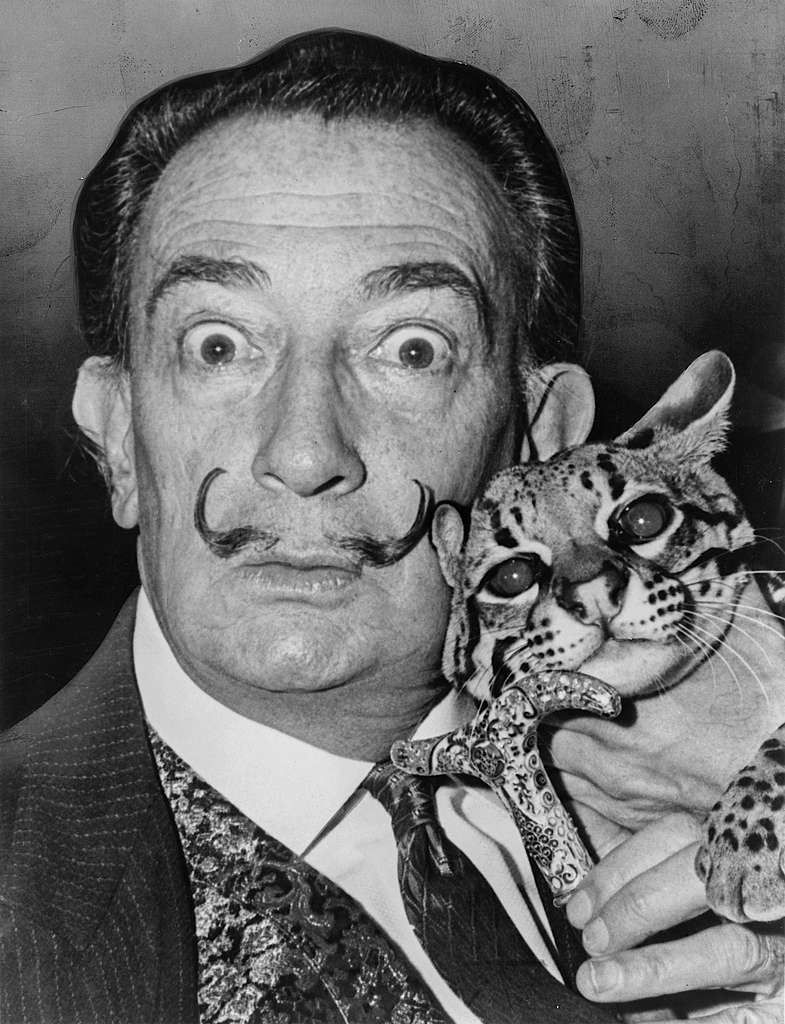
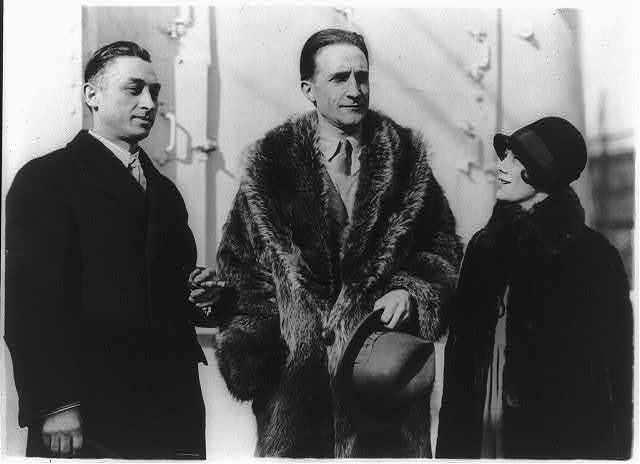
The deep and profound connection between Dalí and Duchamp is further exemplified by the collaborative efforts that ensued, with Duchamp actively encouraging other artists to convene and participate in the creation of a magnificent bull sculpture entirely made of live and explosive fireworks. This unique and innovative project sheds light on the harmonious partnership between two visionaries, a subject that is intricately explored in the thought-provoking exhibition titled Dalí/Duchamp, currently showcased at the renowned Dalí Museum.
Despite stark contrasts in their artistic milieu and styles, the unexpected yet captivating bond that blossomed between Dalí and Duchamp continues to captivate audiences worldwide. The precise moment of their initial encounter remains shrouded in mystery, with speculations suggesting it may have occurred during the grand premiere of Dalí’s groundbreaking film L’Age d’Or in 1930, marking the inception of an extraordinary friendship that transcended artistic boundaries.
The year 1933 proved to be a pivotal moment in solidifying the bond between Dalí and Duchamp, as evidenced by a collection of intimate photographs capturing shared moments of relaxation and leisure during holiday escapades. These candid snapshots offer insight into the more personal and human side of these iconic artists, showcasing their genuine camaraderie as they engaged in lively conversations and exchanged ideas. It was during these tranquil and contemplative moments spent together amidst the picturesque landscapes of Spain that Duchamp and Dalí delved into profound discussions on a wide range of topics, from philosophy and religion to whimsical and imaginative concepts, forging a deep and enduring connection based on mutual respect for intellectual pursuits and creative endeavors. Their shared love for wordplay, visual experiments, and exploration of unconventional ideas further strengthened the extraordinary bond that existed between these two artistic luminaries, transcending conventional boundaries of art and paving the way for a rich and enduring legacy that continues to inspire generations of creators.
Their friendship, amidst all its intricacies and complexities, served as a poignant testament to how individuals with contrasting personalities, interests, and traits naturally gravitate towards each other, creating a harmonious bond that transcends differences and brings out the best in each other.
FRIDA KAHLO & GEORGIA O’KEEFFE

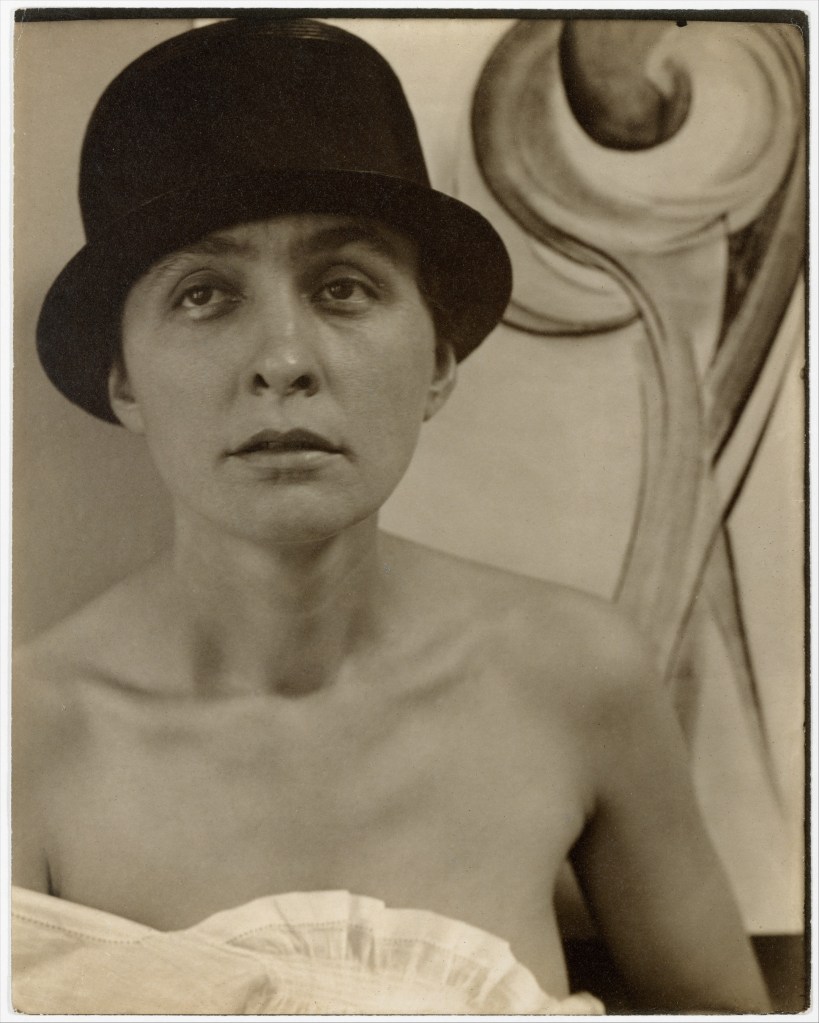
The extraordinary friendship between Georgia O’Keeffe and Frida Kahlo was significant in times when women had to fight for recognition. Their bond was built on mutual respect and shared experiences, driving their creative endeavors. Frida Kahlo, a young Mexican artist, befriended the older Georgia O’Keeffe in New York, despite their different artistic styles. Both artists began their careers in a challenging era for women in the art world.
Their similar experiences as wives of older, renowned artists, such as Alfred Stieglitz and Diego Rivera, brought them closer. Despite their unique artistic approaches, their personal works resonated with audiences and enjoyed widespread acclaim. The bond between Kahlo and O’Keeffe, rooted in shared struggles and journeys, provided context for their artistic development. They crossed paths at various events, including Rivera’s exhibition in New York, where rumors circulated about flirtatious interactions.
Kahlo’s notes from the 1930s shed light on their social life, which included outings with their husbands and moments of shared enjoyment. Their friendship transcended surface-level connections as they bonded over similar life experiences and rebellious fashion choices. Both artists embodied feminist ideals with their fearless personalities, despite challenges such as depression. There were even speculations about Kahlo’s feelings towards O’Keeffe, suggesting a deeper connection beyond friendship.
In 1932, Kahlo and Rivera traveled to Detroit from New York. Kahlo painted a self-portrait with American and Mexican elements. The flowers in the painting echoed O’Keeffe’s style, symbolizing self-discovery. While in Detroit, Kahlo was influenced by Rivera’s work.
Kahlo reached out to O’Keeffe towards the end of 1932 upon hearing about her hospitalization. She expressed admiration for O’Keeffe in a letter and visited her in New York before O’Keeffe’s trip to Bermuda.
The history of Kahlo and O’Keeffe’s friendship is mostly documented by Kahlo. O’Keeffe’s address book recorded Kahlo’s address from the 1930s. They met in New York in 1938 at Kahlo’s exhibition. O’Keeffe visited Kahlo in Mexico in 1951.
The friendship between O’Keeffe and Kahlo lasted until Kahlo’s death in 1954. O’Keeffe referred to their relationship in her work, such as a 1945 painting with magnolias. They met several times over the years, with the last visit in 1951 when Kahlo was not feeling well. Their bond persisted despite changing circumstances.
Certainly, the bond between the artists was a significant phenomenon in times when women fought for recognition. Demonstrations of admiration and encouragement in a male-dominated art world discredited the notion of the solitary genius. For Frida Kahlo and Georgia O’Keeffe, their bond, rooted in mutual respect and deep understanding, served as a catalyst for their artistic endeavors.
VINCENT VAN GOGH & PAUL GAUGUIN
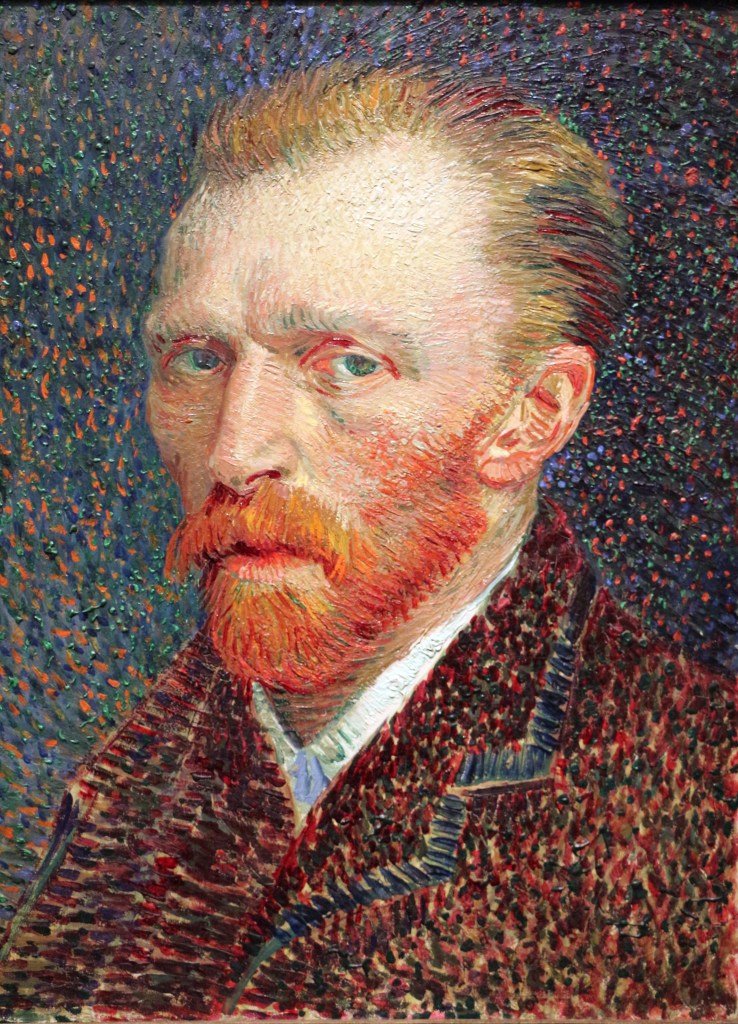
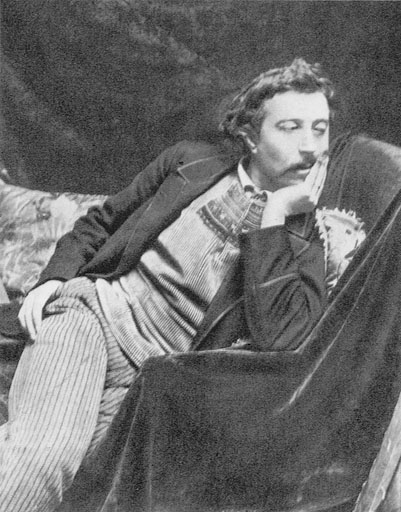
The history of art offers many examples of complicated, sometimes tumultuous relationships between artists. One of the most intriguing and simultaneously tragic illustrations of such a relationship is the connection between Vincent van Gogh and Paul Gauguin. Their partnership, filled with creative sparks and deep conflicts, remains a subject of study and speculation. Both van Gogh and Gauguin played crucial roles in the development of post-impressionism, but their shared time in Arles in 1888 was a significant turning point in their careers and led to dramatic events.
Van Gogh secured residency in Arles, known as the “Yellow House,” with the intention of creating an artistic community. He envisioned Gauguin joining him, believing that collaboration and sharing ideas would benefit both artists. Though initially hesitant, Gauguin eventually agreed, enticed by the potential financial support from Theo van Gogh, Vincent’s brother. Their shared life in Arles was meant to be a period of mutual inspiration and collaboration.
However, differences in personalities, artistic approaches, and perspectives on art quickly led to tensions. Gauguin, assertive and self-assured, often criticized van Gogh’s sincere and emotional style. Conversely, Vincent became increasingly anxious about Gauguin’s potential departure, exacerbating his mental struggles. The atmosphere of mutual rivalry and tension reached a critical moment, culminating in December 1888 when, after an argument, van Gogh severed part of his ear.
Despite these challenges, both artists made significant contributions to the evolution of their individual artistic styles during their residency in Arles. Gauguin began to delve into a more synthetic approach to form and a more vivid, symbolic use of color, while van Gogh delved deeper into his experiments with brushwork and dynamism. This era is considered one of the most productive and innovative phases in their careers.
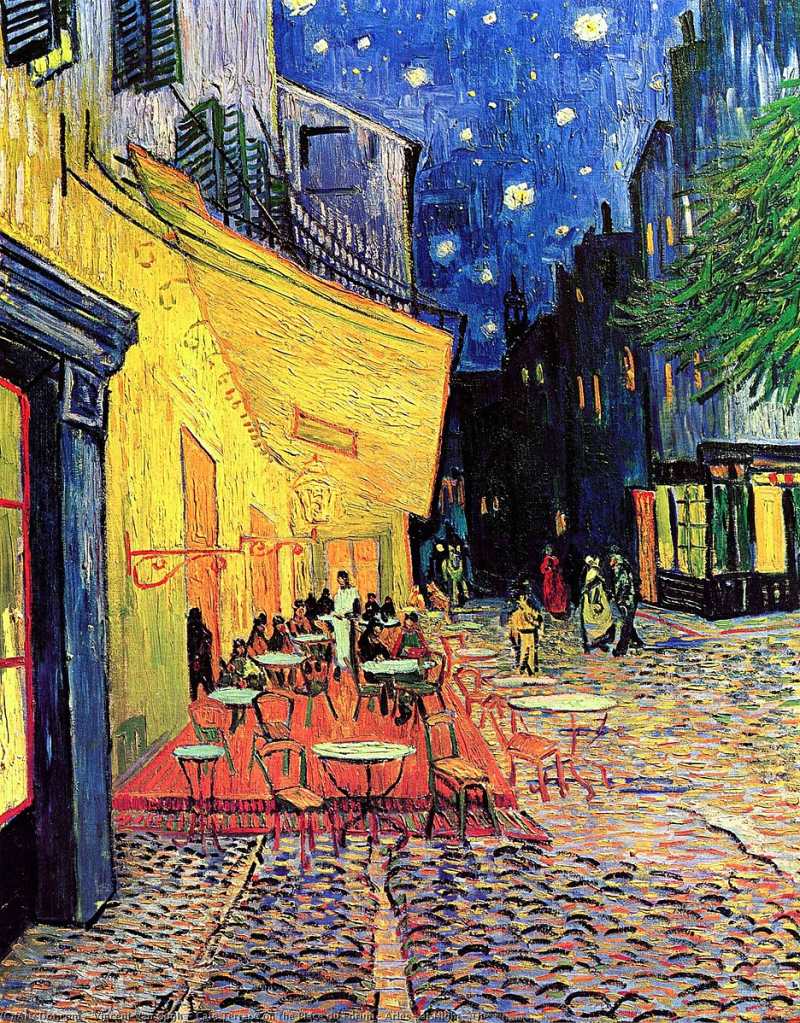
After the ear incident, Gauguin left Arles, and their paths never crossed again. Despite this tumultuous conclusion, the bond between van Gogh and Gauguin left a lasting mark on art history. Both artists continued their creative pursuits, influencing the development of contemporary art. Their narrative, full of passion, disagreement, and artistic exploration, serves as a testament to the complex nature of artistic relationships and their ability to shape creative trajectories.
The tumultuous association of Vincent van Gogh with Paul Gauguin serves as a poignant reminder of how conflicts and artistic disparities can drive creative inspiration. Their shared time in Arles embodies a period of heightened creativity intertwined with deep personal turmoil, which ultimately contributed to the evolution of their art.
In summary, the relationships between artists reveal the richness of interactions and inspirations that shape creative works. In each of these stories, we see not only the strength of friendship but also the dynamics of conflicts and differences that influence the artistic process. Despite turbulent moments and personal differences, these artistic relationships have left a lasting mark on art history, proving that mutual support and inspiration can arise even from the most unexpected partnerships. However, what remains undeniable is the influence of these artists on each other and on art as a whole, enriching our understanding and appreciation of the diversity and complexity of the human experience through the lens of art.

 ART HUB
Leave a comment