
Throughout the ages, the notion of enduring suffering for the sake of creation has been romanticized by societies and across generations. However, this legacy, stemming from German Romanticism and now deeply entrenched, has also inadvertently normalized various mental disorders among creative professionals. Artists, whose work is often their consuming passion, sometimes wear their exhaustion as a badge of honor, attributing their exemption from societal norms to a perceived genius cloaked in madness. Within this historical dilemma of the ‘’mad genius’’ numerous revered creators stand as a symbol of the romanticized portrayal of narcissism.
Perhaps even more compelling than the pathological narratives depicted by individuals grappling with mental anguish and psychotic disorders is the surreal realm of delusions often portrayed in their cinematic works. Alternatively, the fascination and adoration exhibited by masses raised on the enchantment of these narratives, finding solace in a frenzy of self-portraiture and endless admiration for the imagery, represents not merely a happenstance, but a cultural phenomenon worthy of consideration.
Renaissance theorist Leon Battista Alberti once remarked, “The inventor of painting was Narcissus” and questioned, “If painting is not about embracing the surface of the pool through art, then what is it?”. When we consider the art of creating a flawless representation of reality, it becomes inevitable to perceive cinema as a medium that surpasses painting, engaging the senses and emotional states in a holistic and comprehensive manner.
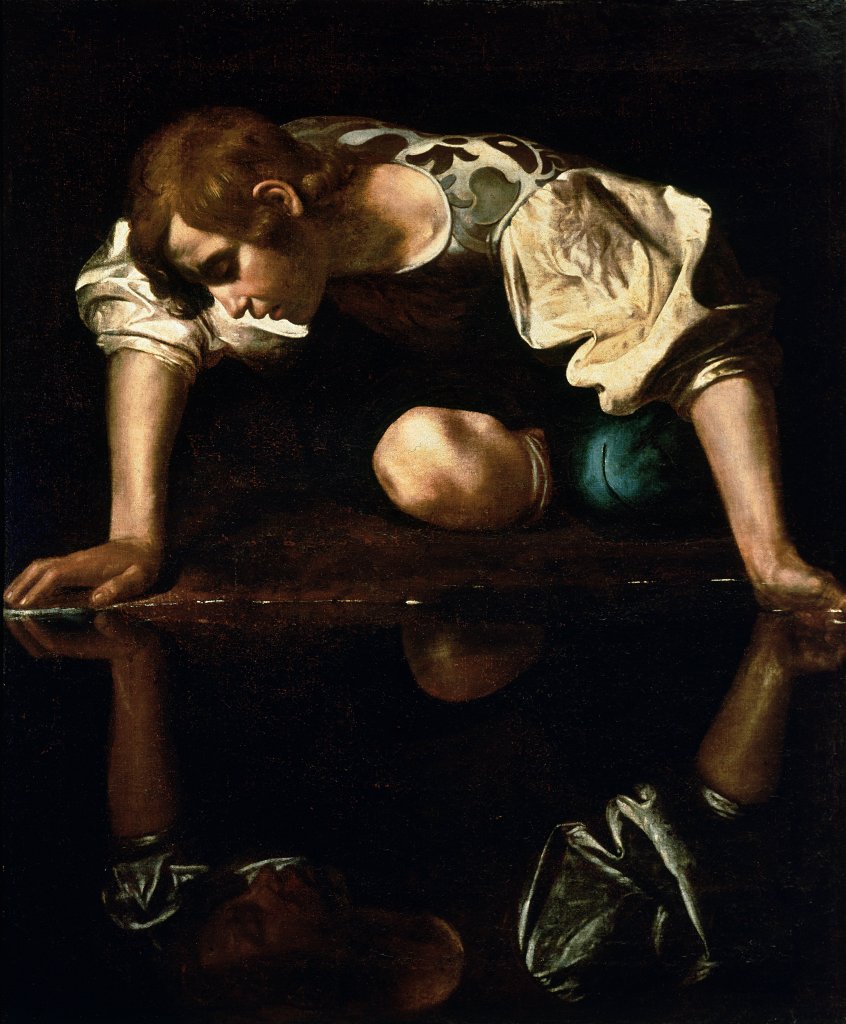
Therefore, it is not surprising that the creators of this medium suffer from an intense deity complex. While these individuals, who illuminate us with various realities they create mentally, may stand among the most accomplished figures in Cinema, the seventh and most inclusive art form that shapes popular culture, history, and representations as a whole, it is essential not to forget that they are also parts of a larger hierarchical order.
Award ceremonies organized in mass entertainment formats, the attendance of globally renowned and seemingly out of reach actors who are dubbed as ‘’film stars’’, media coaches preparing them to present themselves on the red carpet, the fashion industry adapting their appearances to popular templates, and popular media enchanting the subconscious of the masses with this grandeur… Similar to any field that compromises its internal ideals by commodifying them, the cinema world finds itself in a paradoxical dilemma.

The realities behind the dreams it presents also transform the perception of its created splendor. Thus, scandals, unconventional behaviors, exaggerations, and polemics become indispensable components of the spectacle. While remaining largely outside the narrative world of film but equally captivating, this dominant yet secondary narrative layer places the cinema industry among sectors where narcissism is recognized not as a pathological disorder but as a professional hazard.
The success rate of an artist is often measured by the extent to which it is undermined by their art. We can even hear people asking, “Isn’t it a director’s right to be exempt from the responsibilities that come with this title?”. So, in what ways do the character traits they exhibit influence the works of these creative individuals?
D. W. Griffith, often regarded as emblematic of the authoritarian and tyrannical director archetype, as well as the pioneer of classical narrative cinema, made his mark on history with his film The Birth of a Nation. However, it’s clear that the creation of this film was enabled by the absence of significant human rights reforms in the early 20th century. This iconic film depicts a scene where white actors with blackened faces portray marauding and rapacious black soldiers attacking a white family, only to be saved at the last moment by Ku Klux Klan.
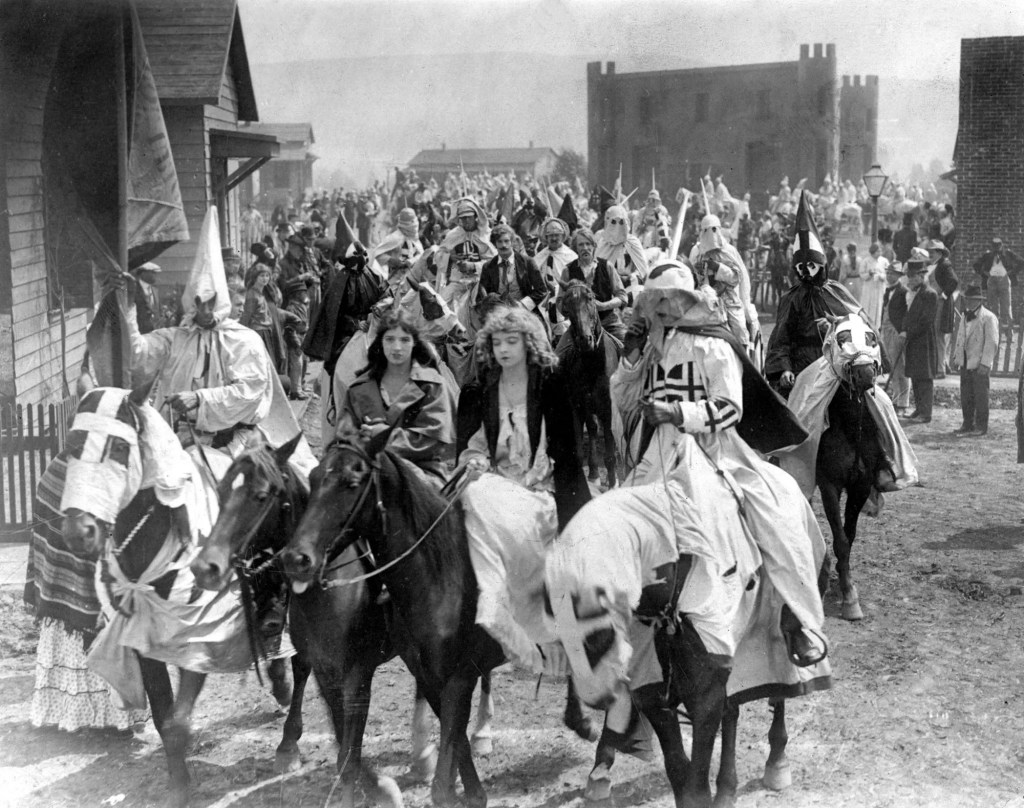

In a period where the majority of society could be deemed racist, Griffith gained notoriety for his narcissism, yet his film is still taught in university courses discussing the birth of narrative cinema. Undoubtedly, Griffith’s success has been one of the factors perpetuating the director prototype he depicted, enduring until today.
Cecil B. DeMille, a pioneer of American cinema and the director-producer who holds the distinction of being the most commercially successful filmmaker in its history, oversaw his endeavors from a distinguished workspace embellished with bear skins. From a throne-like elevated work chair, he exerted his influence with unwavering authority. It can hardly be said that he painted a modest image, with his violinist accompanying his comings and goings to the shoots, and his Filipino valet trailing behind with his chair in tow.
Another director known for exhibiting pronounced narcissistic traits is the four-time Oscar- winning record holder, John Ford. Within the industry, attributions of cruelty and sadism toward him, along with his insistence on actors bowing before him or enduring physical discipline, are regarded as inconsequential details, quietly acknowledged by the industry’s foremost institutions in light of his monumental achievements. In a society that glorifies success to this extent, it would probably be unlikely for anyone to disobey this prominent figure.
When it comes to Hollywood, these iconic figures come to mind—successful businessmen who not only market a grandiose and opulent fantasy to the masses but also serve as the architects of this patriarchal order. They have also played a significant role in the commodification of the female image. While there have been some small steps taken over time to change this male-dominated system, it has surprised film circles and cinema writers that notorious individuals like Robert Evans, the producer behind cult films such as The Godfather and Love Story, did not face the repercussions of the #MeToo movement initiated by scandals involving Harvey Weinstein.
Perhaps this is attributed to Evans’ advanced age at the time of his passing a couple of years ago or to the entrenched perception of classic Hollywood as the sacred realm of cinema. However, when we examine the macho structure that has shaped American cinema and its characters, it is difficult to overlook the fact that the industry has largely been established and overseen by figures embodying narcissistic traits. Consequently, when considering the films influenced by this perspective and the audiences molded by these films, it may be wiser not to be surprised.
So, how have things developed when transitioning from American cinema to Arthouse and European cinema? Imagine encountering Bergman who defines throwing chairs at his team as a ‘’pedagogical explosion’’. Or Sergio Leone known for his directorial technique of belittling actors, reaching such levels that it leads to one of them committing suicide. He was also renowned for sending a vicious dog after an actor to ensure they run in panic.
Anna Karina, who had a dysfunctional marriage with Godard, once remarked, ‘’It seemed as if our happiness bothered him. Whenever we were happy, he would inevitably find something to disrupt it’’. Twenty years after their separation, during a television program in 1987 where Karina was surprised by Godard’s unexpected appearance, she was overwhelmed with tears when Godard, discussing their relationship, claimed that he mimicked other directors and engaged in a romantic relationship with the leading actress only for the sake of it. This revelation led Karina to leave the studio in distress.

Following Charlie Chaplin, the most prominent figure associated with underage relationships was Polanski. The offer from French Vogue for him to serve as guest editor for an issue titled Fresh Girls seemed to exploit this vulnerability while also legitimizing it. Facing numerous accusations, he was arrested by the Swiss police in 2009 while on his way to receive a Lifetime Achievement Award, and was later released on bail with petitions from directors like Woody Allen and Martin Scorsese.

It is also noteworthy that in the court case that exposed Woody Allen’s contentious relationship with his adopted child, the judge granted custody of the children to Mia Farrow and referred to Allen as ‘’the most thick-headed narcissist’’.
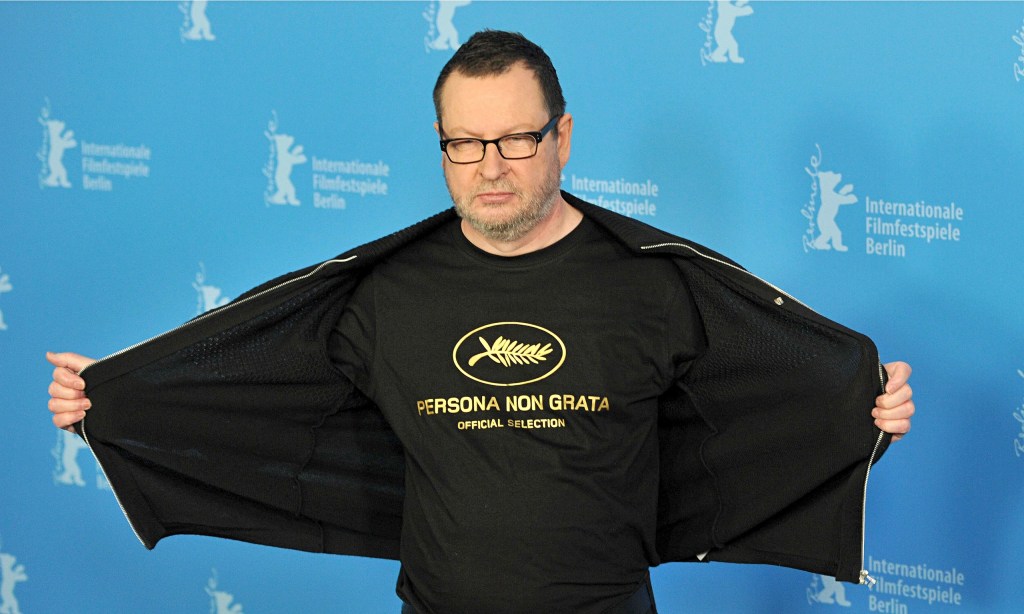
The common thread likely uniting these individuals, from the flamboyant Oliver Stone to Quentin Tarantino, exposed for his abusive directorial behavior towards Uma Thurman, and Lars Von Trier, declared Persona Non Grata at the Cannes Film Festival for his racist jokes, is probably the indifference and recklessness they exhibit while displaying their behaviors, possibly rooted in narcissism. This attitude has permeated throughout the film industry, a sector governed by hierarchical power mechanisms, becoming an indispensable and fundamental component, thus contributing to narcissism’s prevalence within it.
Known for his arrogance and even sadism, Walt Disney, through his work Snow White and the Seven Dwarfs etched into our memories the evil queen whose question, ‘’Mirror, mirror on the wall, who is the fairest of them all?’’ has become synonymous with malice, greed, and envy.

Undoubtedly, the most famous narcissistic film character, who also gave his name to the Gaslighting term, is Gregory Anton from the film Gaslight. Taking residence in the old house where his wife’s aunt was murdered, Anton systematically applies mental abuse to his wife, withholding a secret about the murder, ultimately succeeding in driving her to insanity.

In contemporary cinema, particularly in productions aimed at adolescents, narcissism has become a normalized behavior. When examining American high school films, and characters such as Regina George in Mean Girls, we consistently encounter teenagers who repeatedly assert their beauty to classmates, manipulate them effortlessly to achieve their desires, and firmly believe they are superior to everyone they know.
The debate of whether life imitates film or vice versa persists, but it’s plausible to consider these characters in high school films and series, which gained prominence in the late 80s and especially the 90s, and continued to be prevalent in the 2000s, as predecessors to the masses, particularly influenced by today’s selfie craze.

The examination of character disorders presents filmmakers with some of the most intriguing character traits to explore. However, it’s particularly striking that among the most iconic characters, those with narcissistic tendencies often attract the most attention.
Narcissism, which has played a significant role in each of our developmental stages, while gradually balanced out with empathy over time, is now showcased in a performative dimension due to our era’s social media frenzy, our preference for representations over reality, and our culture of exhibitionism. Yet, it is also systematically suppressed due to its contradiction with our core values.
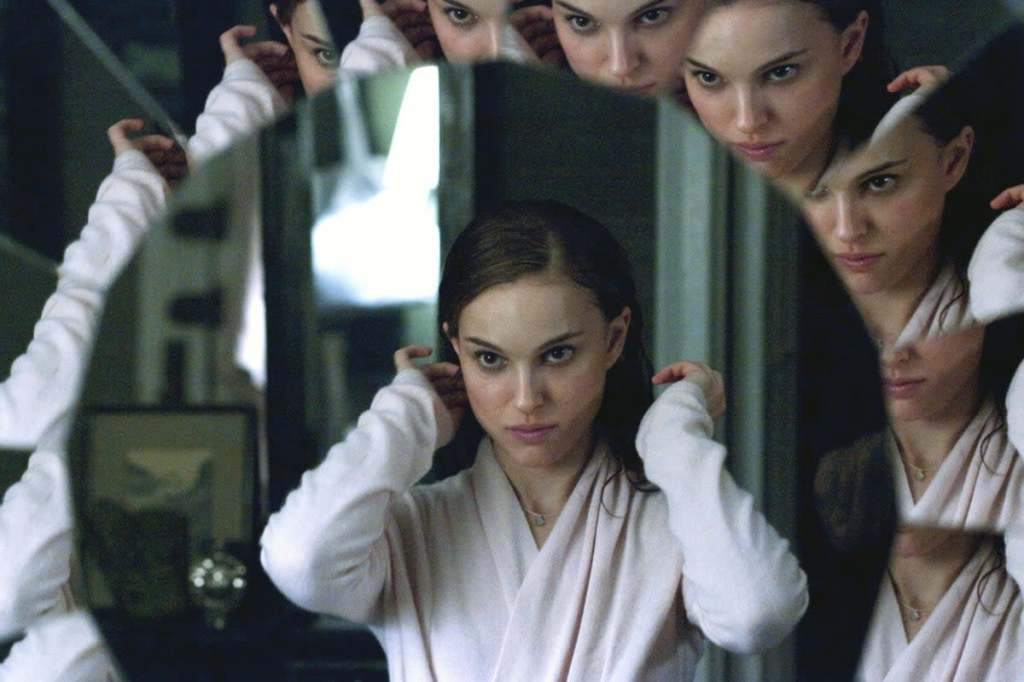
According to mental health professionals, the most challenging thing to tell a narcissist is that they are narcissistic themselves. When we spread this message to the masses, the response we encounter will undoubtedly be more challenging. In Black Swan, the character Erica embodies a compelling depiction of narcissistic behavior. Through subtle manipulation, she steers her daughter Nina to live out her own unfulfilled desires, ultimately leading Nina to develop a dark alter ego, Lily. Depicted with lavish costumes, intricate makeup, and glamorous allure, these obsessive behaviors evoke both widespread admiration and profound self-reflection.


The head of an organized crime empire, Don Vito Corleone, is a character driven by excessive confidence, a sense of superiority, and an unrelenting pursuit of unlimited success and power. Using others for this purpose has become a part of his life. However, this has not prevented him from becoming a cult figure, revered by many as a symbol of strength and leadership.
Miranda Priestly from The Devil Wears Prada is an over-confident and ruthless fashion editor of a New York fashion magazine. It is known that the character is an adaptation of the famous fashion editor Anna Wintour. Perhaps the aspiration of the entire fashion industry is to emulate Anna Wintour. Therefore, aren’t these behavior patterns being portrayed as the very path to success?

It’s essential to remember that while standing under the splendid light of fame, one’s actions may appear entertaining and even encouraging. However, many individuals who exude an excessive sense of self-assurance aren’t merely displaying a narcissistic personality trait; they are possibly suffering from one of the most devastating and difficult- to-treat conditions in the mental health lexicon: narcissistic personality disorder.
Researchers suggest that individuals with this personality disorder are not driven by genuine self-love but rather by a form of self-loathing, stemming from profound terror, deep-seated shame, intense fear of failure, and a lack of capacity to endure the emotional collapse it would entail.
When we analyze the common denominator among the examples provided, we perceive something far beyond mere narcissism. The film industry exhibits characteristics reminiscent of those found in a patriarchal and capitalist enterprise. Originating from 19th- century circuses, the phrase ‘’The Show Must Go On’’ epitomizes a world where any protest or revolutionary action can suddenly acquire promotional qualities and be assimilated into the spectacle. The prevalence of generations raised and continuing to be nurtured under this influence constitutes a sort of majority, propelling the situation irreversibly toward a point of no return.
It’s worth highlighting that the current widespread fascination with narcissism emphasizes the likelihood that, even if there were to be a mass understanding of these issues, the prevailing trends of our technological era would likely further amplify the glorification of this perilous trait, ultimately affecting each of us even more deeply at an individual level.
The truth is, even if there were to be a transformation in public perception regarding these issues, and even if such a change were to be revolutionary in nature, it’s conceivable that we might anticipate its manifestation through a format akin to a spectacle. This process could be shaped by trending hashtags and could evoke an expanded narrative realm reminiscent of a sort of commercialized expanded cinema performance.




 ART HUB
Leave a comment