

Last week, I had the pleasure of immersing myself into the exhibition When Forms Come Alive at the Hayward Gallery, one of my favourite venues in London. Situated within the vibrant Southbank Centre, which hosts a fusion of cultural institutions like the Royal Festival Hall and the Queen Elizabeth Hall, along with various restaurants and spaces for collaborative endeavours, the gallery offers a dynamic cultural experience. With its brutalist architecture and expansive interiors, the Hayward Gallery serves as an ideal set for large-scale exhibitions. Dedicated to showcasing a diverse array of adventurous and influential artists from around the globe, the gallery’s year-round exhibition program never fails to captivate audiences. Reflecting on my previous visit to Hiroshi Sugimoto’s The Machine exhibition, which left me thoroughly satisfied, I returned in anticipation of another enriching experience. Once again, the Hayward Gallery lived up to its reputation, delivering an exceptional showcase that left a lasting impression.
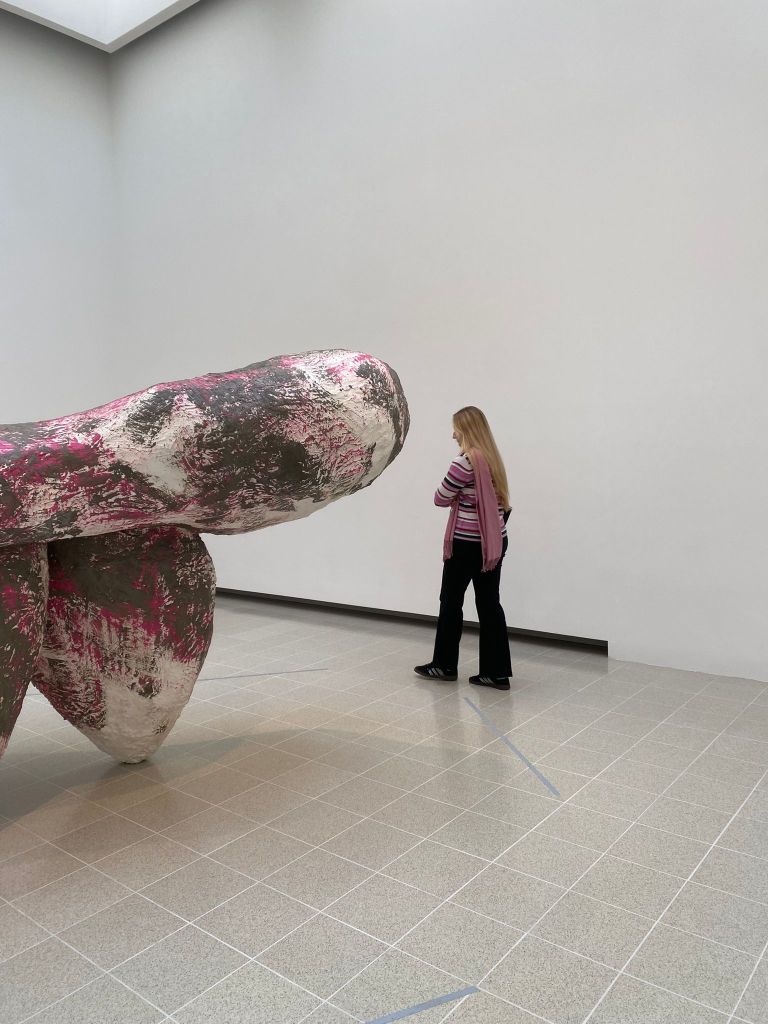
The current exhibition, titled When Forms Come Alive, is an exploration inspired by a diverse array of sources, ranging from a dancer’s graceful gesture to the powerful breaking of a wave. The artworks on display conjure fluid and shifting realms of experience, with undulating, drooping, erupting, and promiscuously proliferating sculptures inviting a tactile gaze and triggering physical responses. Let us explore some of my favourite works from the show.
DRIFT studio
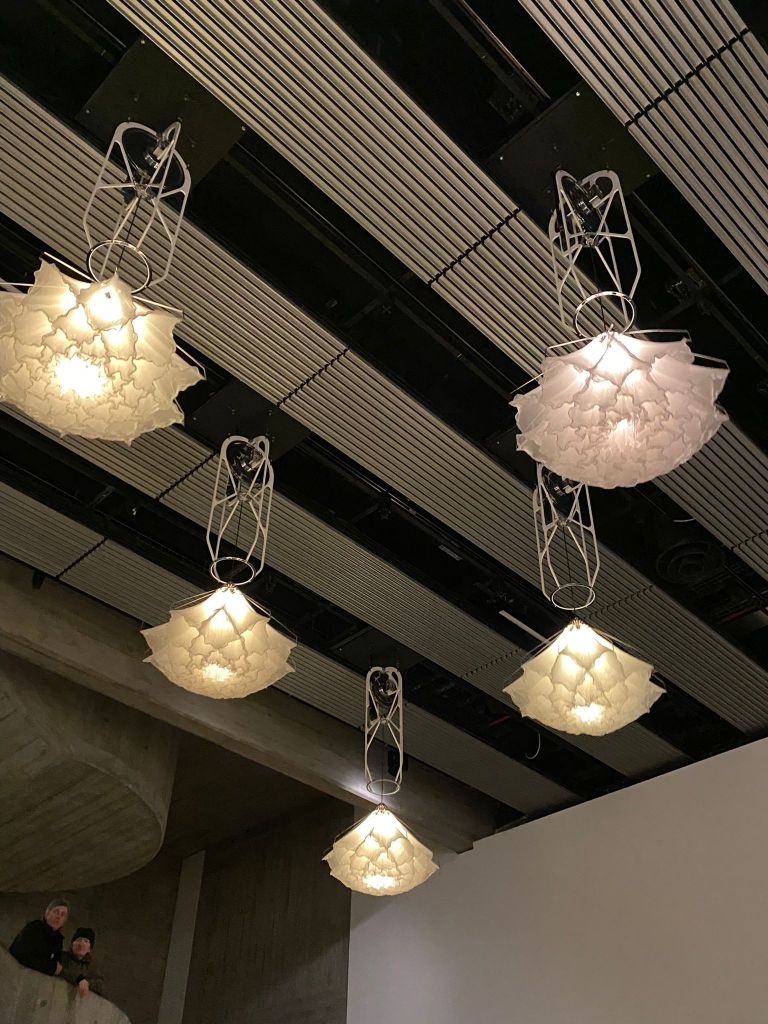
Among many artworks on display, it was the creations of DRIFT, a renowned studio based in Amsterdam, that truly captivated my attention. Founded by Dutch artists Lonneke Gordijn and Ralph Nauta, DRIFT’s multidisciplinary team specialises in crafting experiential sculptures, installations, and performances that explore the subtle nuances and hidden marvels of nature through the lens of technology.
One particular masterpiece that stood out was the Shylight installation, floating and unfolding in the air with an enchanting dance-like quality. Its ethereal presence reminded me of Degas’ ballet dancers frozen in time, evoking a sense of beauty. Inspired by the natural phenomenon known as ‘nyctinasty,’ where certain flowers close at night for self-defence and resource conservation, Shylight mimics this intricate process through a mesmerising choreography of unfolding and retracting. As I observed, many visitors were drawn to the installation, transfixed by its mesmerising movements and immersive experience. It was evident that the Shylight had succeeded in captivating the audience, inviting them to pause and contemplate the delicate interplay between art, technology, and the wonders of nature.

Tara Donovan
The artwork Untitled (Mylar) by American artist Tara Donovan left a mark on me. Represented by Pace Gallery, artist herself specialises in creating expansive installations, sculptures, and drawings using commonplace items to delve into the transformative power of accumulation and aggregation. Donovan’s pieces, mostly crafted from sustainable materials, tend to be monumental in scale.
Initially, Untitled (Mylar) from the exhibition When Forms Come Alive appeared to be constructed from a durable material like metal. However, upon closer inspection, it revealed itself to be composed of thousands of flat, glistening Mylar discs meticulously held together by hot glue. The sheer size and intricate design of the sculpture were truly breathtaking. As spectators wandered around it, they were greeted by a mesmerising display of shimmering discs, reflecting both light and their own images. Personally, I could not help but feel like I was peering into a fragment of a coral reef or encountering otherworldly cosmic beings emerging from the depths of the sea.

Olaf Brzeski
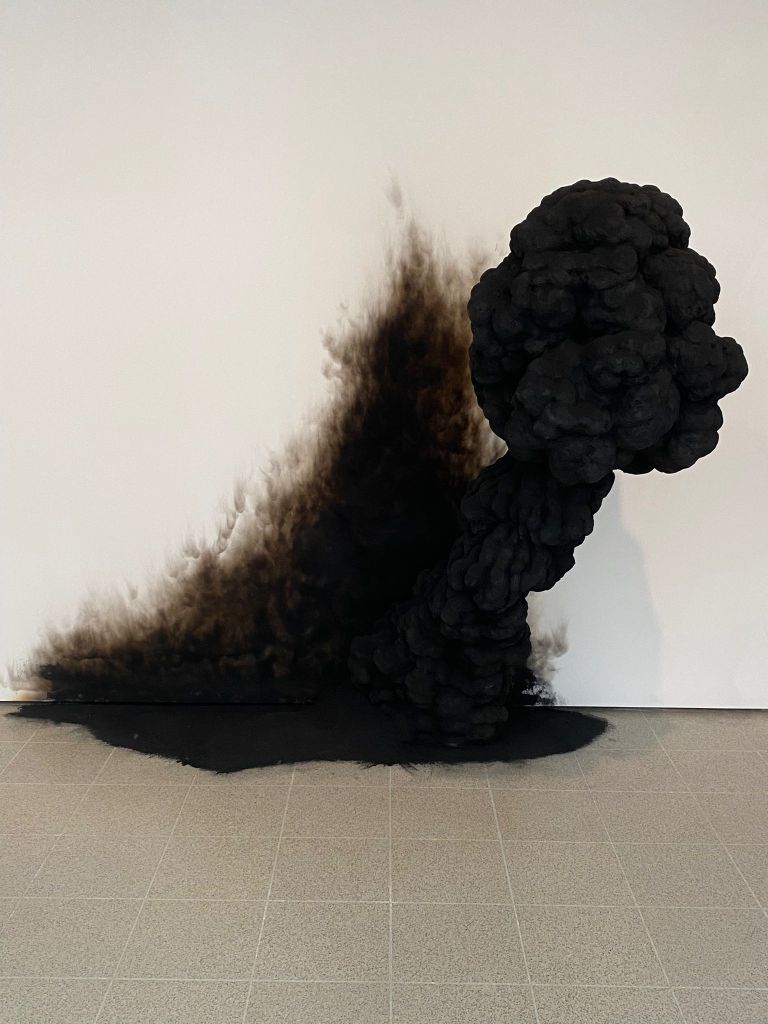
Additionally, I had the pleasure of discovering artworks by Olaf Brzeski, a Polish sculptor whose works are deeply influenced by surrealistic concepts. Coming from Wrocław, one of my beloved cities in Poland, Brzeski breathes life into his surreal creations through films, three-dimensional sculptures, and installations. His installations, such as Dream – Spontaneous Combustion and Untitled (from the Little Orphan series), evoke a sense of unease and unpredictability. The dark swirls of ash and clay forming ominous blocks reminded me of moments in my life when I felt powerless, as if life was beyond my control. Brzeski’s works stir unexpected emotions, challenging viewers to confront the uncertainties of existence.

Summary
As visitors step into the exhibition, they embark on a captivating journey inspired by a rich tapestry of influences. From the elegant movements of a dancer in Shylight installation by Studio DRIFT to the dynamic force of dynamite-like sculptures of Olaf Brzeski. The artworks on display evoke fluid and ever-changing realms of experience. When Forms Come Alive beckons us to delve into the interconnectedness of art, nature, and human existence in a deeply immersive and memorable manner. I wholeheartedly encourage you to experience it firsthand the next time you find yourself in London.


Reference
- “Kolekcja – Olaf Brzeski – Muzeum Sztuki Nowoczesnej W Warszawie,” n.d.
- https://artmuseum.pl/pl/kolekcja/artysci/olaf-brzeski.
- “Olaf Brzeski – about” n.d.
- https://olafbrzeski.com/pl/.
- Studio Drift. “About Drift – Studio Drift,” July 5, 2023.
- “Tara Donovan | Pace Gallery,” October 17, 2023.
- https://www.pacegallery.com/artists/tara-donovan/.
- “When Forms Come Alive,” n.d.
- https://www.southbankcentre.co.uk/whats-on/art-exhibitions/when-forms-come-alive.

 ART HUB
Leave a comment