In the vibrant tapestry of global culture, the past week has unfolded a kaleidoscope of triumphs, controversies, and reflections. Last week commenced with a bittersweet note as the Marlborough Gallery, an esteemed institution in the contemporary art world for nearly eight decades, announced its impending closure. With its illustrious presence spanning across cultural capitals like New York, London, Madrid, and Barcelona, Marlborough Gallery has long served as a pivotal platform for groundbreaking artists, showcasing the works of luminaries such as Francis Bacon, Henry Moore, and Jackson Pollock. As preparations commence for the liquidation of its assets, valued at a staggering $250 million, the closure of Marlborough Gallery underscores the evolving dynamics of the art market and the challenges confronting traditional art institutions in an era characterized by digital transformation and shifting paradigms of consumption.
Meanwhile, in the heart of Paris, French authorities orchestrated a dramatic seizure of over 100 avant-garde paintings from an art laboratory, amidst swirling suspicions of theft. The confiscated works, including pieces attributed to pioneering figures of the avant-garde movement such as Wassily Kandinsky and Kazimir Malevich, are believed to become a part of a collection owned by businessman Uthman Khatib. This brazen seizure casts a harsh spotlight on the labyrinthine complexities of art ownership and the persistent battle against art theft and illicit trade, underscoring the indispensable role of vigilant oversight within the art world’s corridors.
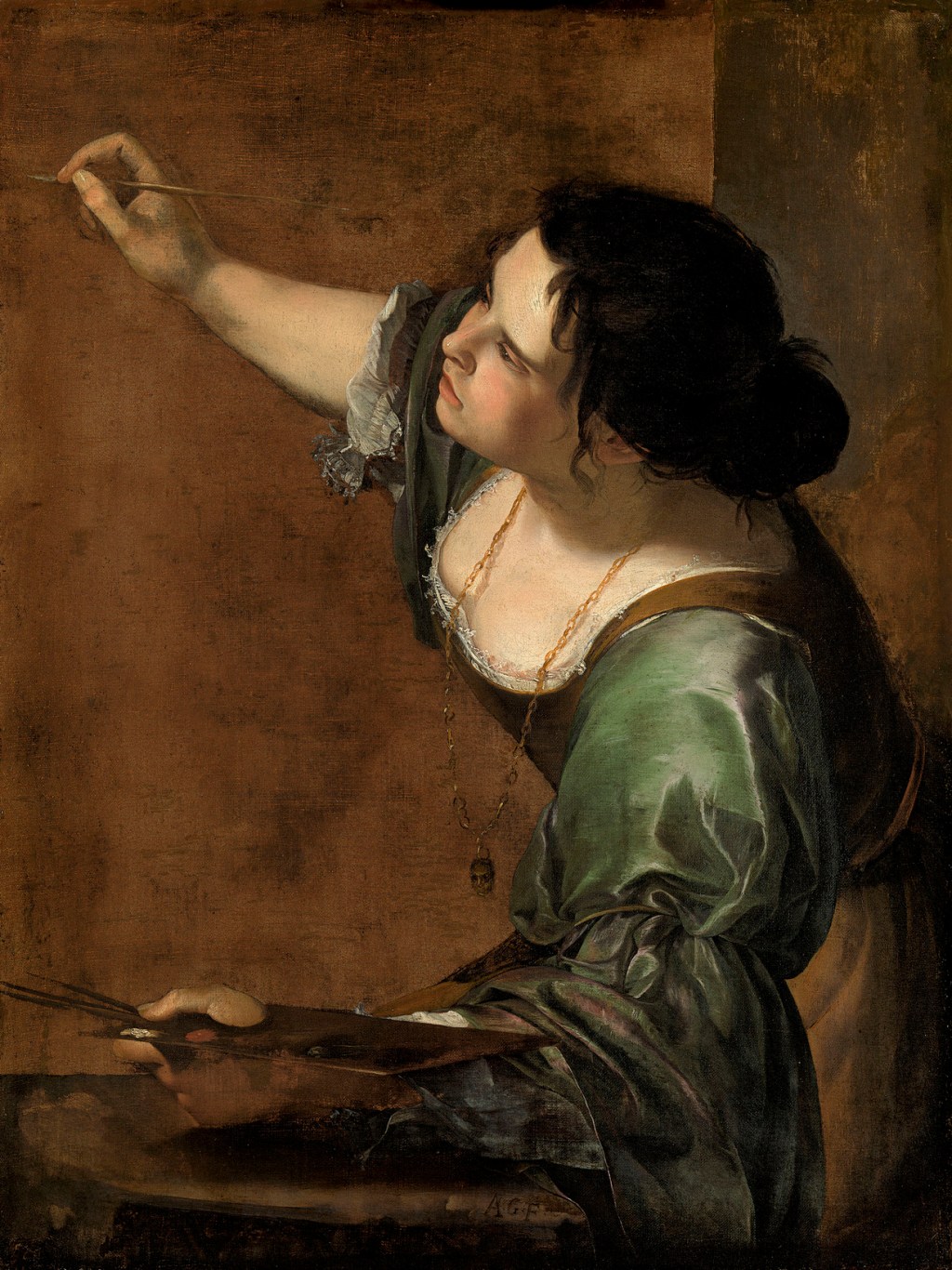
Controversy erupted in the historic streets of Genoa as impassioned activists took to the cobblestones to denounce what they perceived as the commodification of trauma in an exhibition dedicated to Artemisia Gentileschi. Organized by the anti-patriarchal advocacy group Bruciamo Tutto – Let’s Burn Everything, the protest sought to draw attention to the exhibition’s troubling inclusion of works by Gentileschi’s convicted rapist, Agostino Tassi. This stirring demonstration reignited fervent debates on the ethical representation of artists’ narratives and the delicate balance between historical accountability and artistic integrity, prompting a collective reckoning with the complexities of honoring the past while confronting its painful legacies.

Amidst the turmoil in Genoa, a chorus of voices rose in unison across the music industry as musicians from diverse corners of the globe united in a resounding declaration against the encroachment of artificial intelligence on artistic expression. In a poignant display of solidarity, more than 200 musicians, spanning genres and generations, including luminaries such as Billie Eilish, Nicki Minaj, and Stevie Wonder, lent their names to an open letter demanding safeguards against the predatory use of AI-generated content. This impassioned plea underscored mounting apprehensions within the music industry regarding the ethical implications of AI technology and its potential to disrupt established creative ecosystems, calling for a nuanced approach that upholds the sanctity of human creativity while harnessing the transformative potential of technological innovation.
Meanwhile, in the bustling city of Manchester, a theatre found itself embroiled in a maelstrom of controversy as it reversed its initial decision to cancel a Palestinian literature event, bowing to mounting pressure from artists and activists alike. The swift reversal, spurred by widespread condemnation and a groundswell of artist protests, served as a poignant reminder of the enduring power of collective action and solidarity within the artistic community. As nearly 300 artists, including luminaries like Maxine Peake and Asif Kapadia, rallied in support of the event, the episode underscored the indispensable role of art as a conduit for amplifying marginalized voices and fostering dialogue in the pursuit of social justice and cultural equity.
As the echoes of these momentous events reverberate across the cultural landscape, they serve as poignant markers of the enduring power of art to provoke, inspire, and challenge societal norms. In an age defined by rapid technological advancement and shifting socio-political currents, the intersections of art, politics, and activism continue to shape the contours of our collective cultural identity, bearing witness to the resilience and dynamism of human creativity in the face of adversity.

 ART HUB
Leave a comment