
Paris, the City of Light, has long been a beacon for artists and art enthusiasts alike. From the bohemian streets of Montmartre to the grand halls of the Louvre, Paris pulses with creative energy, offering a rich tapestry of artistic experiences. Over the last five decades, the city has witnessed a multitude of unforgettable art moments that have left an indelible mark on its cultural landscape. Here, we delve into five such a moments that have defined Paris as a global epicenter of artistry and creativity.
Pompidou Center Inauguration (1977)
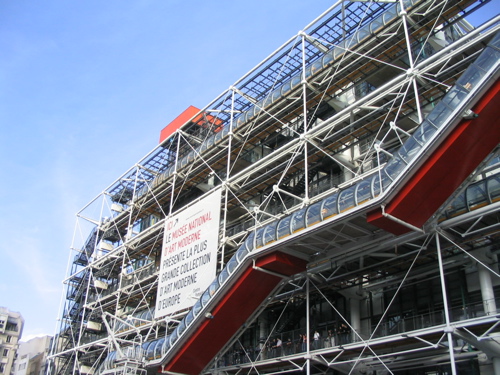
The unveiling of the Centre Georges Pompidou in 1977 marked a paradigm shift in the world of art and architecture. Designed by Renzo Piano and Richard Rogers, this groundbreaking structure challenged traditional notions of museum design with its exposed pipes, colorful facade, and an innovative inside-out approach that placed utility systems on the exterior.
The Pompidou Center quickly became a symbol of modernity and creativity, housing a vast collection of contemporary art, including works by Picasso, Kandinsky, and Duchamp. Its inauguration heralded a new era of artistic expression in Paris and solidified the city’s status as a hub for avant-garde movements. Today, the Pompidou Center continues to push boundaries, hosting groundbreaking exhibitions and serving as a platform for emerging artists to showcase their work. This iconic structure stands as a testament to Paris’ unwavering commitment to innovation and artistic exploration, inviting visitors from around the world to engage with art in bold and unexpected ways.


Inauguration of the Musée d’Orsay (1986)
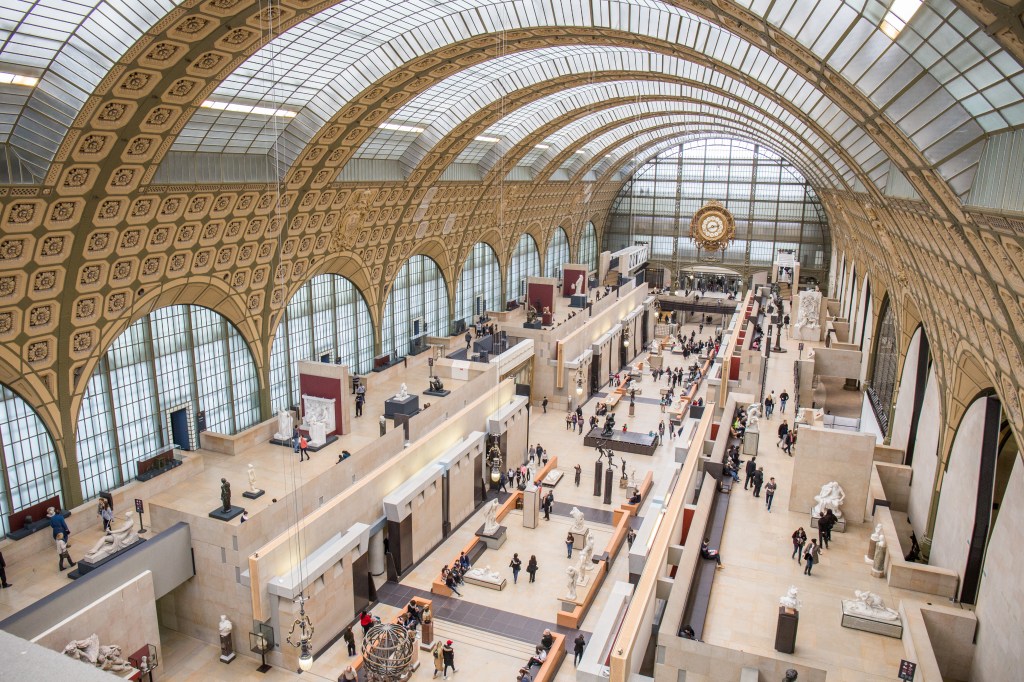
One significant event that profoundly impacted the Parisian art scene in the last five decades occurred in 1986 with the inauguration of the Musée d’Orsay. Housed in a stunning Beaux-Arts railway station, the museum quickly became a focal point for showcasing French art from the mid-19th century to the early 20th century. The Musée d’Orsay’s opening filled a critical gap in Paris’s cultural landscape, providing a dedicated space to display works from the Impressionist, Post-Impressionist, and Art Nouveau movements. Its collection includes masterpieces by renowned artists such as Monet, Manet, Degas, Renoir, Van Gogh, and Rodin, among others.
This institution not only celebrates the achievements of these iconic artists but also offers visitors a comprehensive overview of the cultural and social transformations that swept through France during this period. Through its meticulously curated exhibitions and educational programs, the Musée d’Orsay continues to foster appreciation for the diversity and innovation of 19th and early 20th-century French art.
Moreover, the Musée d’Orsay’s architectural significance adds to its allure. The museum’s transformation from a disused railway station into a vibrant cultural hub symbolizes Paris’s commitment to preserving its architectural heritage while embracing innovation and modernization. In the decades since its opening, the Musée d’Orsay has become one of Paris’s most visited museum, attracting millions of visitors from around the world each year. Its impact on the city’s cultural landscape cannot be overstated, as it continues to inspire and educate audiences of all ages, ensuring that the legacy of French art endures for generations to come.


The Louvre Pyramid (1989)
In 1989, the world watched in awe as President François Mitterrand inaugurated the iconic glass pyramid at the heart of the Louvre Museum. Designed by Chinese-American architect I. M. Pei, the pyramid served as both a symbolic and practical addition to the historic museum, providing a striking entrance while also improving visitors circulation. Despite initial controversy, the pyramid seamlessly integrated into the Louvre’s majestic surroundings, serving as a testament to Paris’s ability to embrace modernity without forsaking its rich cultural heritage.
Today, the Louvre Pyramid stands as one of the city’s most recognizable landmarks, drawing millions of visitors each year to admire its timeless elegance. Its inauguration heralded a new era of architectural expression and artistic vision, setting the stage for subsequent groundbreaking designs that would push the boundaries of traditional museum spaces.
The pyramid served both as a striking addition to the historic Louvre complex and as a symbol of modernity, inviting visitors into the world-renowned museum. Its sleek glass and metal structure harmoniously blend with the classical architecture, creating a captivating juxtaposition of old and new.


Street Art Renaissance (2000s-present)
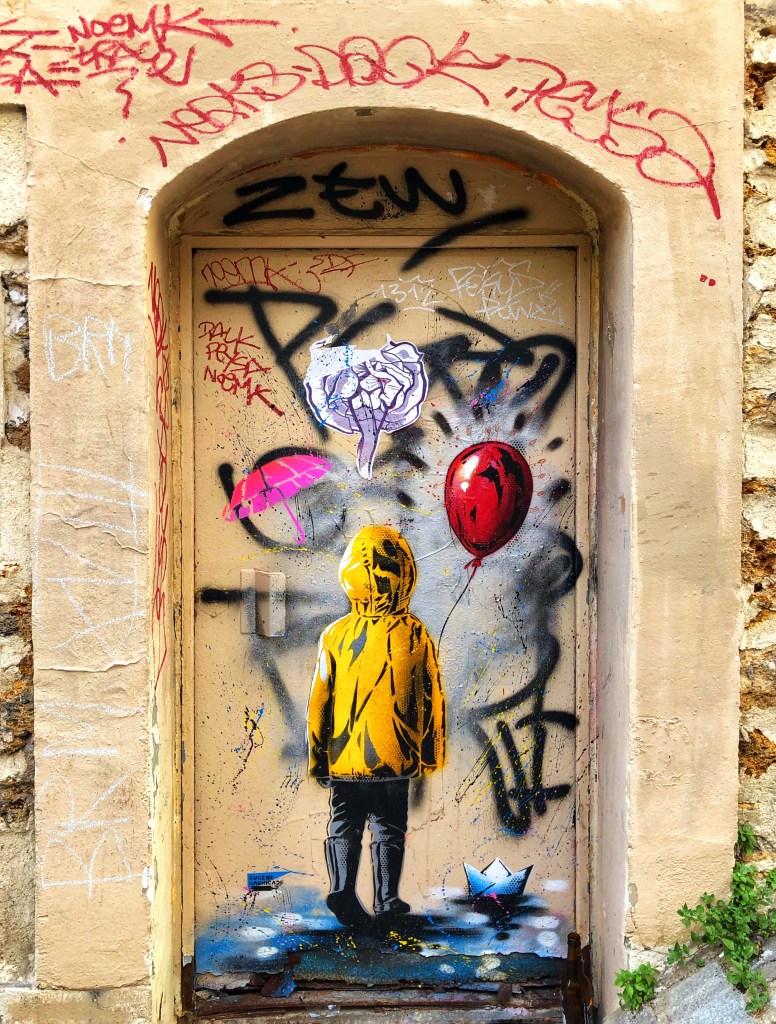
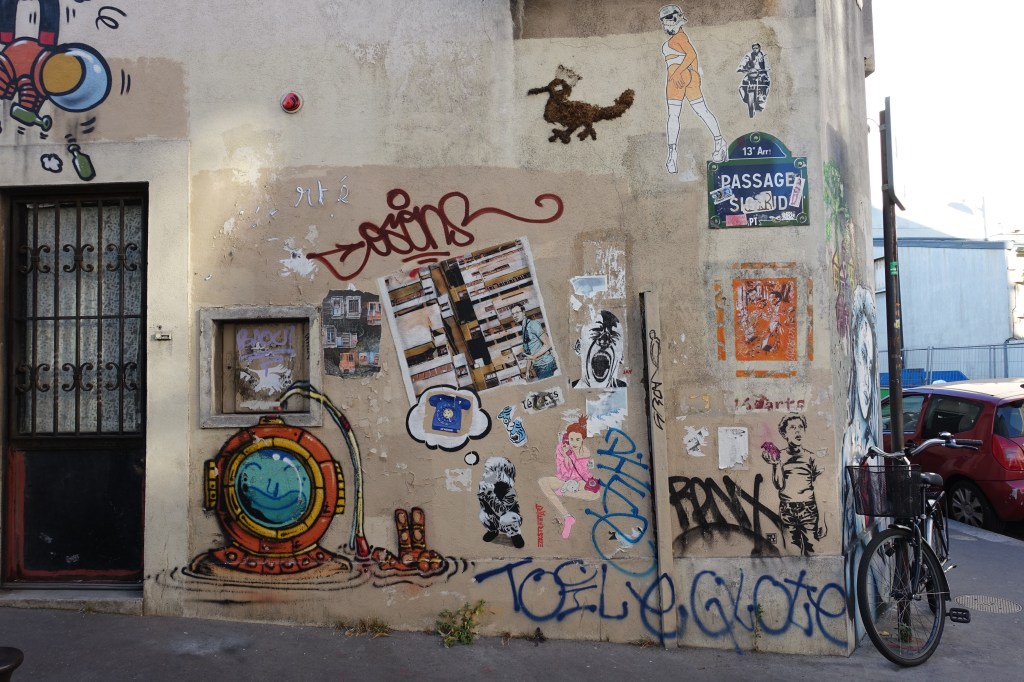
The Street Art Renaissance in Paris over the past two decades has been nothing short of spectacular, injecting new life and creativity into the city’s streetscape. This resurgence has transformed ordinary urban spaces into captivating galleries, where every corner tells a story and every wall bursts with vibrant colors and provocative imagery. At the forefront of this movement are iconic figures like Banksy and Invader, whose enigmatic stencils and whimsical mosaics have become synonymous with Parisian street art. Their work not only adorns the city’s walls but also serves as a reflection of its evolving social and cultural landscape, sparking conversations and challenging conventional norms. What sets Paris apart in this global phenomenon is its embrace of street art as a legitimate form of artistic expression.
Instead of viewing graffiti as vandalism, the city has embraced it as a valuable cultural asset, providing artists with sanctioned spaces to unleash their creativity. But beyond the established names, Paris’s street art scene is a melting pot of diverse voices and styles, reflecting the city’s rich tapestry of cultures and identities. From politically charged murals to whimsical paste-ups, every piece adds to the eclectic patchwork that is Parisian street art.
Moreover, the allure of street art isn’t confined to the city’s walls alone. It spills over into its alleys, bridges, and even metro stations, turning everyday commutes into immersive art experiences. Tourists flock to neighborhoods like Belleville and Le Marais not only to see iconic landmarks but also to discover hidden gems tucked away in its labyrinthine streets.
Grand Palais Spectaculars (2010s-present)
In recent years, the Grand Palais has solidified its position as a premier destination for immersive art experiences, captivating audiences with a series of monumental installations that redefine the boundaries of traditional exhibition formats. With each new showcase, the Grand Palais transforms into a realm of artistic wonder, offering visitors an opportunity to engage with art on a scale that is both breathtaking and unforgettable. One of the most notable contributions to the Grand Palais’s artistic repertoire is the work of renowned sculptor Anish Kapoor.
Kapoor’s reflective sculptures, characterized by their mesmerizing play of light and space, have graced the halls of the Grand Palais, captivating viewers with their otherworldly beauty. These immersive installations invite visitors to contemplate the interplay between form and perception, blurring the lines between reality and illusion. Equally impactful are the site-specific installations featured in the Monumenta exhibition series. Each edition of Monumenta brings together a different contemporary artist to conceive a monumental artwork tailored to the grandeur of the Grand Palais’s interior.
These ambitious projects challenge conventional notions of scale and space, transforming the vast expanse of the Grand Palais into a canvas for artistic experimentation and innovation. Beyond their aesthetic appeal, these spectacular exhibitions serve as a testament to Paris’s enduring commitment to fostering dialogue and innovation within the contemporary art world. By providing a platform for artists to realize their boldest visions, the Grand Palais reaffirms its status as a beacon of artistic excellence and a catalyst for cultural exchange.
Fondation Louis Vuitton Opening (2014)
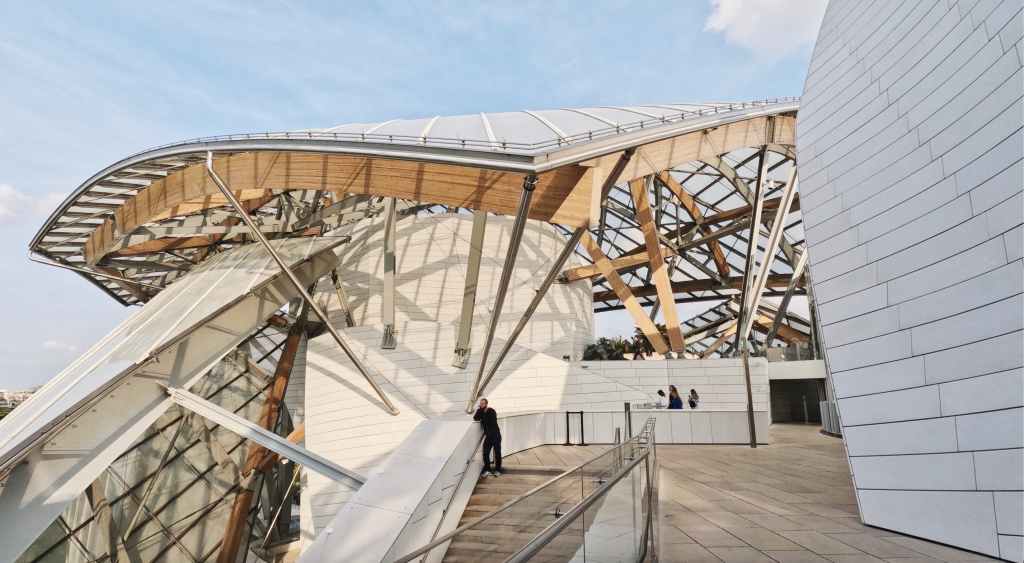
The inauguration of the Fondation Louis Vuitton in 2014 also marked a pivotal moment in the trajectory of contemporary art in Paris. Designed by the renowned architect Frank Gehry, the building itself is a breathtaking masterpiece, a symphony of glass and steel nestled amidst the serene beauty of the Bois de Boulogne. Its avant-garde design, characterized by billowing sails that seem to dance with the wind, immediately captured the imagination of art enthusiasts worldwide. Since its opening, the Fondation Louis Vuitton has emerged as a beacon of innovation and creativity, pushing the boundaries of artistic expression and challenging conventional norms. Its ambitious exhibition program showcases the work of both established luminaries and emerging talents, spanning a diverse range of mediums and styles.
From immersive installations to thought-provoking performances, each exhibition offers visitors a unique and immersive artistic experience. More than just a venue for showcasing art, the Fondation Louis Vuitton serves as a dynamic cultural hub, fostering dialogue and collaboration across disciplines. Its robust program of events, including lectures, workshops, and performances, encourages interaction and engagement, inviting visitors to participate actively in the artistic process. By establishing itself as a leading center for contemporary art, the Fondation Louis Vuitton has not only enriched the cultural landscape of Paris but has also elevated the city’s status as a global hub for creativity and innovation. Its presence serves as a testament to Paris’s enduring legacy as a nurturing ground for artistic experimentation and exploration.
Moreover, the Fondation Louis Vuitton’s commitment to accessibility and inclusivity ensures that art remains accessible to all, regardless of background or expertise. Through educational initiatives and outreach programs, it seeks to inspire the next generation of artists and art lovers, fostering a deeper appreciation for the transformative power of creativity.


These six unforgettable art moments serve as testament to Paris’s enduring legacy as a nurturing ground for artistic experimentation and exploration. From iconic landmarks to vibrant street scenes, each moment has contributed to the rich tapestry of Parisian art history, inspiring generations of artists and art lovers alike. As Paris continues to evolve as a global hub for creativity and innovation, these moments will remain etched in the city’s cultural memory, reminding us of the transformative power of art to shape our world.

 ART HUB
Leave a comment