
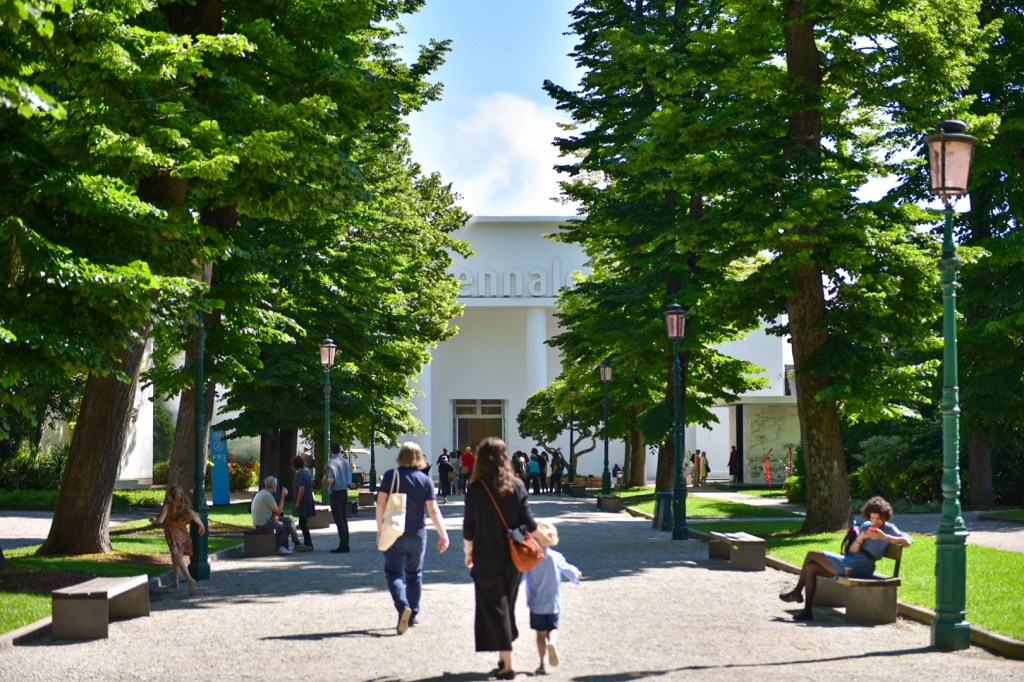


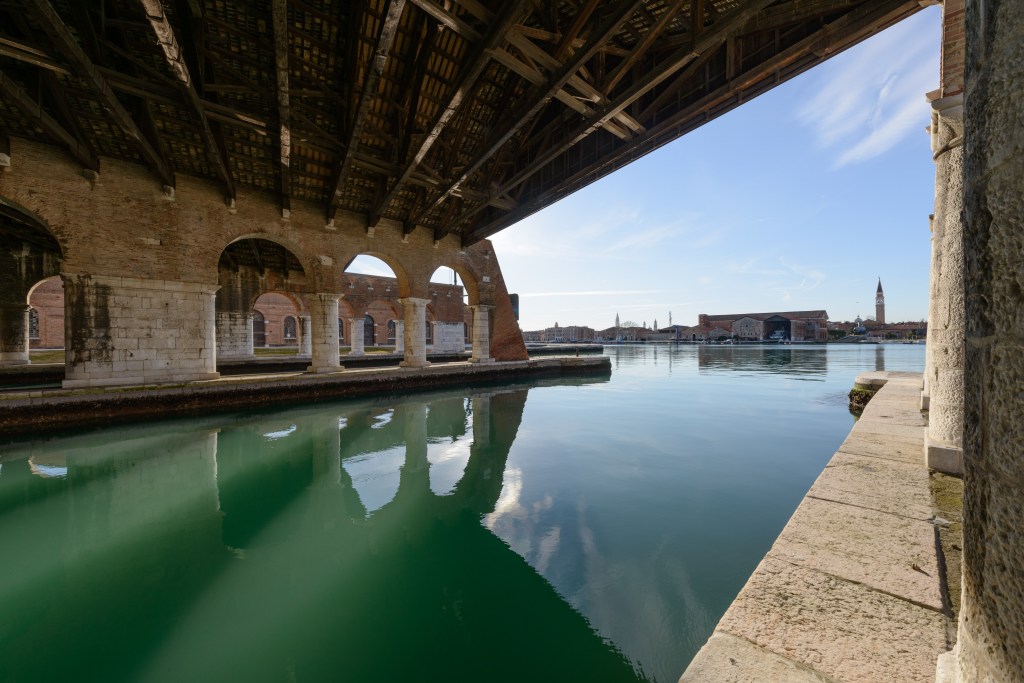
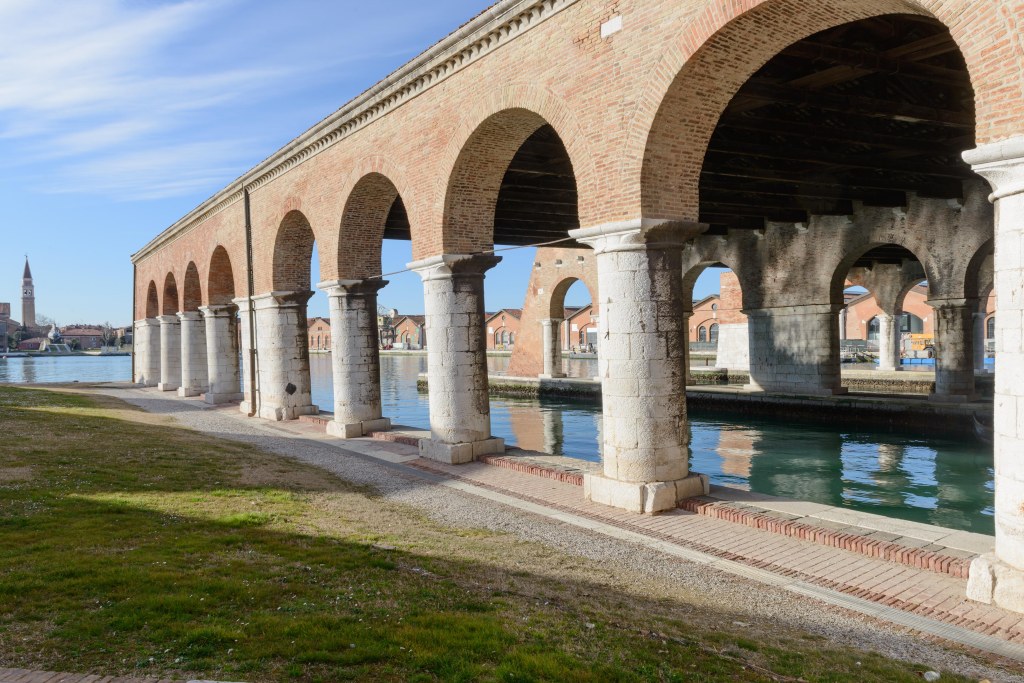

The 60th International Art Exhibition, known as Stranieri Ovunque – Foreigners Everywhere, is scheduled to be open to the public from April 20, 2024 to November 24, 2024 at the Giardini and the Arsenale. The exhibition will be curated by Adriano Pedrosa and organized by La Biennale di Venezia. Prior to the official opening, a pre-opening event will take place on April 17, 18, and 19, followed by the awards ceremony and inauguration on April 20, 2024.
Beginning in 2021, La Biennale di Venezia implemented a strategy to reassess all of its operations in alignment with established and solidified principles of environmental sustainability. By 2024, the aim is to expand the attainment of the “carbon neutrality” certification, which was successfully obtained in 2023 for
The event will be held at the Central Pavilion (Giardini) and the Arsenale, showcasing two segments: the Nucleo Contemporaneo and the Nucleo Storico.
The Biennale Arte 2024 has adhered to the principle of selecting artists who have not yet taken part in the International Exhibition, despite some of them have been showcased in a National Pavilion, a Collateral Event, or a previous edition of the exhibition.
The title of the 60th International Art Exhibition of La Biennale di Venezia, also known as Stranieri Ovunque – Foreigners Everywhere, was inspired by the works of the Claire Fontaine collective, a group based in Palermo but founded by a Parisian artist in 2004. The collective’s pieces are made up of neon sculptures in various hues, featuring the phrase “Foreigners Everywhere” translated into an increasing number of languages. This phrase was originally used by a collective in Turin that actively combatted racism and xenophobia in Italy during the early 2000s.
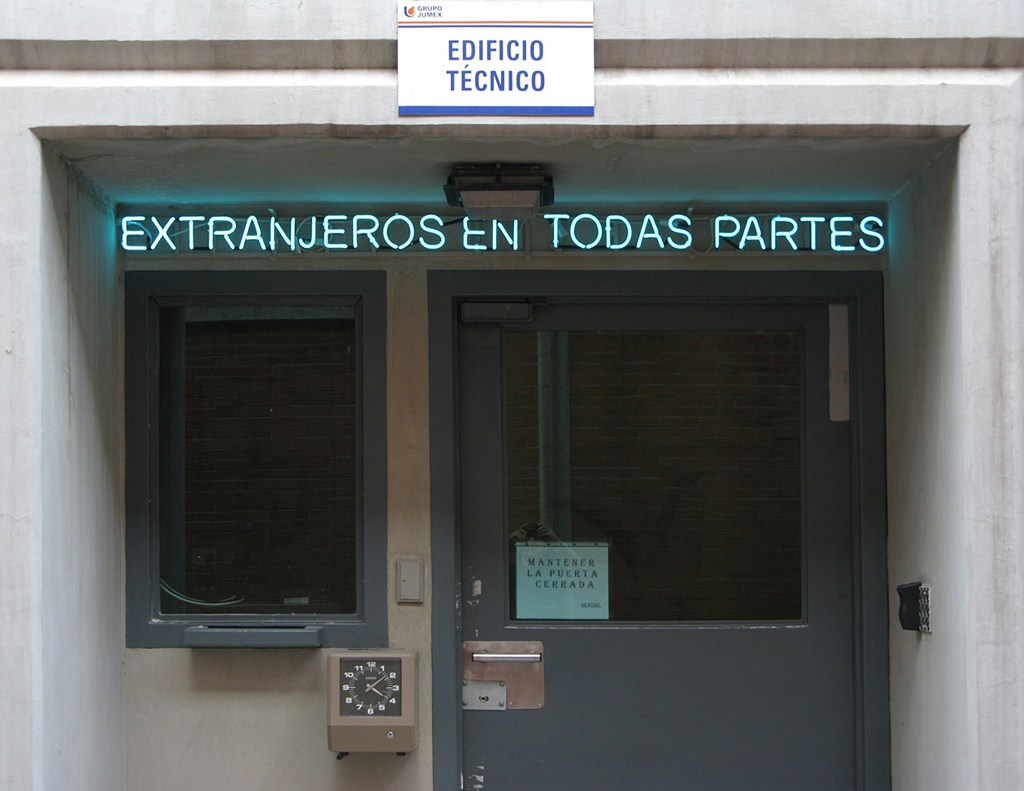
According to Adriano Pedrosa, the phrase “Stranieri Ovunque” has multiple interpretations. Firstly, it signifies that no matter where one travels or resides, they will inevitably come across foreigners – who may actually be ourselves. Secondly, it conveys the idea that regardless of our physical location, we will always feel like outsiders at heart.

The terms “straniero” in Italian, “estrangeiro” in Portuguese, “étranger” in French, and “extranjero” in Spanish all have a common origin in the words “strano,” “estranho,” “étrange,” and “extraño,” which all refer to the concept of being a stranger. This concept is also explored in Sigmund Freud’s work Das Unheimliche, which is translated as The Uncanny in English and O Estranho in Portuguese, emphasizing the idea of something that is both strange and familiar, hidden within ourselves.
The word “queer” also has a similar meaning, as the first definition according to the American Heritage and Oxford Dictionaries is “strange.” As a result, this exhibition focuses on the works of artists who identify as “queer,” as well as those who are considered “outsider artists,” often marginalized in the art world, and self-taught, folk, and indigenous artists who may be seen as foreigners in their own countries. These four subject groups are the main focus of the Biennale, known as the Nucleo Contemporaneo.

The Central Pavilion and Corderie of the exhibition will feature the work of emblematic Indigenous artists. The MAHKU collective from Brazil will create a monumental mural on the building’s façade, while the Maataho collective from Aotearoa/New Zealand will showcase a large-scale installation in the first room. Additionally, there will be a significant presence of Queer artists throughout the exhibition, with a particular focus on queer abstraction in the Central Pavilion and a separate section in the Corderie.
The Corderie section of the Nucleo Contemporaneo will have a special area dedicated to the Disobedience Archive, a project created by Marco Scotini in 2005 that focuses on the connection between artistic practices and activism through a video archive. The presentation of the Disobedience Archive in the Exhibition has been curated by Juliana Ziebell, who was also involved in the exhibition’s overall architecture for the International Exhibition.
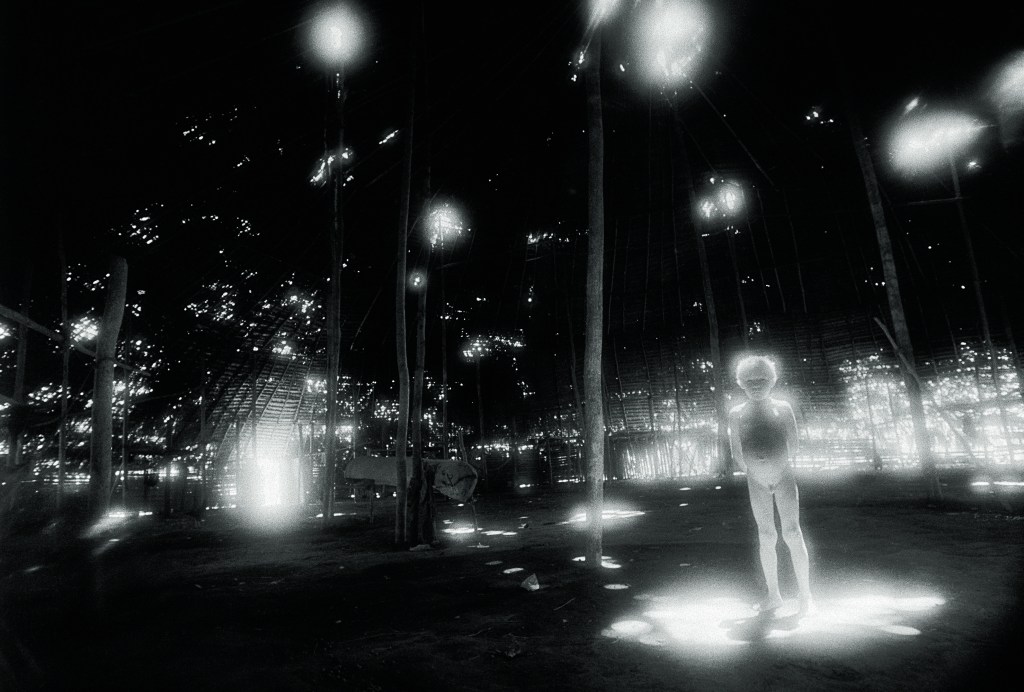

This section is divided into two main parts specifically tailored for our context: Diaspora activism and Gender Disobedience. The Disobedience Archive will showcase the works of 39 artists and collectives from 1975 to 2023.
The Nucleo Storico exhibition showcases artworks from the 20th century in Latin America, Africa, the Middle East, and Asia. While there has been extensive discussion on modernisms in the Global South and their place in the global modernist movement, this exhibition will focus on works from these regions, resembling an essay or a draft that challenges the conventional boundaries and definitions of modernism. While we are well-versed in the histories of modernism in Europe and America, modernisms in the Global South are relatively unexplored. European modernism also spread beyond Europe during the 20th century, often intertwined with colonialism, and many artists from the Global South traveled to Europe to experience it firsthand.
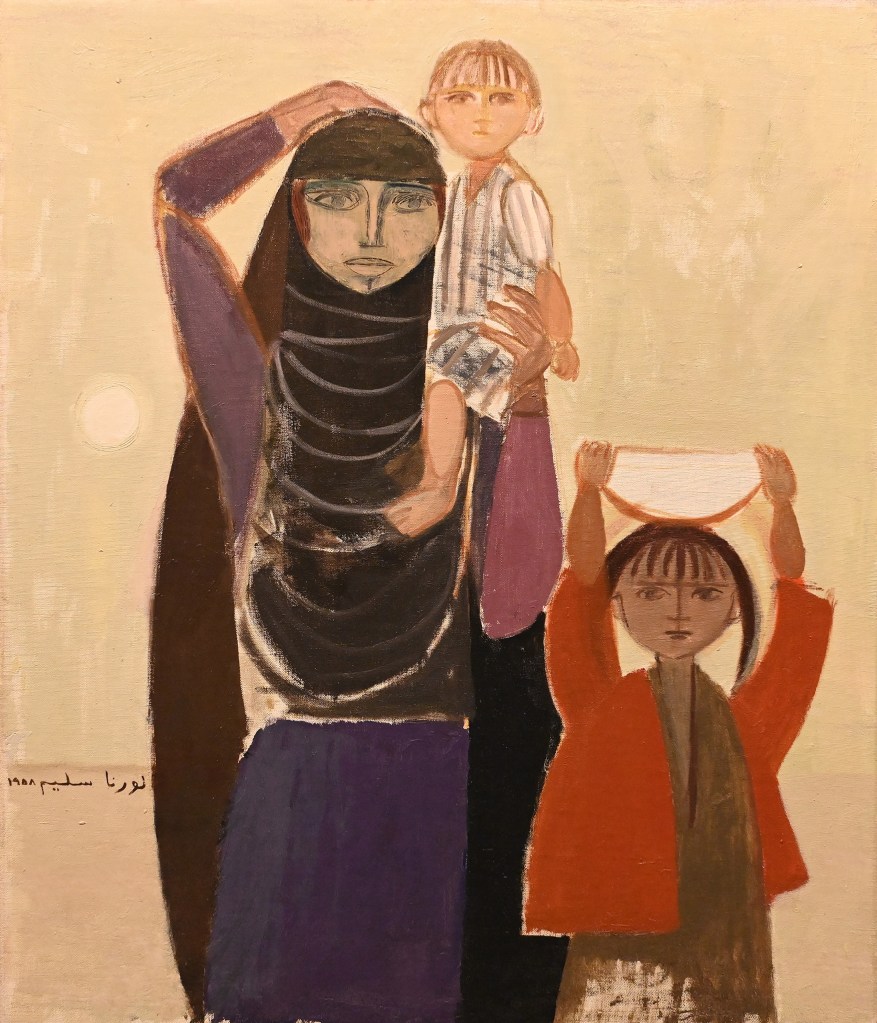
The Central Pavilion will have three designated areas for the Nucleo Storico exhibition. These rooms include Portraits, Abstractions, and a section highlighting the global influence of Italian artists in the 20th century.
The collection entitled Portraits features pieces created by 112 artists which include paintings, works on paper, and sculptures, all ranging from the years 1905 to 1990. The exploration of the human figure is a prevalent theme in the art of the Global South, showcasing the struggle of representation that was a major focus in 20th century art. While many artists from the Global South were influenced by European modernism through various means such as travel, education, or literature, their own unique and powerful perspectives are evident in their works.
The section dedicated to Abstractions showcases 37 artists who are being displayed together for the first time, allowing for unexpected connections and associations to be made and expanding beyond traditional categorizations. The section now includes artists from Singapore and Korea, as they were considered part of the Third World at the time. Similarly, historical Maori artists Selwyn Wilson and Sandy Adsett from Aotearoa/New Zealand have also been included in the Nucleo Storico section.
In the Nucleo Storico, there is a third room dedicated to the artistic diaspora of Italians in the 20th century. This includes Italian artists who traveled and settled in various parts of the world such as Africa, Asia, Latin America, Europe, and the United States. These artists became immersed in their local cultures and played significant roles in the advancement of modernism outside of Italy. The room will showcase the works of 40 artists who are either first or second generation Italians, displayed using Lina Bo Bardi’s glass easel system. Bo Bardi herself was an Italian who moved to Brazil and was posthumously awarded the Special Golden Lion for Lifetime Achievement at the 2021 Biennale Architettura.

According to Pedrosa, the research has uncovered two interconnected elements that have been incorporated throughout the International Exhibition in a natural way. One of these elements is textiles, which have been explored by various artists in the show, including prominent figures in the Nucleo Storico and many artists in the Nucleo Contemporaneo. These works demonstrate a fascination with craft, tradition, and handcrafted techniques that were once considered unconventional or foreign in the fine arts community. The second recurring theme is the presence of artists who are related by blood, particularly those of Indigenous descent. In this theme, tradition also plays a significant role, as artistic knowledge and practices are passed down from parents to children or among siblings and relatives.
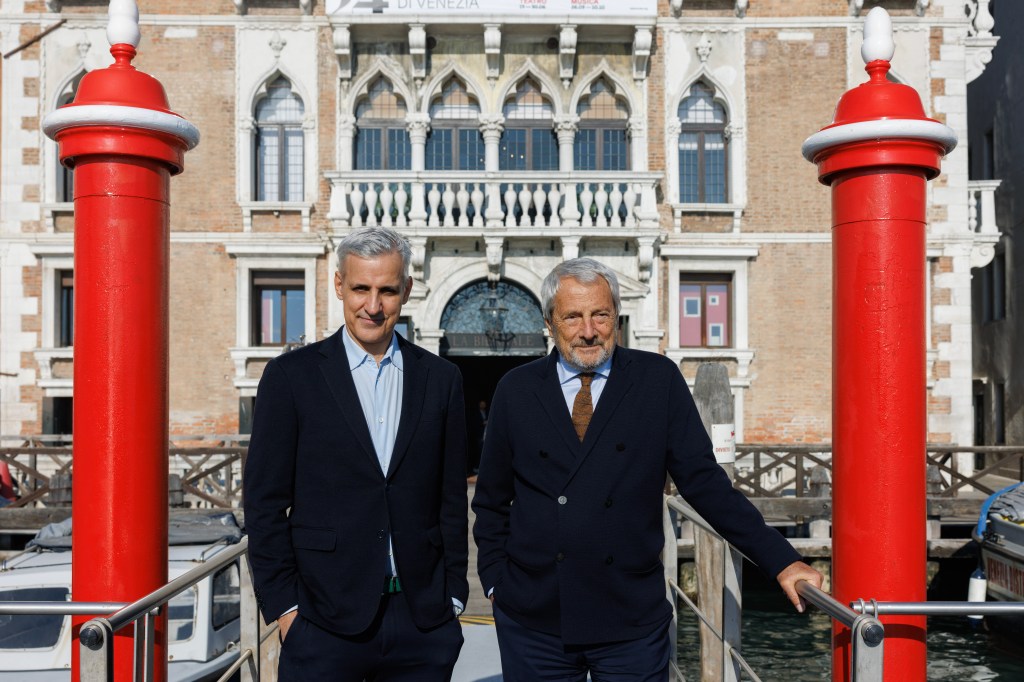
Adriano Pedrosa is the inaugural curator of Biennale Arte from South America. He was chosen to bring a personal perspective on contemporary art, utilizing a reverse shot technique to reinterpret various cultures.

As an international event, La Biennale offers a unique opportunity to observe the world’s state through the development and evolution of the arts. While curators do not aim to directly capitalize on current issues, they are influenced by them and the changing perception of the exhibitions can be seen through the eyes of visitors, professionals, and the media. However, the true essence of La Biennale lies in the presence of the National Pavilions, which this year boasted 90 participating countries and 30 Collateral Events. This creates a distinctive platform for the arts to intersect with societal changes.
The independence of the artistic directors is the primary assurance that the formula of La Biennale di Venezia will continue to be effective and generate unexpected outcomes, even in the realm of diplomacy and politics. The interaction with participating countries, who are given the same level of respect and autonomy in selecting their own curators, presents a unique aspect compared to any other cultural establishment globally. They are able to freely express themselves on both the artistic and societal fronts, reflecting the challenges of modern times.
The Giardini, Arsenale, and city centre of Venice will host 88 National Participations as part of the Exhibition. This year’s Biennale Arte will feature 4 countries making their debut: Republic of Benin, Ethiopia, United Republic of Tanzania, Democratic Republic of Timor Leste. Additionally, Nicaragua, Republic of Panama, and Senegal will have their own pavilions for the first time.
The Holy See Pavilion will be held this year at the women’s prison on the Giudecca Island in Venice and is presented by Cardinal José Tolentino de Mendonça, the Prefect of the Dicastery for Culture and Education of the Holy See. Titled With my eyes, the exhibition is curated by Chiara Parisi and Bruno Racine.

 ART HUB
Leave a comment