
In the realm of contemporary art, few figures have left as indelible mark as Ana Mendieta. Renowned for her groundbreaking artwork, which often explored themes of identity, feminism, and the connection between the human body and nature, Mendieta’s artistic legacy continues to captivate audiences to this day. However, her life and tragic death are also inseparable from the controversy surrounding her relationship with fellow artist Carl Andre, adding a complex layer to her story and prompting important discussions about power dynamics within the art world.
Mendieta’s relationship with Carl Andre, who was acquitted of her murder, has sparked debates about the treatment of women artists and the potential for abuse within artistic partnerships. Andre died last week, on January 24th, at the age of 88.

Mendieta’s and Andre’s paths first crossed at the Artists In Residence Inc (A.I.R.) Gallery in New York in 1978, a pivotal moment that would shape their personal and professional lives. This encounter set the stage for a complex relationship that would become both a source of creative inspiration and, eventually, controversy.
The couple’s artistic collaboration was evident in a piece they donated to a benefit at A.I.R. However, this collaboration became a point of contention, leading to Mendieta’s resignation from the gallery in 1982. The circumstances surrounding her departure were intertwined with disputes over the collaborative artwork, indicative of the challenges posed by merging personal and artistic endeavors.
Mendieta’s and Andre’s union extended beyond the art world; they married in 1985. Tragically, just months into their marriage, Mendieta fell from the window on 34th-floor of their Greenwich Village apartment, leading to her untimely death. The circumstances surrounding her fall became the subject of legal proceedings and controversy.
After a nonjury trial in 1988, Carl Andre was acquitted of second-degree murder, with the defense presenting Mendieta’s death as a possible accident or suicide. The acquittal stirred uproar within the feminist art community, sparking debates about justice, accountability, and the treatment of women in the art world.
In the aftermath of Mendieta’s death, feminist protests, such as those staged by the No Wave Performance Task Force, sought to challenge Andre’s acquittal and raise awareness about the complexities surrounding the case. The protests, marked by visceral displays and slogans, underscored the lingering questions and concerns within the feminist art community.
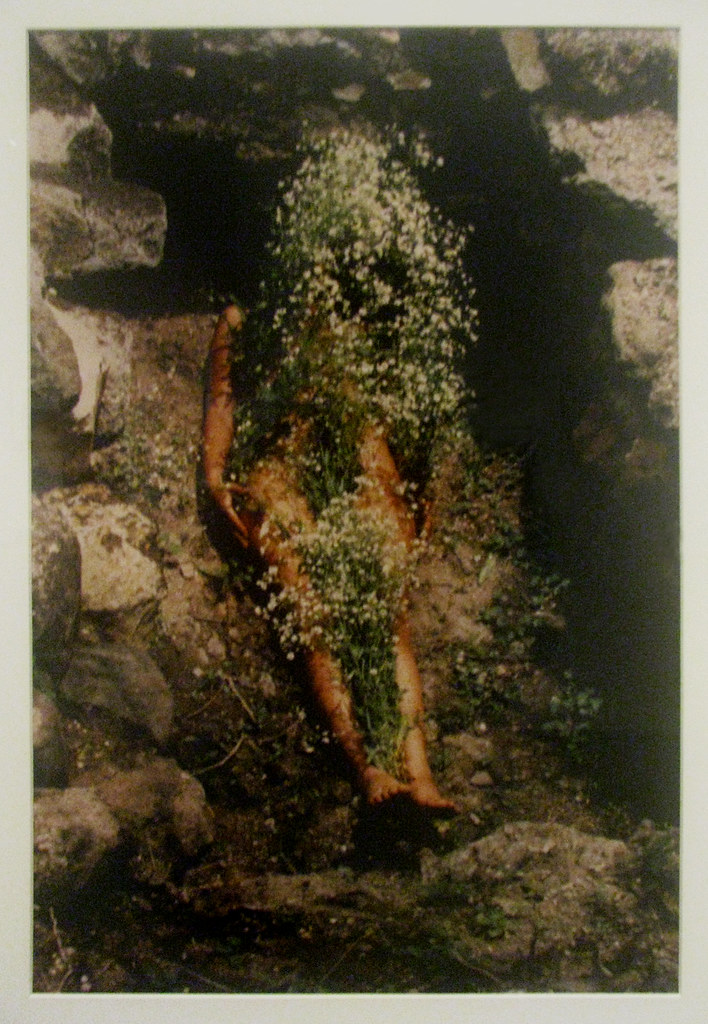
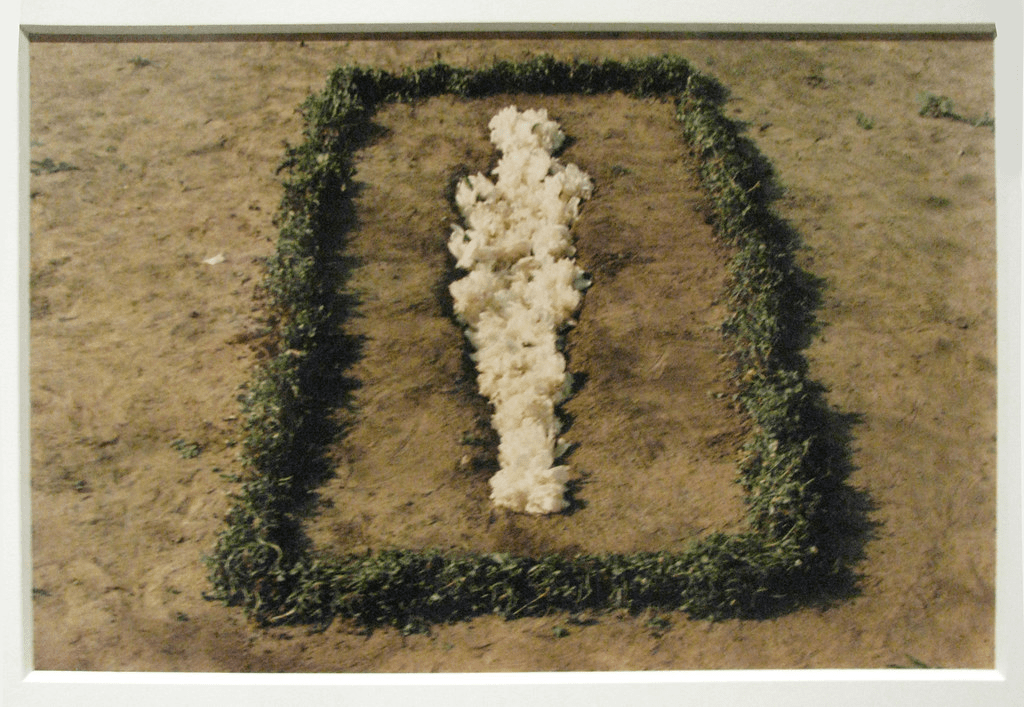
Despite the controversy, Mendieta’s artistic contributions remain influential and continue to inspire new generations of artists who strive to challenge societal norms and push boundaries in their works. Her work, characterized by its raw and primal nature, often explored themes of identity, feminism, and the connection between the body and the earth. Mendieta’s use of her own body as a canvas, through actions such as covering herself with mud or imprinting her silhouette on the ground, served as a powerful statement against the objectification and commodification of women’s bodies in art. Through her art, she sought to reclaim agency and visibility for women in a male-dominated art world, and her legacy continues to serve as a reminder of the ongoing struggle for gender equality within the creative sphere.
Mendieta’s legacy serves as a reminder of the power of art to provoke important conversations and challenge established norms within society. Her works has been exhibited in major museums and galleries around the world, solidifying her place as a significant figure in contemporary art history.
Through her performances, sculptures, and installations, she sought to reclaim and celebrate the female body, often using her own body as a canvas. Mendieta’s works served as a powerful critique of the male-dominated art world, challenging its exclusionary practices and demanding recognition for women artists. By exploring themes of spirituality and nature, she also connected her art to broader conversations about humanity’s relationship with the natural world.

Her work has inspired countless women artists to explore their own bodies and challenge societal norms. Through her use of her own body as a canvas, Mendieta reclaimed the female form and defied the objectification that women often face in art. Her bold and unapologetic approach paved the way for a new generation of artists, who continue to push boundaries and question the status quo. Mendieta’s legacy serves as a reminder that art has the power to not only reflect society but also to shape it.
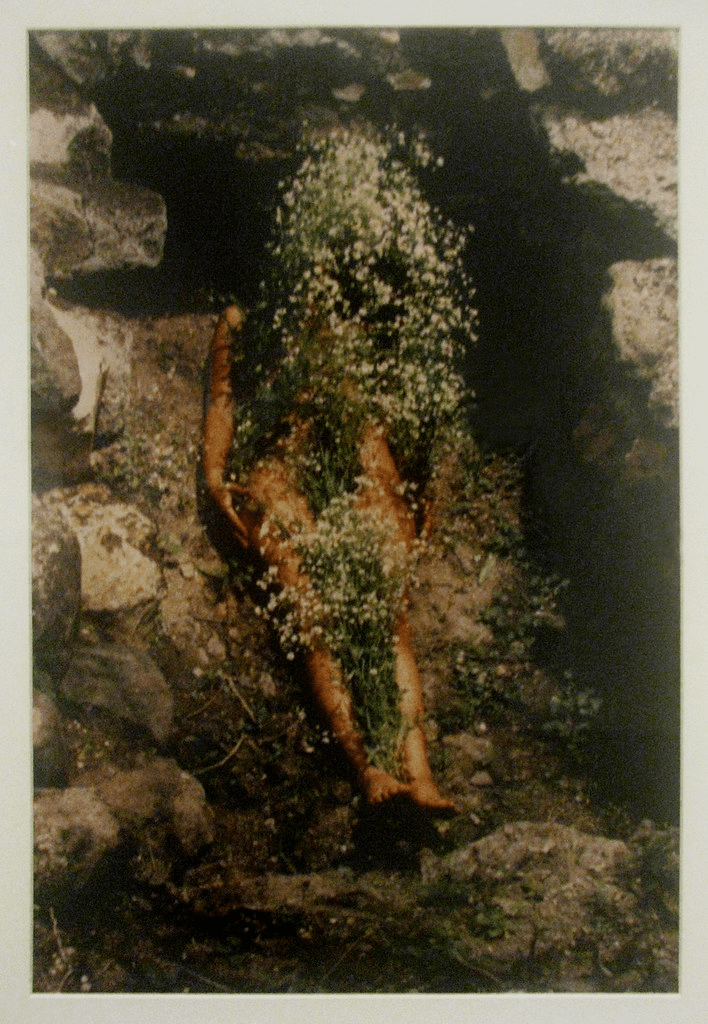
For example, one of Mendieta’s most famous works is her Silueta series, where she created outlines of her body using natural materials like mud, rocks, and flowers. This powerful visual representation of the female form in nature challenged traditional notions of beauty and femininity. By placing her body in unconventional settings and reclaiming her image, Mendieta inspired other women artists to explore their identities and challenge societal expectations through their art. Her groundbreaking work continues to inspire a new generation of artists using their art as a means of activism and empowerment. Through their work, these artists are addressing social issues such as gender inequality, racial discrimination, and environmental degradation. They are not only shedding light on these pressing issues but also encouraging dialogue and promoting change.
Mendieta’s art was not only visually compelling but also deeply political. She used her work to confront societal taboos and expose power dynamics. One example is her series Rape Scene, in which she reenacted scenes of sexual violence to provoke discomfort and challenge societal norms around consent and victim-blaming. Through her provocative and controversial art, Mendieta aimed to bring attention to the often silenced and overlooked issue of sexual assault. By confronting societal taboos, she forced viewers to confront their own biases and complicity in perpetuating a culture of violence against women.
Mendieta’s art was a powerful tool for social change, igniting conversations and inspiring others to use their own creativity to challenge and dismantle oppressive systems. Her legacy continues to inspire artists today, reminding us of the transformative power of art in shaping inclusive society.


 ART HUB
Leave a comment