The esteemed Association for the International Diffusion of French Art (ADIAF) has recently revealed the names of the four finalists contending for the prestigious Marcel Duchamp Prize in 2024. Recognized as the pinnacle honor in the realm of contemporary art in France, this accolade acknowledges artists who have demonstrated exceptional innovation and creativity in their works.
The finalists, each a prominent force in the world of French contemporary art, include Abdelkader Benchamma, Gaëlle Choisne, along with Noémie Goudal and the duo Angela Detanico & Rafael Lain.
The Marcel Duchamp Prize, an annual celebration of artistic brilliance, is exclusively designated for artists of French origin or those who have chosen to make France their home. The highly anticipated announcement of the laureate will take place on October 14th, following the launch of a group exhibition featuring the nominated artists at the iconic Pompidou Center.
At the core of this accolade is not only recognition but also a prize fund of €90,000. The winner will be granted €35,000, with the remaining portion distributed among the finalists, further supporting and acknowledging their contributions to the evolving contemporary art scene.
Let’s take a closer look at the finalists.
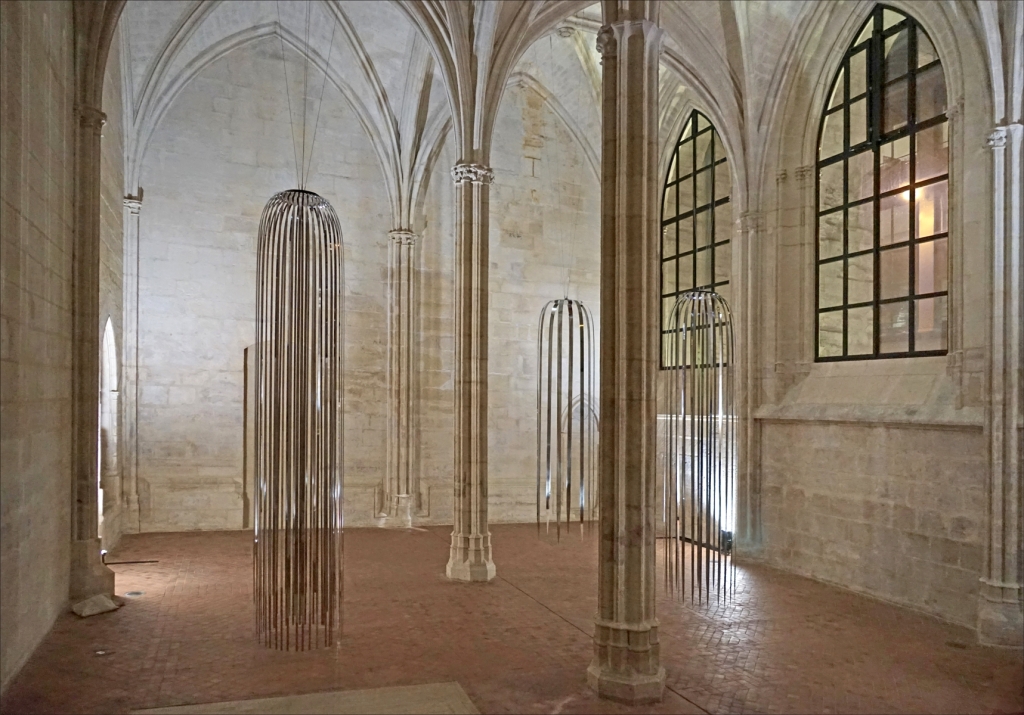
Abdelkader Benchamma, born in 1975, is a French artist currently residing and working in Montpellier. During his early years, Benchamma, born to Algerian parents in France, completed his studies at the École Supérieure des Beaux Arts de Paris in 2003. Benchamma’s artistic endeavors have gained recognition on the international stage. In 2011, he participated in the Future of a Promise exhibition for Arab artists, coinciding with the Venice Biennale, and was commissioned for the Told Untold Retold exhibition at the Mathaf Museum in Doha, Qatar. His artistic practice revolves around delicately executed drawings that depict states of matter, events, and explosions, all animated by a diverse range of dynamics. Benchamma draws inspiration from theories of astrophysics and cosmology, as well as existentialist theatre and literary investigations.
Another finalist, Gaelle Choisne, born in 1985 in France, currently resides and works in Paris. Demonstrating a keen awareness of contemporary issues, Choisne’s artistic practice grapples with the intricacies of the world, encompassing its political and cultural turbulence. She addresses concerns such as the over-exploitation of nature and its resources, along with the lingering imprints of colonial history, where Creole esoteric traditions, myths, and popular cultures intersect. Her projects are conceptualized as ecosystems fostering collaboration and sharing, functioning as pockets of “resistance” that gives rise to new possibilities. One notable project is the Temple of Love, inspired by Roland Barthes’ seminal essay on love, Fragments d’un discours amoureux (1977). Choisne injects a political dimension into the concept of love, paying homage to invisible bodies, marginalized and vulnerable souls, and hearts that have been dispossessed. The Temple of Love is an evolving initiative that defines itself through its modes of manifestation and genesis, adapting to invitations and locations as it progresses.
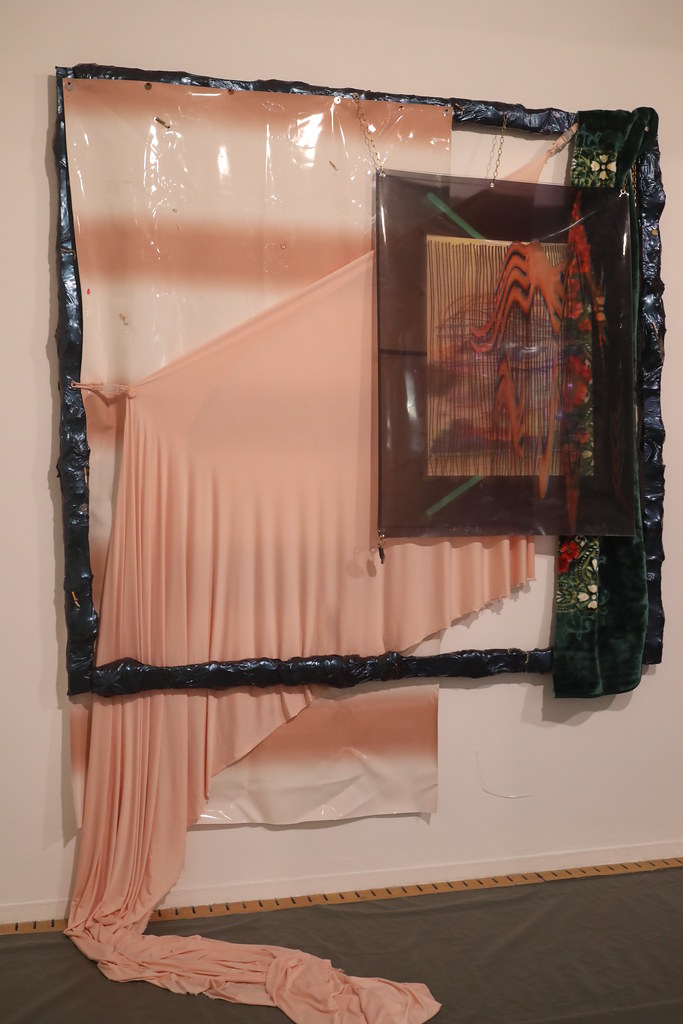
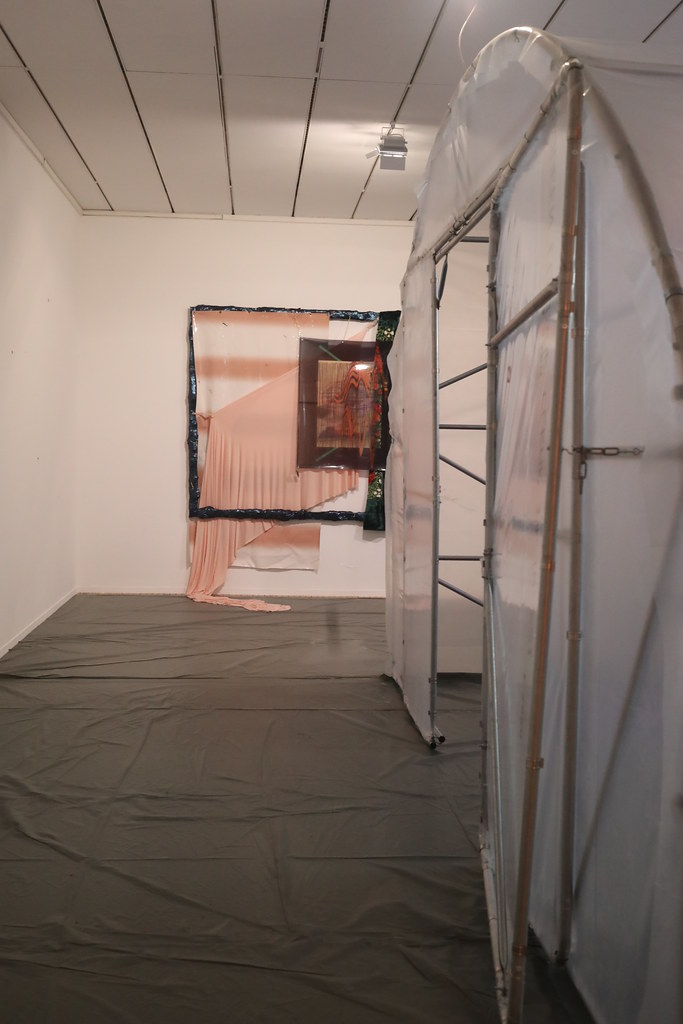
(photo by Jean Louis Mazieres on Flickr)
Noémie Goudal, born in 1984, is based in Paris, and she completed her education at the Royal College of Art in London, UK, in 2010. She engages in the creation of ambitious and carefully crafted staged installations that create illusions within natural landscapes, capturing them through the mediums of film and photography. Her interventions are grounded in detailed research, exploring the convergence of ecology and anthropology and challenging the constraints of theoretical understandings of the natural world.
The last finalists are artists Angela Detanico and Rafael Lain, collaborating under the name Detanico Lain since the early 1990s. The duo has developed a unique artistic practice characterized by the displacement of meaning. Their work seamlessly intertwines form and content, utilizing design and display technologies to their fullest extent. Employing simple logical procedures, they generate visually compelling poetry, while the subtle irony and irreverence in their creations playfully deconstruct the complexities of the contemporary world. In 2006, Detanico Lain joined forces with several other Latin American artists for the Zoo Portfolio Latin American Edition, a curated collection of works overseen by Adriano Pedrosa. This portfolio, published by Archeus, was sold to raise funds for the Zoo Art Fair, supporting emerging artists. A notable highlight in their career came in 2007 when Detanico Lain represented Brazil at the Venice Biennale.
As the anticipation builds for the announcement of this year’s laureate, the art world eagerly awaits the opportunity to witness the brilliance of these finalists. The group exhibition at the Pompidou Center will serve as a testament to the diversity and ingenuity of contemporary French art. Moreover, the Marcel Duchamp Prize not only celebrates individual accomplishments but also fosters a sense of community and collaboration within the art world.
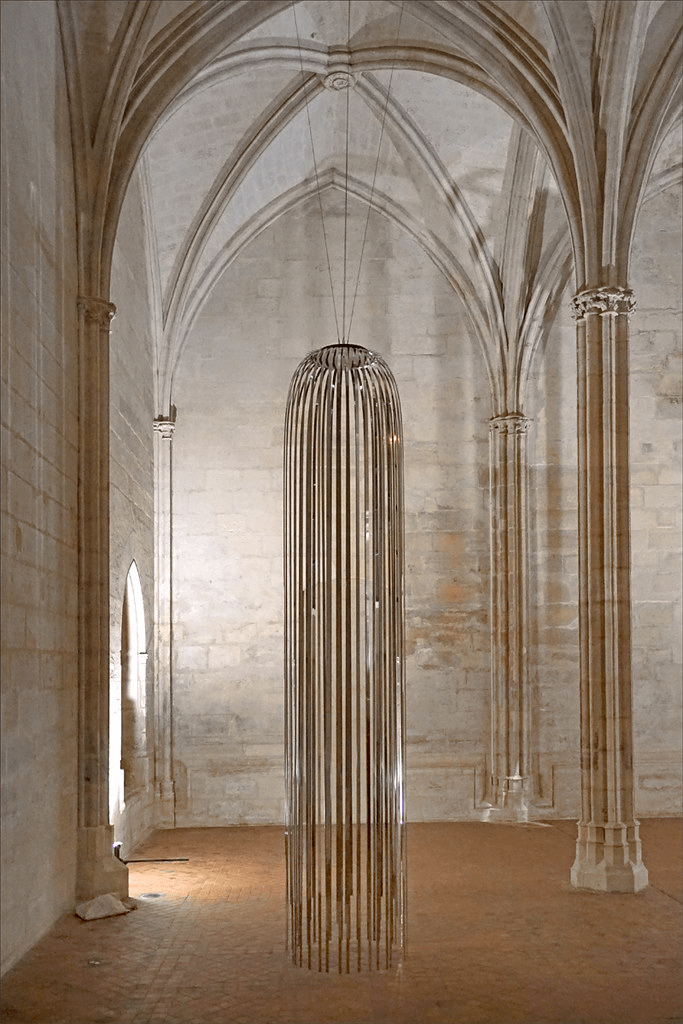
Last year’s laureate, Tarik Kiswanson, born in 1986 in Halmstad, Sweden, has become a luminary figure in the contemporary art scene. Currently residing and working in Paris, Kiswanson’s multidisciplinary approach to art has garnered international acclaim.
(photo by Jean-Pierre Dalbora on Flickr)
Born into a Palestinian family that experienced exile from Jerusalem to North Africa and then Jordan, Kiswanson’s early life was marked by a journey that eventually led to Sweden in the early 1980s, where he was born. Subsequently spending a decade in London for his art studies, Kiswanson made the pivotal move to Paris in 2010, where he has continued to craft his compelling and thought-provoking works.
Kiswanson’s narrative is woven with complexity, as he holds four nationalities and communicates fluently in five languages. This rich cultural influence and linguistic versatility seep into his artistic practice, contributing to the depth and universality of his work.
His artistic repertoire is expansive, encompassing sculpture, writing, performance, drawing, sound, and video works. Over the past decade, Kiswanson has delved into explorations of rootlessness, metamorphosis, and memory, creating an interdisciplinary practice that resonates with profound meaning. The legacy of displacement and transformation is not merely a thematic element; it is integral to the very essence of his works, influencing their form and the modes of sensing they evoke.
As we reflect on the finalists and the immense talent they bring to the forefront, we are reminded that the Marcel Duchamp Prize is not just a recognition of individual accomplishments but a celebration of the collective spirit of creativity and collaboration within the art world.

 ART HUB
Leave a comment