
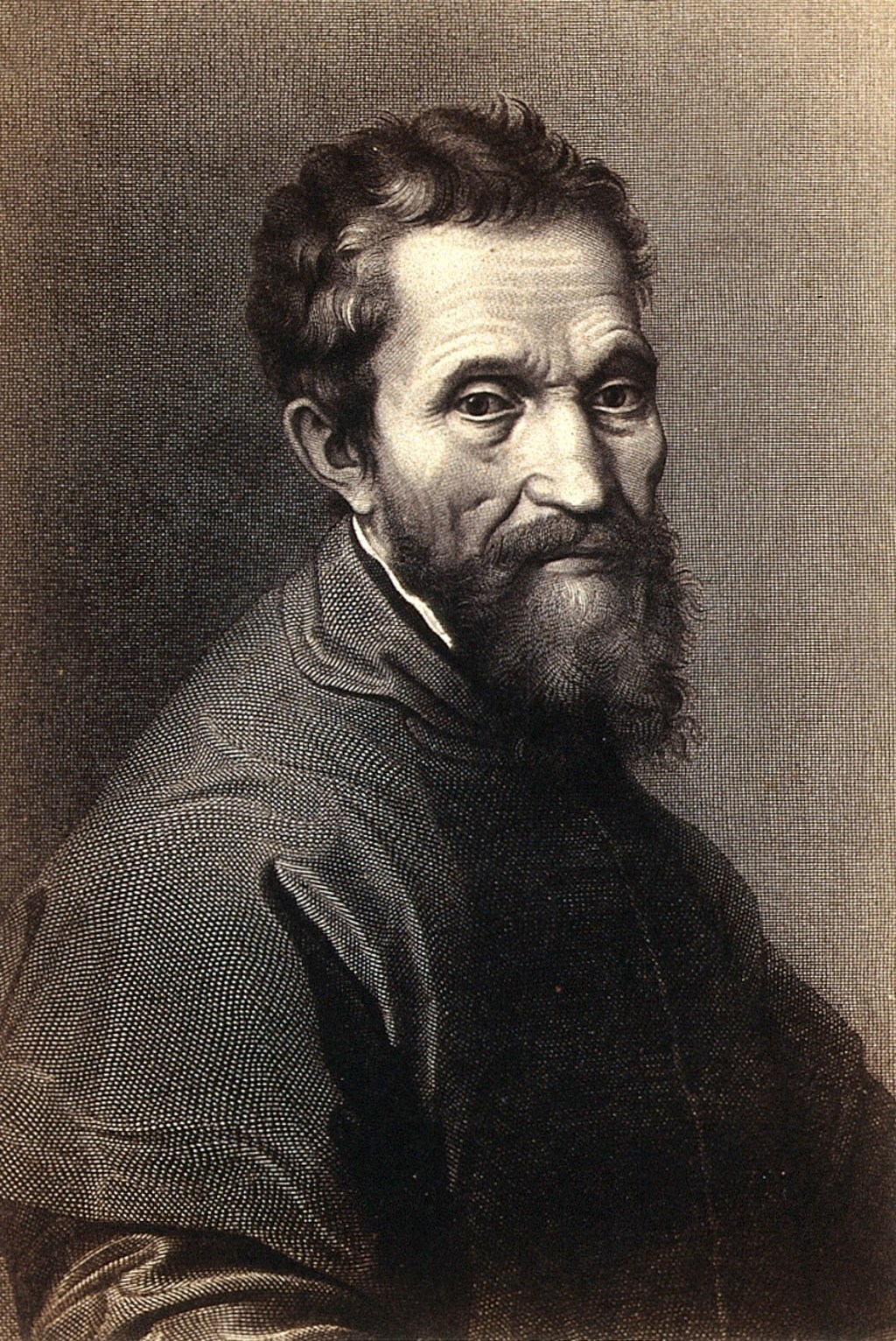
The room, originally designated for coal storage until 1955, was subsequently sealed and forgotten for decades beneath a trapdoor, hidden behind furniture.
On November 15, art enthusiasts will have the opportunity to explore a long-hidden space within The Medici Chapel in Florence, where some experts attribute delicate charcoal drawings on the walls to the Renaissance master painter Michelangelo.
The enigmatic room was discovered almost 50 years ago during a cleaning operation, concealed beneath two layers of plaster, as officials were seeking a new exit from The Medici Chapel to accommodate the growing number of visitors. At that time, the museum’s director, Paolo Dal Poggetto, “firmly believed that they were by Michelangelo,” as stated by the current director, Paola D’Agostino. This sparked an intense debate that continues to this day.
“Most experts on Michelangelo’s drawings rejected the attribution at the time of discovery,” she said. “Others held a more moderate opinion, believing that the room contained original works by Michelangelo, as well as sketches by his apprentices and other artists, so the debate persists.”
The room, initially utilized for coal storage until 1955, was subsequently sealed and forgotten for decades beneath a trapdoor, hidden behind furniture. Francesca de Luca, the curator of the Cappelle Medicee Museum, told Euronews: “These drawings are like exercises of the mind, the intellectual project of the artist translated onto the walls. Some of them express skill and energy in a way that makes them of higher quality than others.”
According to experts, Michelangelo hid in this place for two months in 1530 when Pope Clement VII issued a warrant for his death, alleging support for the short-lived republic overthrowing the powerful Medici Family. It is believed that during this time, he sketched designs, with one study thought to depict the legs of Giuliano de’ Medici, similar to those in the New Sacristy mausoleum near the entrance to the secret room. Similarities have also been noted between these drawings and his paintings in the Sistine Chapel.
“In some ways, they also somewhat resemble the scene of the creation of God the Father, just flying through the air,” Luca added. For the majority of the last 50 years, access to the room has been restricted.
Officials have decided to open the room to the public on a limited basis, with alternating exposure to LED lights and extended periods of darkness to protect the works. Up to 100 visitors will be granted access each week by reservation, with a maximum of four at a time allowed to spend up to 15 minutes inside the room.

 ART HUB
Leave a comment