
Ai Weiwei, born in 1957 in the Chinese capital, Beijing, is a multifaceted individual who has gained international fame as an activist, filmmaker, curator, and one of the most recognizable artists in the world.
His notable work, “Dropping a Han Dynasty Urn,” created in 1995, consists of three black and white photographs measuring 148 by 121 cm. These photographs capture the moment when the artist is holding, dropping, and standing over fragments of a Han Dynasty urn, which dates back approximately 2000 years.
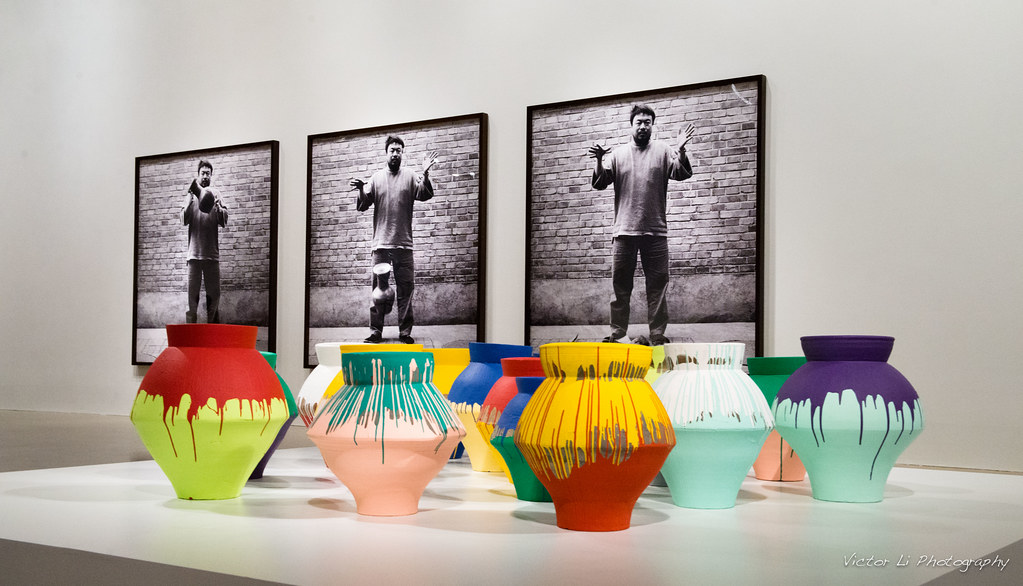
Creator: VicPhotos
After a period of artistic development in New York from 1981 to 1993, Ai Weiwei returned to China in the mid-1990s during a period of dynamic modernization in his homeland. To his surprise, he discovered that some aspects of cultural heritage were not adequately appreciated by his compatriots. Recognizing that most Chinese people did not share the same level of interest in cultural heritage as he did, he began collecting antiques, particularly ancient vessels and furniture, which he then transformed into contemporary artworks. Whether reshaping a four-hundred-year-old wooden stool into a sculpture or creating installations from hundreds of recovered ceramic shards, his goal was to breathe new life into historical artifacts as contemporary works of art.
One remarkable aspect of Ai Weiwei’s artistic approach is his unconventional method of continuing cultural heritage through direct confrontation. His works can be seen as acts of both destruction and collaboration with the spirits of ancient artists across millennia. It’s worth noting that some consider the destruction of artworks under any circumstances ethically questionable. However, in the case of dropping the Han Dynasty urn, one could argue that the artist transformed it into a new artwork while simultaneously leaving the original object for the public to contemplate.
“Dropping a Han Dynasty Urn” is one of many of Ai Weiwei’s works that focus on themes of heritage loss and the significance of the past. The artist himself maintains that his actions are not about destruction but creation. He regards them as acts of love and attention directed at the artwork, conveyed through photography. His works, including this set of photographs, are displayed in museums and institutions worldwide. Due to Ai Weiwei’s status and the importance of his creations, “Dropping a Han Dynasty Urn” currently holds far greater value than the original ceramic urn. In 2016, a limited edition of these photographs sold for nearly $1 million at a Sotheby’s auction in London.
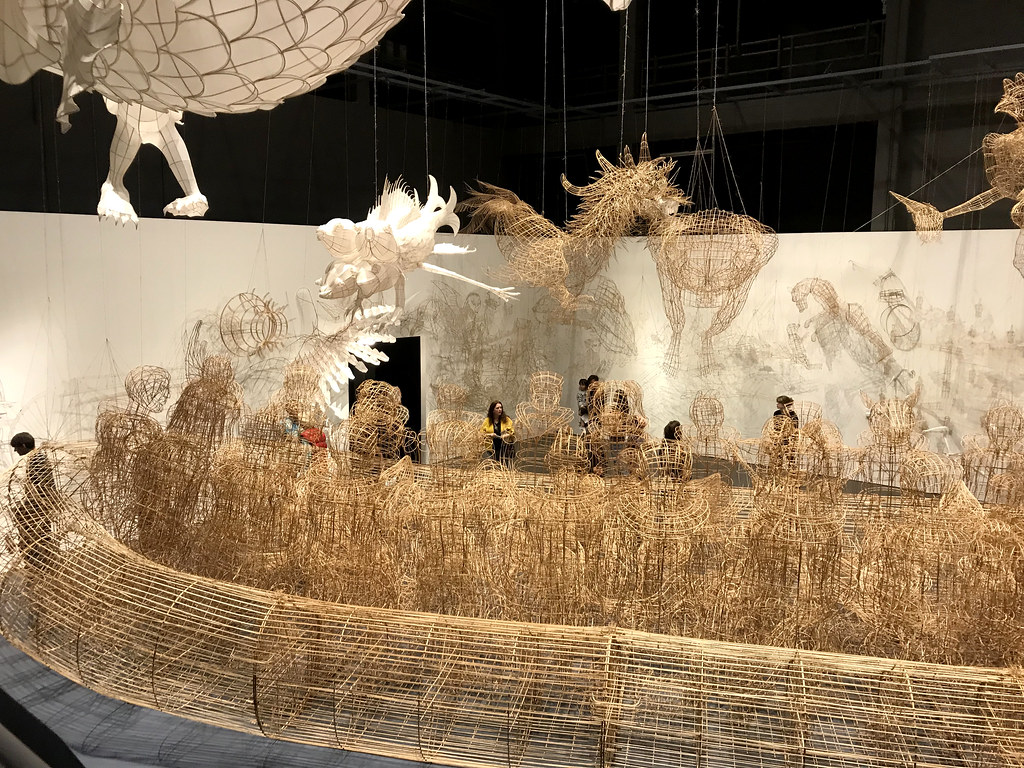
Creator: Rob Corder
Ai Weiwei considers his actions a means of preserving the past through transformation. This approach also aligns with the aesthetics and culture of China, where ancient relics have been collected and repurposed into new artworks for millennia. His work encourages viewers to reflect on the value of antiquity in today’s world and prompts questions about whether it should be preserved. His art focuses on controversy and the global attention it has garnered, as well as the ongoing discussion about the worth of preserving and transforming cultural heritage.


 ART HUB
Leave a comment