
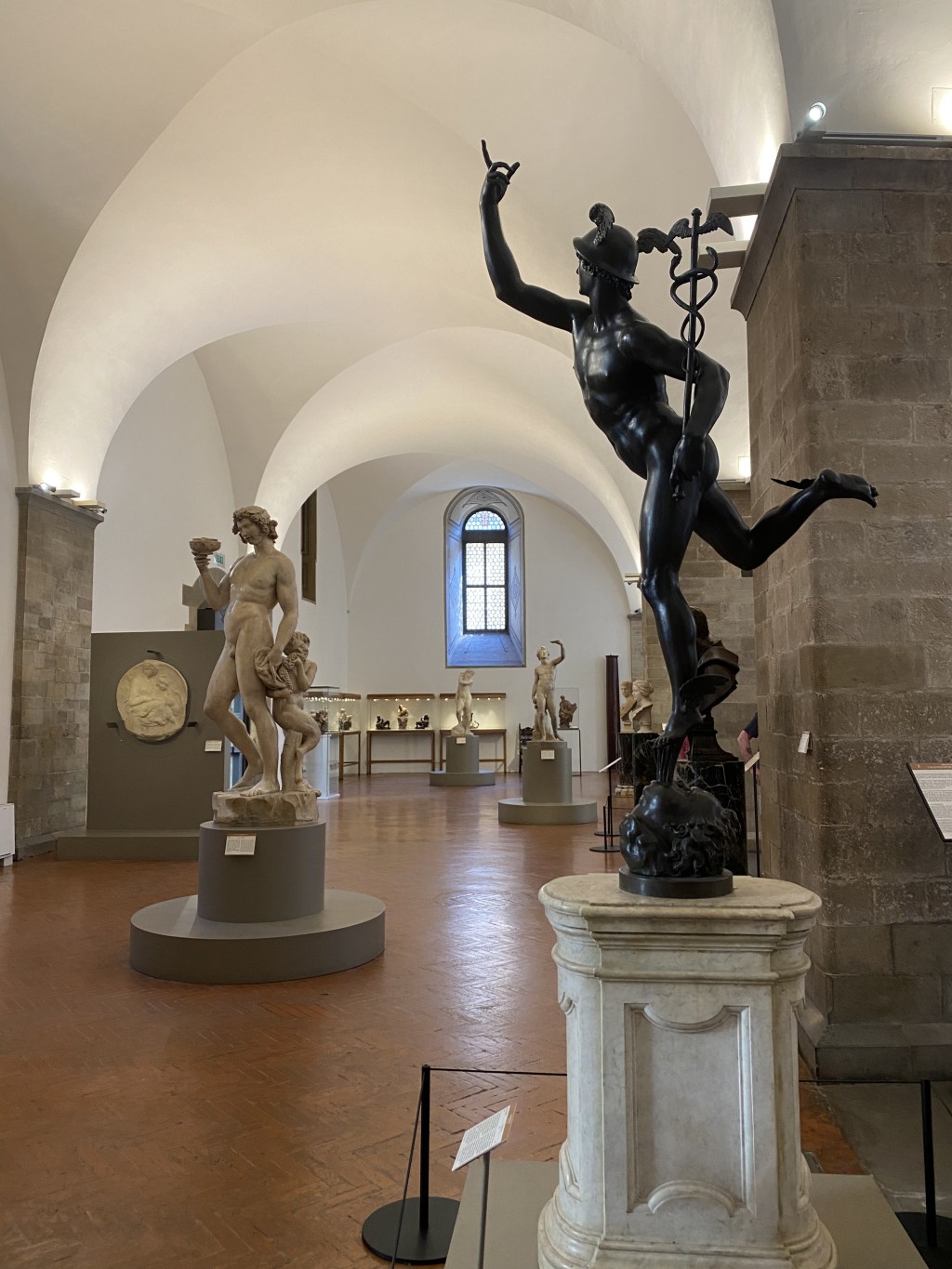
In recent times, there’s growing concern within Italy’s art scene about how the government is choosing museum directors. Some believe that the newly established commission, put in charge by the government to pick directors for major Italian museums, might not be completely unbiased. This situation has led to worries that Italy may be moving away from having foreign museum directors.
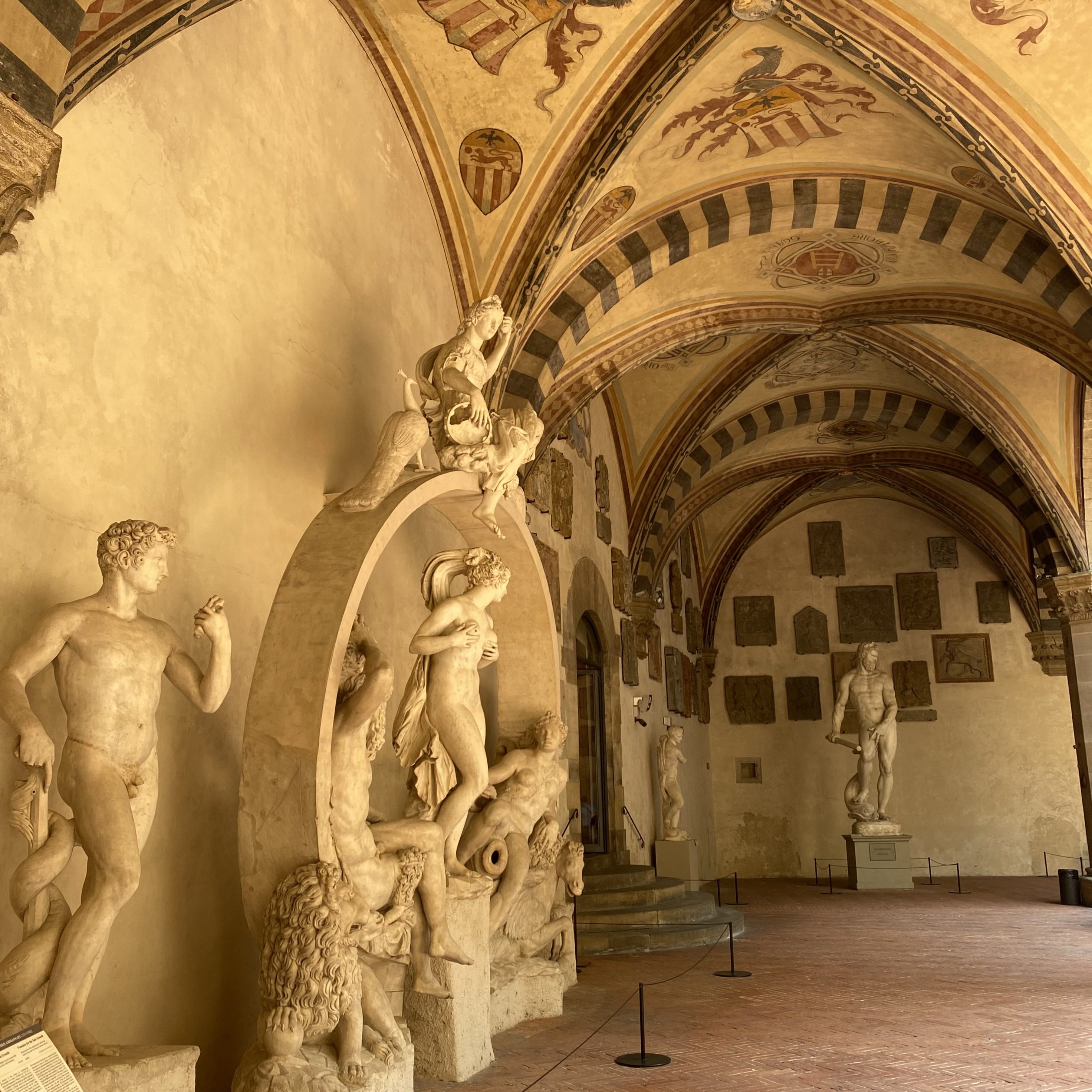
The five-person commission was formed as part of a government initiative back in June. Their job is to select candidates for two important Italian museums: the Capodimonte Museum in Naples and the National Gallery of Modern Art in Rome. Once they’ve made their choices, the Ministry of Culture will announce the winners.
Critics are raising questions about the commission’s makeup. Among the five members, only one is an art expert, Daniela Porro. What’s interesting is that Porro works for the Ministry of Culture. To make matters more complex, both Porro and another commission member, Luigi La Rocca, have limited experience in running museums. This has raised concerns that they might be influenced by the Ministry of Culture, which could affect their choices.
In a letter dated July 25, two important art groups, the Italian Society of Art Historians (SISCA) and the University Council of Art History (Cunsta), voiced their concerns about the lack of diverse expertise in the commission. They’re particularly worried about archaeologists being in charge and how this might impact museums like the Uffizi Gallery, one of Italy’s most famous art institutions.
In response to these worries, Massimo Osanna, who used to be the director of the archaeological complex in Pompeii and is an educator at the University of Federico II, defended the commission members’ qualifications. He said that implying external influence on the selection process was unfair and that it suggested the current directors were not competent.

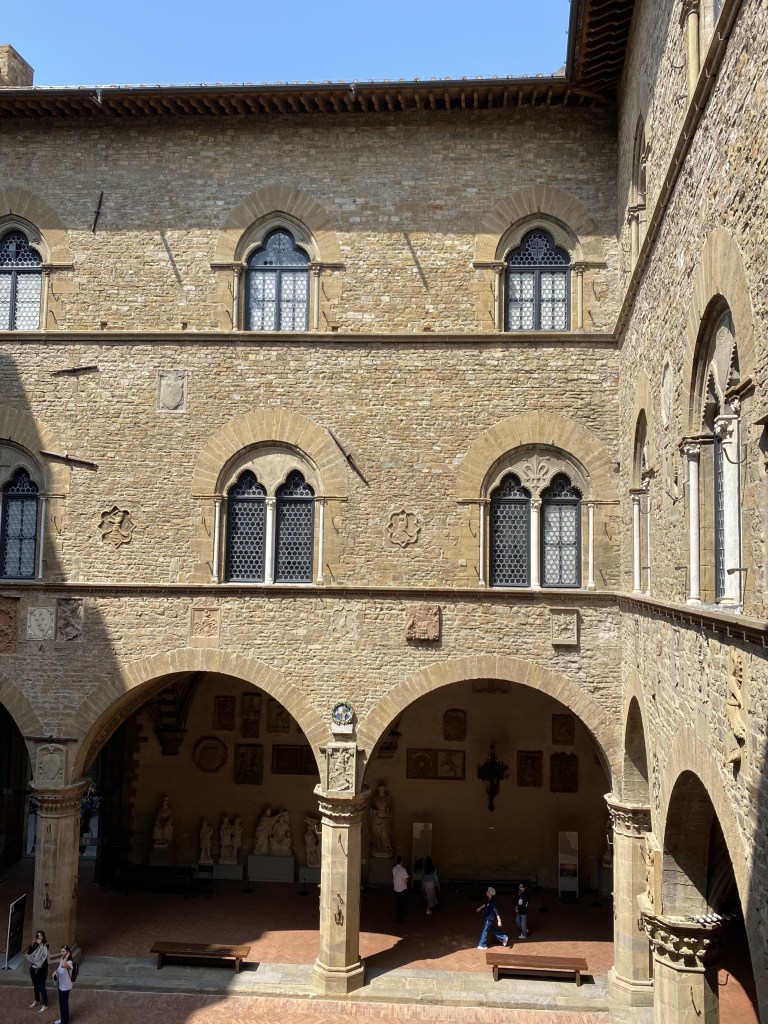
This situation reminds some of a similar situation in 2015. Back then, a commission led by Paolo Baratta, who was the director of the Venice Biennale, oversaw the process. This commission included experts from other countries, leading to the appointment of seven foreign directors for Italy’s most famous museums.
While the current rules technically allow candidates from other European Union countries, Vittorio Zgarbi, an art critic and an assistant to the Minister of Culture, suggested that the current Italian government might prefer local candidates. He mentioned that, in the next selection process, the committees might include individuals with closer ties to Italy’s territory.
The winners of the selection process will be announced in the fall. Additionally, the Ministry of Culture plans to appoint new leaders for three other important cultural institutions: the National Archaeological Museum in Naples, the Royal Museums in Turin, and the recently merged Academy Gallery and Bargello Museum in Florence. The selection process for these appointments is scheduled for February and will also include 17 other autonomous museums. The outcome of these choices will have a big impact on Italy’s cultural leadership.

 ART HUB
Leave a comment