
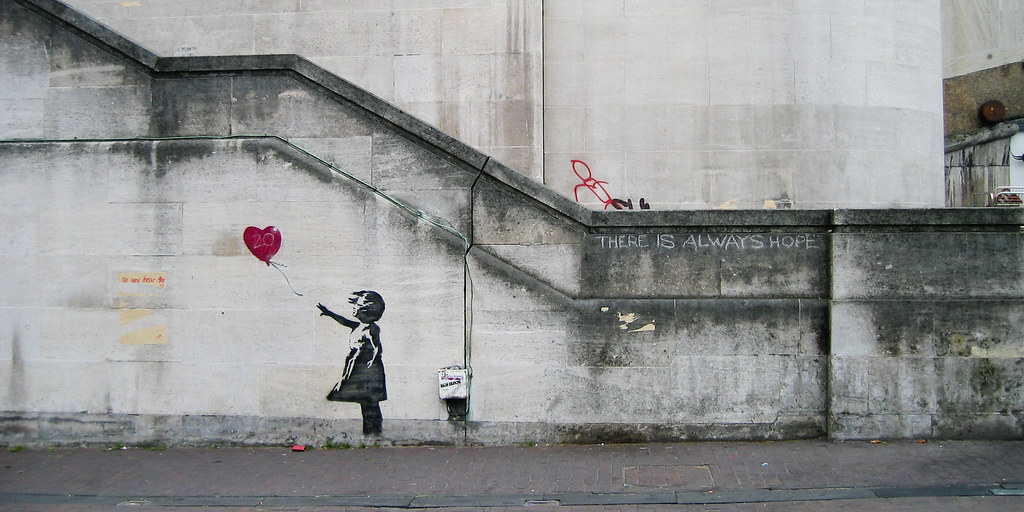
The art world operates as a dynamic ecosystem, intricately interwoven with the fabric of our society and the ever-changing political landscape. It serves as a mirror, faithfully reflecting the heartbeat of contemporary culture while remaining responsive and adaptable to the shifting tides of our world. In this complex dance, major events, economic shifts, and sociopolitical changes exert substantial influence over the art market, leaving an indelible mark on artists’ themes and dictating buyer behavior.
Art as a Reflective Lens of Society
Art has a longstanding tradition of mirroring society, embodying its hopes, fears, challenges, and triumphs across different eras. Artists act as conduits, channeling the prevailing sentiments and ideologies of their time into their creations, thus capturing the very essence of their society. Significant historical events, from wars to social movements and economic transformations, find poignant expression through artistic interpretation.
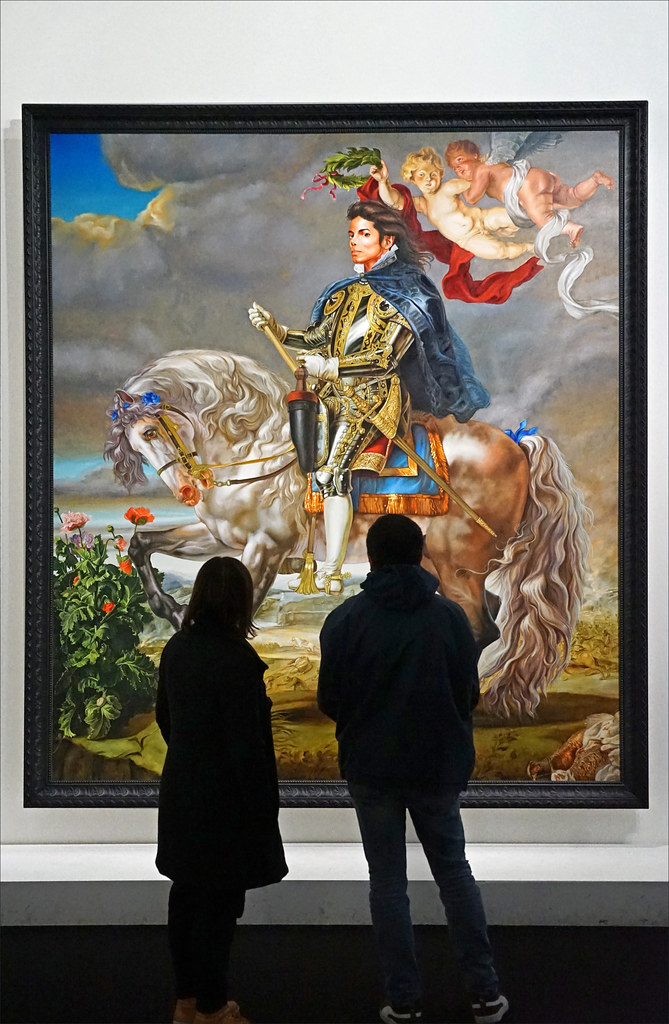
For instance, Picasso’s magnum opus, “Guernica,” stands as a powerful and visceral response to the horrors of the Spanish Civil War, laying bare the anguish and pain experienced by the innocent. In more recent times, the Black Lives Matter movement has inspired a multitude of artworks, with pieces like Kehinde Wiley’s portrait of Michael Jackson encapsulating the ongoing struggle for racial justice and equality.
Economic Shifts: The Art Market’s Economic Barometer
The undulating waves of the global economy significantly impact the art market, shaping both the production and consumption of art. During economic booms, individuals and institutions tend to invest more in art, viewing it as a tangible asset and a potential source of significant returns. Conversely, economic downturns can stifle art investment, leading to decreased purchasing power, affecting artists and galleries alike.
According to the Art Basel and UBS Global Art Market Report 2021, the art market witnessed a 22% decrease in sales attributed to the COVID-19 pandemic. This decline prompted a remarkable surge in online art sales, which saw a remarkable 37% growth in 2020. These statistics underscore the industry’s resilience and its ability to adapt to challenging economic circumstances by embracing digital platforms and engaging with a broader audience.
Sociopolitical Changes: Sculpting Artistic Themes and Narratives
Sociopolitical changes wield immense influence in shaping the themes and creative directions of artists. Artists often respond to societal shifts, whether they involve changes in cultural norms, political ideologies, or shifts in public opinion. These changes can catalyze new dialogues within the art world, resulting in innovative styles, movements, or artistic approaches.
The feminist art movement of the 1960s and 1970s, for example, was a robust response to gender inequalities and a challenge to traditional notions of art. Artists like Judy Chicago, through her seminal work “The Dinner Party,” propelled the often overlooked contributions of women throughout history into the spotlight.
Art Consumption: A Reflection of Societal Dynamics
Buyer behavior in the art market is deeply rooted in the prevailing sociopolitical climate. Art collectors and enthusiasts often seek works that resonate with their beliefs, interests, or concerns about the world. As societal conversations evolve, so too do the types of art that gain traction in the market.
In recent years, a noticeable shift towards socially conscious art has emerged—pieces that address pressing issues like climate change, inequality, mental health, and other pertinent topics. For instance, Olafur Eliasson’s “Ice Watch” installation in front of Tate Modern in London, featuring blocks of ice from Greenland, aimed to raise awareness about climate change.
The Complex Narrative: Art in the Face of Events and Changes
The relationship between major events, economic shifts, sociopolitical changes, and the art market is a rich and multifaceted tapestry. Art stands as a testament to the times, capturing the essence of society’s highs and lows. Artists respond to these shifts with creativity and resilience, embracing the opportunity to provoke thought, challenge norms, and instigate change.
As we navigate an ever-changing world, the art market continues to evolve, responding to the shifting sands of culture, economics, and politics. Understanding this interplay allows us to appreciate the depth and diversity of art and its enduring impact on society. The canvas is alive, reflecting the vibrant tapestry of our shared human experience, and inviting us to engage in meaningful dialogues about the world we inhabit.



 ART HUB
Leave a comment