
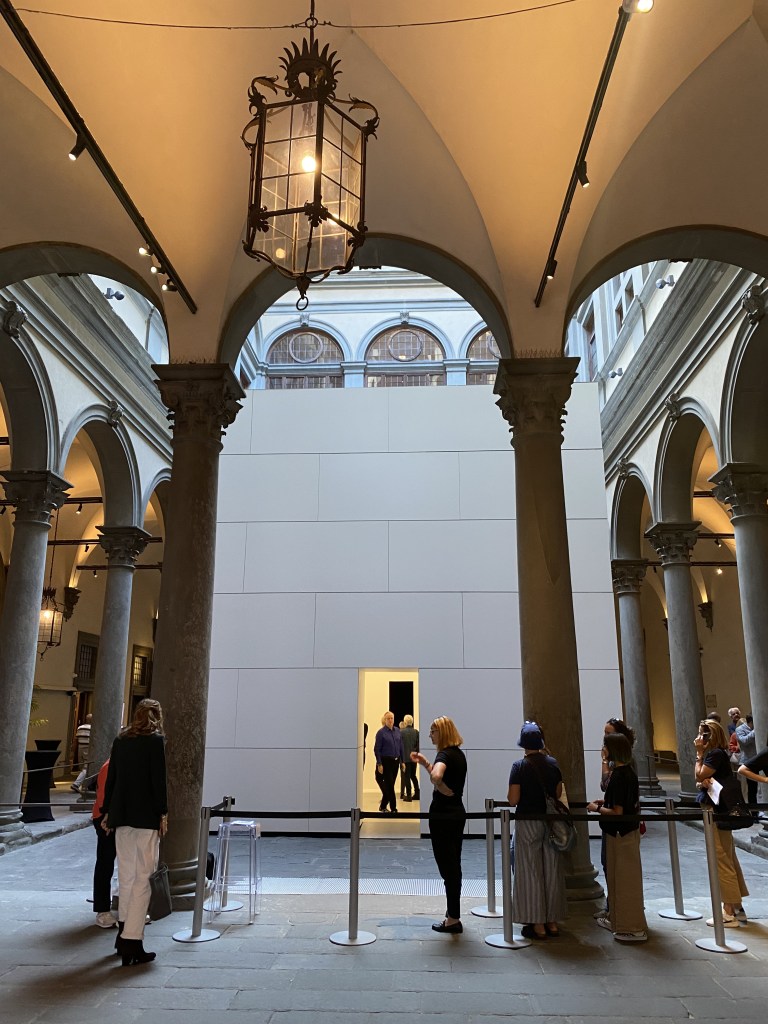
From October 7, 2023, to February 4, 2024, the Fondazione Palazzo Strozzi is presenting a major exhibition featuring the works of Anish Kapoor, a British-Indian contemporary artist renowned for his innovative installations that have reshaped the concept of sculpture in contemporary art. Curated by Arturo Galansino, Director General of Fondazione Palazzo Strozzi, this exhibition showcases monumental installations, intimate environments, and thought-provoking forms, creating a captivating dialogue between Anish Kapoor’s art and the architecture and audience of Palazzo Strozzi.
Anish Kapoor, born in Mumbai, India, in 1954, has been based in London since studying sculpture at Hornsey College of Art and Chelsea College of Art in the mid-seventies. He currently divides his time between studios in London and Venice. His works are prominently displayed in significant collections and museums worldwide, including the Museum of Modern Art in New York and the Tate in London. Kapoor represented Great Britain at the 44th Venice Biennale in 1990, where he was honored with the Premio Duemila Prize. Additionally, he received the Turner Prize in 1991 and has since garnered numerous international awards and honors.

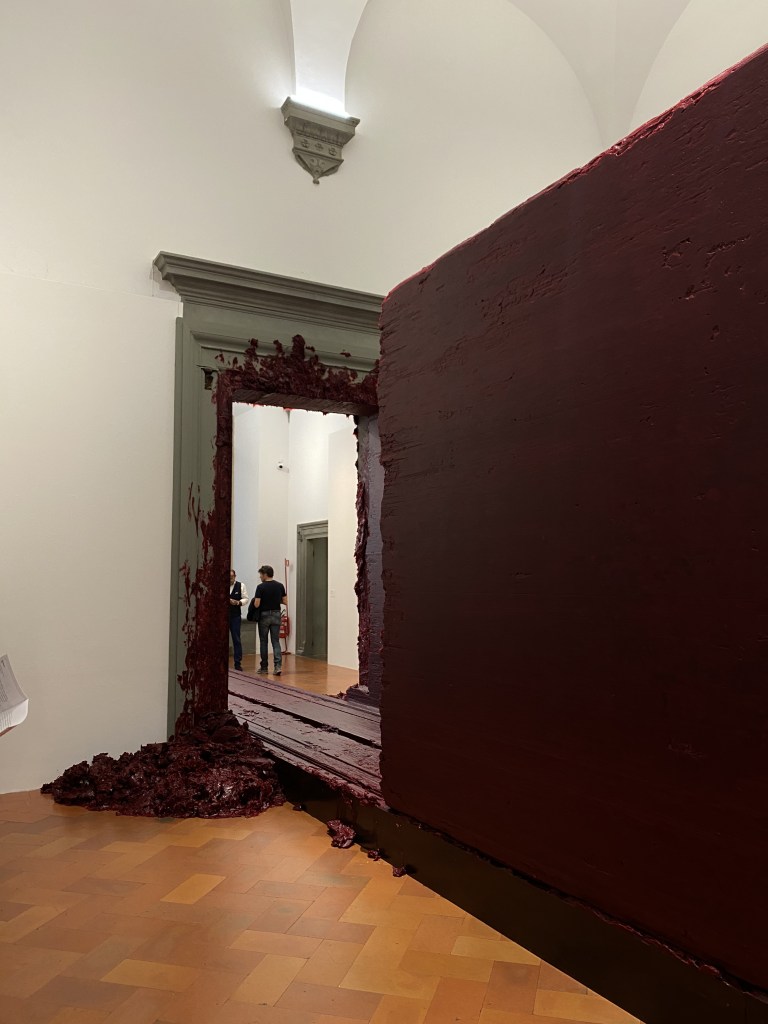
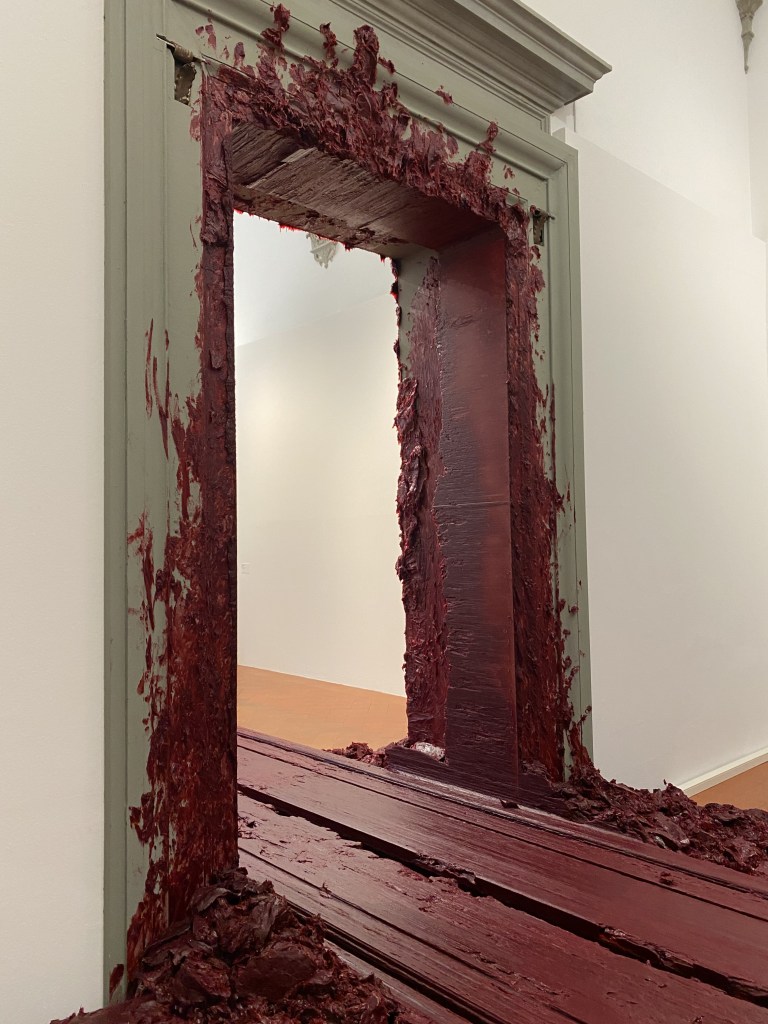
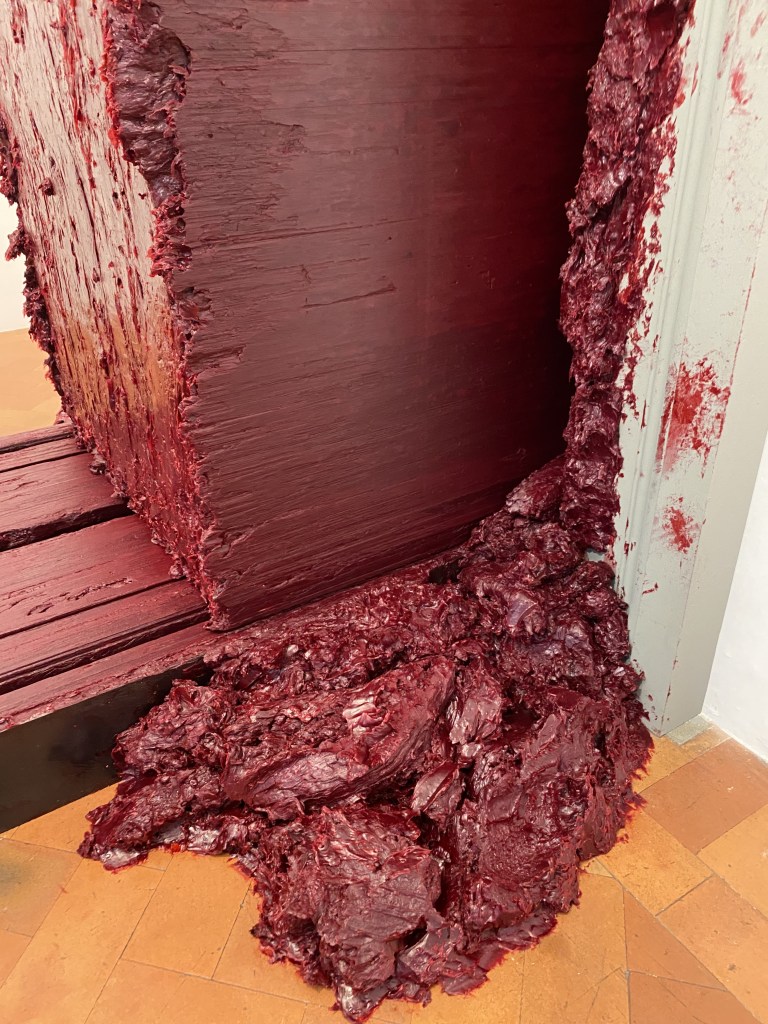
The exhibition showcases artworks from various periods of Anish Kapoor’s artistic career. In the first room, a monumental block of malleable wax moves along a nearly twenty-meter path on rails between two rooms of Palazzo Strozzi, leaving behind a deep red passage. Titled “Shayambhu” (2007), this artwork relates to the Sanskrit term meaning “self-born” and echoes Christian acheropite images created miraculously without human intervention. Much like these traditional representations, the artist’s intervention is absent.
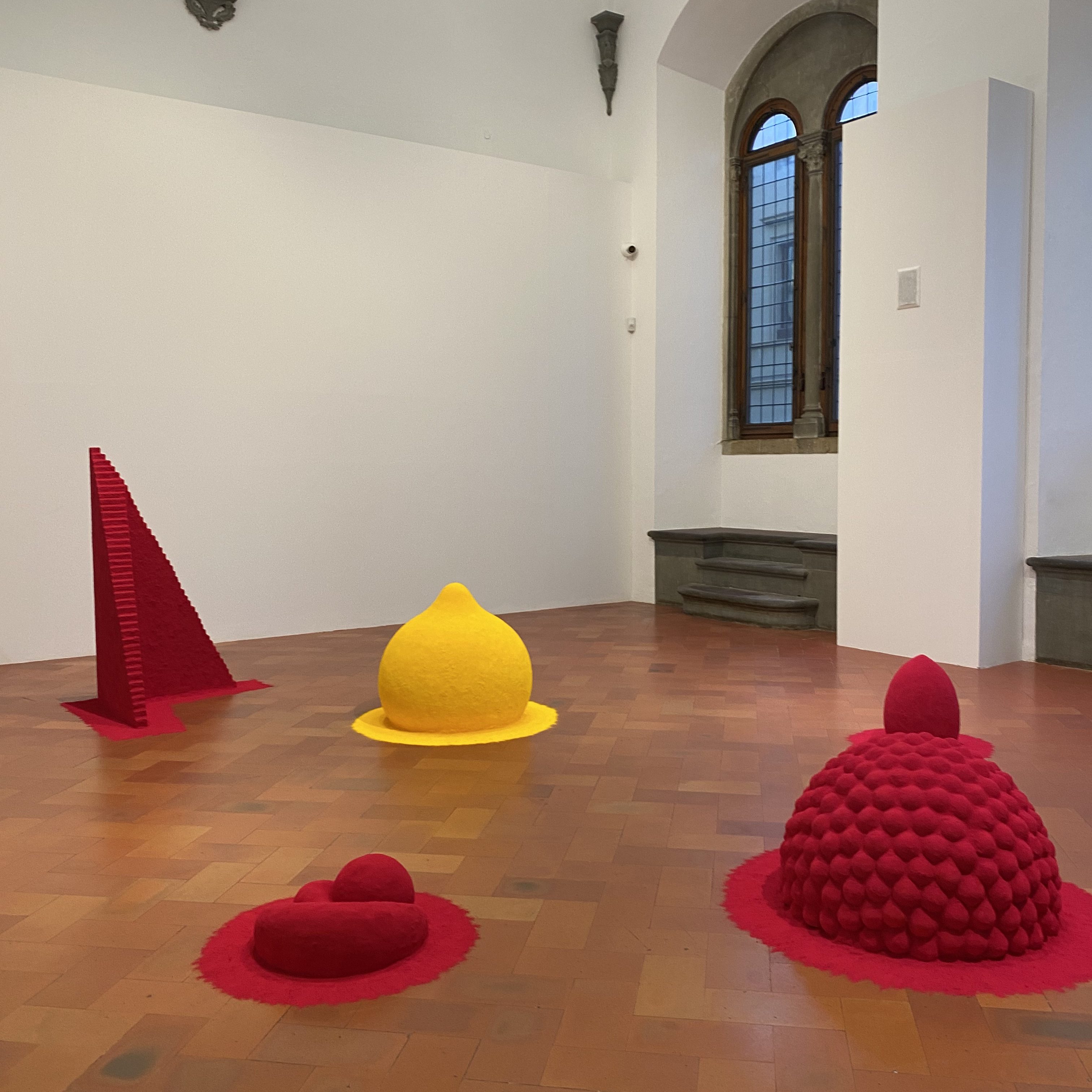
In the next room, “To Reflect an Intimate Part of the Red” (1981) combines yellow and red pigment forms that appear to emerge from the floor, engaging with the austere architecture of Palazzo Strozzi.
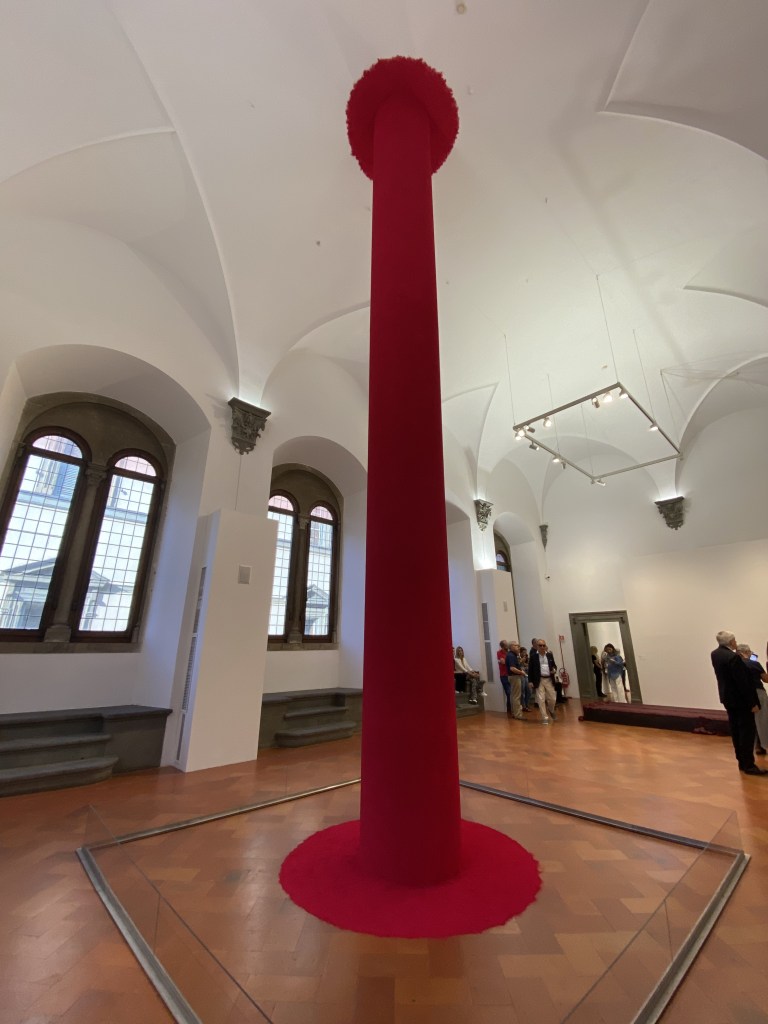
An evident influence of Constantin Brancusi on Anish Kapoor is seen in “Endless Column” (1992), a vivid red pigment column that breaches the boundaries of the room, suggesting an upward thrust towards infinity. Kapoor’s reinterpretation pushes the column further into imaginary realms, emphasizing the invisible aspects of the object.
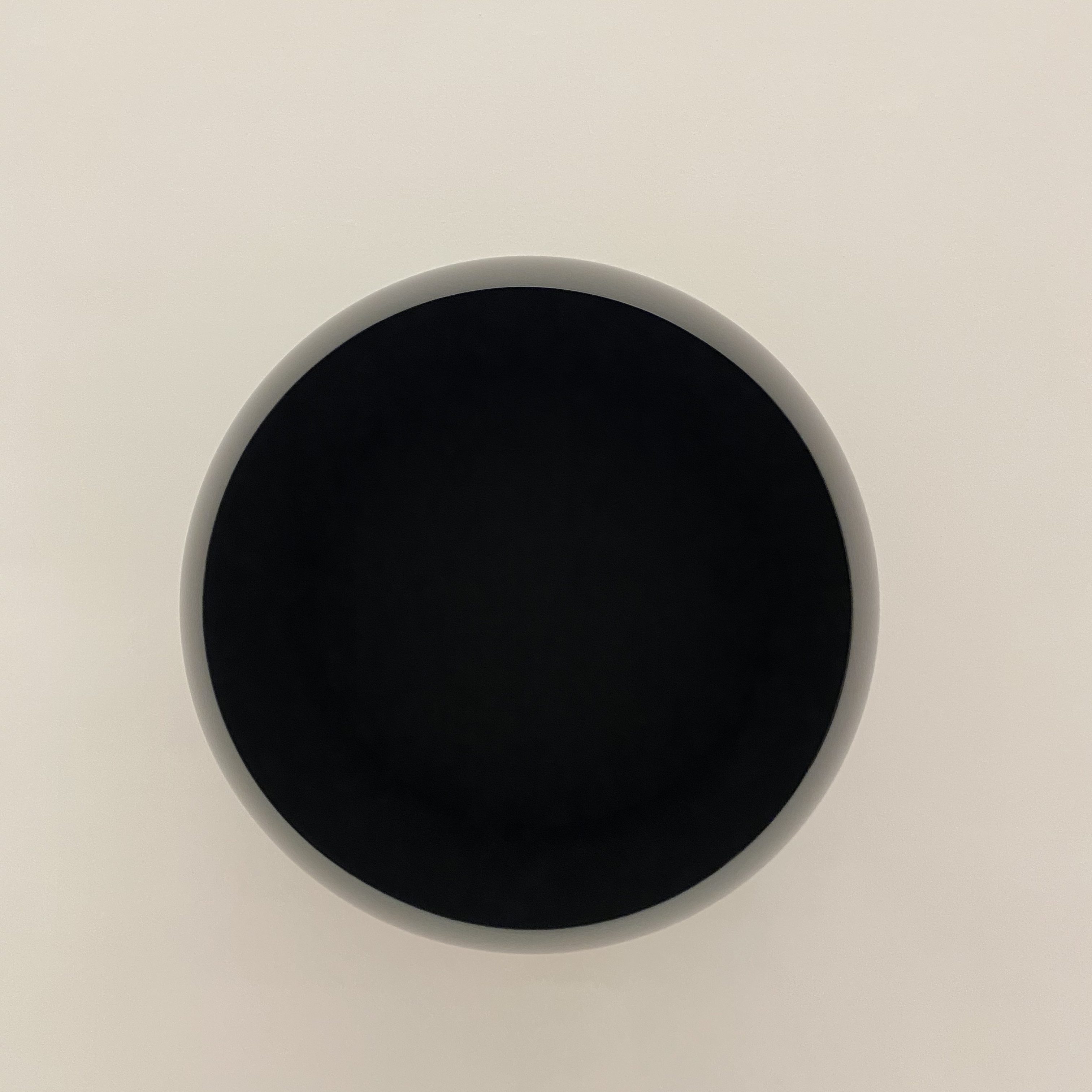
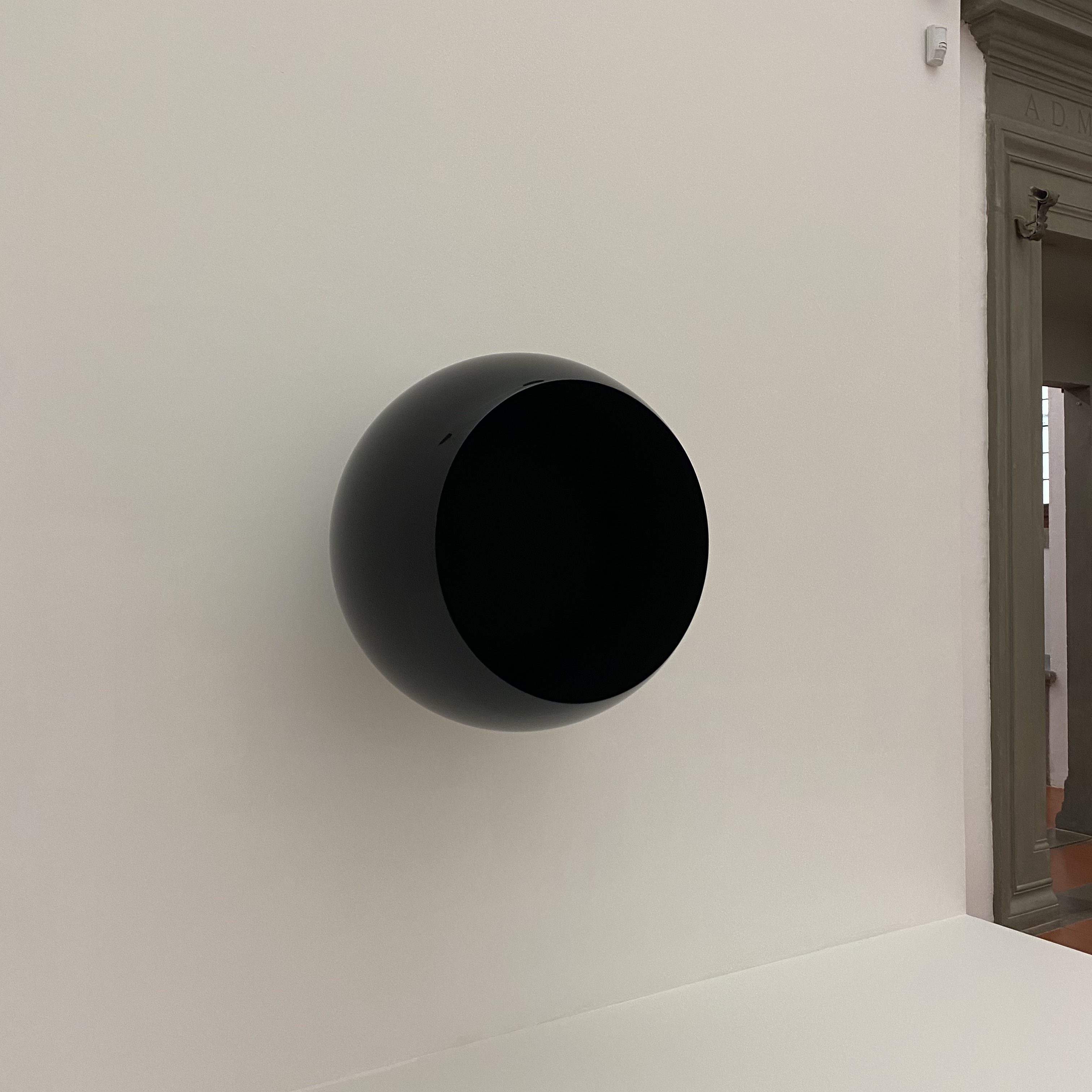
In 2014, Kapoor began working with Vantablack, a substance known for its extreme lack of reflectivity. Vantablack S-VIS, a sprayable paint using randomly aligned carbon nanotubes, absorbs over 99.9% of invisible light, effectively making the third dimension disappear. Kapoor’s utilization of this “blackest black” color has sparked controversies within the artistic community, notably due to its exclusivity. This includes a response by artist Stuart Semple, who released the world’s pinkest pink paint, available only under specific conditions to prevent Kapoor from obtaining it.
The exhibition features several works utilizing Vantablack, including an installation with a black ball placed on a black background, creating an illusion of a hole when viewed frontally. Moving around and viewing from the side reveals the presence of the sphere.
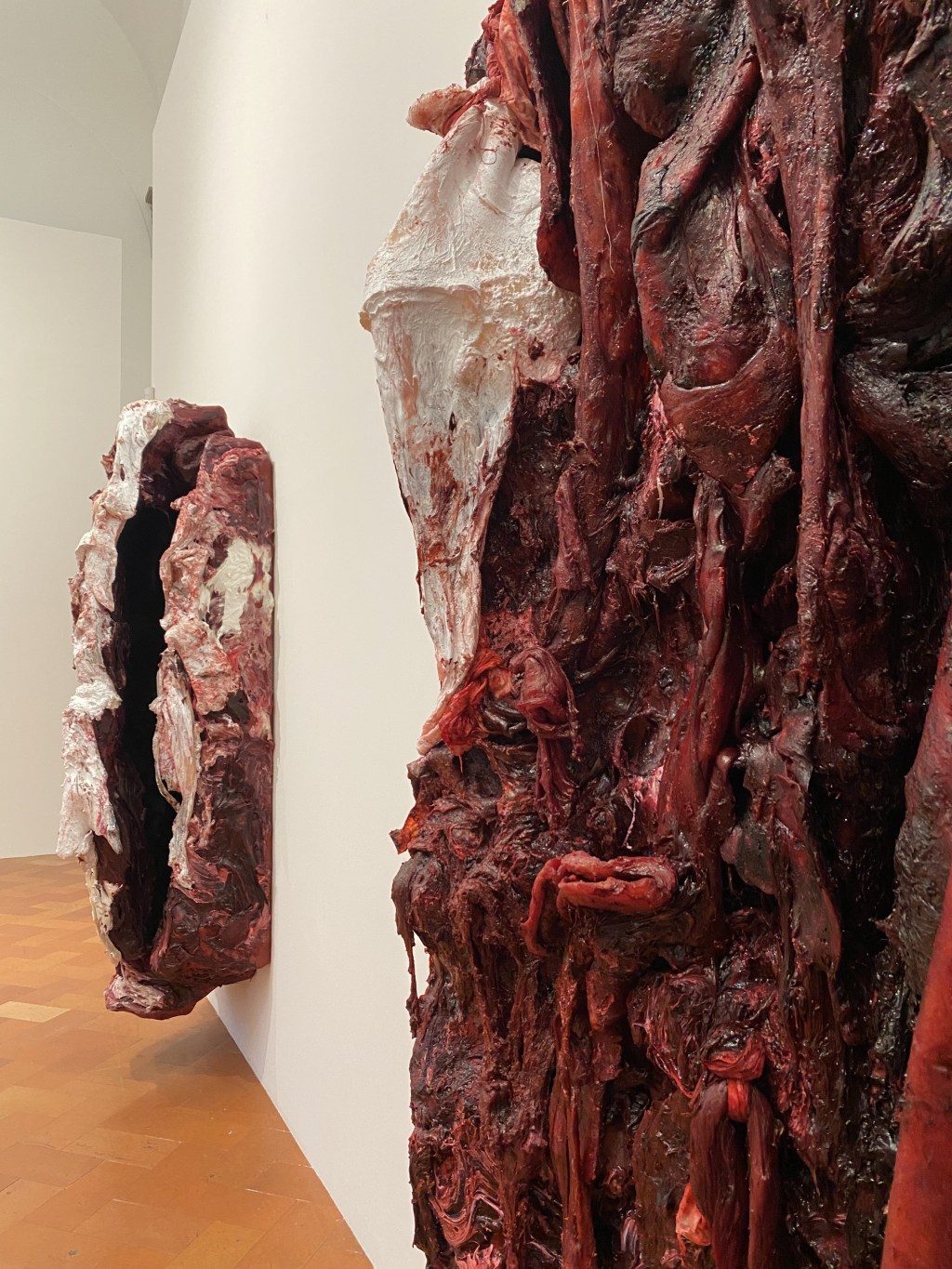
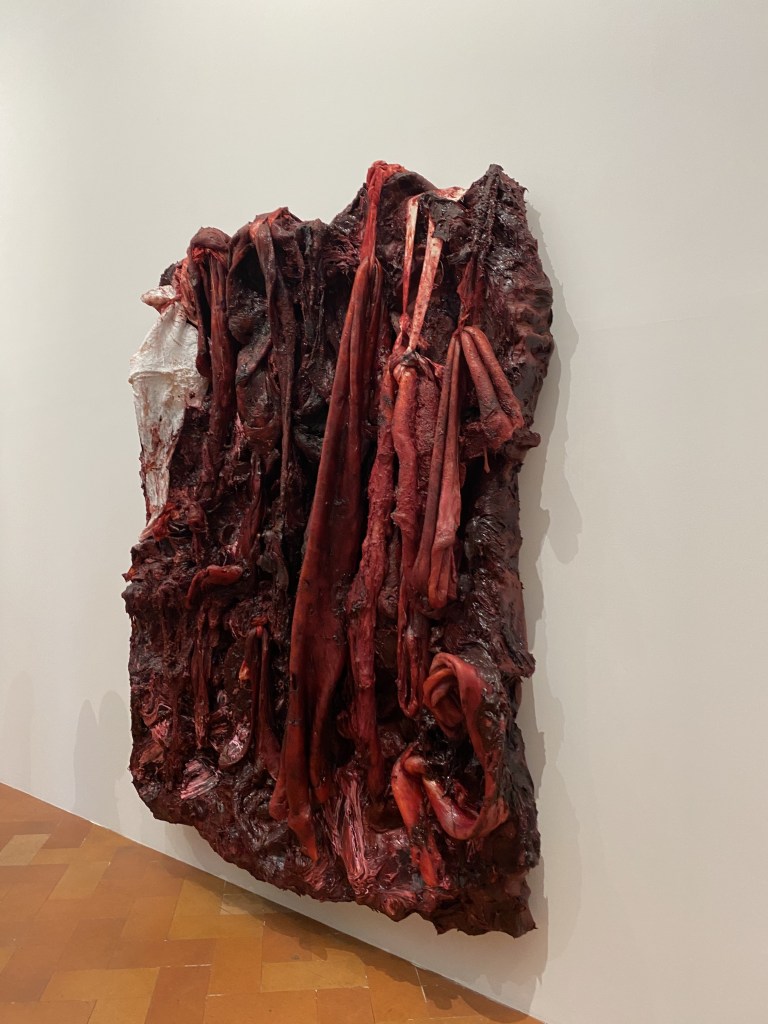
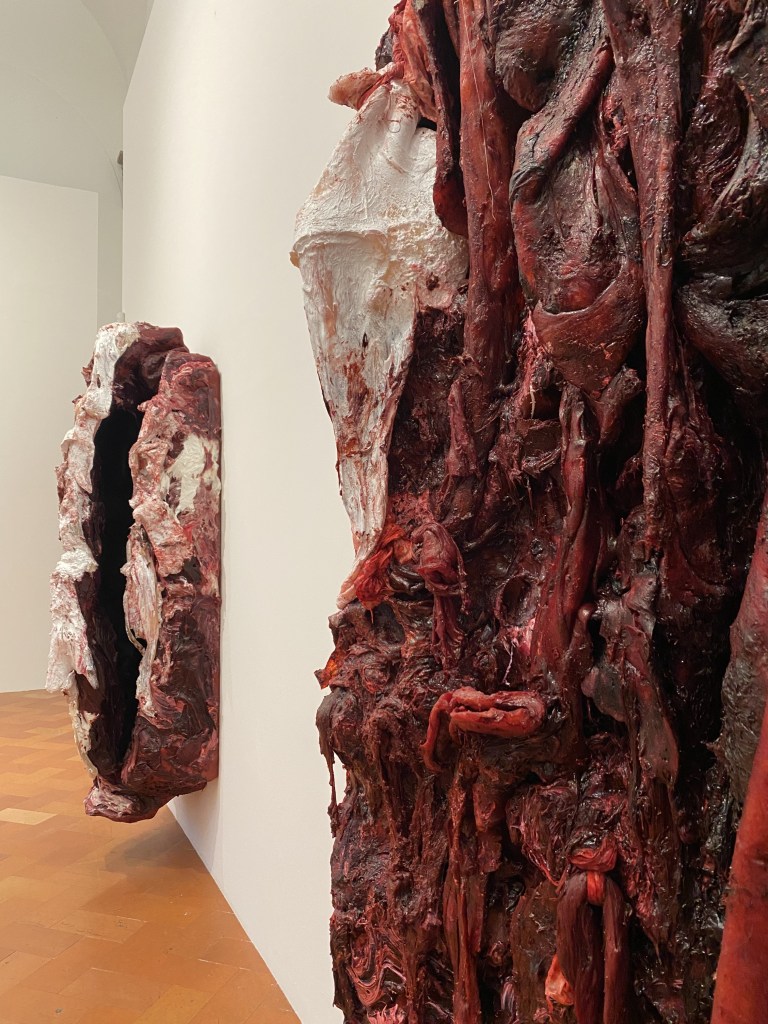
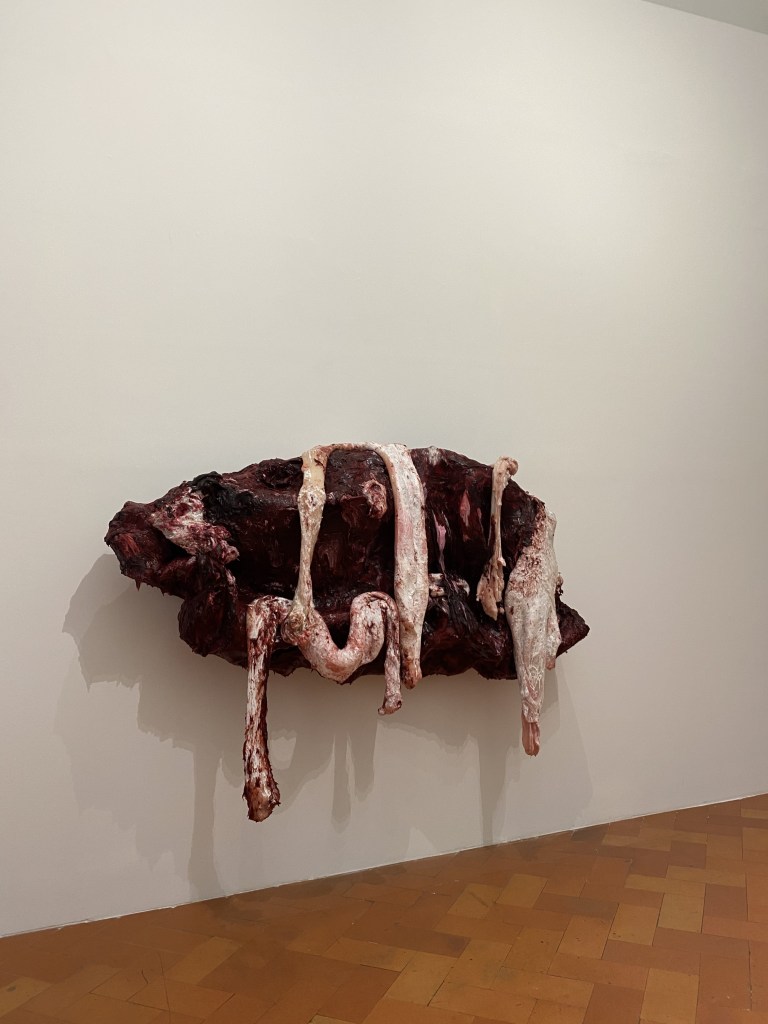
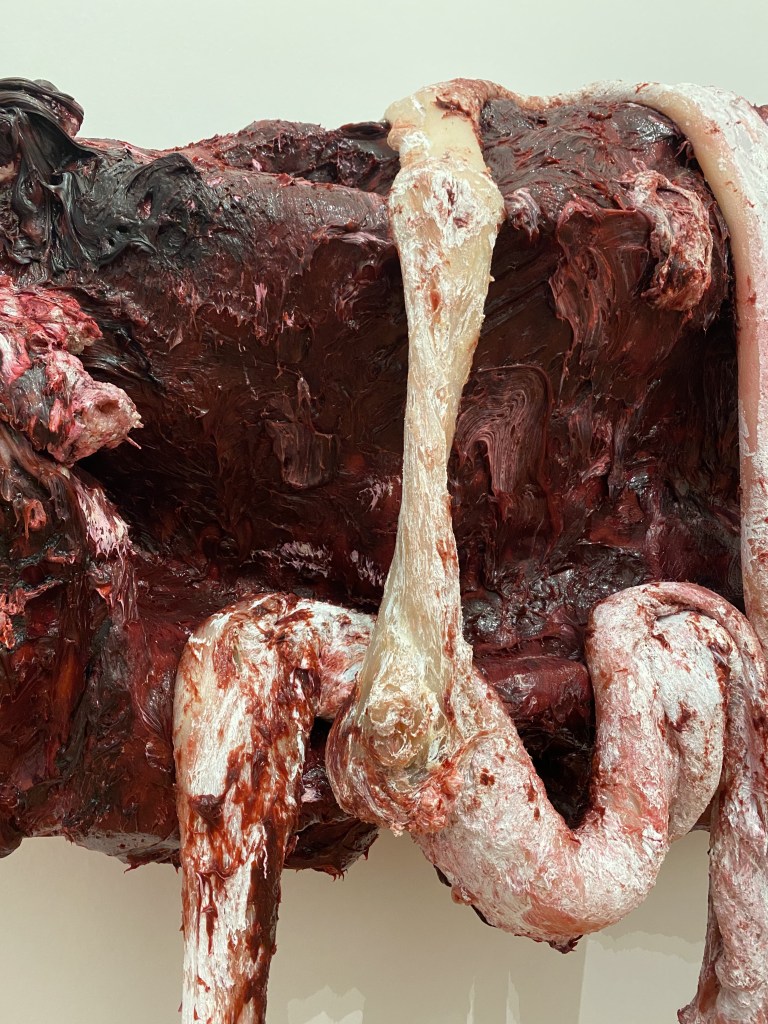
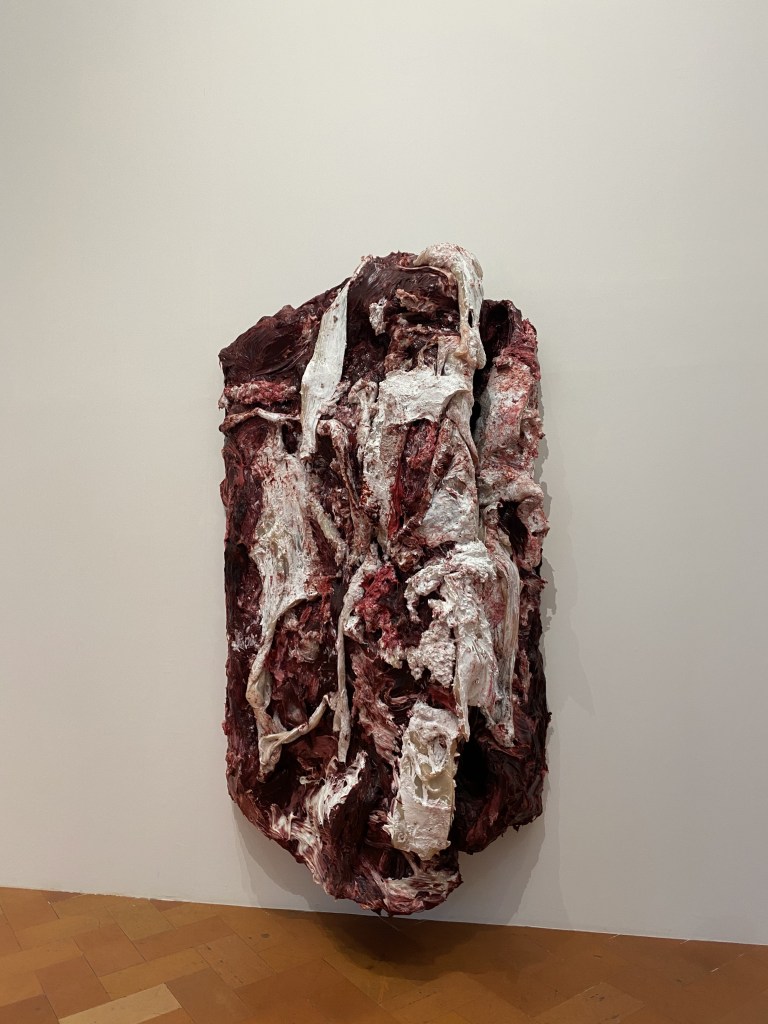
Special attention is given to Kapoor’s paintings created with silicone, shaped with fluid forms and hung on the wall. These expressive works, such as “Tongue Memory” (2016), “Today You Will Be in Paradise” (2016), “Three Days of Mourning” (2016), and “First Milk” (2015), evoke imagery reminiscent of fresh, organic matter, the human body, and blood. The artist, in a 2021 interview with the Guardian, delved into the violence portrayed in these meticulously crafted yet deeply brutal silicone canvases, attributing it to the significant role of human sacrifice in religious contexts, a theme explored in Freudian analysis.
In the subsequent room, Kapoor’s mirror works pay homage to Constantin Brancusi’s formal experiments. By utilizing mirrors, Kapoor engages the viewer directly in the work, eliminating the possibility of passive observation. These large-scale sculptures reflect and distort the surrounding space, altering its dimensions and multiplying its perspectives. Kapoor aptly stated, “One of the things about mirrored objects, especially those that are inside-out, is that they seem to be very active, in various states of becoming.”

In conclusion, “Untrue Unreal,” the Anish Kapoor exhibition at Fondazione Palazzo Strozzi, offers a captivating journey through the innovative and diverse realms of Kapoor’s artistic vision. From monumental installations to intimate environments, the exhibition presents a thought-provoking exploration of form, color, material, and meaning. Anish Kapoor’s ability to transcend traditional boundaries and challenge our perceptions through his artwork is unmistakable.
The exhibition underscores Kapoor’s global influence, as his works are displayed in prestigious collections and museums worldwide, solidifying his position as a luminary in the contemporary art scene. The incorporation of Vantablack, a groundbreaking and controversial material, adds another layer of intrigue and debate to his artistic narrative.
Furthermore, Kapoor’s deep-rooted connection to cultural and philosophical elements, as seen in his exploration of themes like human sacrifice and the invisible aspects of objects, provides a rich backdrop for interpretation and analysis. The echoes of Brancusi’s influence and the dynamic use of mirrors demonstrate Kapoor’s adeptness at engaging the viewer, inviting them to actively participate in the art experience.
“Untrue Unreal” not only showcases Kapoor’s technical prowess and artistic innovation but also encourages contemplation on existential, spiritual, and societal concepts. It challenges us to look beyond the visible, to question the unquestioned, and to delve into the profound layers of artistic expression. This exhibition truly exemplifies Kapoor’s ability to provoke thought and engage the senses, leaving a lasting impression on all who encounter his remarkable body of work.

 ART HUB
Leave a comment