
As the popular saying goes, art is subjective. Each of us carries a unique set of experiences and preferences that shape our reactions to art. As a result, our individual opinions and emotions can lead to vastly different interpretations and feelings when confronted with a work of art. While some individuals might find themselves profoundly moved, inspired, or even enchanted by a particular piece of art, others may have an opposing reaction, experiencing emotions such as dislike, discomfort, or even outright hatred. Today, we will talk about the intriguing aspect of art that elicits strong feelings of dislike or hatred. Here, we present four examples of the most controversial paintings created by prominent artists.”
The Last Judgment – Michelangelo:
Painted between 1536–1541 in the Sistine Chapel, Vatican City. In this fresco, Michelangelo incorporated approximately 400 figures, each assuming various postures. The different poses can also be recognized in other paintings and sculptures by the artist. This massive fresco comprises two interconnected scenes: the upper half features a depiction of Jesus, while the middle and bottom halves illustrate the judgment determining individuals’ fate, whether they ascend to Heaven or descend to Hell. Although The Last Judgment is now regarded as iconic, during its era, it stirred quite the controversy with the presence of nudity. Many critics accused Michelangelo of causing a conflict between art and religion with his work.

Olympia – Édouard Manet:
Olympia, created in 1863 by Édouard Manet, sparked controversy due to its portrayal of a confident and assertive nude woman. The painting disrupted conventional ideas about beauty and femininity while also challenging established social standards related to race and class. In the 19th century, depictions of nudity in paintings were typically intended for private viewing rather than public display. Nude paintings were commonly commissioned and placed in bedrooms or boudoirs, where they remained out of sight from other family members and servants. Furthermore, the context in which nudity was portrayed held significance, often featuring women as goddesses or mythological characters. Even when a model or courtesan posed for a nude depiction, she typically assumed a character rather than appearing as herself. However, in contrast, Manet portrayed his model, Victorine Meurent, precisely as a prostitute. Meurent was not a prostitute but rather Manet’s favorite model, as she had already posed for the artist in his earlier projects. The painting can be admired at the Musée d’Orsay in Paris, France.

The Potato Eaters – Vincent van Gogh:
The 1885 oil painting was considered by Van Gogh himself as a masterpiece, yet it was met with a lot of backlash. Not only did his brother Theo criticize his early sketches, but his friends also degraded his work. What people criticized most about The Potato Eaters is its color palette and the distorted portrayal of facial features. In this particular painting, the artist chose to depict peasants in their habitat, without any beautification, just as they naturally are. Presently, the painting can be found at the Van Gogh Museum in Amsterdam.

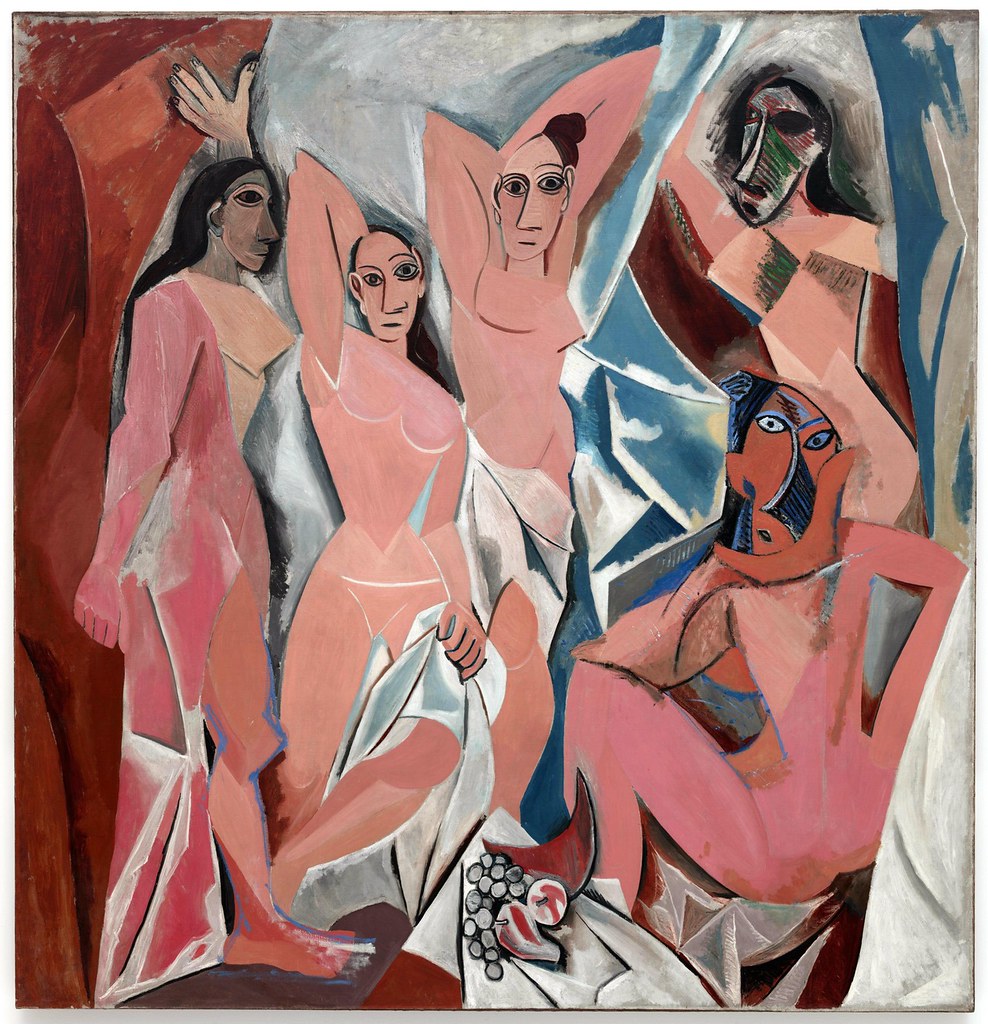
Les Demoiselles d’Avignon – Pablo Picasso:
Picasso painted Les Demoiselles d’Avignon in 1907, which is now a permanent part of the Museum of Modern Art in New York. The artwork depicts five unclothed female prostitutes in a brothel located on Carrer d’Avinyó, a street situated in Barcelona, Spain. Among the women, three exhibit clearly human facial features, whereas the two figures on the left seem to possess countenances influenced by African masks. What caused an uproar regarding this work was, once again, the candid portrayal of female nudity. Even now, when sex-positivity is encouraged, Picasso has been accused of misogyny, painting these women primarily to appease the male gaze.
In conclusion, exploring the reasons behind these strong negative reactions to art can be illuminating. Sometimes, it’s the content or subject matter that triggers discomfort or aversion. Certain artworks may delve into uncomfortable or taboo themes, addressing issues that challenge societal norms or raise difficult questions. In such cases, the discomfort felt might be intentional, as the artist seeks to stimulate critical thinking or spark a dialogue about controversial topics.



 ART HUB
Leave a comment