
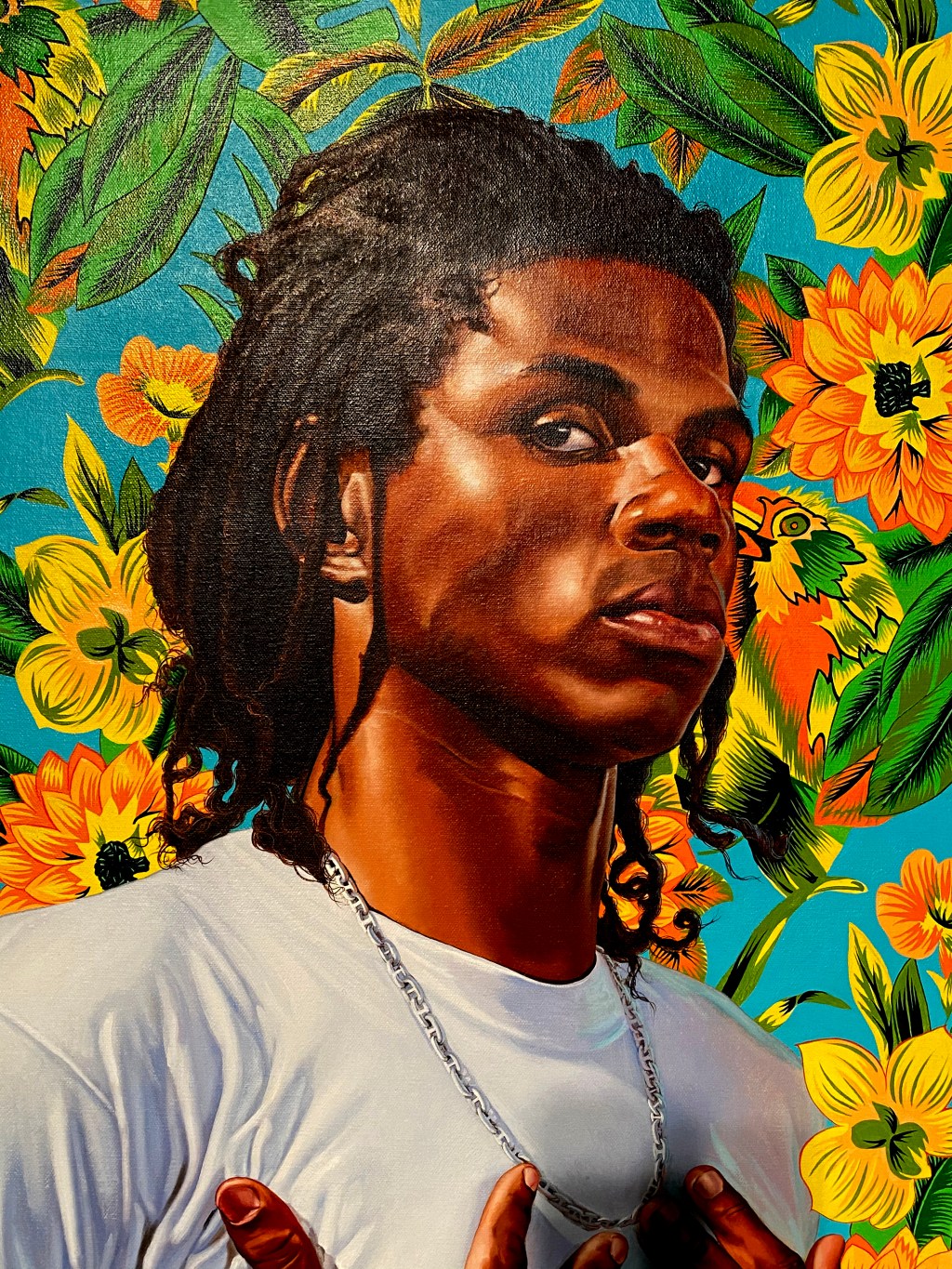
In the vast and diverse tapestry of contemporary art, few artists command attention and intrigue quite like Kehinde Wiley. Renowned for his vibrant, larger-than-life portraits that challenge conventional artistic norms, Wiley has become a leading figure in the art world. Born on February 28, 1977, in Los Angeles, California, his journey as an artist has been a captivating exploration of race, power, and identity.
The Early Years: Nurturing Artistic Roots
Kehinde Wiley’s artistic journey began in a nurturing environment, surrounded by creativity and culture. Growing up in South Central Los Angeles, he was exposed to the arts at an early age. His mother, Freddie Mae Wiley, was a classical soprano and professor, and his father, Isaiah D. Obot, was a Yoruba prince from Nigeria. This rich cultural heritage and early exposure to the arts played a pivotal role in shaping Wiley’s artistic inclinations.
Wiley’s academic pursuits further solidified his passion for art. He attended the San Francisco Art Institute and later pursued a master’s degree at Yale University. His academic experiences honed his technical skills and provided a platform for the exploration of his artistic voice.
The Wiley Aesthetic: Reimagining History and Identity
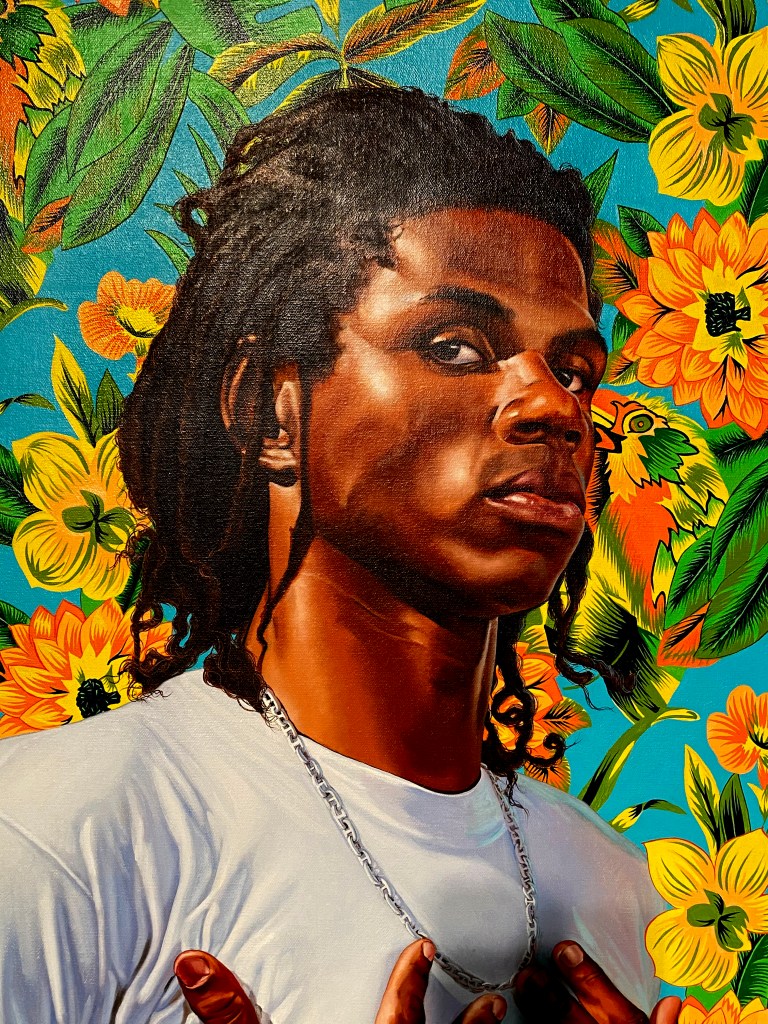
Kehinde Wiley’s art is a powerful blend of contemporary themes, historical influences, and an unapologetic celebration of Black culture. His portraits often feature young African American men and women, adorned in contemporary clothing, striking poses reminiscent of traditional European portraiture.
One of his distinctive approaches involves appropriating poses and compositions from renowned historical paintings, replacing the original subjects with people of color. By doing so, Wiley challenges historical representations of power and prestige, reimagining a more inclusive and diverse narrative within the realm of art.
The Grandeur of Representation
Wiley’s subjects, usually sourced from urban neighborhoods, become the protagonists of his elaborate compositions. These individuals, often strangers he encounters on the streets, subway stations, or through open calls, are invited to sit for a portrait. The artist then captures their essence through photography and meticulously renders them into majestic, larger-than-life paintings.
The grandeur of his paintings is awe-inspiring. Bold patterns, vibrant colors, and intricate details characterize his work, drawing the viewer’s eye to the interplay of contrasts. The juxtaposition of the subjects against opulent, Baroque-inspired backgrounds heightens the visual impact, placing the subjects in a new context of power and prestige.
Social Commentary and Identity
At the heart of Wiley’s art is a profound exploration of identity, race, and gender. By placing African American individuals in poses traditionally reserved for European aristocracy and nobility, he challenges preconceived notions of who holds power and prestige. His art is a bold statement against historical underrepresentation and misrepresentation.
Furthermore, his work prompts a dialogue about the intersection of race and masculinity, presenting a diverse and nuanced view of Black male identity. Wiley’s art provides a platform for a more inclusive representation, giving a voice to those who have historically been relegated to the periphery.
Breaking Boundaries: Wiley’s Global Impact
Kehinde Wiley’s art is not confined to galleries and museums. His work has transcended traditional boundaries, reaching a global audience and impacting diverse communities. His monumental public art installations, such as the “Rumors of War” statue in Virginia, challenge the glorification of war and question who history chooses to memorialize.
Additionally, Wiley’s international projects, including his residency in China and collaborations with artists from different cultures, emphasize the universality of his message. Art, as he sees it, is a powerful tool for fostering dialogue and understanding across borders.
Legacy and Future Endeavors
Kehinde Wiley’s influence on contemporary art is undeniable. His unique approach to portraiture, challenging the traditional narratives, and sparking conversations about identity and representation have paved the way for a new generation of artists. He has received numerous awards and honors, solidifying his place in the annals of art history.
Looking to the future, one can expect Wiley to continue breaking artistic barriers and expanding his creative horizons. His dedication to empowering marginalized communities through art and creating a more inclusive artistic narrative is a beacon that will undoubtedly guide his future endeavors.
In Conclusion: A Visionary in Contemporary Art
Kehinde Wiley’s journey from Los Angeles to the pinnacle of the art world is a testament to his talent, vision, and determination. His art has redefined portraiture, challenged historical norms, and brought underrepresented voices to the forefront. As he continues to push boundaries and inspire artists and art enthusiasts alike, Kehinde Wiley remains a beacon of hope and change in the world of contemporary art.

 ART HUB
Leave a comment