
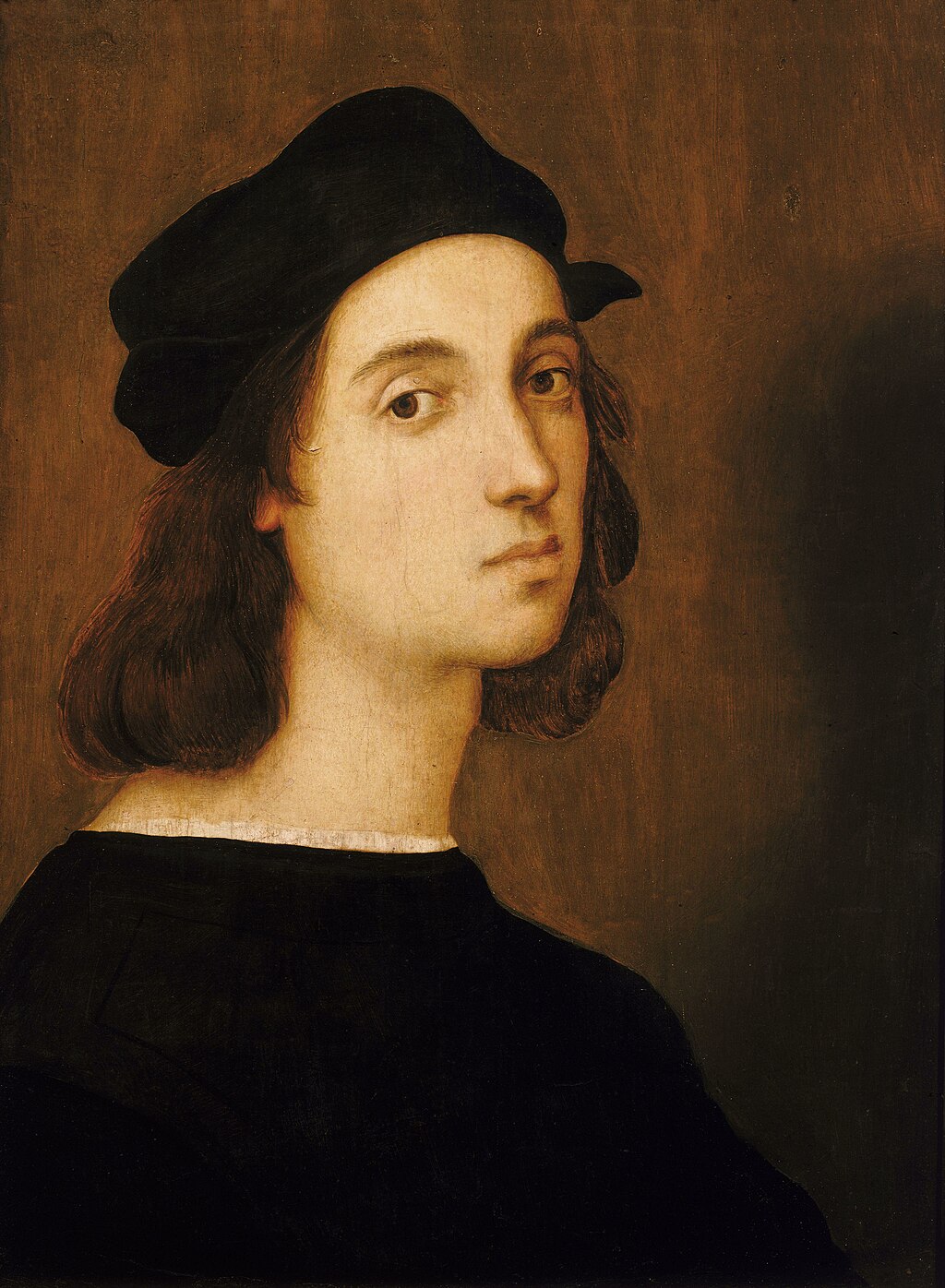
In a recent revelation within the realm of art history, Italian researchers have stumbled upon a captivating painting believed to be crafted by the renowned artist Raphael Santi. The artwork, which dates back to the year 1504, was unearthed from a private collection, adding a fascinating chapter to the legacy of the Italian Renaissance maestro.
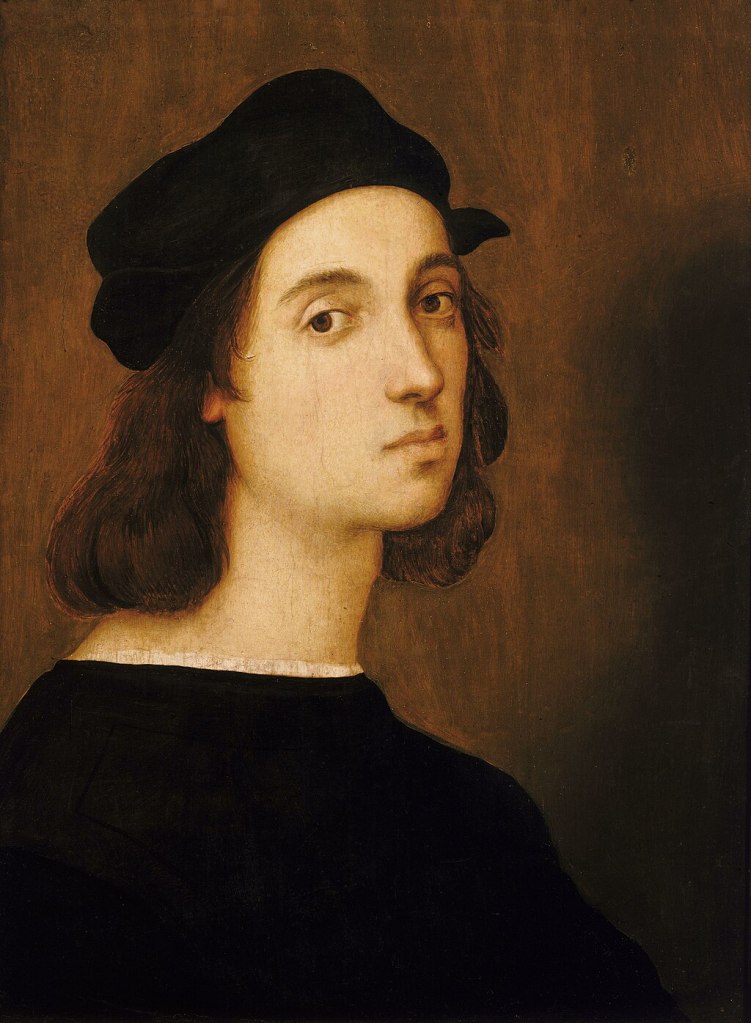
The painting in question features a modest depiction of Mary Magdalene, meticulously rendered in oil on a poplar board measuring 46 cm by 34 cm. Notably, Chiara Fancelli, the wife of Raphael’s teacher, Pietro Perugino, graces the image, assuming the guise of the revered saint. The portrait portrays Magdalene with dark tresses, garbed in attire exhibiting a square neckline. Her hands are delicately folded, showcasing gracefully pointed fingers, while her eyes convey an expression described as “more discerning than penitent.”
Professor Annalisa Di Maria, a distinguished expert on Leonardo da Vinci and the Italian Renaissance, underscores the pivotal role this painting plays in Raphael’s artistic evolution. Di Maria asserts that this masterpiece marks a significant turning point in Raphael’s oeuvre, representing the artist’s emancipation from the pervasive influence of Perugino.
Supporting the attribution to Raphael, the researchers highlight the meticulous use of the spolvero technique—a method frequently employed by the artist to create preliminary sketches. Additionally, the unique canvas preparation methods employed in the painting align with Raphael’s known practices. Moreover, the researchers draw attention to the precise mathematical proportions evident in the artwork, a testament to Raphael’s adeptness in mathematics.
Anticipated with great eagerness, the findings of this research are slated for publication in the prestigious journal, “Open Science, Art and Science,” under the title “Raphael’s Magdalene: When a Student Surpasses a Teacher.”
However, as with any remarkable discovery, dissenting voices emerge. Notably, Vittorio Zgarbi, an esteemed art historian and former cultural official, casts doubt on the attributed authorship of the masterpiece. Zgarbi suggests that due to the artwork’s presence in a private collection, there exists a possibility of a misattribution, fueled by the desire to associate it with the esteemed name of Raphael.
In the world of art, controversies and debates often fuel the pursuit of truth and understanding. The newfound painting, purported to be the work of Raphael, adds another layer of intrigue and excitement to the study of the Italian Renaissance and the legacy of a remarkable artist whose contributions continue to captivate generations.


 ART HUB
Leave a comment